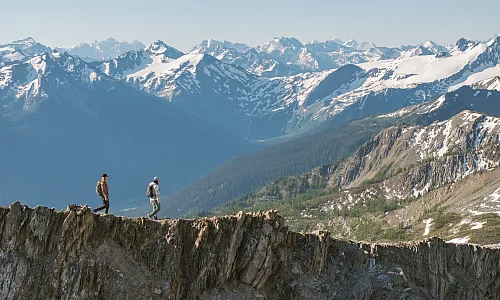
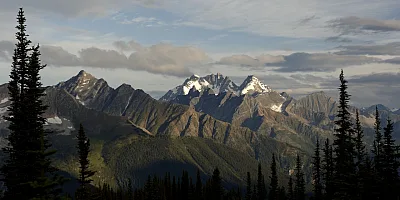
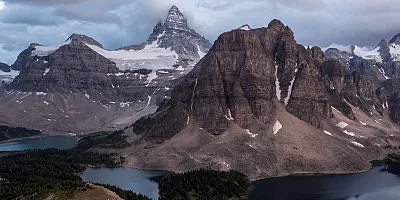
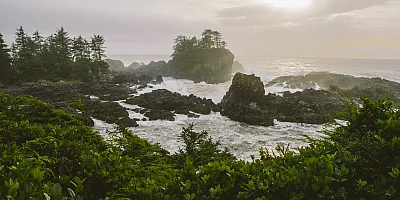
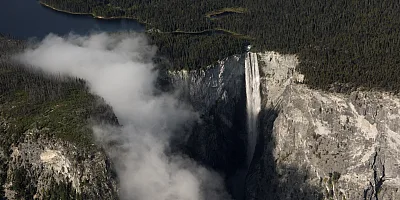
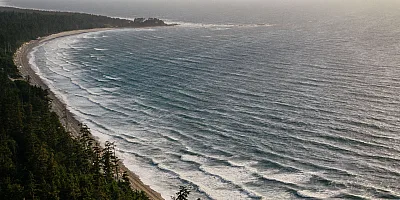
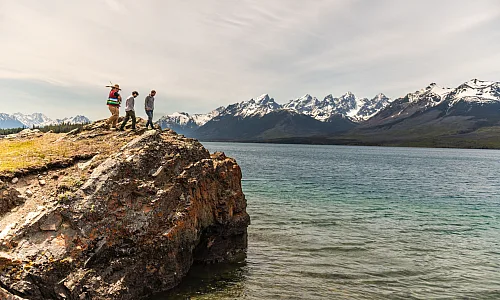


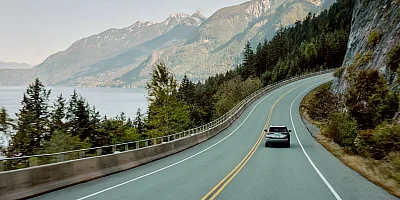
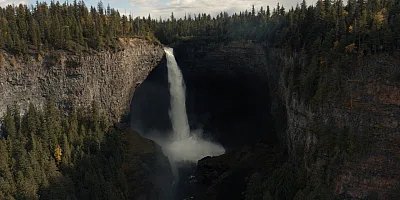
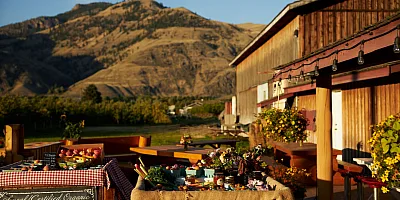
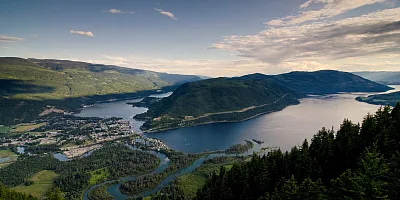
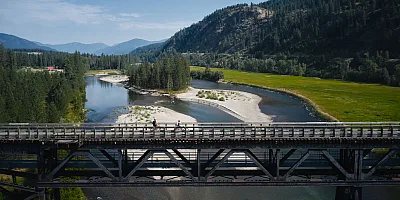
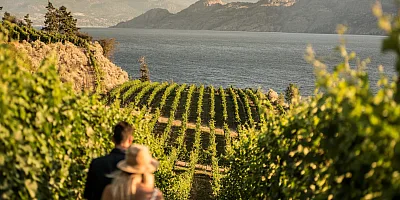
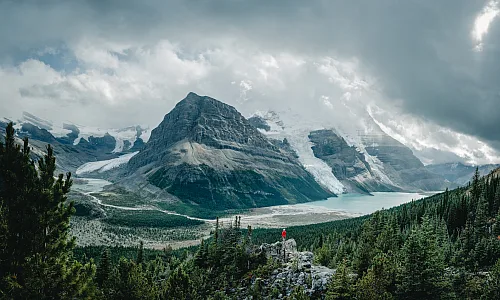
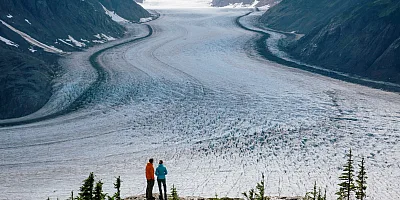

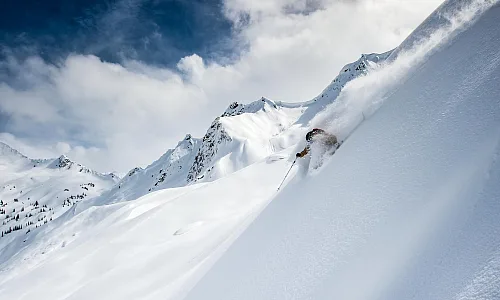
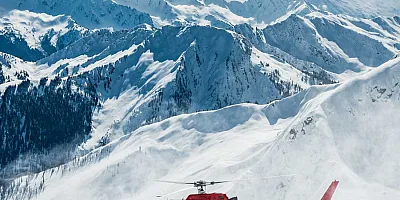
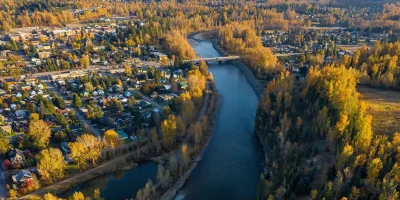
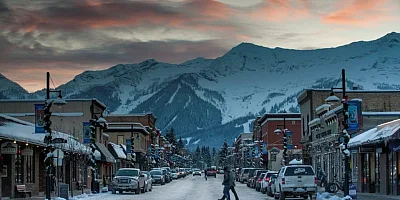
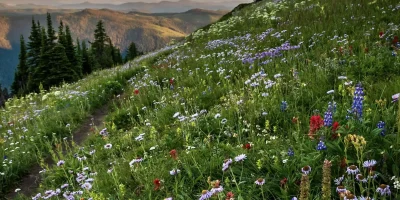
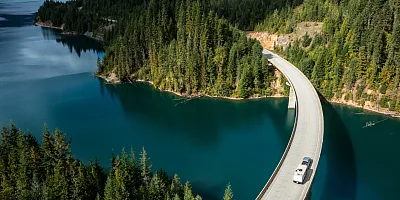
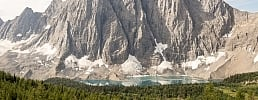
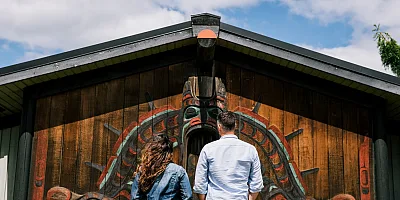

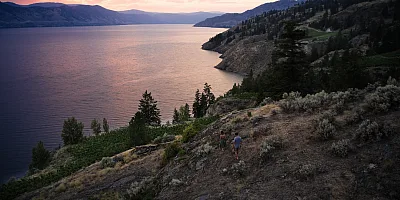
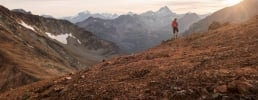


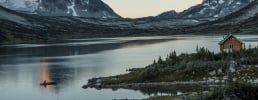
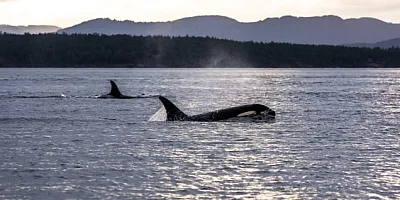
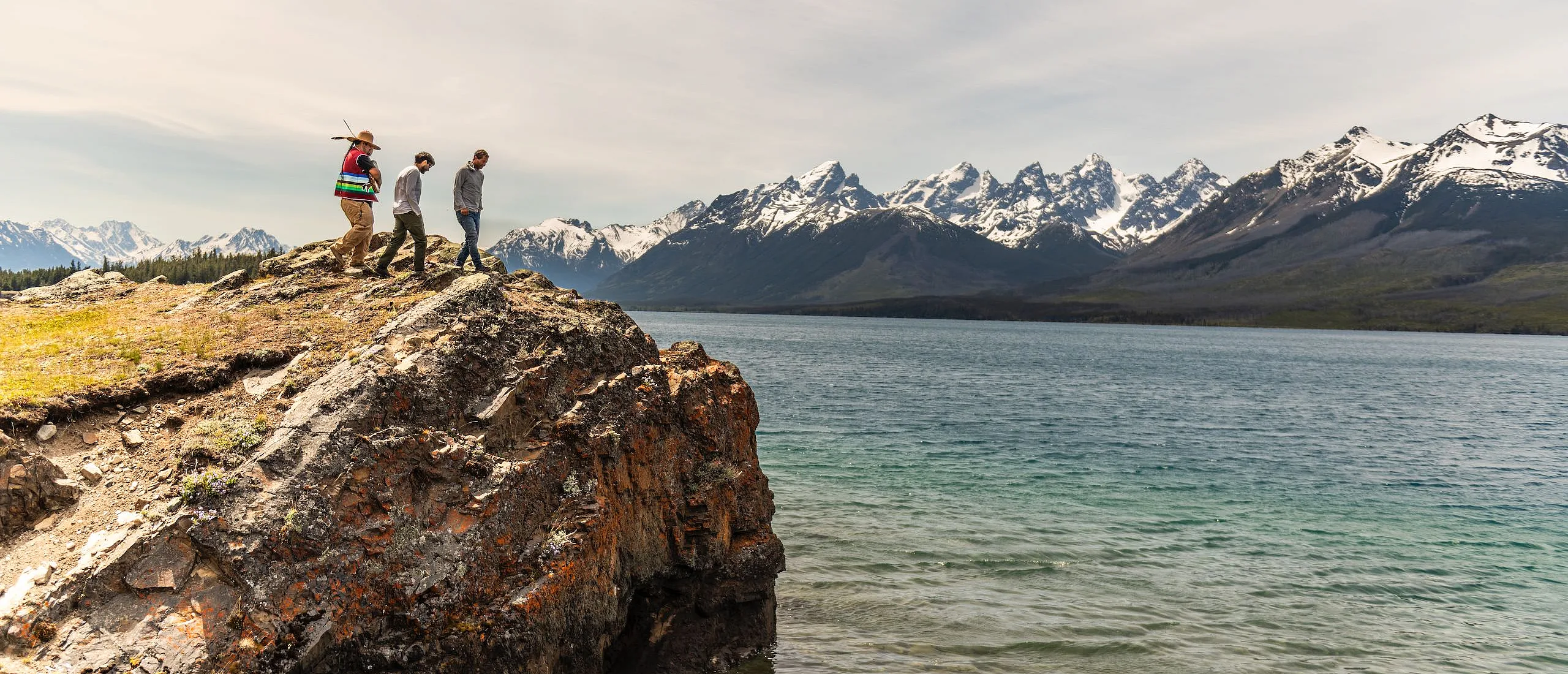
 Ts'il?os Provincial Park | Destination BC/Kari Medig Ts'il?os Provincial Park | Destination BC/Kari Medig
 Roam the ancient landscapes of Nature’s Heartland, a land with deep First Nations roots, Gold Rush history, and guest ranches.
Dramatic landscapes and living cultures
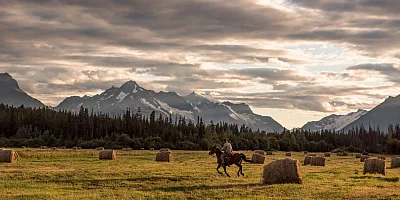
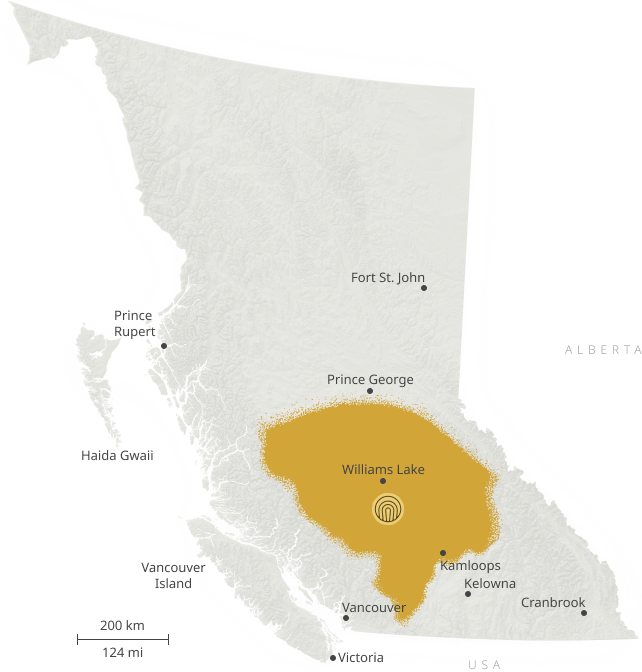
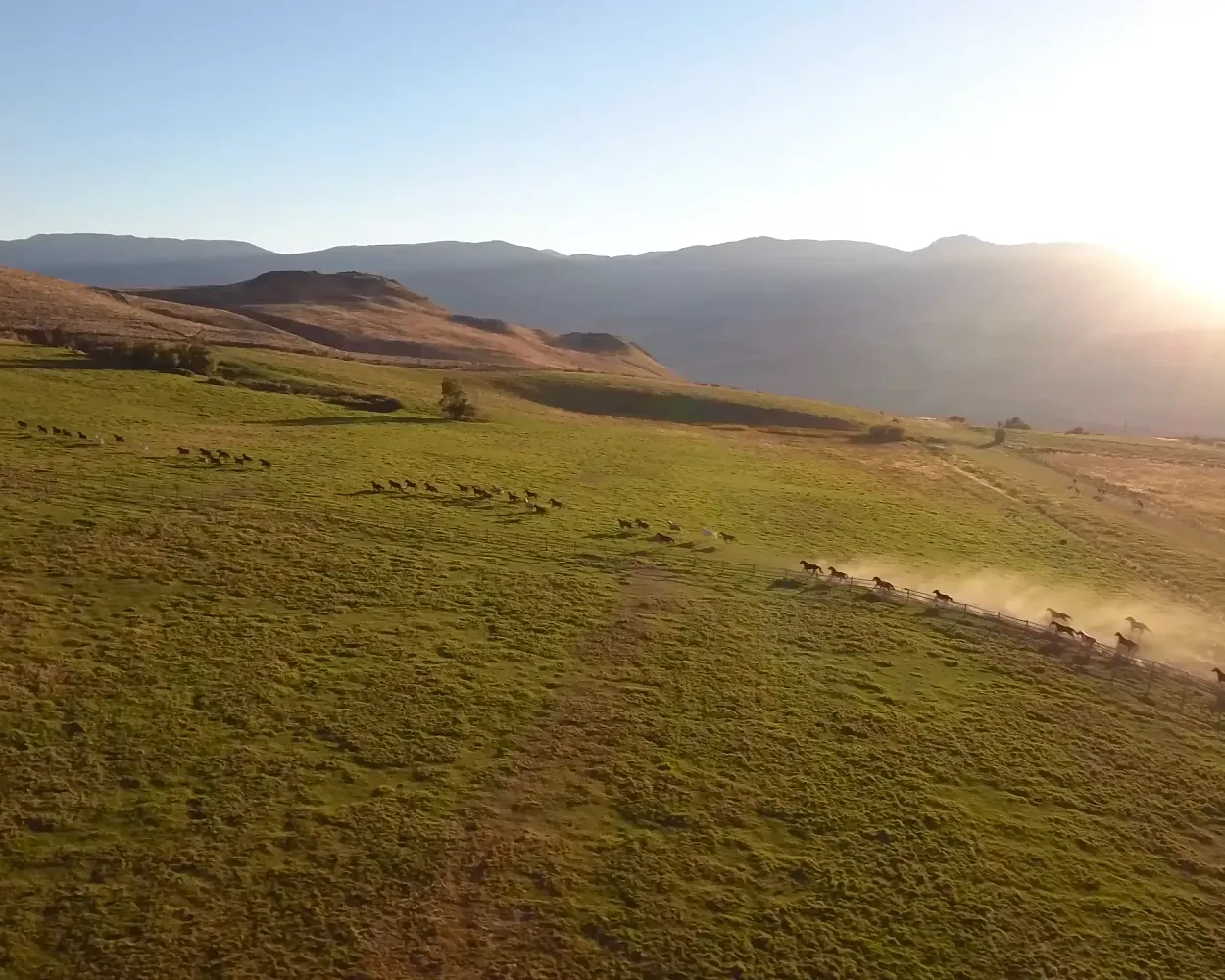
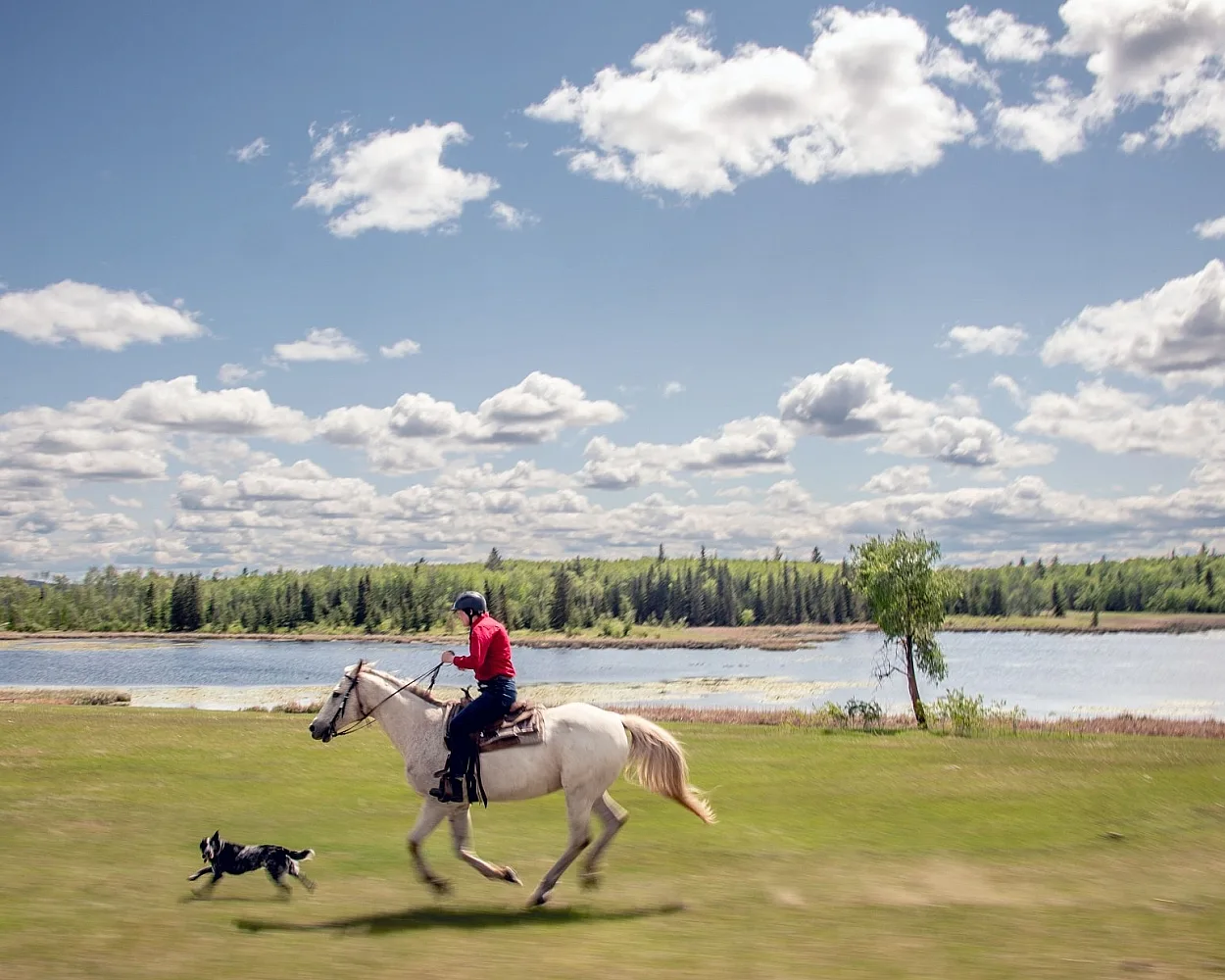
A place where wild horses still wander, Nature’s Heartland in central British Columbia is wedged between the Coast Mountains, the Thompson Valley, and the Fraser River Canyon. Here, between icefields and grasslands, adventure is served with living history. Visit cultural sites with a First Nations Knowledge Keeper. Venture to remote parks for wildlife viewing and hiking. Stroll the streets of heritage towns. Home to half of BC’s guest ranches, the region also features a lively cowboy culture of horseback riding and rodeos.
Travel the historic Gold Rush Trail
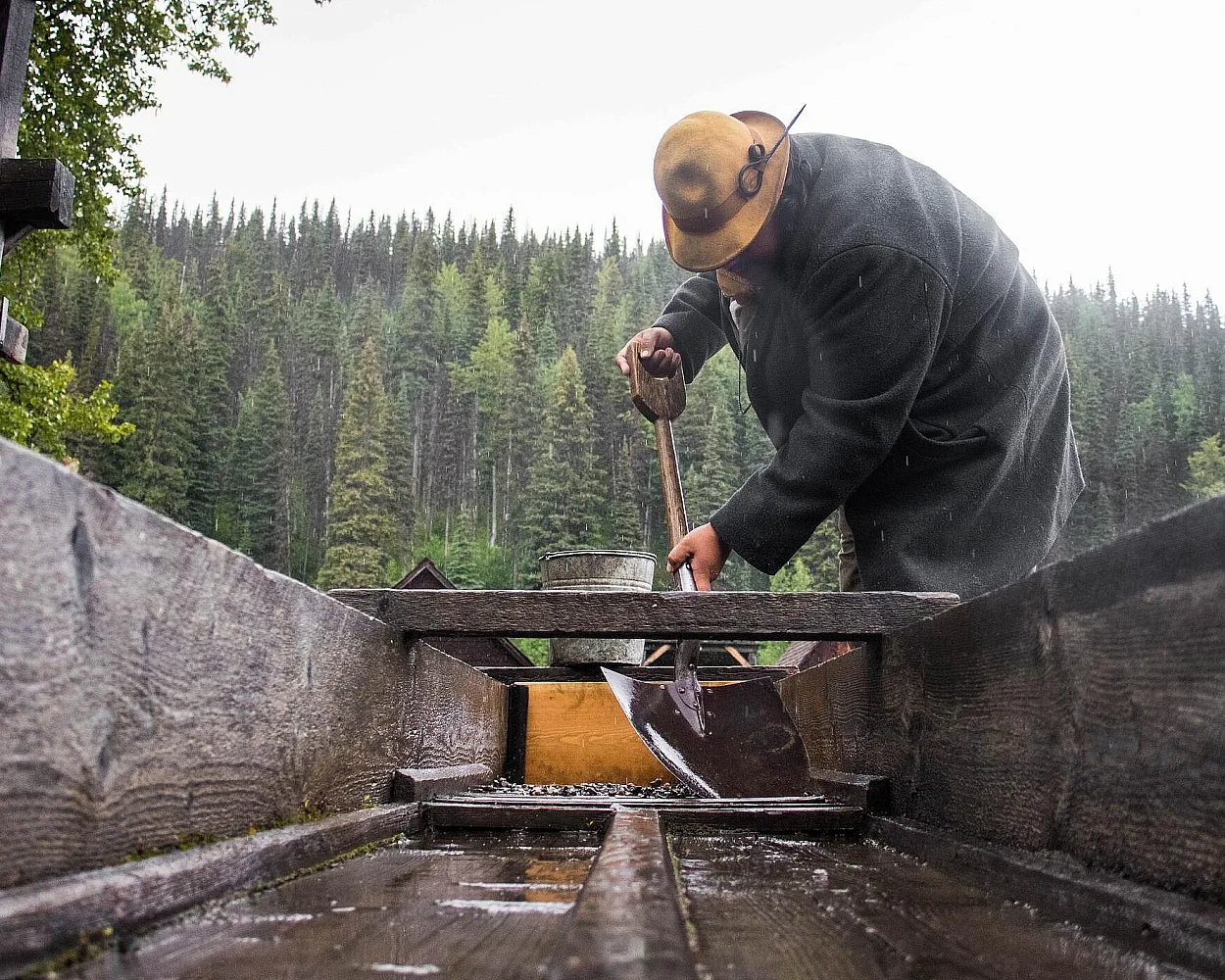
3-7 Days472.86 km | 293 miDiscover BC’s gold rush past on this road trip from Lillooet to Barkerville.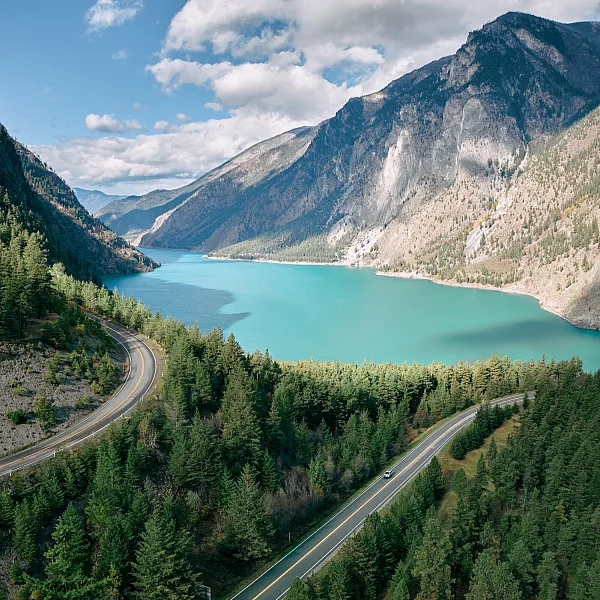 Seton Lake south of Lillooet | Hubert Kang
 The Fraser Canyon: A road trip through time
3-5 days371 km | 230 miFollow this scenic Fraser Canyon route along the mighty Fraser River, an adventure steeped in a storied history that spans thousands of years.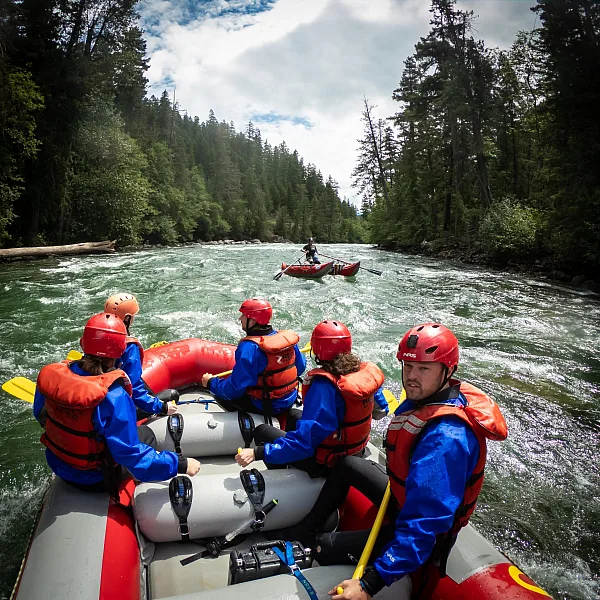 Rafting the Nahatlatch River | Cariboo Chilcotin Coast/Jonny Bierman
Travel ideas
Legendary road trips
Journey through time along historic routes like the Gold Rush Trail. Overnight at family-owned ranches and wilderness resorts, with detours to striking viewpoints. These itineraries will make the most of your trip.
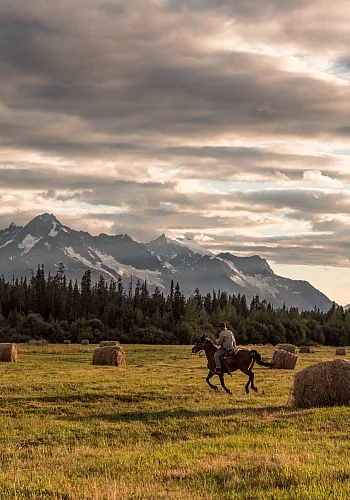 Chilcotin
Golden plateaus, grasslands and glaciers, and alpine rivers and lakes.
 Cariboo & Gold Rush Trail
Follow in the footsteps of prospectors, and canoe the Bowron Lakes.
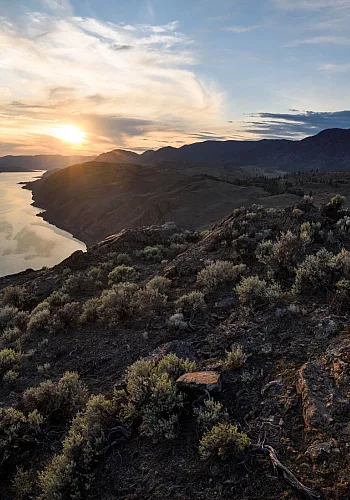 Thompson Valley
Hook the big one, ride cowboy-style, witness a powwow, and ski powder.
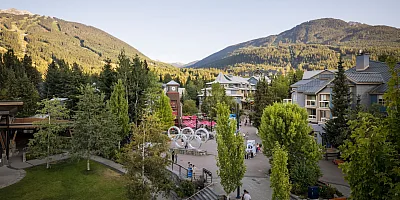
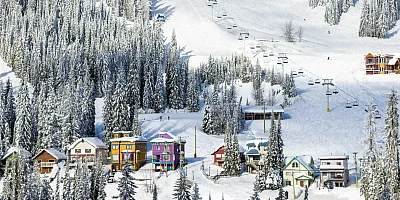
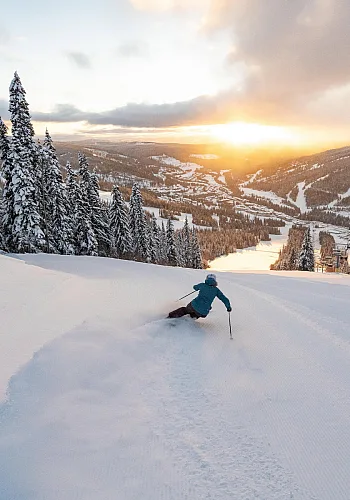 Sun Peaks Resort Sun Peaks ResortThe mountain trio of Tod, Sundance, and Morrisey encircle Sun Peaks’ slopeside, pedestrian-only village.
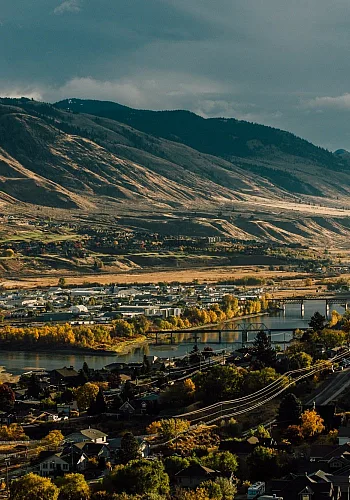 Kamloops
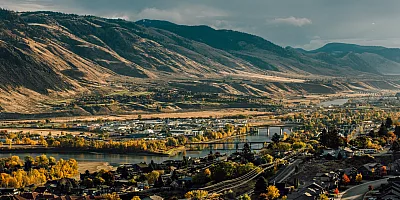
A rugged city along the North and South Thompson rivers marked by dramatic desert landscapes and rugged adventure.
Nature’s Heartland
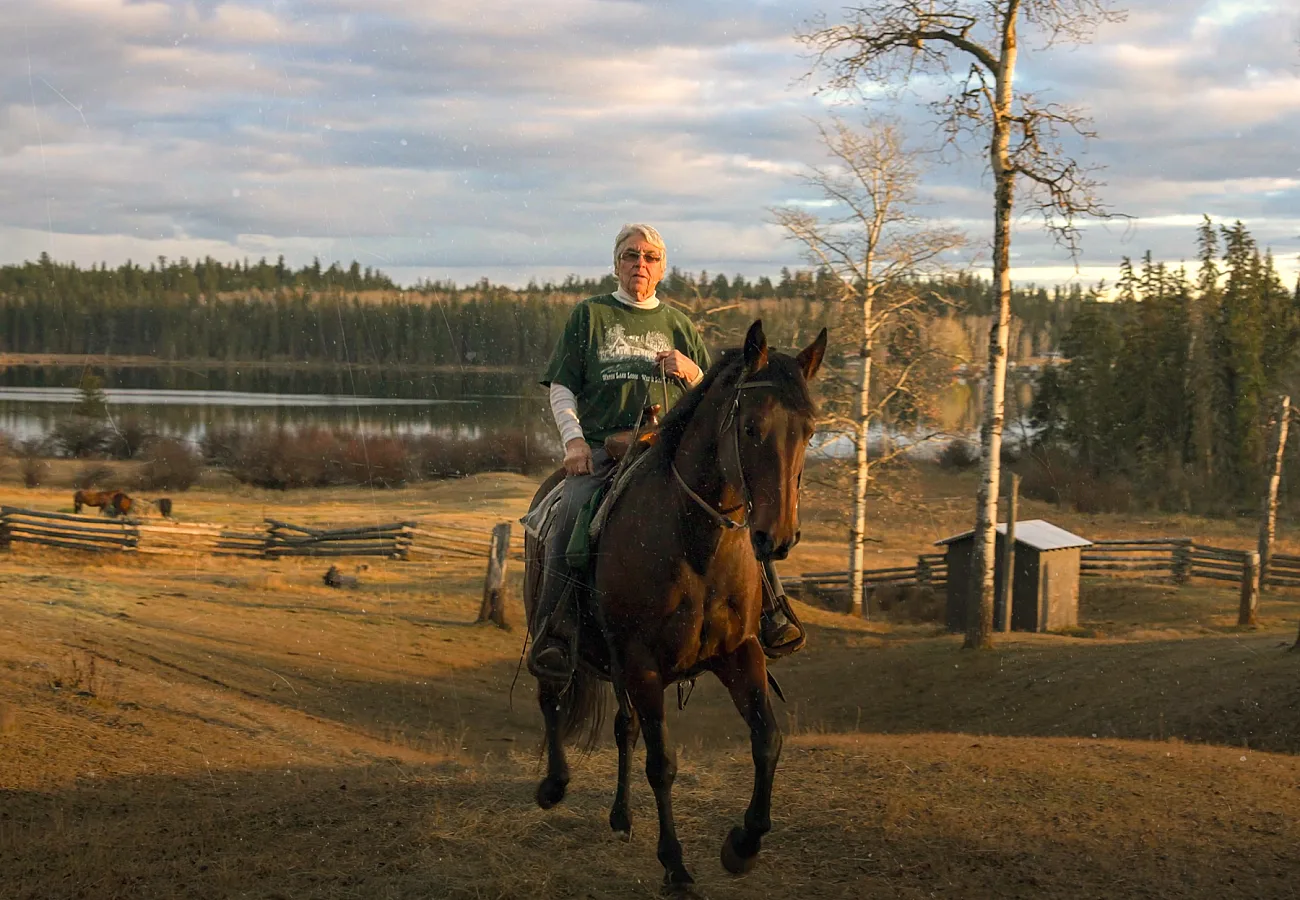 Dimps Horn
 Frequently asked questions
- Driving is the best way to travel through Nature’s Heartland. There are several major highways that run through central BC, including Highway 97, the Sea-to-Sky Highway (Highway 99), Trans-Canada Highway (Highway 1), the Coquihalla Highway (Highway 5), and the Fishing Highway (Highway 24). Always check DriveBC.ca for real-time road conditions. You can also fly into YKA in Kamloops, YWL in Williams Lake, and YQZ Quesnel, then rent a car.
- Nature’s Heartland is unique because of its remarkable cultural and geographic diversity. The landscape itself is a striking contrast of mountains, mighty rivers, and grassy plateaus. These lands and waters are perfect for wildlife viewing, where grizzlies roam and prehistoric sturgeon swim. Human history here spans millennia, beginning with First Nations, who continue to share their living cultures and care for the land. In more recent times, settlers from the Gold Rush, cattle ranching, and railway have added their chapters to the story. Today, central BC offers a spectrum of experiences, from Indigenous-led tours to rodeos and wilderness resorts.
- Nature’s Heartland is known for hands-on outdoor adventures. Its diverse topography of grassy benchlands and towering peaks invites horseback riding, hiking, and mountain biking. The region’s many lakes are perfect for angling and paddling, including the multi-day backcountry canoe circuit at Bowron Lakes. Meanwhile, the storied Fraser and Thompson rivers are popular for whitewater rafting and kayaking.
- Nature’s Heartland is home to many wildlife species, thanks to its vast geography and diverse ecology. You may encounter large mammals like mule deer, grizzly bears, moose, and even elusive wolves. Wild horses roam the grassy plains, and you may spot mountain goats and Big Horn sheep in the bluffs near the Fraser and Chilcotin rivers. The Cariboo Plateau is home to—you guessed it—large herds of woodland caribou.
- From the Gold Rush Trail to ranchlands, Nature’s Heartland is a treasure trove of historic towns and horse riding trails. Beginning in the Fraser Canyon, The Gold Rush Trail winds northward, with the communities of Lillooet and Barkerville at its heart. Nearby, the heritage town of Clearwater is a gateway into the breathtaking Wells Gray Park. Ranch country lies in the central and eastern lands of the region around Cache Creek, Kamloops, and 100 Mile House. Remote wilderness lodges and Tweedsmuir Park are farther afield, but well worth the trek.
- You can visit Nature’s Heartland at any time of year, though you’ll find the greatest range of activities in spring, summer, and fall. In late spring, the freshet provides fantastic whitewater rafting opportunities. Summers are hot and dry, but you can cool off in the mountains with higher-elevation hiking and horseback riding adventures. Come fall, temperatures cool down, inviting cozy evenings by the fireplace at a guest ranch.
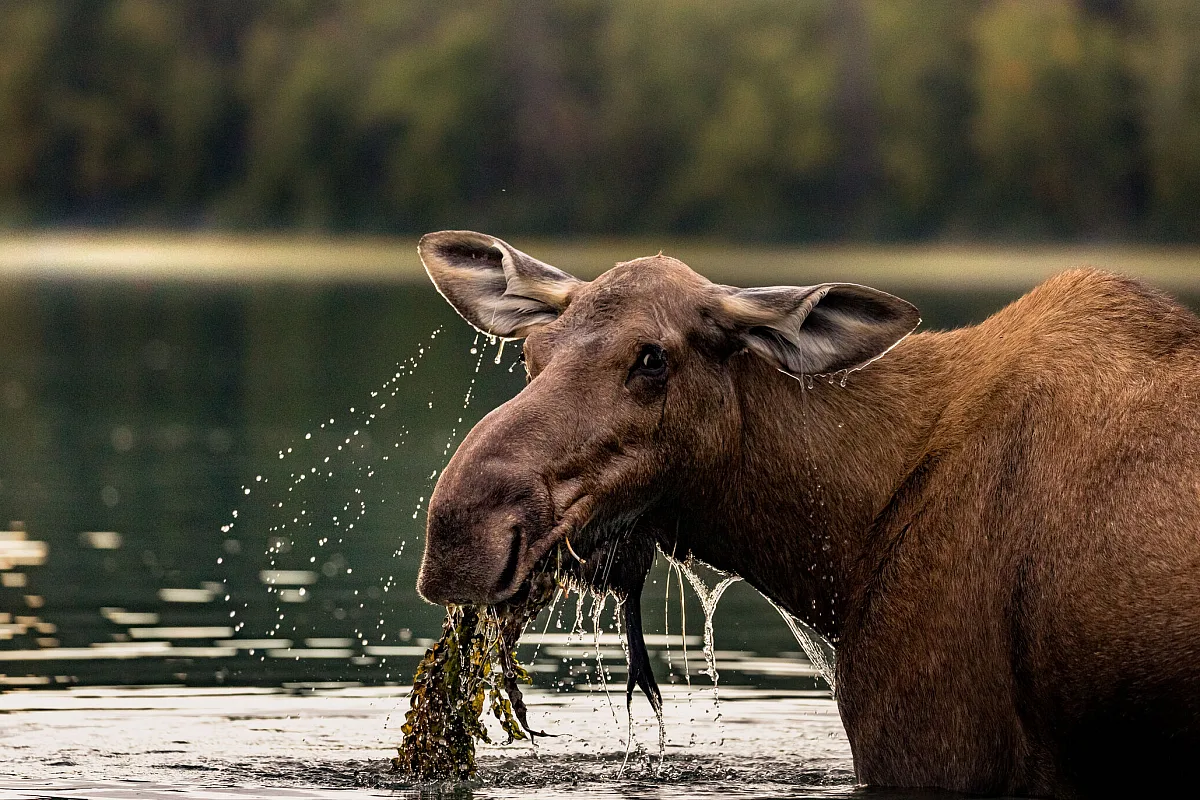 Bowron Lakes Provincial Park | Destination BC/Robin O'Neill
 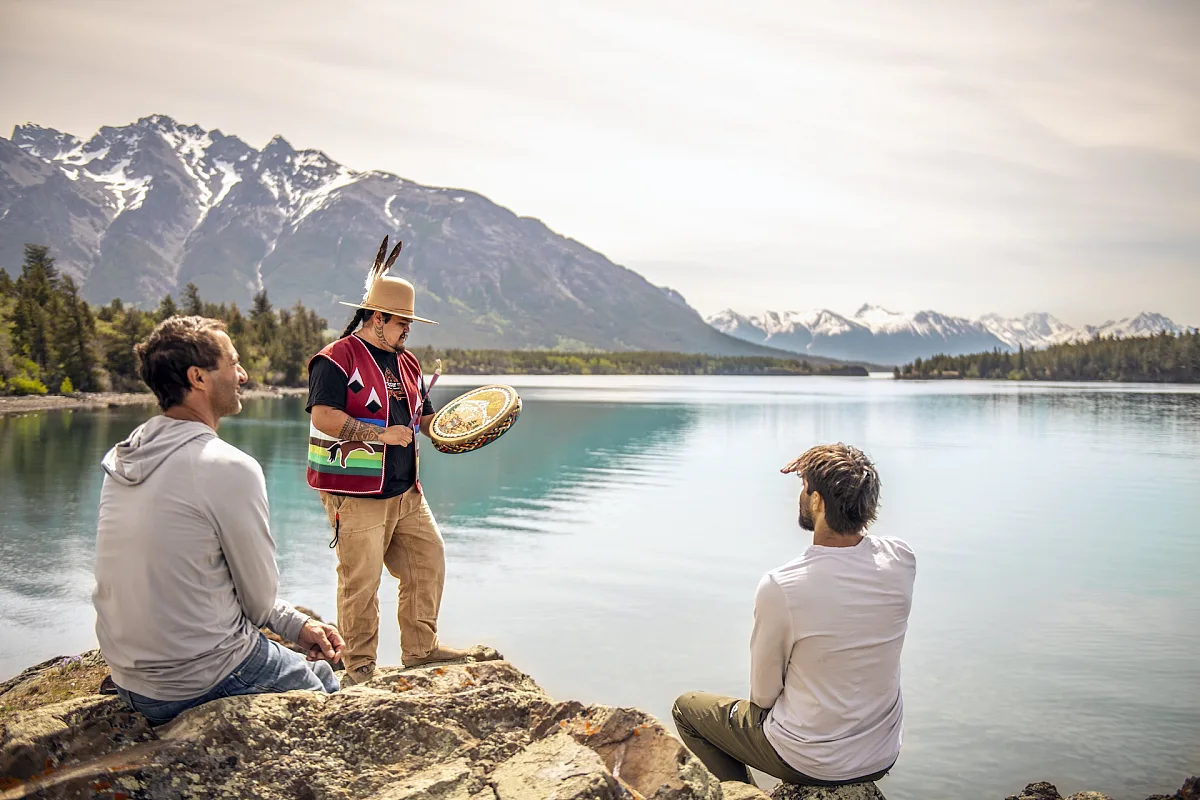 Chilko Lake in Ts’ilʔos Provincial Park | Kari Medig
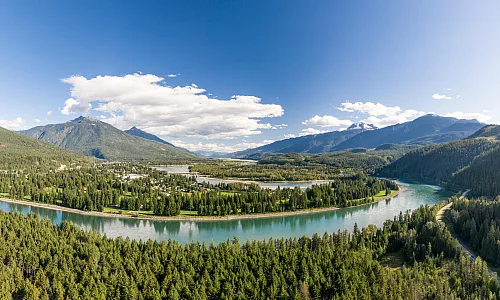
 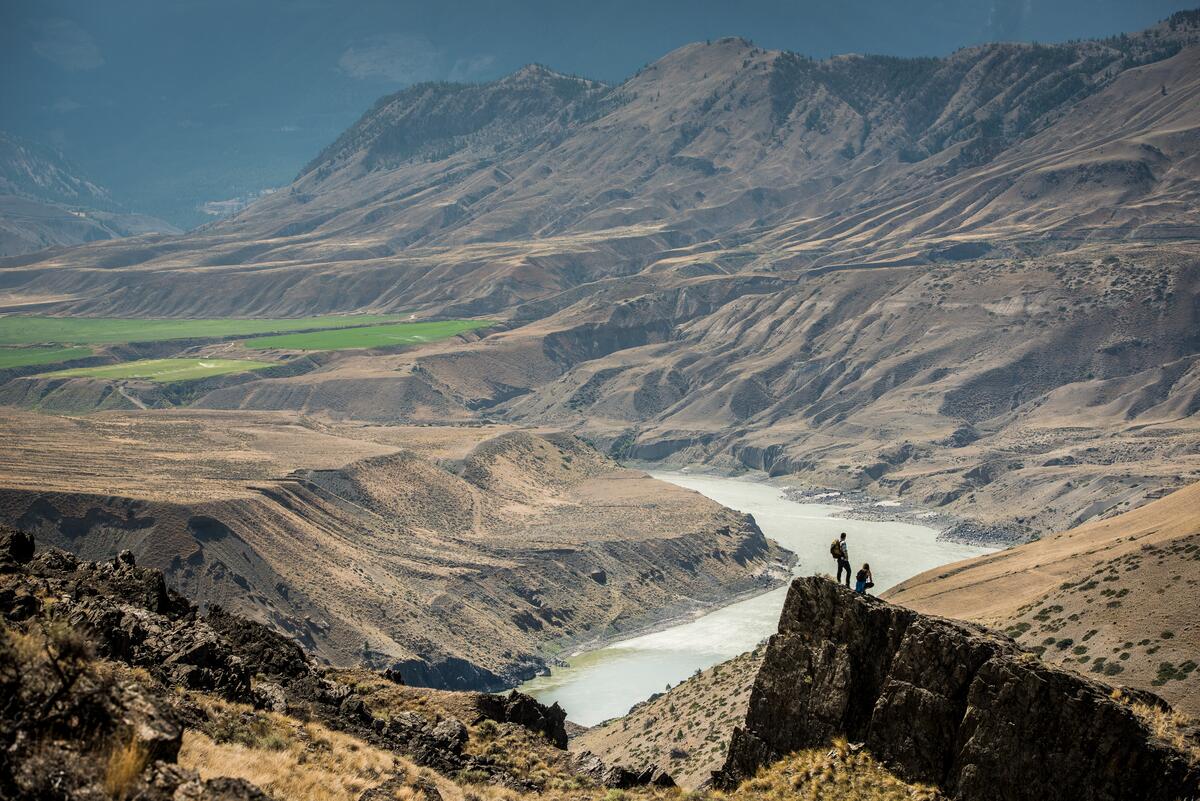 Fraser River, near Jesmond | Blake Jorgenson
 Travel Responsibly
This area is home to more than 40 First Nations, including the Dakelh, Tsilhqot’in, Secwépemc, Nlaka’pamux, St’át’imc, Stó’lō, and Syilx Nations. Respect the land and take the time to learn about their distinct cultures, perspectives, and ways of life.
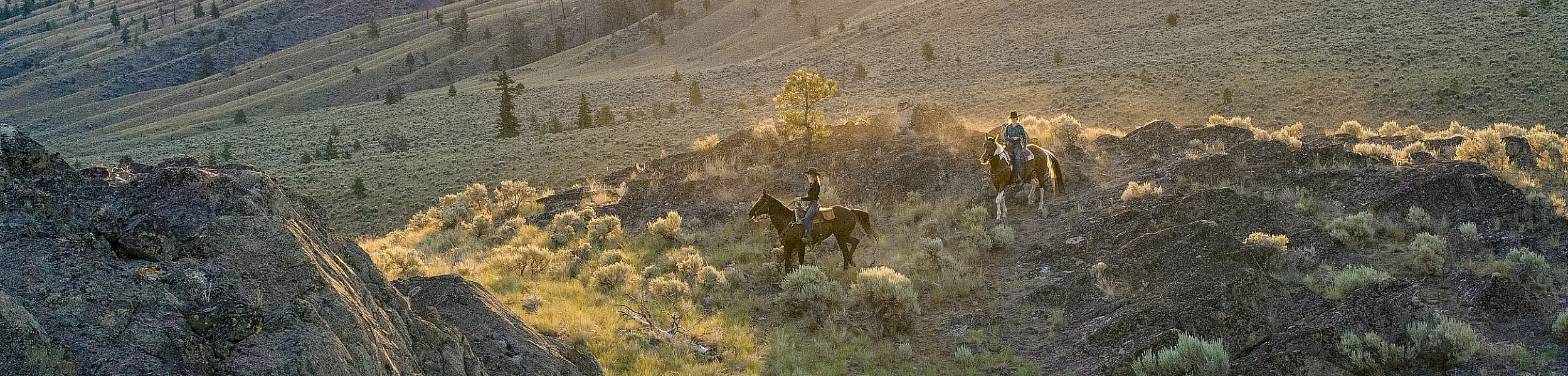 Two people on horseback riding through the hills near Sundance Guest Ranch.