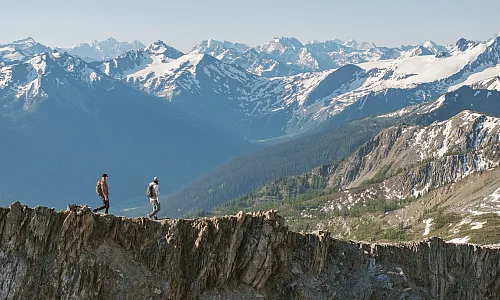
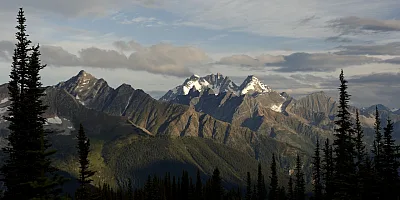
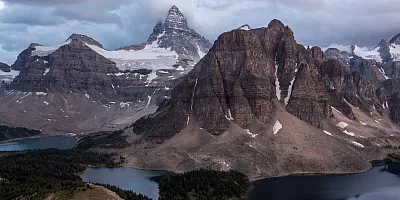
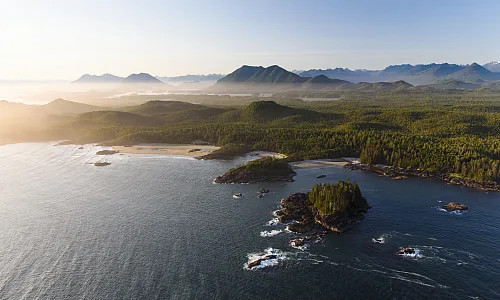
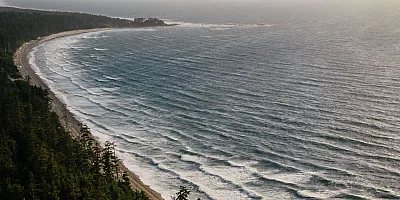
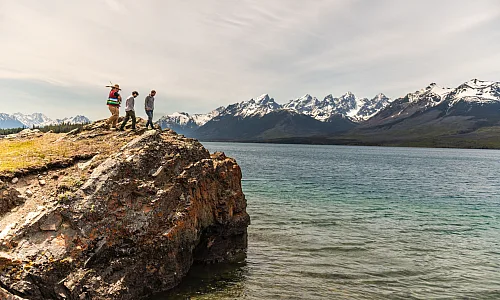

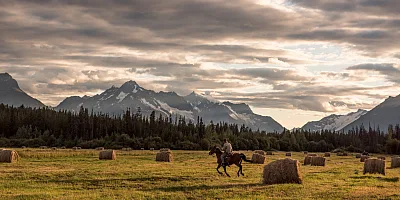
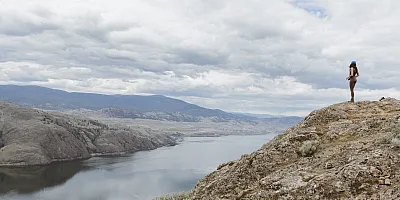
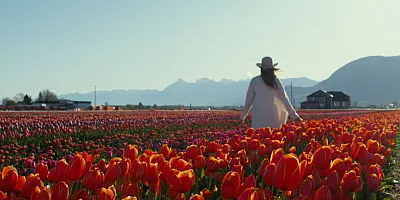
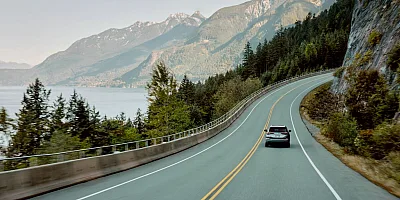
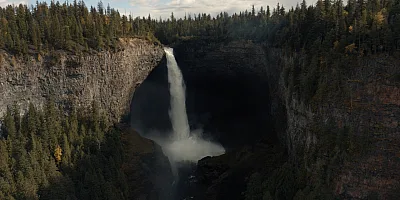
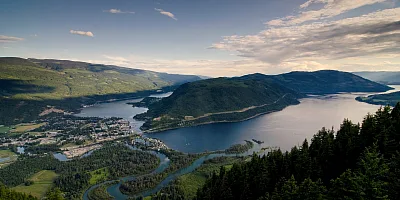
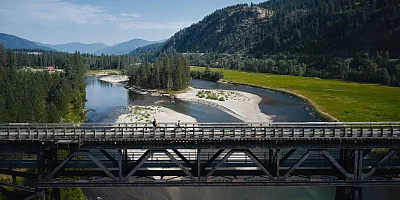
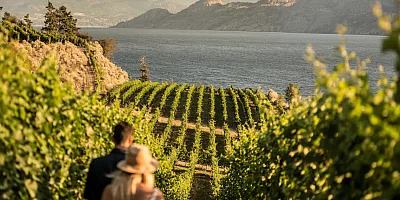
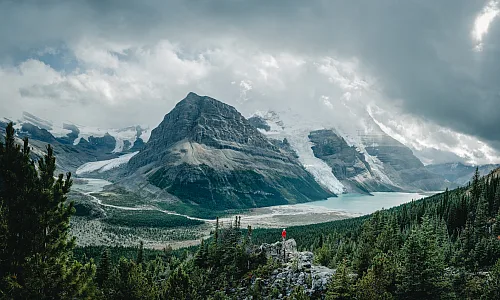
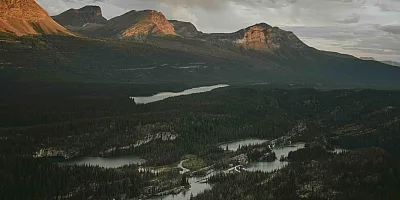
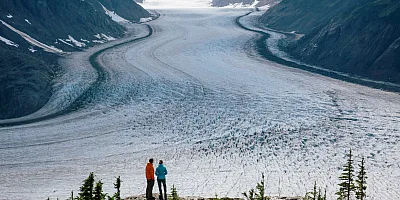
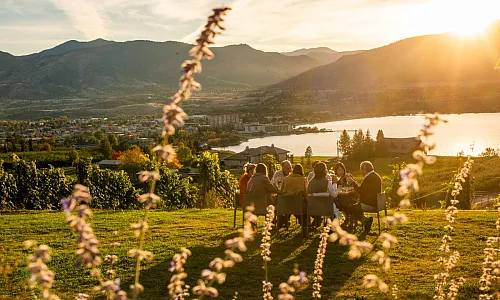
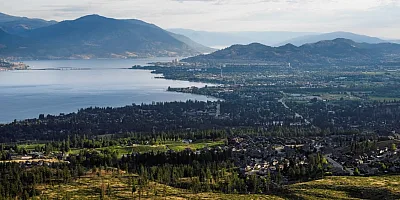
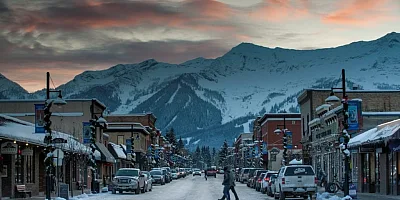
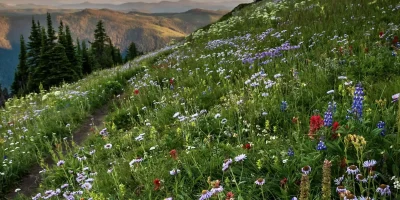
Uncover remarkable landscapes and cultural connections on Rainforest to Rockies, the iconic journey from Vancouver to the Canadian Rockies.

Dynamic Landscapes by Road, Rail, or Trail
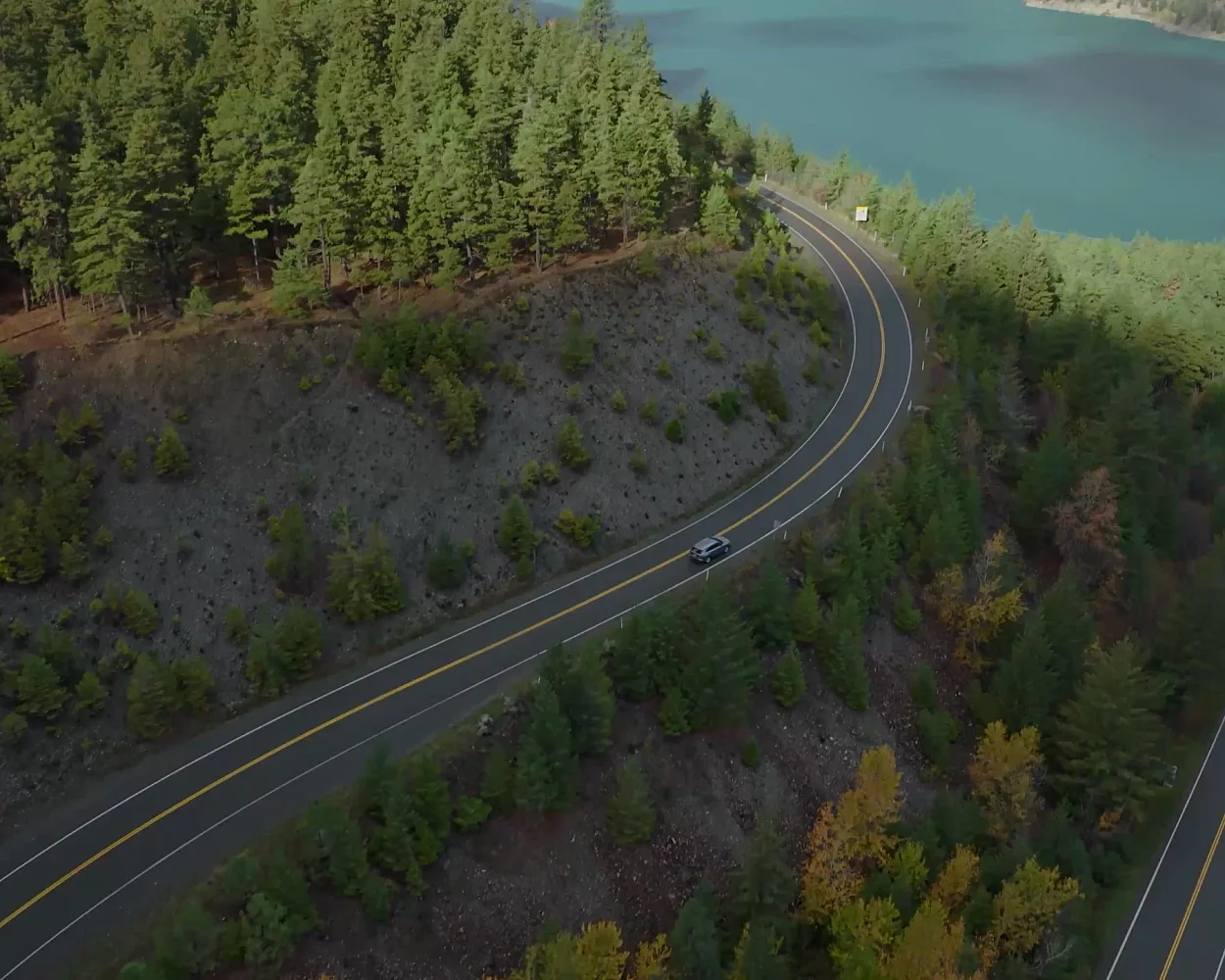
Bookended by the Pacific coastline to the west and the tallest peak in the Canadian Rockies in the east, Rainforest to Rockies is a series of routes that snake through the heart of British Columbia. From shoreline to rainforest, and grassland to glacier, the journey east is one of ever-changing landscapes.
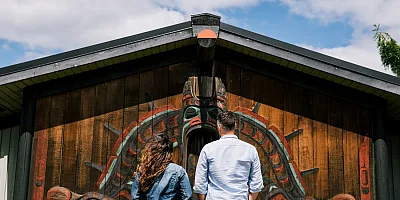
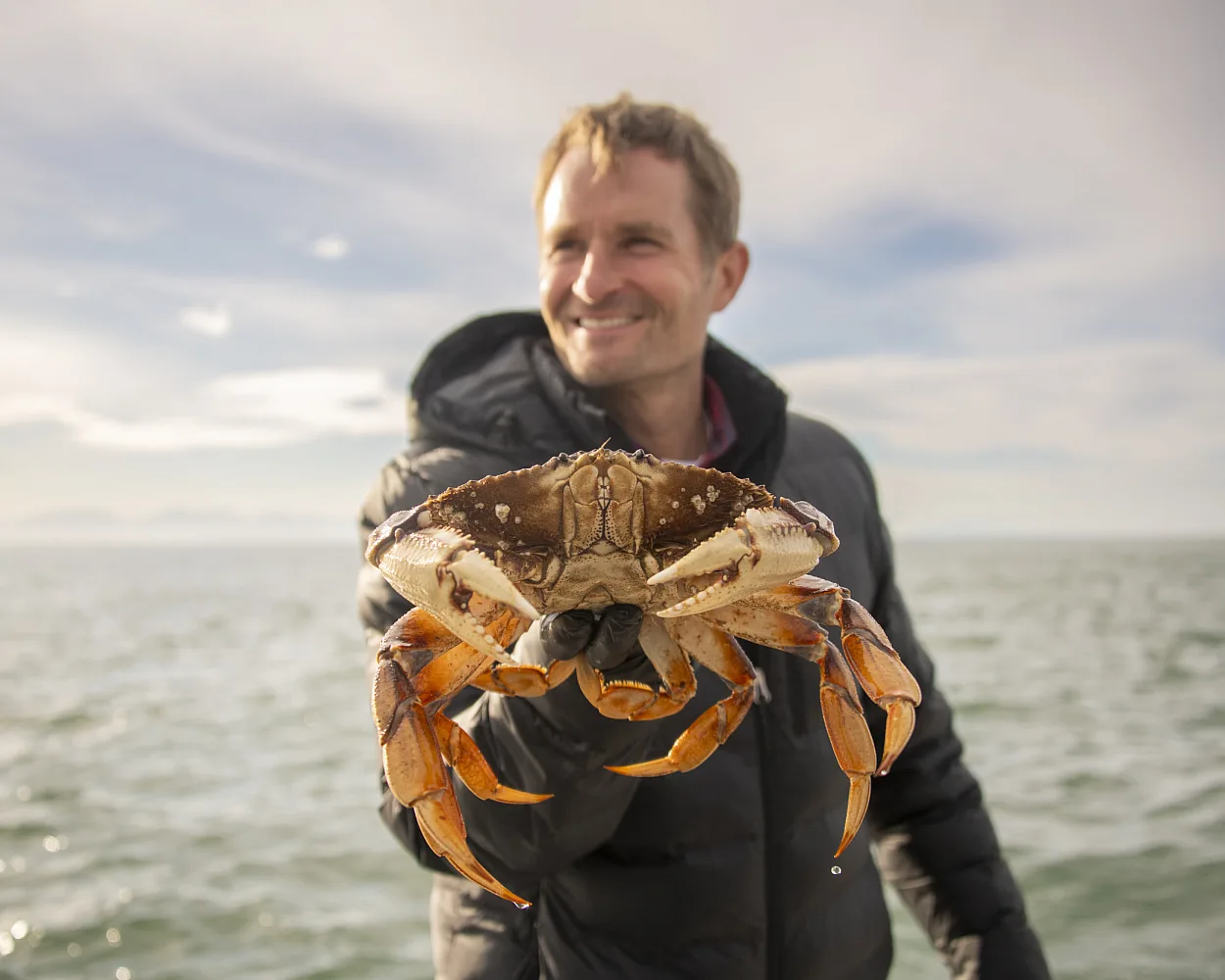
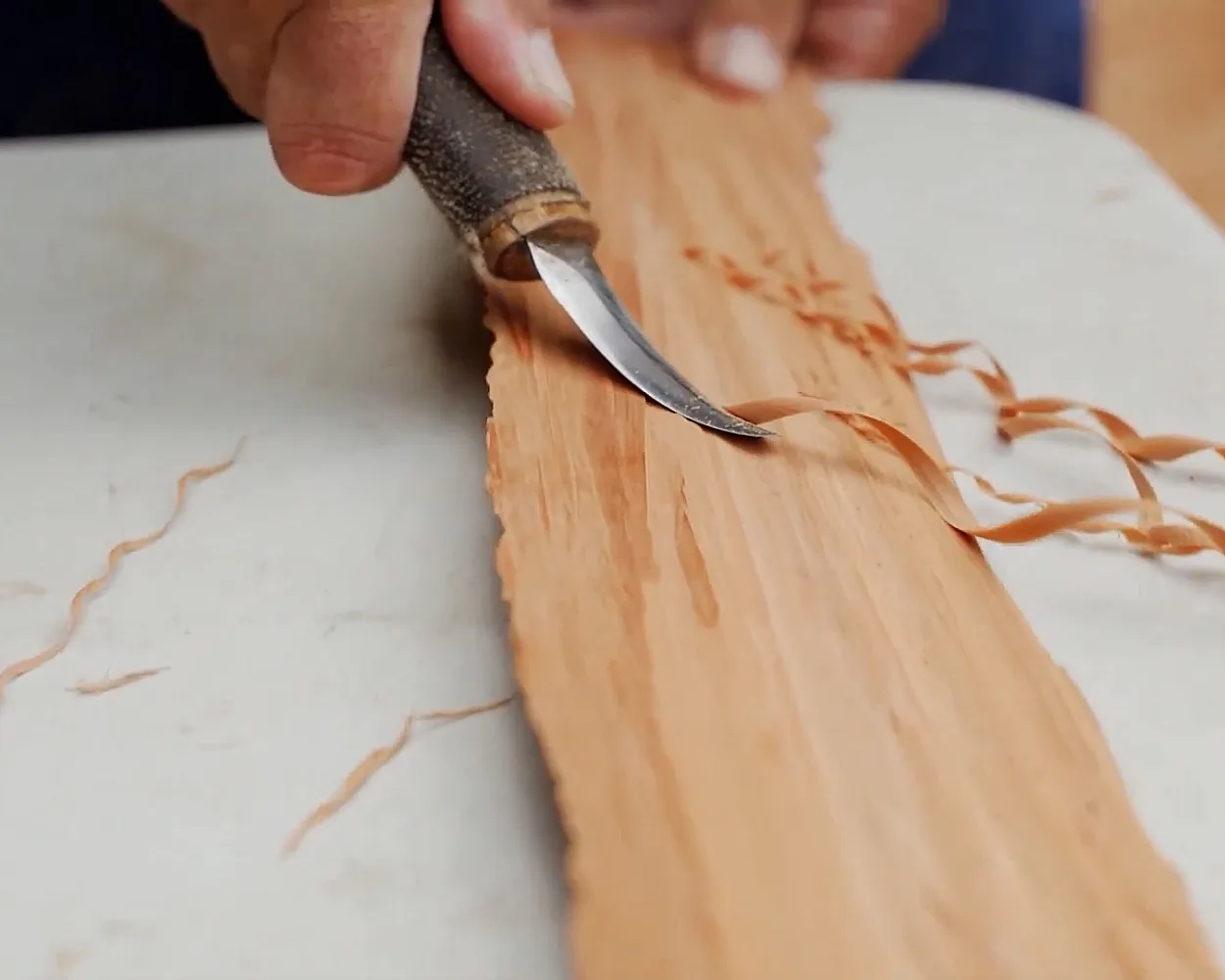
These inspiring lands are a backdrop to small communities steeped in First Nations cultures, local traditions, homegrown food, and plentiful outdoor activities. Choose your own adventure and uncover a deeper connection to people and place.

Travel Ideas
Choose Your Route
Go at your own pace, winding through charming communities as the landscape shifts from rainforest to grasslands to towering peaks. These itineraries bring you to must-do detours, roadside attractions, and outdoor activities.
Multi-day getaways that begin in Vancouver
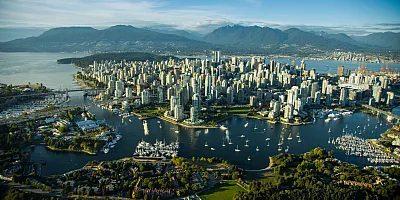
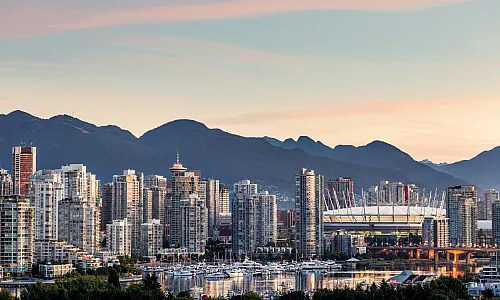
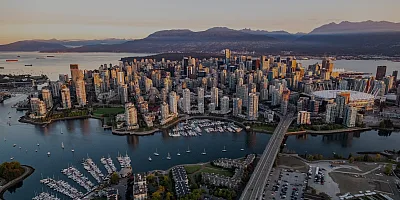
Learn about some of the destinations close to the city that you can experience during a trip to Vancouver. Downtown Vancouver | Destination Vancouver/Albert Normandin
North to Mount Robson
7-10 Days709 km | 440 miFind adventure as you travel from Vancouver and the Pacific Ocean to Mount Robson, the Canadian Rockies’ highest peak. Emperor Falls in Mount Robson Provincial Park | Brayden Hall
Crowsnest Highway 3 to the Canadian Rockies
7-10 Days1035 km | 643 miThis epic journey from Vancouver to Fernie via Crowsnest Highway reveals spectacular BC scenery and memorable detours for culture buffs and foodies. Touring Highway 3 at the city of Castlegar.
The Signature Circle Route
7-10 Days2195 km | 1363 miTake your time and experience BC’s natural grandeur between sea and sky. Travel through ever-changing landscapes on an extraordinary signature circle route. Mount Robson Provincial Park | Megan McLellan
Coast Mountain Circle Route
4-6 Days695 km | 431 miWitness the powerful effects of nature on this picturesque route through diverse mountain landscapes, starting and ending in Vancouver. High Note Trail, Whistler Mountain |
Blake Jorgenson
Rainforest to Rockies: To Gold Country and Back
4-6 Days828 km | 514 miUnearth the local treasures of Gold Country on a unique circle route made for culture buffs and outdoor adventurers alike.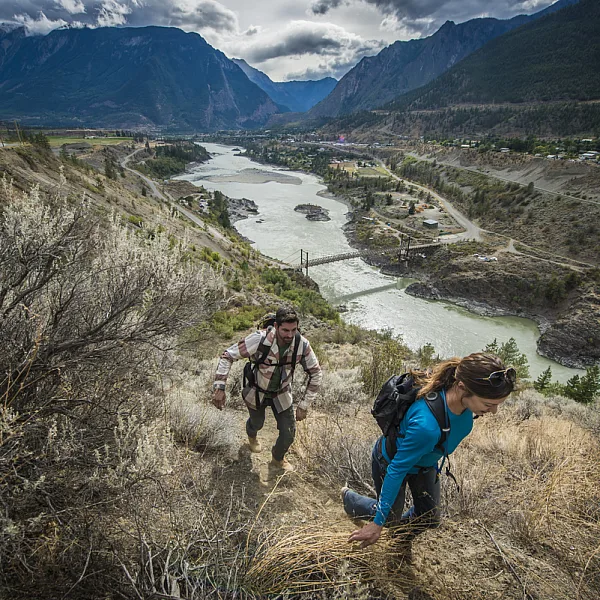 Hiking up the river banks of the Fraser River in Lillooet
Rainforest to Rockies: The Columbia Valley
4-6 Days1155 km | 717 miA magnificent route through the Columbia Valley and the Canadian Rockies offering towering mountain peaks and the natural wonders of British Columbia.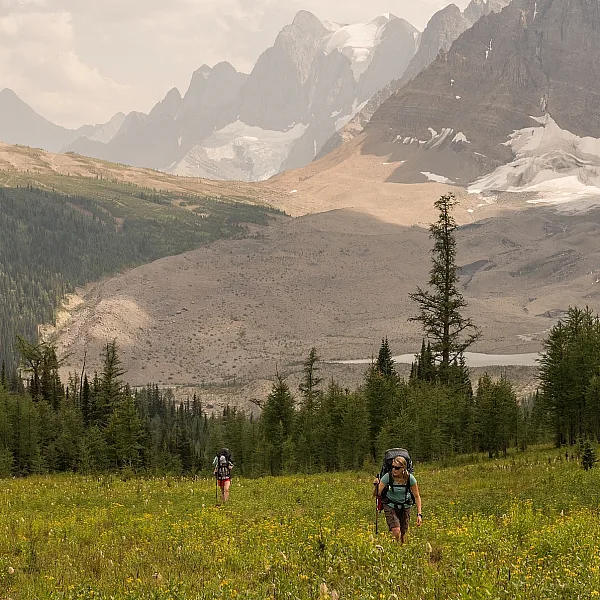 Rockwall Trail in Kootenay National Park | Kari Medig
Rainforest to Rockies: Land of Hidden Waters
4-6 Days708 km | 439 miHead north to the Canadian Rockies' highest peak on this revealing journey through hidden waters, historic trails, and some of the best fishing lakes in BC.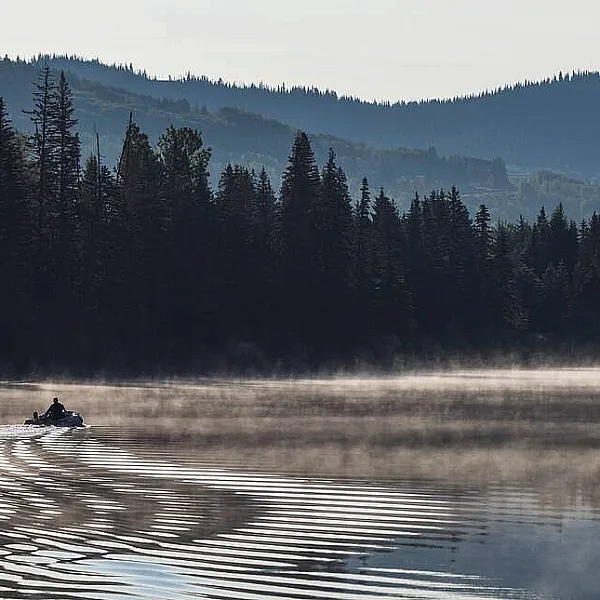 Heading out fishing on a misty morning on Lac des Roches | Andrew Strain
The other side of Pemberton: A two-day trip along Rainforest to Rockies
Adventure beyond Whistler on a two-day summer road trip to Pemberton, British Columbia.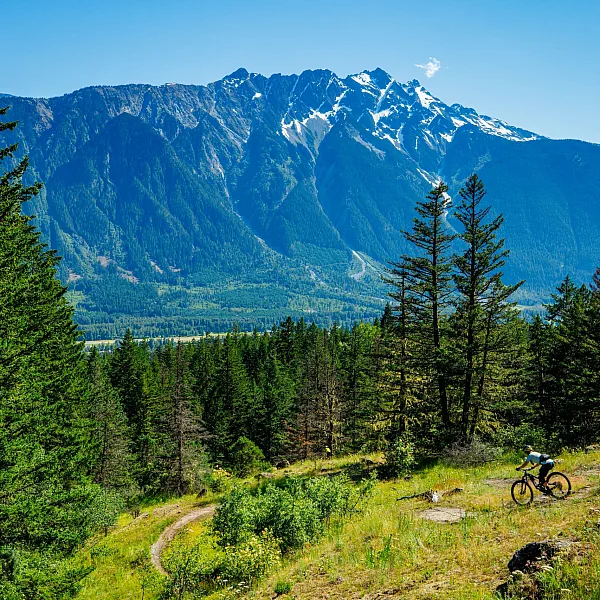 Credit: Tourism Pemberton | Craig Barker
Trans Canada Trail and Kettle Valley Rail Trail
Embark on a panoramic and multi-modal biking, hiking, and ferry adventure on the Kettle Valley Rail Trail along the Trans Canada Trail. Kettle Valley Railway | Kari Medig
6 short road trips from Vancouver
Here are six short road trips from Vancouver that can be done on a single tank of gas. Squamish, Pemberton, Bowen Island, Fraser Canyon, Hwy 7, Fraser Valley. Sea to Sky | Destination British Columbia
Slow your roll along the Trans-Canada
Feast on the views at these delicious pit-stops.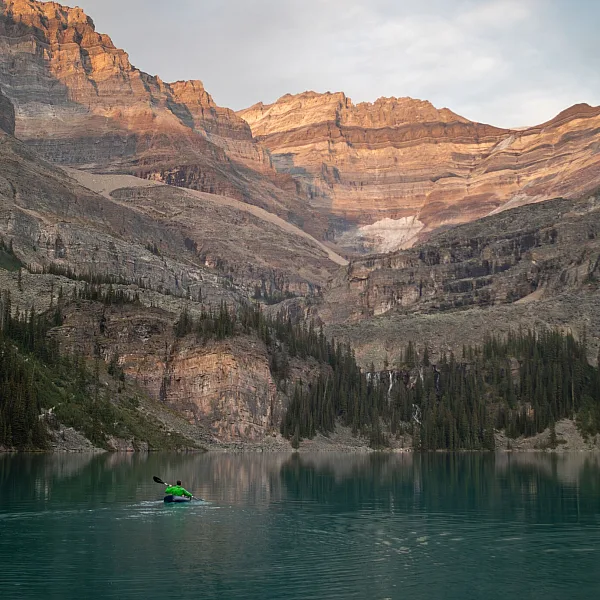 Kayaker paddling on Lake O'Hara near dusk.
Note: The kayaker is wearing a waist PFD.
 Vancouver
BC’s largest city, perfect for outdoor pursuits and cosmopolitan adventures.
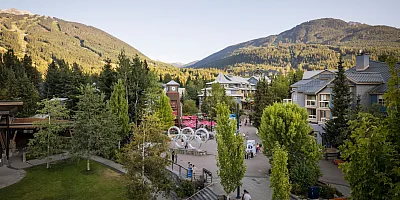
 Whistler
Home to North America’s largest ski resort and a year-round mountain playground.
 Credit: Tourism Hope Cascades & Canyons | Connect Media
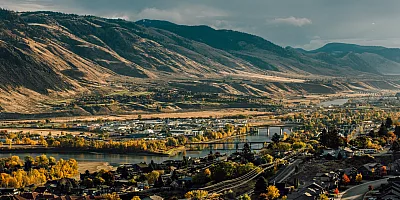
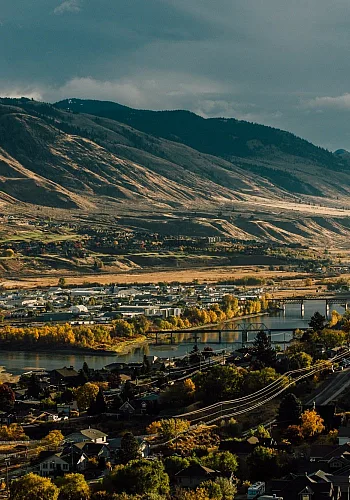 Kamloops
A rugged city along the North and South Thompson rivers marked by dramatic desert landscapes and rugged adventure.
 Tourism Wells Gray | @laylarundle Clearwater
The “Gateway to Wells Grey Park” is a bustling small town with a big heart.
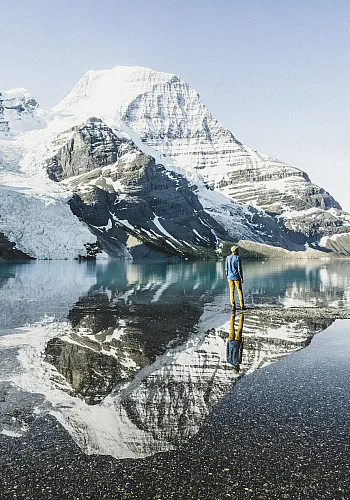 Mount Robson Provincial Park | Megan McLellan Mount Robson
Explore the Berg Lake Trail and the tallest peak in the Canadian Rockies.
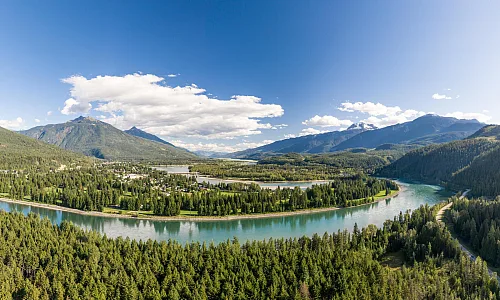
 Revelstoke
A year-round haven for outdoor enthusiasts, where nature meets small town charm.
 Credit: Kootenay Rockies Tourism | Mitch Winton Golden
Located at the heart of six national parks, this charming mountain town is home to serious alpinists, great food, and diverse wildlife.
 Nk'Mip Desert Cultural Centre | Hubert Kang Osoyoos
Indigenous cultural experiences, wineries, warm lakes, and a desert landscape.
 Castlegar
A mountain community with deep cultural heritage, a thriving art scene, and outdoor adventures for all.
 Cranbrook | Kari Medig Cranbrook
A base camp to the Kootenay Rockies, the small mountain community is at the intersection of culture and outdoor recreation.
 Fernie
This vibrant and cultured Kootenay community embraces art, cuisine, and a thirst for outdoor activities.

Rainforest to Rockies
Rainforest to Rockies
Practical tips
- The best part about driving Rainforest to Rockies from Vancouver to the Canadian Rockies is there are many routes to choose from. Here are the three main road trips from Vancouver to the Rockies:
- Trans-Canada Highway (Highway 1) - The most popular and direct route through the southern Interior of BC to the spectacular Yoho National Park.
- Crowsnest Highway (Highway 3) - A scenic southern route that winds through small towns to Fernie, with food, wine, and culture on the itinerary.
- Sea-to-Sky Highway (Highway 99), Highway 5, and Highway 16 - A spectacular northern route that travels through Whistler and then east toward Mount Robson, the highest peak in the Canadian Rockies.
- It takes about 10 hours to drive non-stop, but we suggest breaking the trip into smaller legs. Plan for anywhere between a minimum of four days, depending on which route you take and how much time you have. The Trans-Canada, Crowsnest Highway, and Sea-to-Sky Highway routes can all be broken into several shorter days of driving with many interesting stops for nature, culture, and culinary experiences.
- Three major driving routes bring you through diverse landscapes that travel from rainforest to interior plateau to the Canadian Rockies. Check out these itineraries for ideas: Trans-Canada Highway 1, Crowsnest Highway 3, and Sea-to-Sky Highway north to Mount Robson. Along each route, take in Indigenous experiences, heritage sites, parks and trails, and major attractions like the Hell’s Gate Airtram near Boston Bar, The Pipe Mountain Coaster in Revelstoke, and the Golden Skybridge. Each route travels through BC wine country in the Thompson, Okanagan, and Similkameen Valleys.
- Yes, you can drive Rainforest to Rockies as a loop by linking several routes together with the Signature Circle Route, which starts and finishes in Vancouver and covers 2,195 km (1,363 miles) over a suggested seven to 10 days.
- With experiences in all seasons, you can travel Rainforest to Rockies year round. Late spring and early fall see fewer visitors, though it is likely you’ll see snow at higher elevations and potentially on mountain highways. Spring brings rushing waterfalls and great whitewater rafting. Autumn is perfect for cooler days, fall harvests, vibrant foliage, and the unforgettable spectacle of the salmon run. Though it is the busiest season, summer is the best time for alpine hiking.
- Yes, you can travel Rainforest to Rockies by train on the Rocky Mountaineer or VIA Rail, which offer several breathtaking routes between Vancouver and the Canadian Rockies.
- Before you travel from the Rainforest to Rockies, it’s important to plan ahead for transportation, accommodation, park access, and attractions. Book your rental car in advance and ensure your vehicle has winter tires if you’re driving between October 1 and April 30. Some BC Parks and Parks Canada national parks also require permits for camping and access. Book major attractions like museums, mountain coasters, suspension bridges, and ziplines in advance to secure your spot.
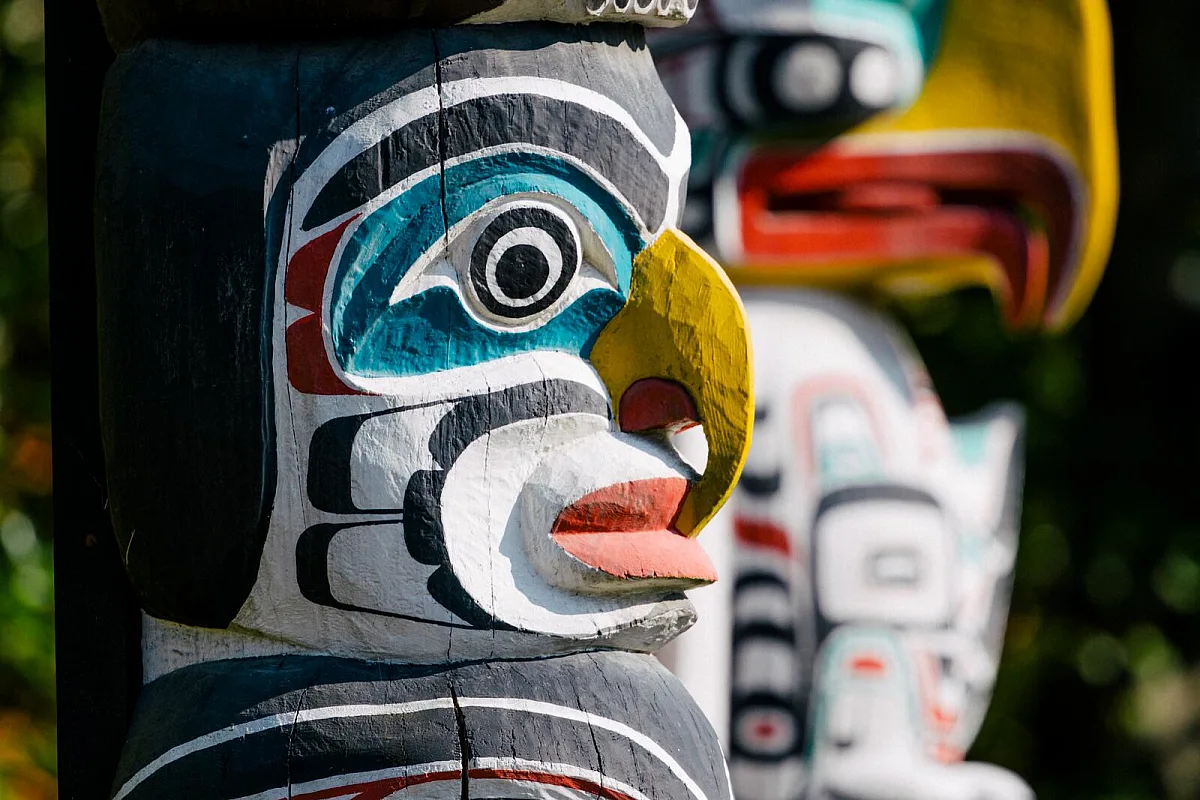
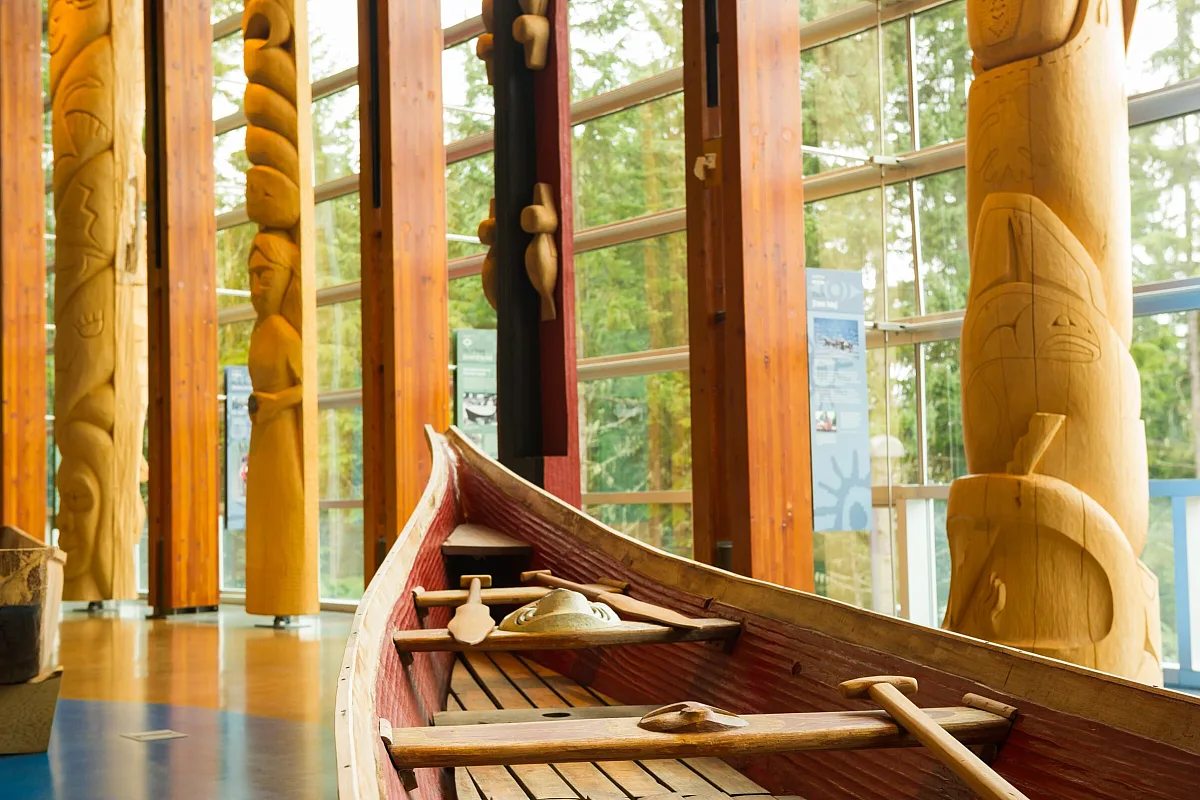
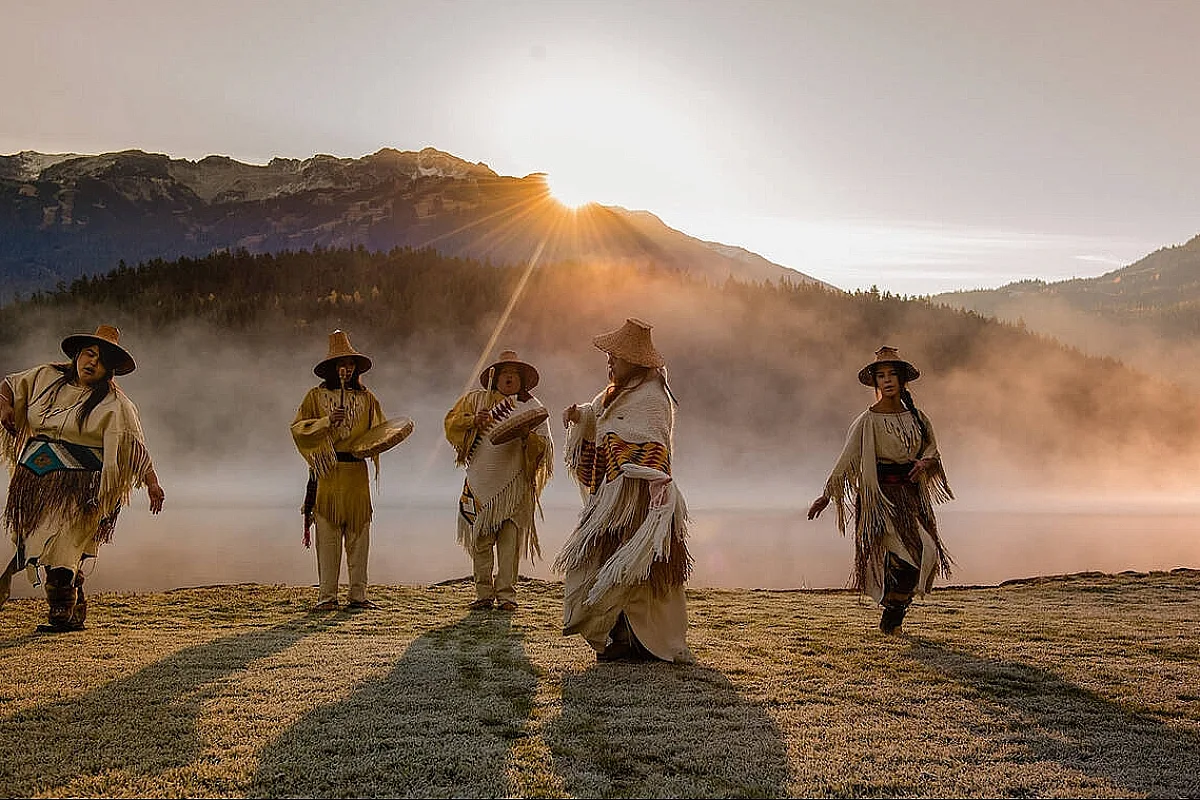 Squamish Lil'wat Cultural Centre | Squamish Lil'wat Cultural Centre/Logan Swayze
Travel Responsibly
These remarkable lands and waters are located on the territories of many diverse First Nations. As you journey, take the time to connect with their living cultures and travel respectfully.
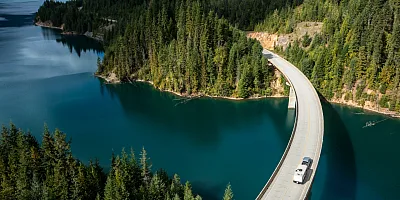
 RV travelling on Duffey Lake Road section of forested highway near Pemberton.