
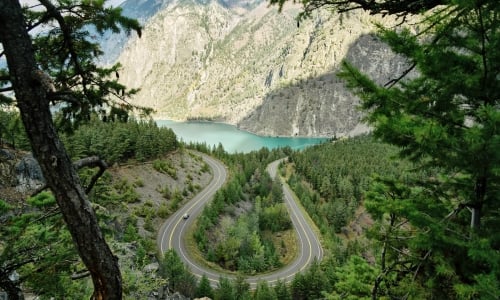

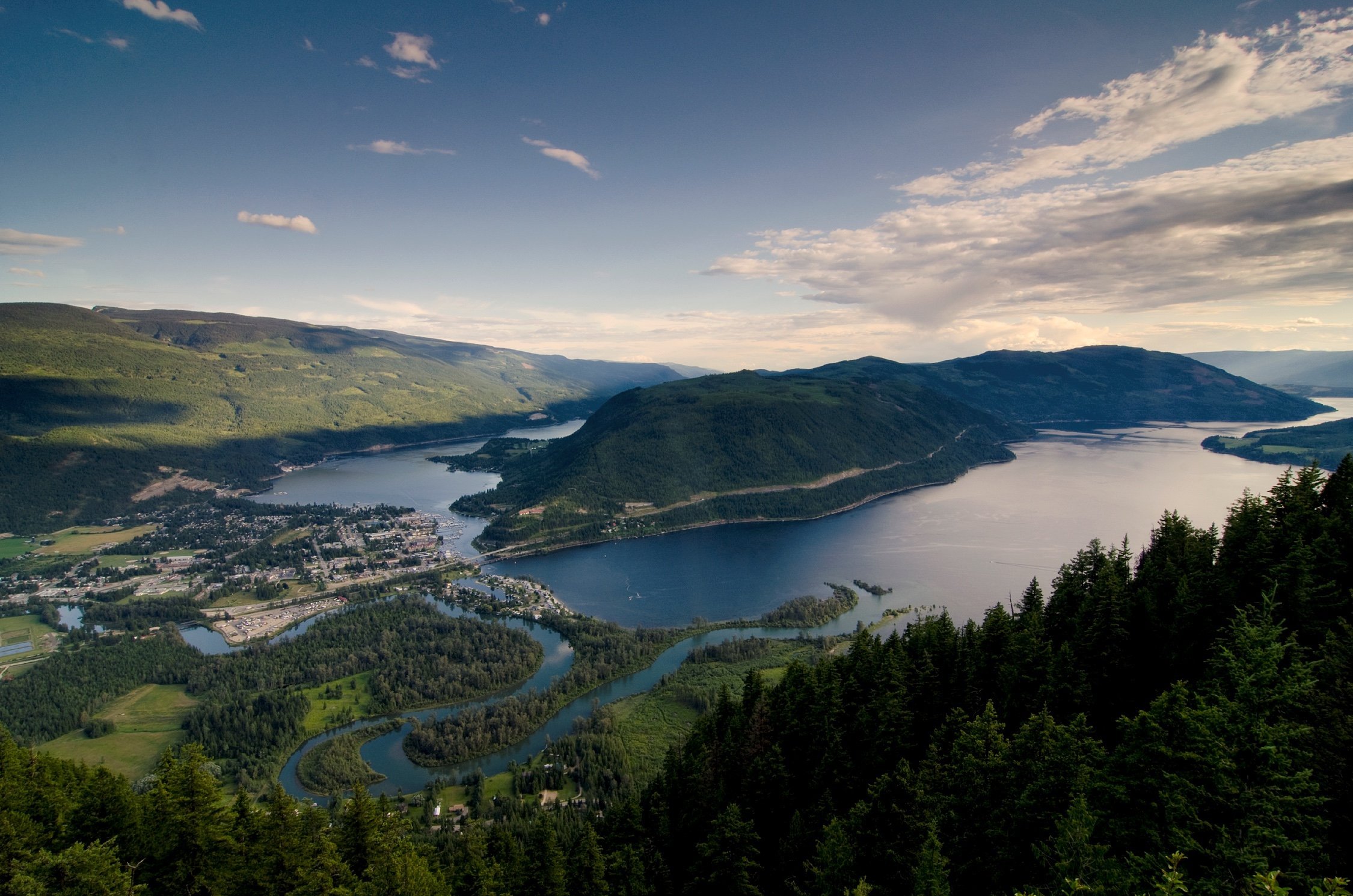
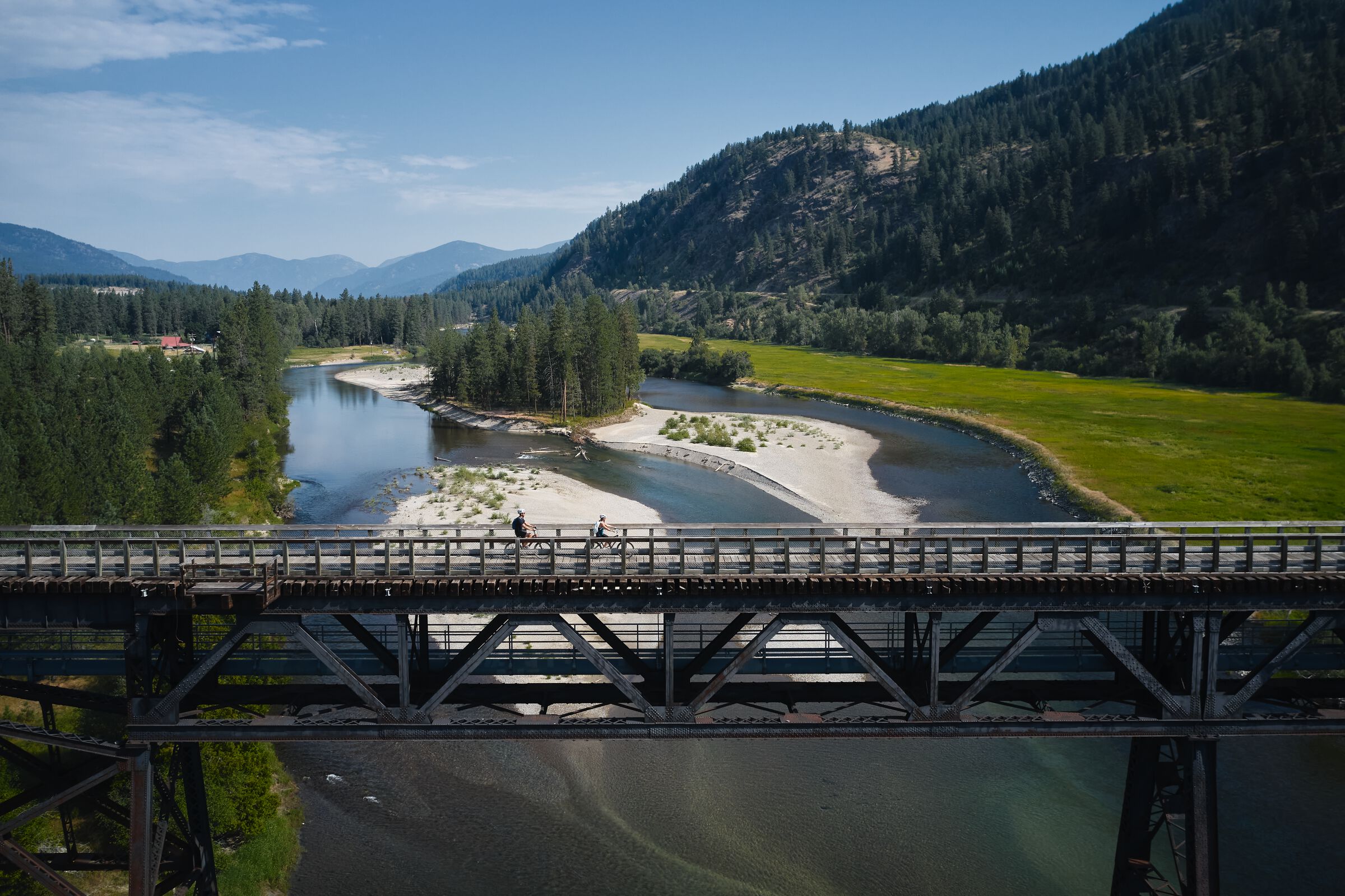
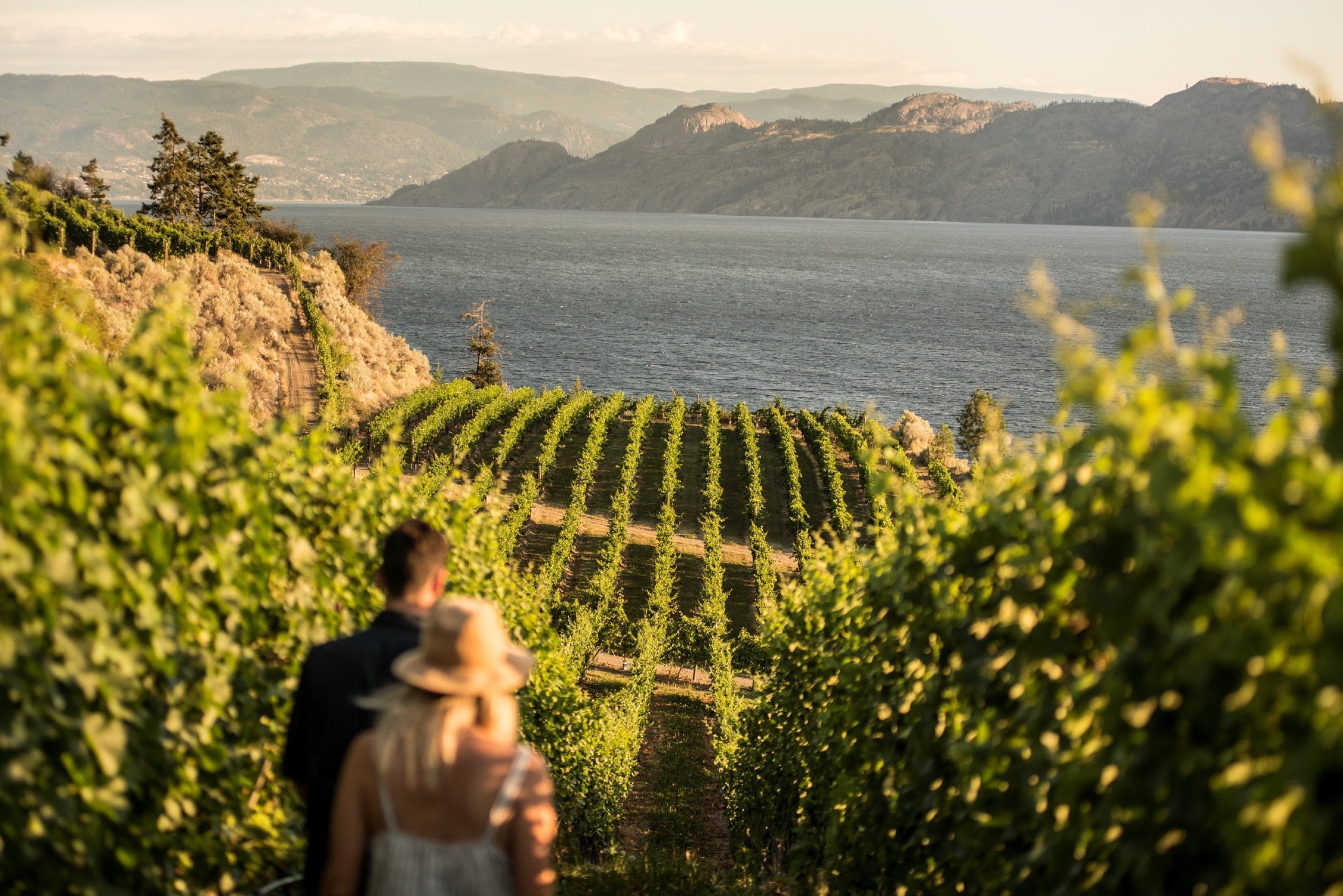
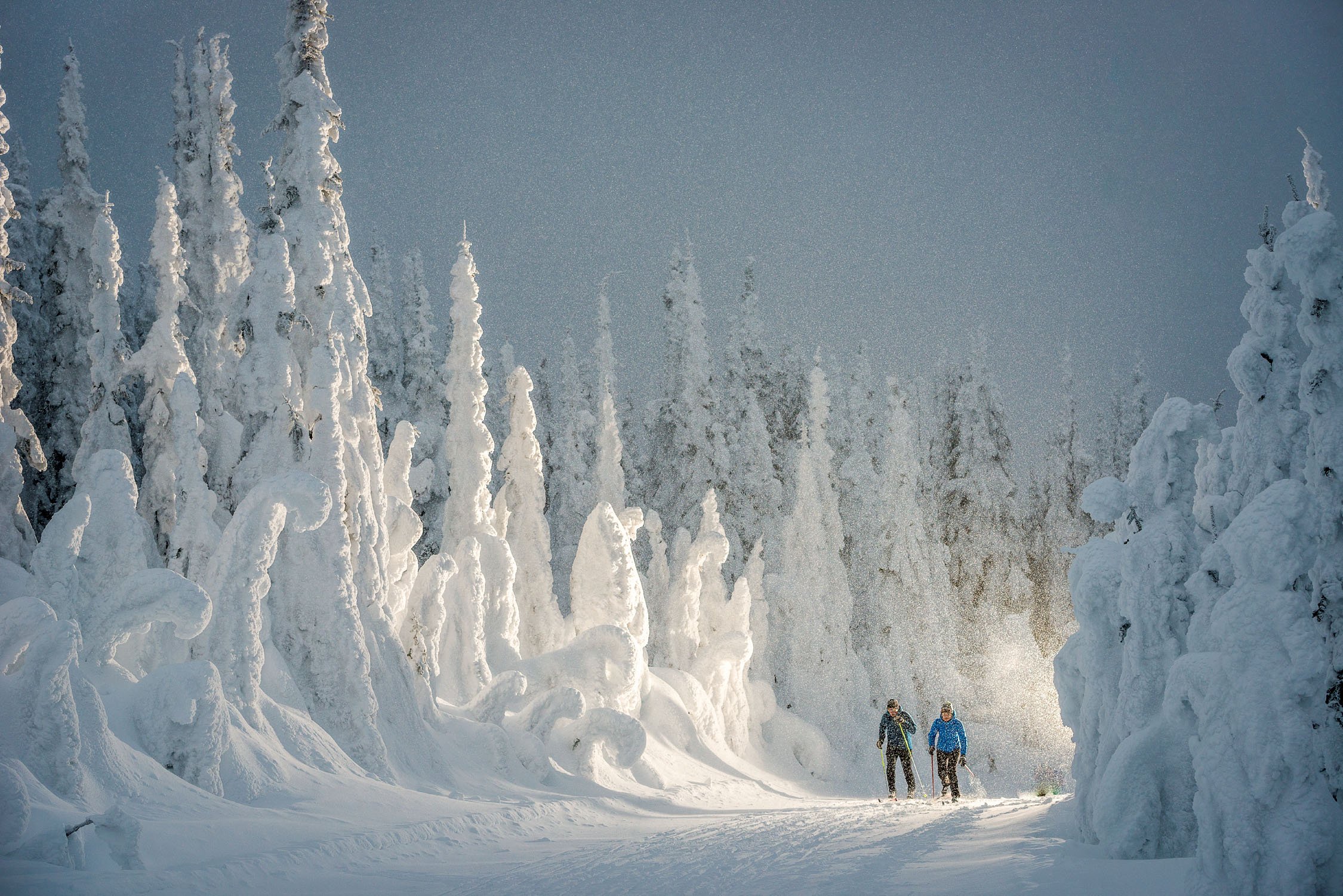
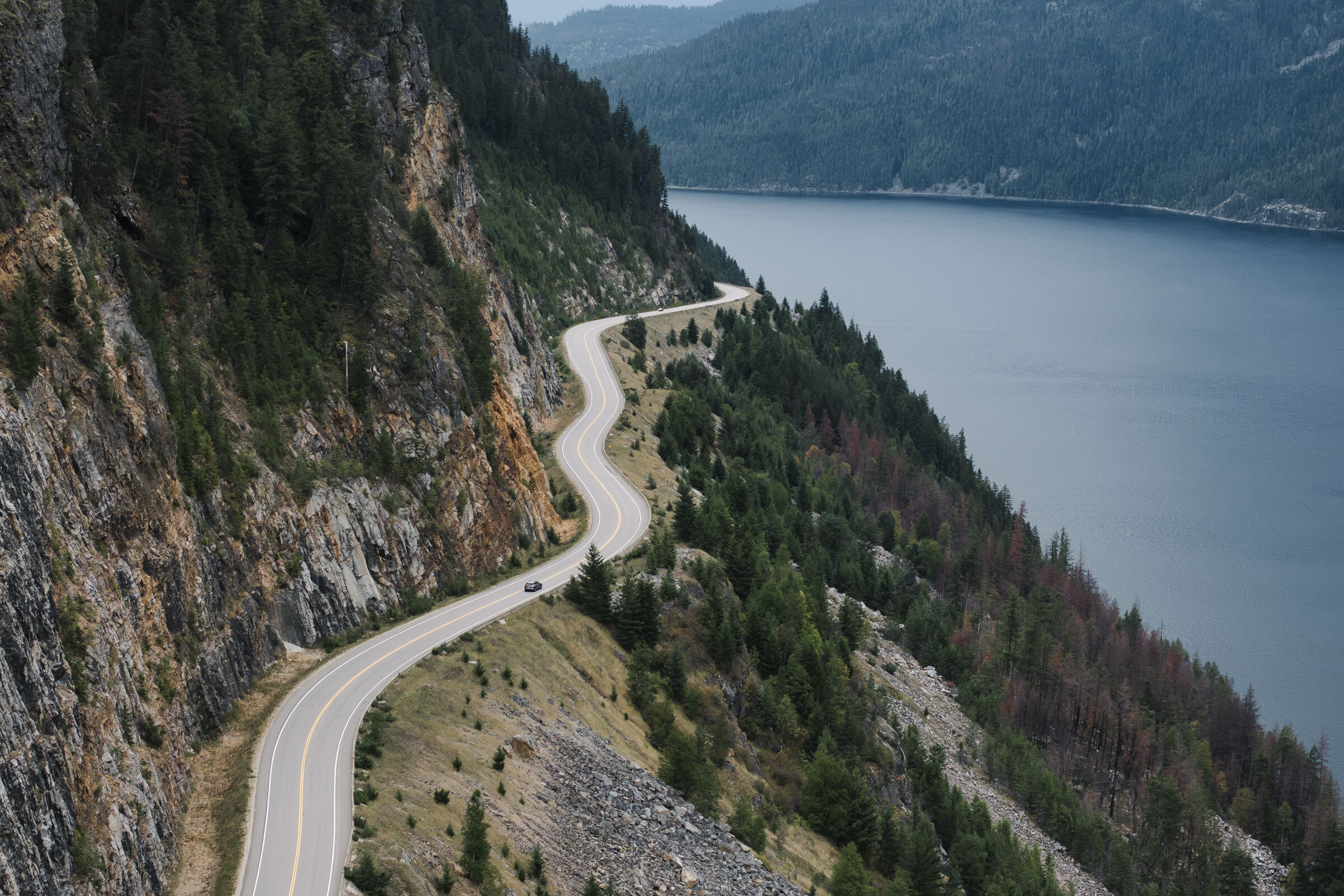
 Slocan Lake | Kootenay Rockies Tourism/Mitch
Winton Slocan Lake | Kootenay Rockies Tourism/Mitch
Winton
Slocan Lake | Kootenay Rockies Tourism/Mitch
Winton Slocan Lake | Kootenay Rockies Tourism/Mitch
Winton Practical Tips
Know Before You Go
Key travel information to plan your BC vacation.
Travel Advisories
Stay informed about conditions that may impact your trip. Always monitor official information sources (detailed below) regularly, before and during your trip, to make informed travel decisions.
For a list of all current emergencies in BC, please click here.
Key Resources
- Follow @EmergencyInfoBC on X (Twitter) or visit https://www.emergencyinfobc.gov.bc.ca for official information on current alerts and/or evacuation orders, during emergencies in BC.
- When travelling in BC, visitors are encouraged to download and allow notifications from Alertable to get real-time updates for their area(s).
Flooding
Flooding can occur during season shifts in various areas of BC due to high temperatures and melting snow. Conditions can change rapidly across the province, so we encourage you to check the latest information before and during your trip. If you are currently visiting BC or planning a trip, you can find on-the-ground information and support by visiting or calling a Visitor Centre in the area you are travelling. For the latest flooding information, check Emergency Info BC for alerts and the River Forecast Centre for an interactive map with warnings and advisories.Wildfires
Wildfires can occur during sustained periods of hot, dry weather. Conditions can change rapidly across the province, so we encourage you to check the latest information before and during your trip. If you are currently visiting BC or planning a trip, you can find on-the-ground information and support by visiting or calling a Visitor Centre in the area you are travelling. Check Drive BC for information on road closures, the BC Wildfire Service for an interactive map, and Emergency Info BC for alerts. During your travels, make sure you follow the necessary protocols to prevent and report wildfires.- BC Wildfire Status
- Fire Bans and Restrictions
- Smoke conditions across the province can change hourly. Check the Air Quality Health Index for real-time updates from across BC.
- Report a wildfire by dialing *5555 on a cellphone or calling toll-free: 1-800-663-5555.
Driving Conditions
Always check DriveBC before heading out on the road to learn about the current conditions along your planned route, including webcams, closures, construction delays, or detours. Please visit Emergency Info BC for updated details on emergencies including evacuation orders and alerts. Between October 1 and April 30, many BC highways require winter tires.- Find all you need to know about travelling with BC Ferries at bcferries.com. Reservations are highly recommended. If you have questions about travel with BC Ferries, you can contact 1-888-BC Ferry, or www.bcferries.com/contact-us.
- Find everything you need to know regarding travelling on cruise ships including health protocols, boarding, and disembarkation here.
If you are a tourism industry partner seeking updates about emergency preparedness, please visit Destination BC’s corporate website.
Ready to start planning your trip to British Columbia?
The information on this page will help you get started.
Travelling to and within BC
- Canada Border Services Agency is the source for current information for visitors to British Columbia about required travel documents, restricted goods, travelling with children and pets, and more. For information about entering or reentering the United States, visit the U.S. Department of Homeland Security.
- There are many ways to travel to and within BC, including by air, rail, water, and road. To explore your options, please visit our Getting Here & Around page. Tip: DriveBC is an up-to-date resource to see if weather conditions have caused road closures anywhere in the province.
- Things to keep in mind if you are going to be driving in BC:
- Visitors who hold a valid foreign or out-of-province licence can drive for up to six months. Any restrictions on your licence apply here, too.
- Visit ICBC to get familiar with BC’s driving rules and regulations as well as insurance coverage for your vehicle.
- Consult DriveBC for up-to-date information about road conditions and closures.
- Plan ahead with BCAA’s Ultimate Guide to Safe Road-Tripping in BC, including helpful resources such as the BCAA vehicle checklist, how to pack for an emergency, and more.
- Highways outside of Metro Vancouver and southeast Vancouver Island require winter tires from October 1 to April 30. Visit Shift Into Winter for more information on winter driving in BC.
- Looking to chart a course for your western Canada adventure? Visit our Maps page to see where to find the best powder, where to pitch your tent, and where to hit the road.
- Credit cards (mainly Visa and MasterCard) are accepted by most businesses, but it’s a good idea to carry some Canadian cash. ATMs, located in banks and retail areas, dispense Canadian currency. A bank or currency exchange outlet can change your funds to Canadian dollars. Banks are generally open Monday to Friday, with some open on weekends. When booking accommodation or experiences online, be sure to clarify the currency being charged. Some online booking sites offer options. A federal goods and services tax (GST) of 5% and a provincial sales tax (PST) of 7% are applicable to most purchased goods and services. A tip of 15-20% at bars and restaurants is customary. Tips are also given to tour guides, taxi drivers, and for spa treatments and haircuts. Porters at airports, railway stations, and hotels generally expect $1-2 per item of luggage. Currency Converter
- Canada uses the metric system. The following conversions may be useful: More Conversions
Travelling to and within BC
- Unter Canada Border Services Agency kannst du dich u.a. darüber informieren, welche Dokumente zur Einreise nötig sind, welche Waren nicht eingeführt werden dürfen, oder was beim Reisen mit Kindern und Tieren zu beachten ist.Vorab der Hinweis, dass Staatsbürger Visa befreiter Länder (darunter auch Deutschland, Österreich, Schweiz) eine elektronische Einreisegenehmigung (eTA) beantragen müssen, wenn sie per Flugzeug anreisen.Informationen zur Einreise in oder über die Vereinigten Staaten von Amerika findest du unter: U.S. Department of Homeland Security.
- There are many ways to travel to and within BC, including by air, rail, water, and road. To explore your options, please visit our Getting Here & Around page. Tip: DriveBC is an up-to-date resource to see if weather conditions have caused road closures anywhere in the province.
- Things to keep in mind if you are going to be driving in BC:
- Visitors who hold a valid foreign or out-of-province licence can drive for up to six months. Any restrictions on your licence apply here, too.
- Visit ICBC to get familiar with BC’s driving rules and regulations as well as insurance coverage for your vehicle.
- Consult DriveBC for up-to-date information about road conditions and closures.
- Plan ahead with BCAA’s Ultimate Guide to Safe Road-Tripping in BC, including helpful resources such as the BCAA vehicle checklist, how to pack for an emergency, and more.
- Highways outside of Metro Vancouver and southeast Vancouver Island require winter tires from October 1 to April 30. Visit Shift Into Winter for more information on winter driving in BC.
- Looking to chart a course for your western Canada adventure? Visit our Maps page to see where to find the best powder, where to pitch your tent, and where to hit the road.
- Credit cards (mainly Visa and MasterCard) are accepted by most businesses, but it’s a good idea to carry some Canadian cash. ATMs, located in banks and retail areas, dispense Canadian currency. A bank or currency exchange outlet can change your funds to Canadian dollars. Banks are generally open Monday to Friday, with some open on weekends. When booking accommodation or experiences online, be sure to clarify the currency being charged. Some online booking sites offer options. A federal goods and services tax (GST) of 5% and a provincial sales tax (PST) of 7% are applicable to most purchased goods and services. A tip of 15-20% at bars and restaurants is customary. Tips are also given to tour guides, taxi drivers, and for spa treatments and haircuts. Porters at airports, railway stations, and hotels generally expect $1-2 per item of luggage. Currency Converter
- Canada uses the metric system. The following conversions may be useful: More Conversions
Travelling to and within BC
- Mensaje del Gobierno de Canadá sobre los nuevos requisitos de viaje para ciudadanos mexicanos:El Gobierno de Canadá implementó cambios en los requisitos de entrada para las personas ciudadanas mexicanas.Los viajeros mexicanos pueden solicitar una nueva Autorización Electrónica de Viaje (eTA) únicamente si cumplen con las siguientes condiciones:
- Viajarán a Canadá por vía aérea, y
- Han obtenido una visa de visitante canadiense en los últimos 10 años, o
- Actualmente cuentan con una visa estadounidense de no inmigrante vigente.
Quienes no cumplan con estos requisitos deberán solicitar una visa de visitante para ingresar a Canadá. La solicitud puede realizarse en línea en Canada.ca/visit.Importante: La eTA solo es válida para viajes por avión. Las personas mexicanas necesitan una visa de visitante para entrar a Canadá por automóvil, autobús, tren o vía marítima (incluidos cruceros, incluso si no descienden del barco).Para obtener más información sobre estos cambios, consulte el sitio web oficial del Gobierno de Canadá. - There are many ways to travel to and within BC, including by air, rail, water, and road. To explore your options, please visit our Getting Here & Around page. Tip: DriveBC is an up-to-date resource to see if weather conditions have caused road closures anywhere in the province.
- Things to keep in mind if you are going to be driving in BC:
- Visitors who hold a valid foreign or out-of-province licence can drive for up to six months. Any restrictions on your licence apply here, too.
- Visit ICBC to get familiar with BC’s driving rules and regulations as well as insurance coverage for your vehicle.
- Consult DriveBC for up-to-date information about road conditions and closures.
- Plan ahead with BCAA’s Ultimate Guide to Safe Road-Tripping in BC, including helpful resources such as the BCAA vehicle checklist, how to pack for an emergency, and more.
- Highways outside of Metro Vancouver and southeast Vancouver Island require winter tires from October 1 to April 30. Visit Shift Into Winter for more information on winter driving in BC.
- Looking to chart a course for your western Canada adventure? Visit our Maps page to see where to find the best powder, where to pitch your tent, and where to hit the road.
- Credit cards (mainly Visa and MasterCard) are accepted by most businesses, but it’s a good idea to carry some Canadian cash. ATMs, located in banks and retail areas, dispense Canadian currency. A bank or currency exchange outlet can change your funds to Canadian dollars. Banks are generally open Monday to Friday, with some open on weekends. When booking accommodation or experiences online, be sure to clarify the currency being charged. Some online booking sites offer options. A federal goods and services tax (GST) of 5% and a provincial sales tax (PST) of 7% are applicable to most purchased goods and services. A tip of 15-20% at bars and restaurants is customary. Tips are also given to tour guides, taxi drivers, and for spa treatments and haircuts. Porters at airports, railway stations, and hotels generally expect $1-2 per item of luggage. Currency Converter
- Canada uses the metric system. The following conversions may be useful: More Conversions
Trip Planning Resources
- To find places to stay across BC—including hotels, B&Bs, and campgrounds—and to learn about attractions, guided tours, parks, and more, visit our Accommodation and Experience Providers page.
- To find a complete list of campgrounds and RV parks throughout British Columbia, visit Camping & RV in BC. Visit the BC Parks Reservations page for provincial campground bookings.
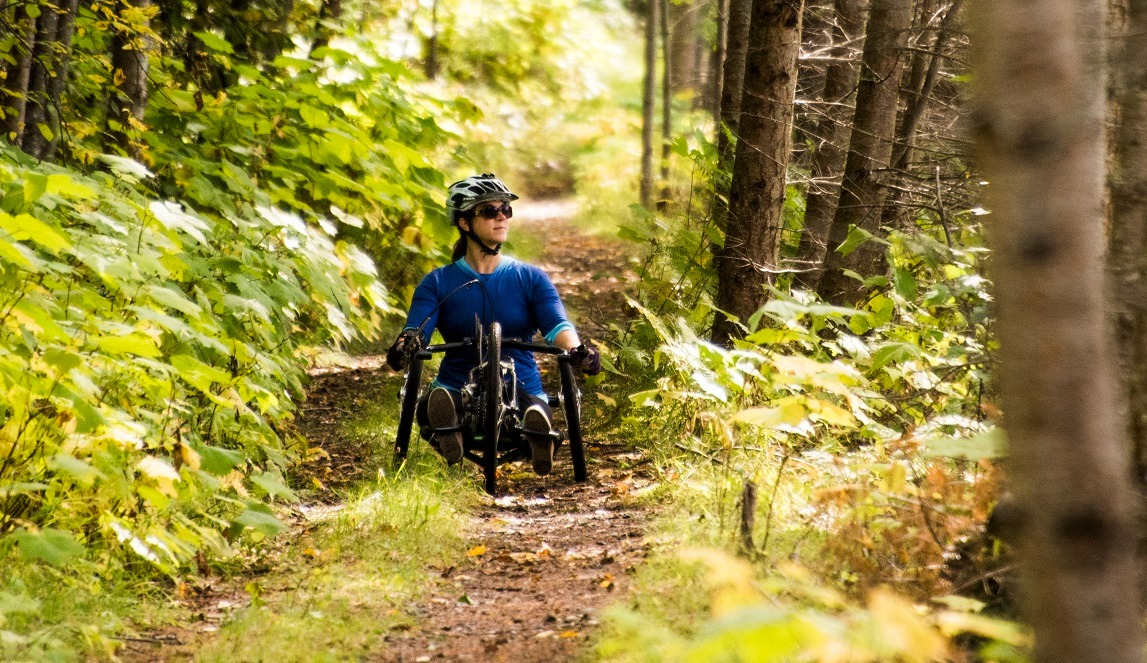
- BC strives to be an inclusive destination for people of all abilities. To learn more about accessibility in BC, please visit our Accessible Travel page. To better serve travellers with accessibility needs, tourism businesses featured on our website have the ability to self assess with respect to mobility, vision, hearing, cognitive, and general accessibility categories. Check individual Experience Provider and Accommodations listings for their accessibility details by selecting the “Accessibility” filters at the top of the page.
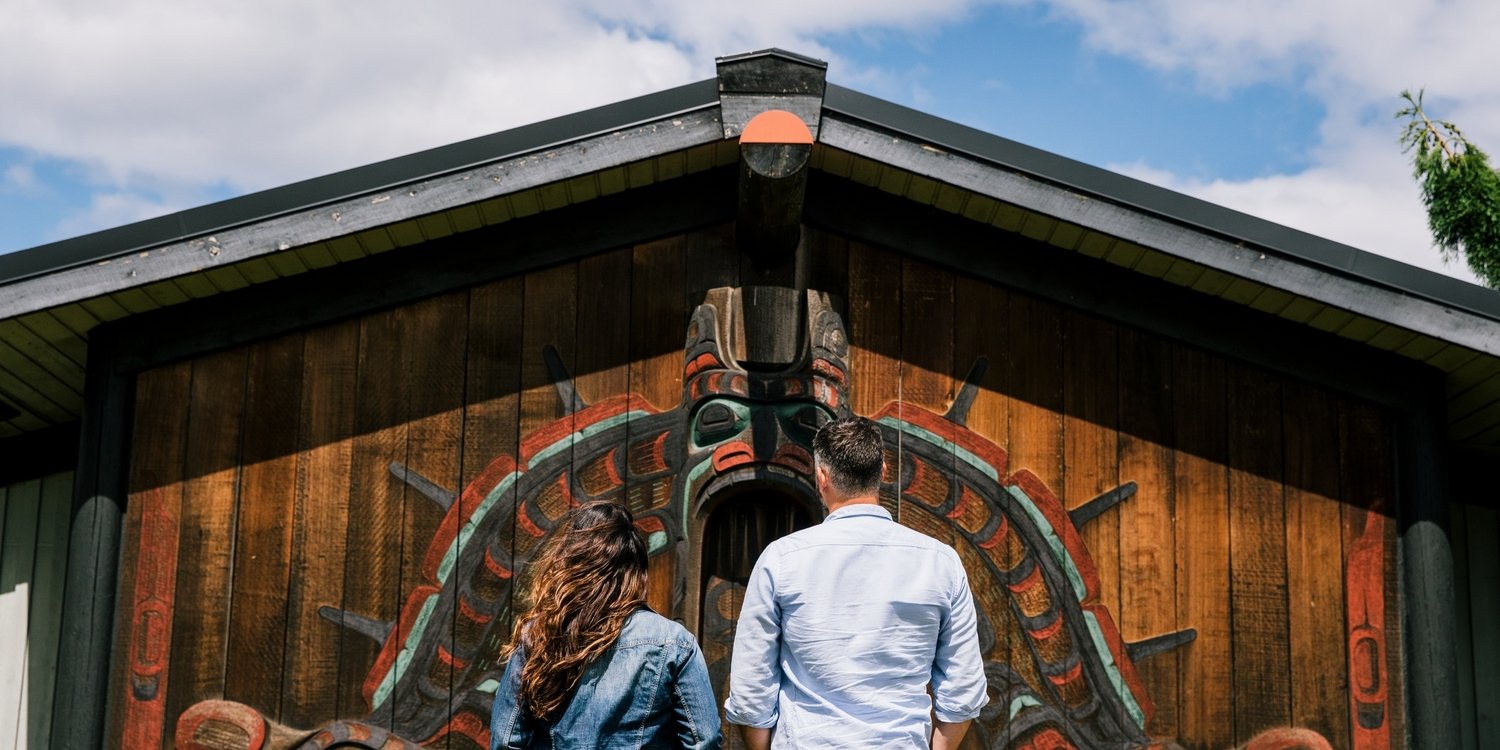
- There are more than 200 First Nations in what is now known as British Columbia. Many Nations welcome visitors, sharing their stories, artwork, and traditional knowledge. To travel with intent and experience these communities responsibly, here are some things to keep in mind:
- Come with a mindset of gratitude and respect.
- Remember that everything is connected.
- Seek and follow the wisdom of Indigenous guides.
- Stay longer, and spend locally.
- When you're adventuring in BC—whether on land, by sea, or in the snow—knowing how to be prepared and stay safe is a top priority. For essential safety tips, resources, and programs, visit AdventureSmart.
- If you’re looking to connect with a local tourism expert, there are more than 100 community-owned Visitor Centers and booths across the province that make up BC’s Visitor Services Network. For access to local insight and expertise, visit our Visitor Information & Services page.
- The weather in British Columbia is influenced by latitude, mountains, and the Pacific Ocean. Temperature, average precipitation, and hours of sunshine can vary over short distances, but in general temperatures are warmer in the south and milder on the coast, and rainfall is heaviest in coastal communities. To learn more about seasonal weather, visit our When to Go page.
- Banks, government offices, and some stores will be closed on statutory holidays, or on the following Monday if the holiday falls on a weekend. View a list of statutory holidays.
- British Columbia, with its diverse landscapes, pristine ecosystems, and vast tracts of wilderness, has one of the highest proportions of protected land of any country in the world.
- To learn about major parks around the province, visit BC Parks, Parks Canada, and Recreation Sites and Trails BC.
- Not all parks fall within national or provincial jurisdiction; many are managed by regional or municipal parks boards, who set their own rules and regulations to ensure visitor safety. Consult with each park’s website before planning your visit to learn about the latest updates.
- Before heading out, check for any alerts, closures, and warnings in BC's rustic campsites and recreational trails.
 Pacific Rim National Park | Abby Cooper