
Six Iconic Experiences, One Province
From mountains to rainforest, coastline to cityscape, every corner of British Columbia invites discovery with six new iconic areas and routes inspired by nature, culture, and adventure. These six exciting ways to explore the province invite travellers to connect more deeply with the diverse experiences that British Columbia has to offer.
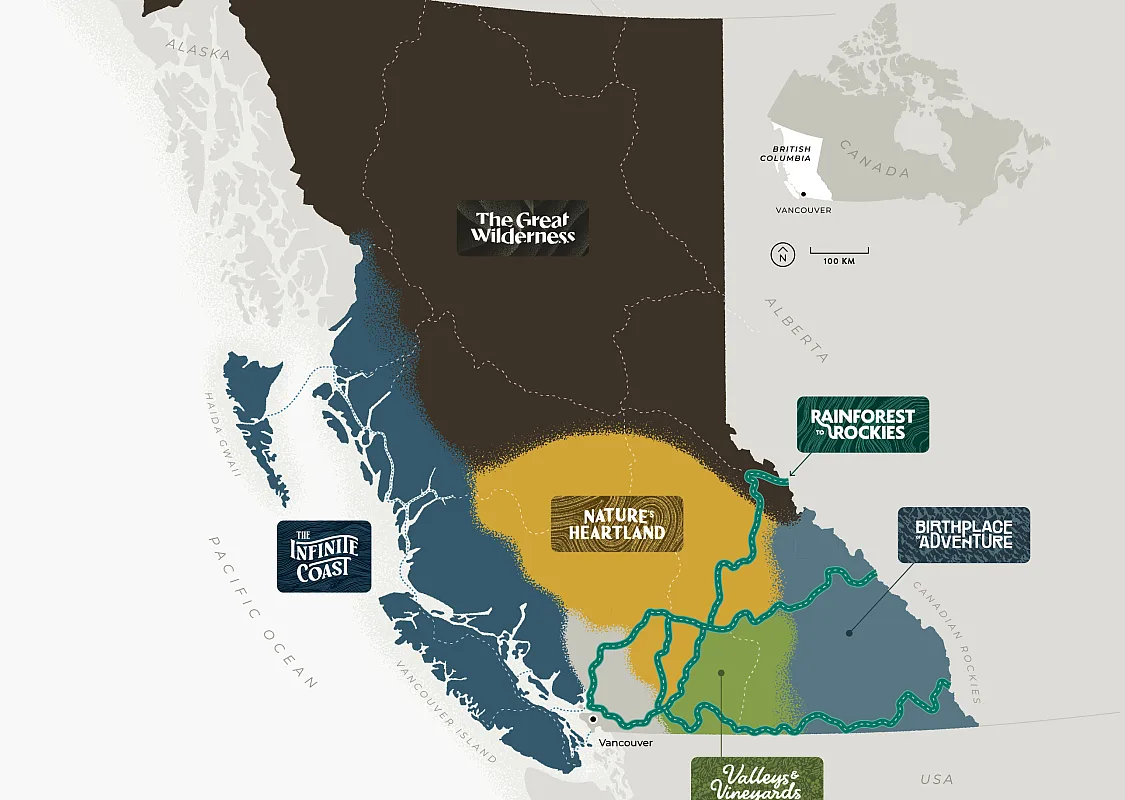
Read on to learn more about what makes each one special, along with new and noteworthy ideas for your next story.
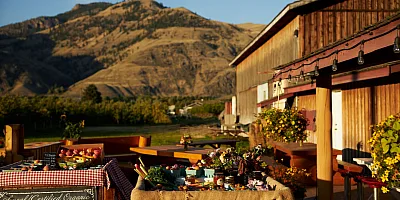
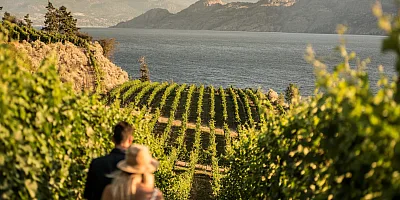
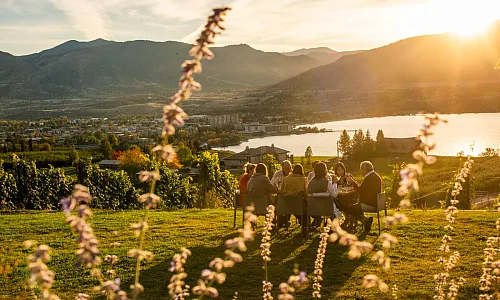
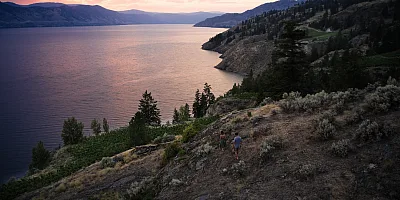
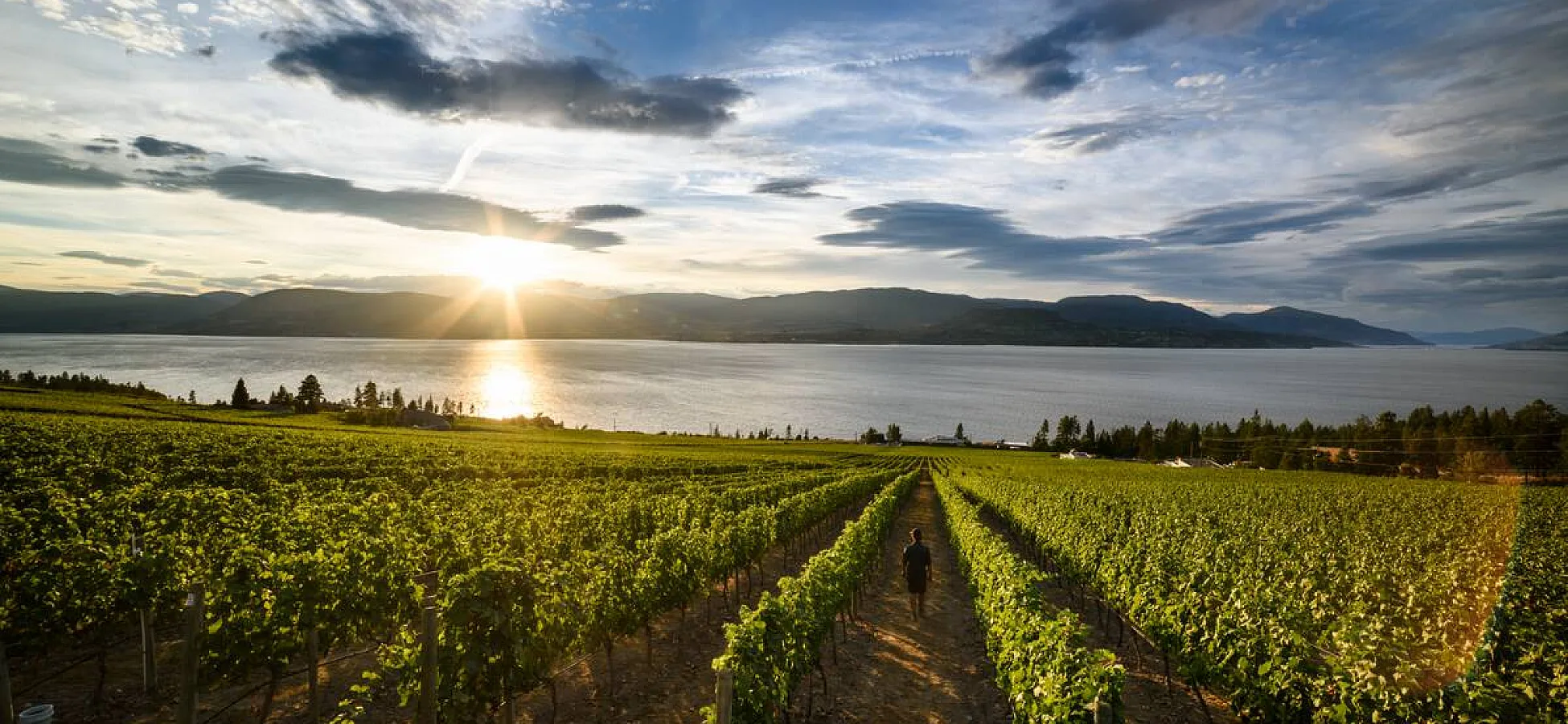 CedarCreek Estate Winery in Kelowna | Andrew Strain
 Valleys & Vineyards
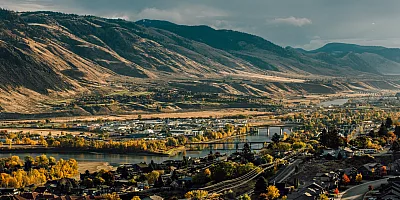
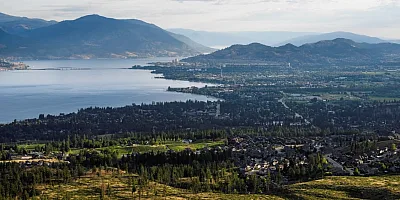
Travel approximately 5-hours south-east of Vancouver to explore Valleys & Vineyards, where deep lakes, volcanic soils, and fertile valleys have sustained life for generations. Get a taste of Kelowna’s buzzing waterfront, celebrated orchards and wineries, and the quiet charm of the Similkameen area —where flavours, trails, and community spirit come together. Nurtured first through Indigenous stewardship and carried forward by a diverse community of growers—multigenerational farmers, winemakers, and newcomers—Valleys & Vineyards includes more than 200 proprietors of orchards, vineyards, lavender fields, honey producers, specialty crops, and wild foods.
- This area is the traditional homelands of the Syilx Okanagan Nation and Secwépemc Nation. Here, relationships with the land remain as vibrant as the land itself.
- This is Canada’s warmest region, a unique landscape where semi-arid desert, volcanic soils, deep lakes and fertile valleys meet on lands celebrated by all who live there.
- The layered terrain makes it one of the world’s most distinct wine-growing areas.
EXCITING NEWS! KELOWNA NAMED UNESCO CITY OF GASTRONOMY – A FIRST FOR CANADA
Located in the heart of Valleys & Vineyards, Kelowna is crafting a new chapter in culinary history as Canada’s first UNESCO Creative City of Gastronomy. More than merely a title, the designation recognizes cities with cultures rooted in food: from sustainable farming and Indigenous culinary traditions to communities that live and breathe local. Kelowna is known for its sun-drenched vineyards, abundant orchards, and innovative hyper-local food scene. This designation serves as the ultimate pairing of place and plate, offering a timely reason to plan a visit to the region.
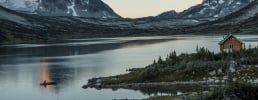
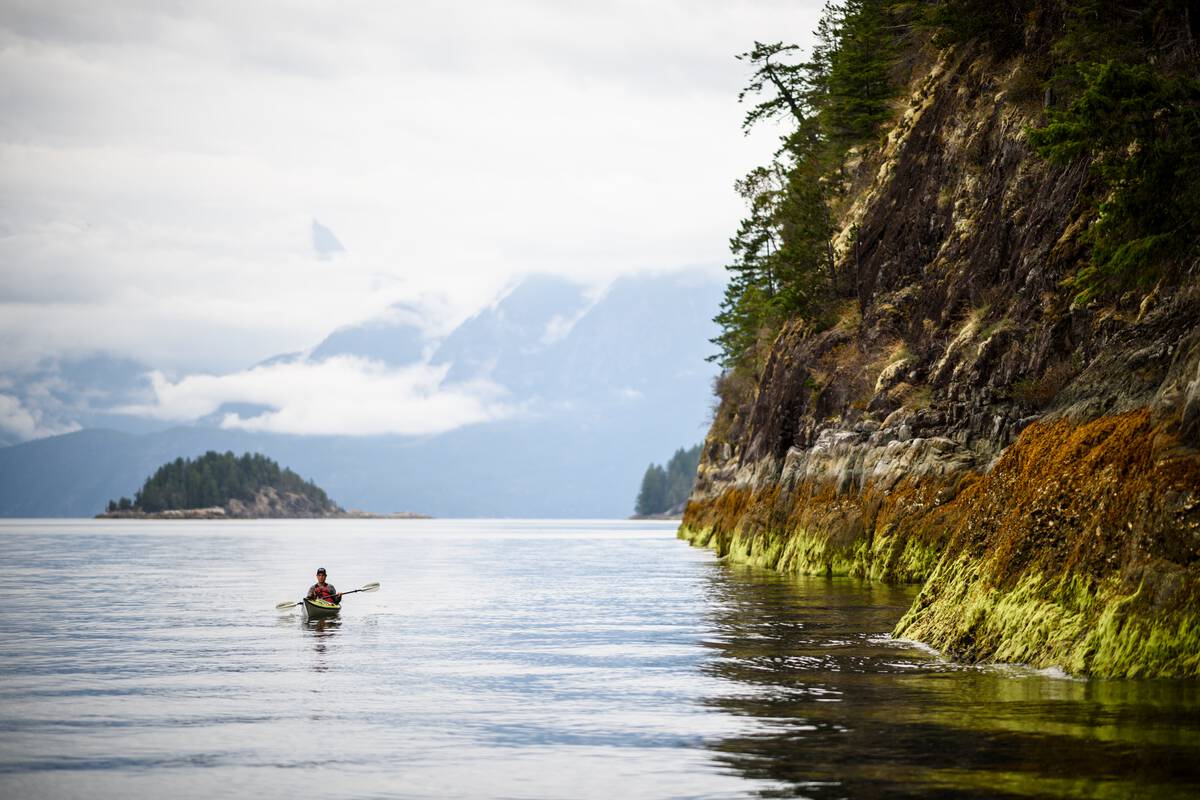 A kayaker paddles along the coastline of Desolation Sound | Andrew Stain
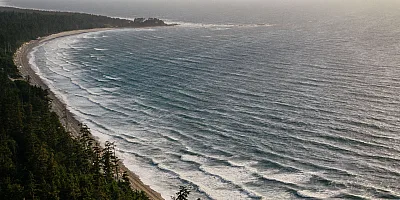
 The Infinite Coast
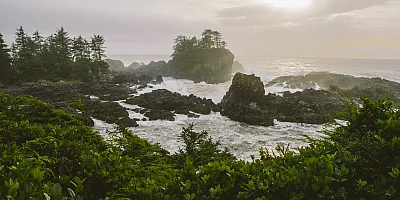
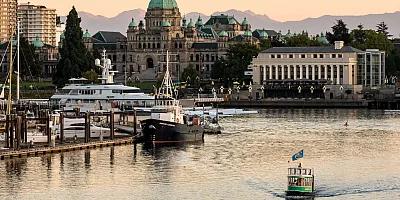
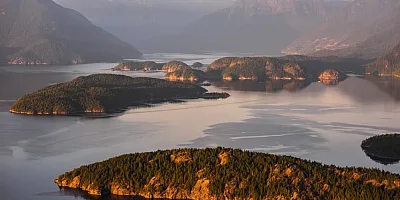
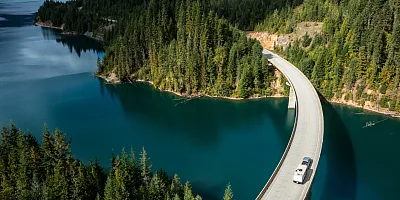
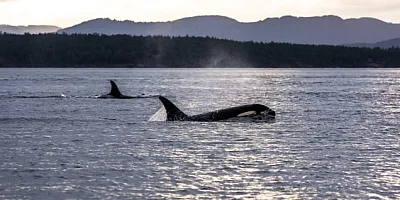
The Infinite Coast is a journey starting from the province’s capital, Victoria, on Vancouver Island, and up to the northern pacific community of Prince Rupert, along more than 1287 kilometers (800 miles) of coastline. More than 50 First Nations steward this coastline, with deep traditions and cultures, welcoming those who visit with curiosity and respect. To travel here is to move with the Pacific’s energy, feeling The Infinite Coast’s pull and the quiet invitation to explore. Follow roads from city to secluded inlets, paddle in the home of surfacing whales and grizzly bears in The Great Bear Rainforest, sail into quiet coves along the Inside Passage, or fly above fjords lined with waterfalls.
WELLNESS BY NATURE: THE BEST REST AND RENEWAL ON THE INFINITE COAST
From forest to sea to spa, The Infinite Coast is a place of renewal—where rest isn’t about retreating from the world but returning to it.
- In Halfmoon Bay, Nature with Haida is a female-led meditative forest bathing experience through coastal rainforest. Guided by Haida Bolton, the first certified forest therapy guide in BC, the experience encourages slowing down, awakening the senses, and rediscovering inner calm.
- New to Clayoquot Sound, guests drift with the tides at Moon Jelly Bathhouse, a floating sanctuary within the first Tribal Park in Canada. A short boat ride from Tofino brings visitors to seaweed saltwater hot tubs and sky hammocks swaying above open water.
- On the east coast of Vancouver Island, the new Healing Caves™ at Kingfisher Pacific Resort & Spa takes guests on a 70-minute guided journey through six immersive environments created to rejuvenate body and mind.
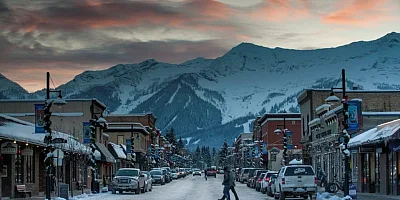
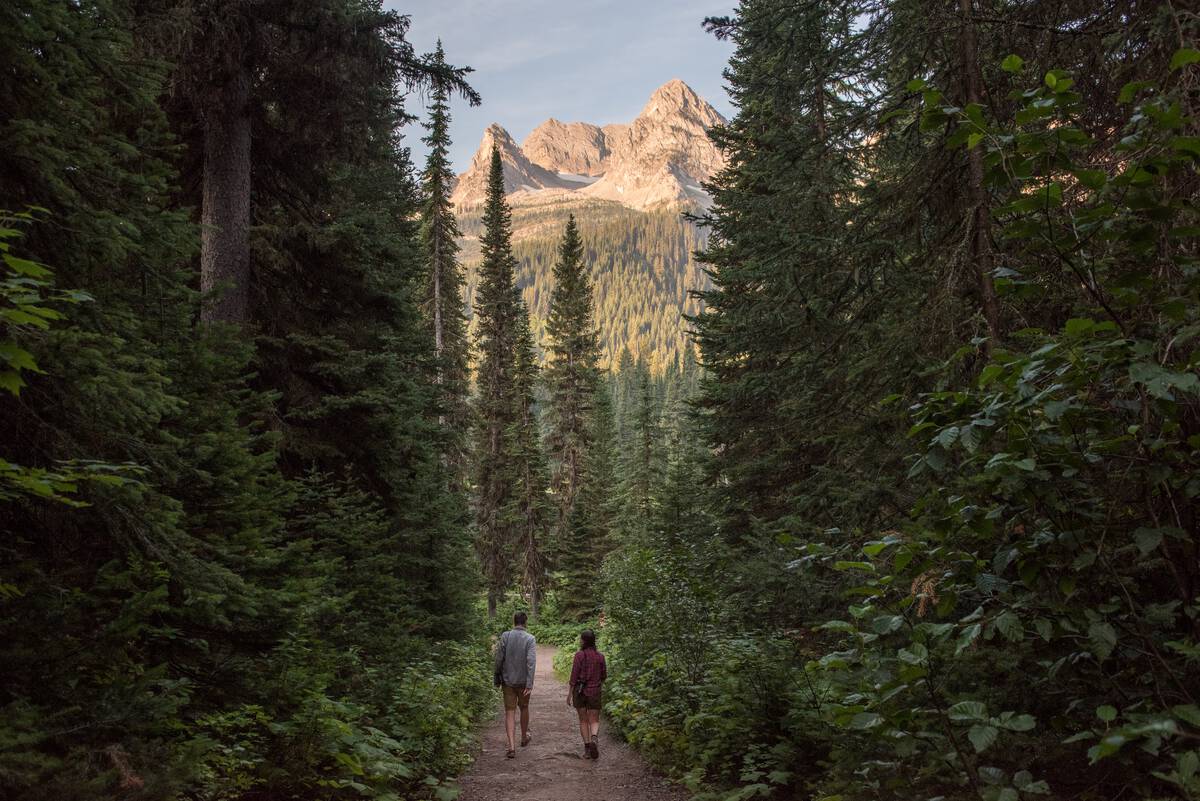 Fernie | Kari Medig
 Rainforest To Rockies
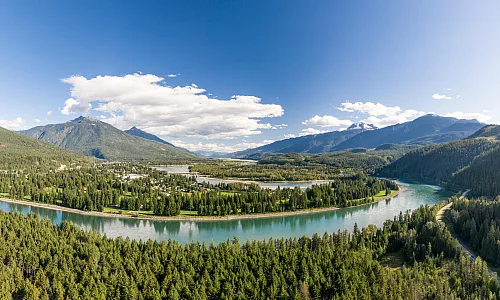
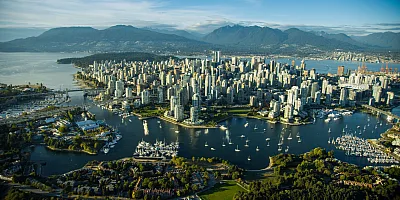
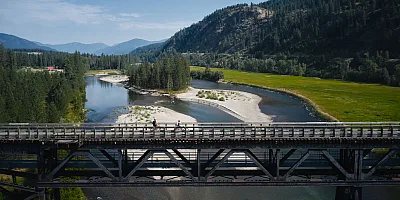
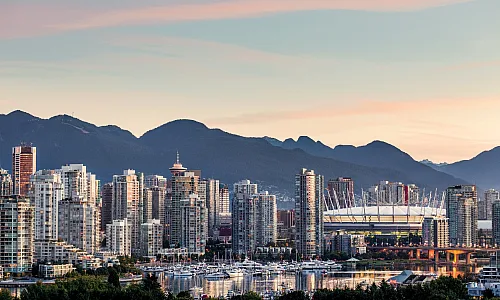
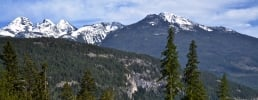
Rainforest to Rockies is the quintessential Canadian journey along ever-changing landscapes. Begin the iconic route in Vancouver—a vibrant city perched on the edge of nature—and make your way east by road, rail, or trail towards the Rocky Mountains. This journey winds through rainforests, grasslands and deserts, past rivers and lakes towards tall mountain peaks, proving that what lies between the peaks and the Pacific is just as stunning. In the morning, relax by a river or soak in hot springs; in the afternoon, wind along mountain roads or find shade along forested trails. No matter the route, this isn’t about going far or fast—it’s about staying in the moment.
TRACING JAPANESE CANADIAN STORIES ALONG RAINFOREST TO ROCKIES
Japanese Canadians have helped to shape the cultural, social, and economic fabric of British Columbia for more than a century, originally arriving in the late 1800s to work in fishing, logging, and farming. But alongside their contributions came hardship: racism, displacement, and forced internments resulting from World War II. Their stories of resilience are woven into communities along Rainforest to Rockies:
- In Steveston, the new Fishers Walk connects Fisherman’s Wharf with Garry Point Park, featuring 10 interpretive signs sharing the stories of Japanese Canadians and other communities who helped build BC’s fishing industry.
- In Slocan Valley, the self-guided Japanese Canadian Internment Camp Historical Trail invites visitors to follow a powerful route through the region that once housed several Japanese Canadian internment sites during World War 2.
- In Lillooet, Miyazaki House—once home to Dr. Masajiro Miyazaki after his wartime captivity—now serves as a museum and homestead, preserving Japanese Canadian histories of perseverance.
- In New Denver, the Nikkei Internment Memorial Centre (NIMC) stands on the site of “The Orchard” internment camp with buildings, artefacts, and gardens honouring more than 22,000 displaced Japanese Canadians.
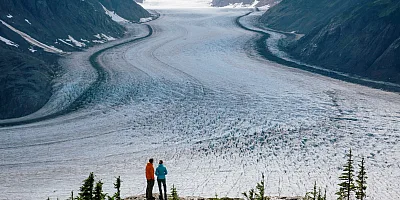
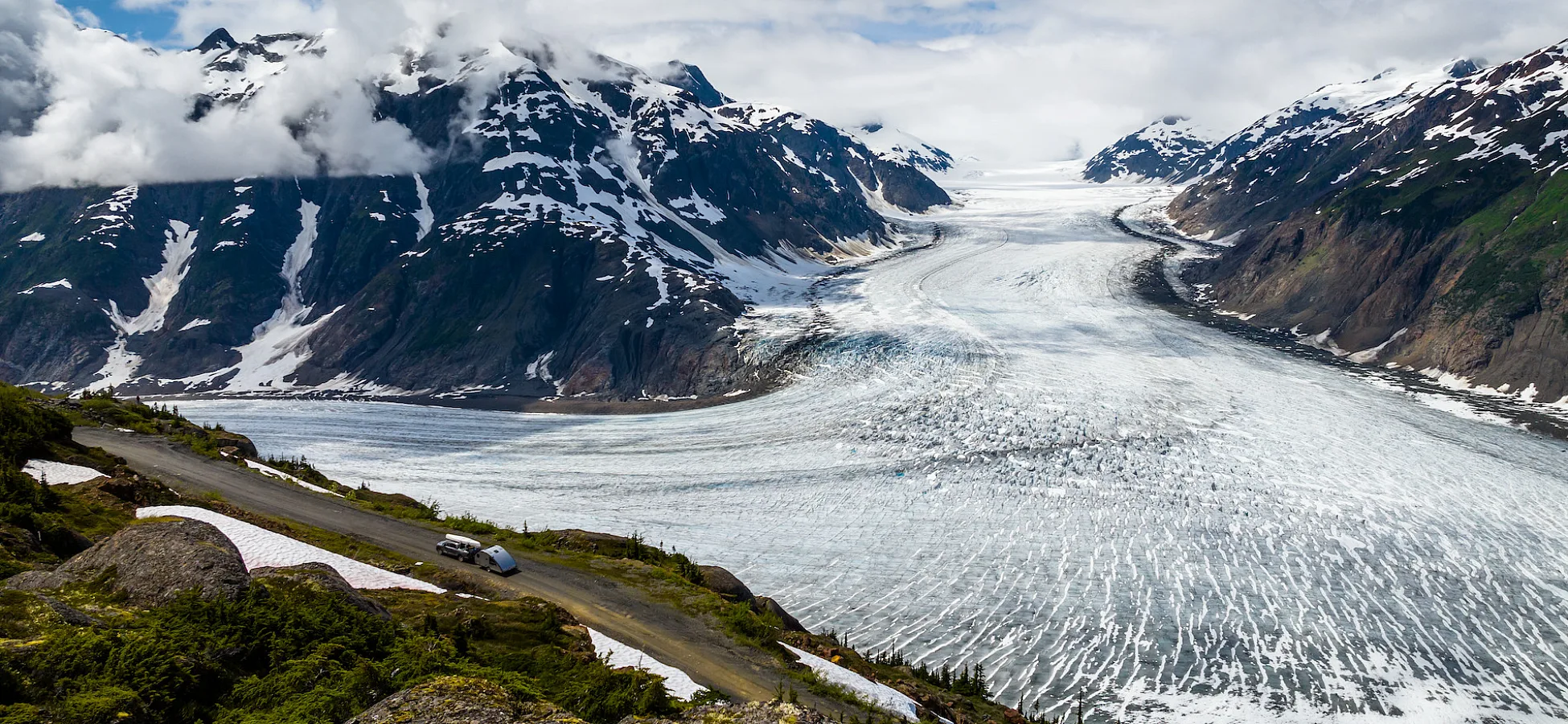 Salmon Glacier | Andrew Strain
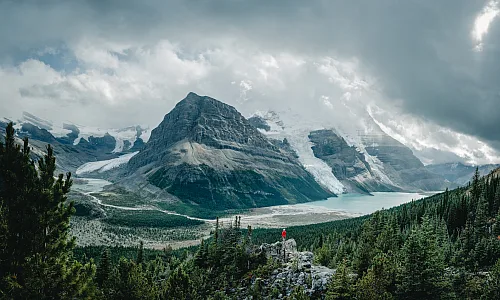
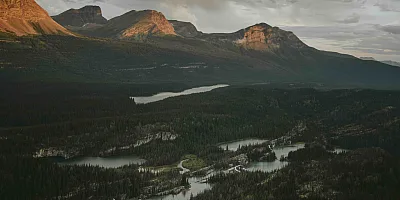
 The Great Wilderness
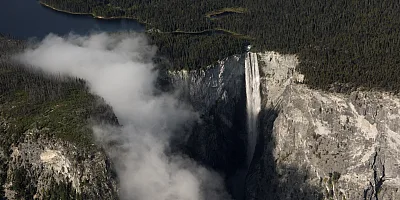
Vast, remote, and enchanting, the northernmost part of BC holds precious natural areas that connect us with timeless stories of land and people. Journey into The Great Wilderness, starting from Prince George (787km/489 miles north of Vancouver), where adventures await curious wanderers. Roam through otherworldly landscapes, from dinosaur trackways to ancient mountain ranges, where nature reigns and animals outnumber humans. This enormous area reaches from the Coast Mountains in the west to the Alberta border in the east, and from Highway 16 in the south to the Yukon border in the north. Feel the pulse of a place where First Nations and Indigenous Peoples live in harmony with the lands, seeing them as a life source for sustenance, identity, and culture. You’ll meet people from many walks of life—each with a story to share and a connection to the northern spirit.
TSE’K’WA NATIONAL HISTORIC SITE REOPENS UNDER INDIGENOUS LEADERSHIP
Tse’k’wa National Historic Site—a sacred gathering place for the Dane-zaa People for over 12,500 years—has reopened to the public, offering a rare glimpse of early human history. Also known as Charlie Lake Cave, it is recognized as one of the most significant archaeological sites in Canada.
First excavated by Simon Fraser University in 1974, Tse’k’wa reached a historic milestone in 2024 when the university returned the archaeological collection to the newly built onsite repository. The moment marked a powerful example of Indigenous-led stewardship, led by the Tse’k’wa Heritage Society—a partnership of Doig River, Prophet River, and West Moberly First Nations. Now one of the few Indigenous-owned and managed National Historic Sites in Canada, Tse’k’wa invites visitors to walk in the footsteps of the earliest inhabitants of this land—an experience that deepens understanding of people, place, and time.
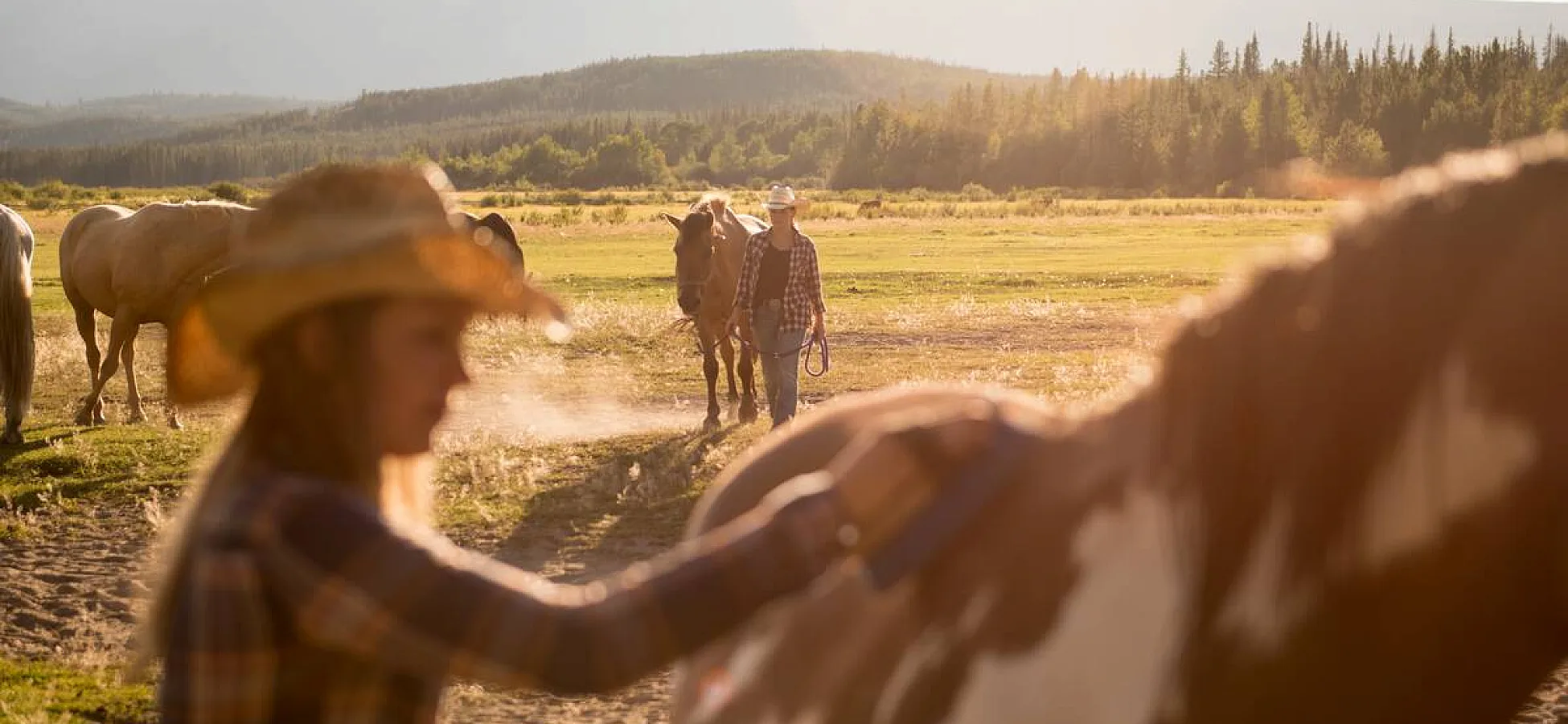 Horses at Terra Nostra Guest Ranch | Kari Medig
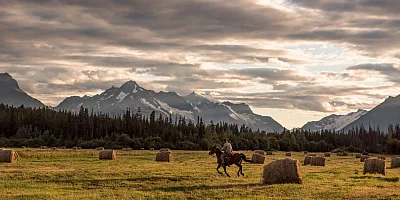
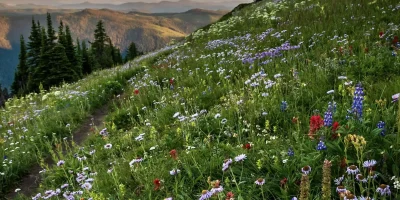
 Meet Nature’s Heartland, a place where the past lives on—not in monuments, but in the sweeping landscapes of rivers, canyons and paths still travelled today. This area of central British Columbia, starting about 152 kilometres (94 miles) outside of Vancouver in Hope, plateaus into forests alive with caribou, bears, eagles, and wild horses. You’ll pass through diverse ecosystems created by time and elemental forces. The mighty Fraser River and its tributaries sustain salmon and wildlife, while open plateaus and valleys are home to working ranches. Welcoming small communities will invite you to explore on horseback, by paddle, or along scenic backroads. Whether gliding across quiet lakes, riding through rugged plateaus, or joining a celebration in town, the past and present meet with every step.
RESILIENCE RISES IN THE FRASER CANYON
The mighty Fraser River and its tributaries are lifelines that carve through the land, sustain ecosystems, and carry centuries of stories. Just two hours east of Vancouver, this resilient region—battered by floods and wildfires in recent years—is rebuilding stronger.
- The historic Hudson’s Bay Company Heritage Trail, a fur-traders’ historic route, impassable since catastrophic flooding in 2021, has been cleared of debris. Stretching 75 kilometres (46 miles) through old-growth forests and alpine meadows, it welcomes hikers to retrace traditional routes used by the Stó:lō, Nlakaʼpamux, and Similkameen Peoples.
- In Lytton, the Chinese History Museum, home to one of the largest collections of Chinese artefacts in North America before the 2021 wildfire, has reopened to preserve the legacy of Chinese miners, railway workers, and settlers.
- In Boston Bar, REO Rafting & Yoga Resort has been rebuilt from fire and flood, inviting visitors once again to experience whitewater rafting, yoga, and other outdoor pursuits along the Nahatlatch River.
 Hikers at the Macbeth Icefields in the Purcell Mountains | Kari Medig
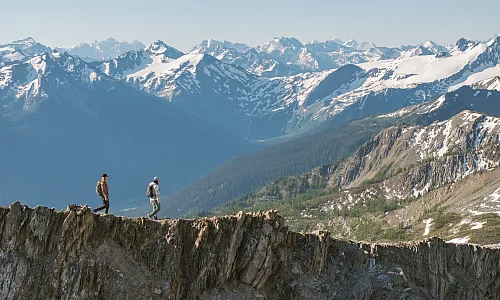
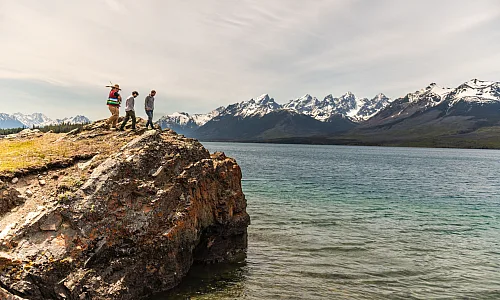
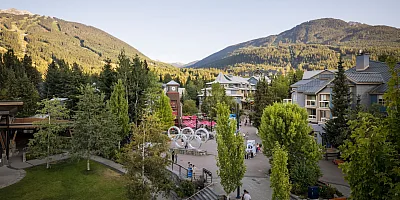
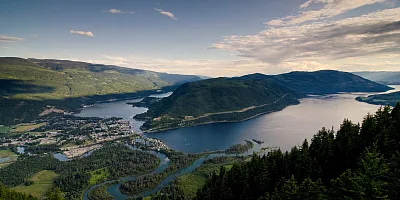
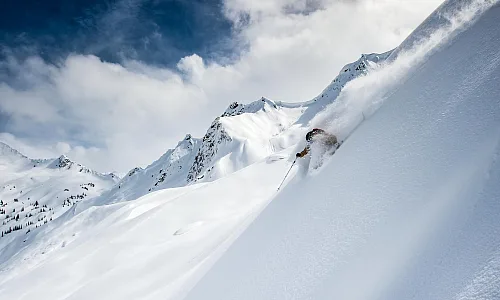
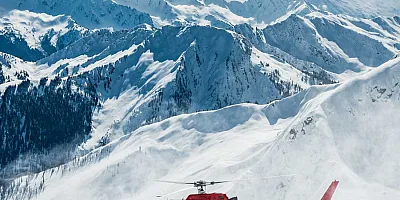
 In the Birthplace of Adventure, endless mountain ranges offer a rugged landscape where passion for outdoor adventure runs deep. Four mountain ranges—the Canadian Rockies, Purcells, Selkirks, and Monashees—rise, sheltering valleys that unfold from summits into rivers, hoodoos and hot springs. There are more than 60 provincial and four national parks, heli-skiing was born here, and Canada’s Mountain Biking Capital welcomes riders from around the world. Indigenous Peoples first moved through the peaks and valleys, creating paths that influence experiences today. Later, Swiss guides and heli-ski pioneers forged newer routes across these ranges. This iconic area invites you to explore, protect, and embrace the mountain way of life.
WOMEN-OWNED BACKCOUNTRY LODGES LEAD THE WAY
In the legendary Birthplace of Adventure, women are shaping adventure through experience, sustainability and a deep connection to the mountains they call home.
- At Valhalla Mountain Touring, owner Jasmin Caton—who oversees operations, is a rock guide, and teaches ACMG rock and ski guide courses—organizes guided ski tours that encourage guests to focus on the journey, not the logistics.
- Valkyr Adventures, co-owned by Shelly Glasheen, offers access to three remote lodges on guided or self-guided adventures, all within a framework of ecological stewardship and low-impact exploration.
- At Selkirk Mountain Experience, Nicoline Beglinger leads small groups through glacial terrain and high-alpine meadows, where summer treks pass more than 100 varieties of wildflowers.
- In the Canadian Rockies, Talus Lodge—co-owned by Olympic medalist Sarah Renner—invites guests to unplug and tune into the mountains, through winter ski tours and summer hikes.
Discover More Story Ideas for Birthplace of Adventure Here
Read on for more ways to let the outside in and explore BC’s iconic areas and routes, including Indigenous owned tours, unique accommodations, and more.
Discover more story ideas here.
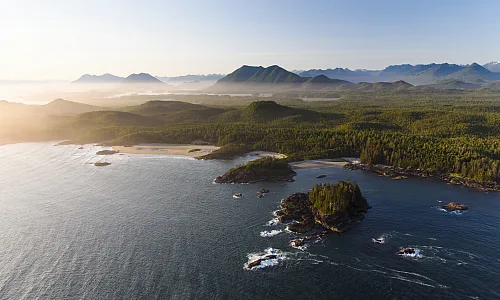
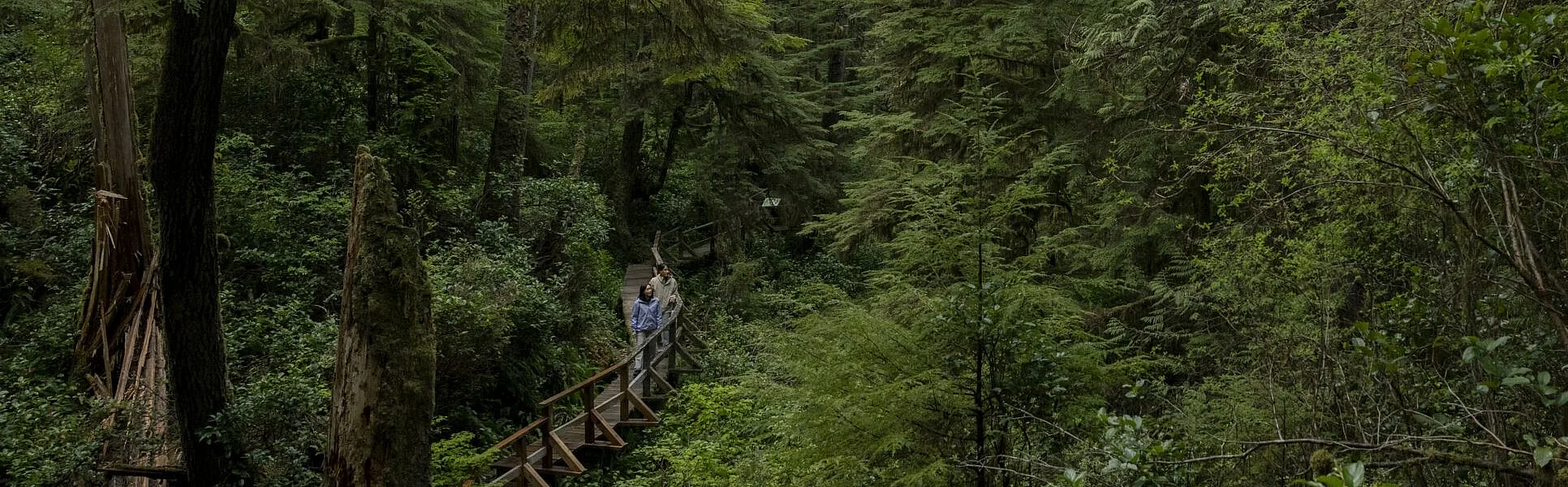 Pacific Rim National Park | Abby Cooper