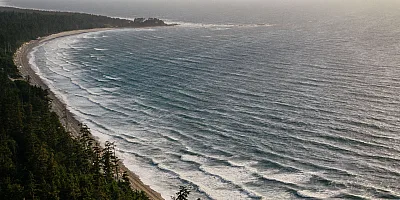
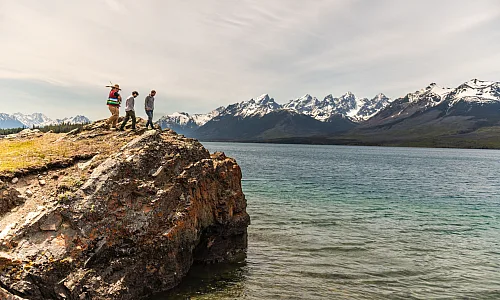

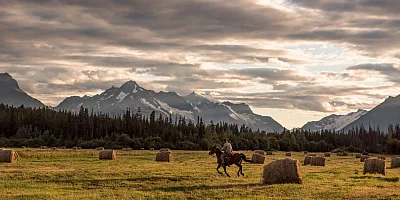
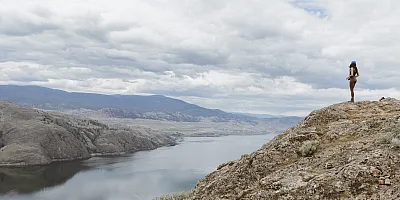


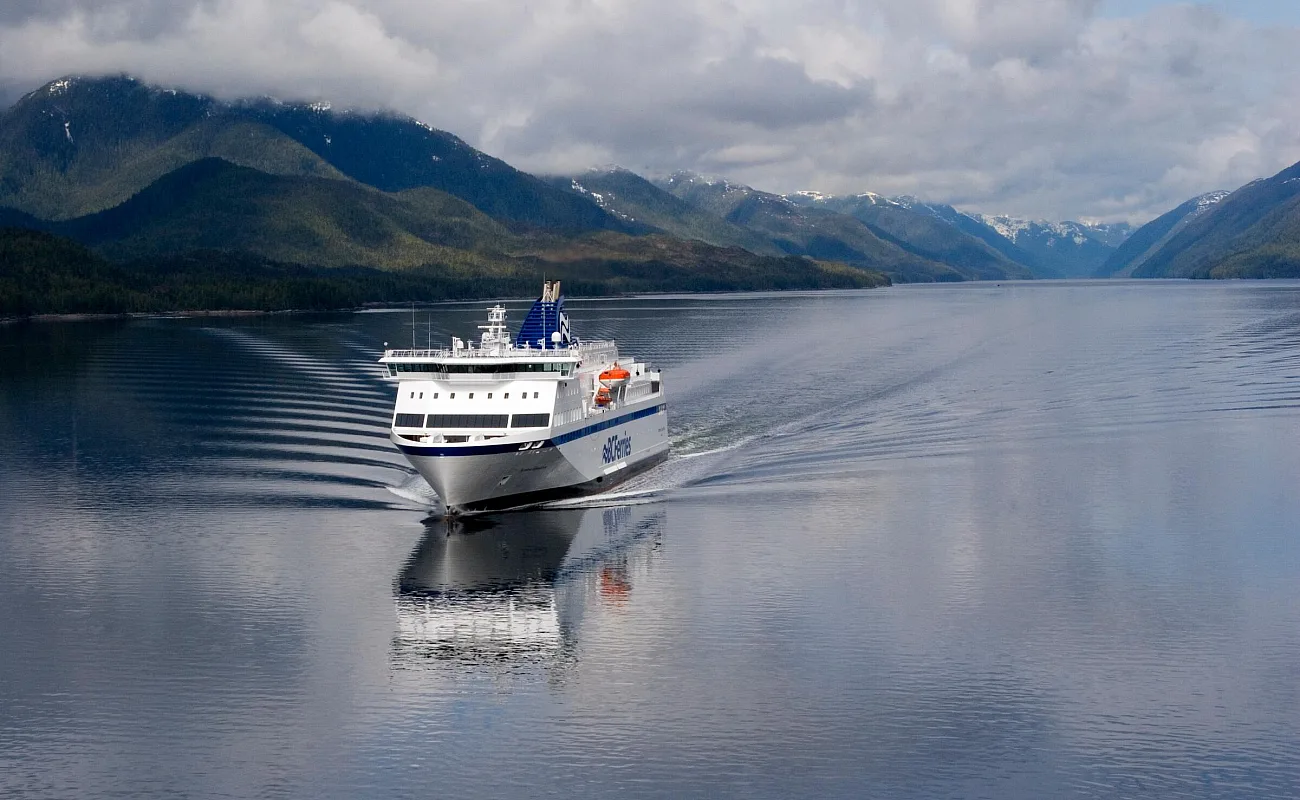
 Grenville Channel, Inside Passage | BC Ferries Grenville Channel, Inside Passage | BC Ferries
 The Infinite Coast
A Road Trip from Victoria to Prince Rupert
9 Destinations
7-10 days
1,022 km | 635 mi
When you imagine a dream getaway to British Columbia, the stunning coastline is often a big part of that image. Your journey along The Infinite Coast starts in Victoria, the charming, bustling capital of BC, located at the southern end of Vancouver Island.
As you leave the city and make your way up-Island, the communities get smaller and more remote, and nature takes on an increasingly larger role. When you reach Port Hardy at the Island’s northern tip, the road turns to ocean as you board a ferry bound or Prince Rupert on the north coast of the BC mainland.
Your route along The Infinite Coast may have a defined beginning and end, but it remains undefined along the way.
Part 1
Victoria to Campbell River
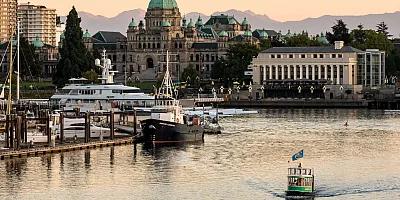
Begin on the historic cobblestone streets of Victoria, a boutique city that impresses on a global scale. Stroll the scenic Inner Harbour, enjoy fresh-caught seafood with a view at Fisherman’s Wharf, indulge in a formal afternoon tea, and don’t miss the spectacular Butchart Gardens.
Once you’ve had a small taste of Victoria’s culinary offerings, you may even want to spend a night or two and sample more of what the city is serving up. Treat your palate to freshly caught seafood, farm-to-fork produce, locally crafted cocktails, and much, much more.
After you’ve had your fill, head north on a meandering highway through forest and along the ocean. Pass through vibrant Nanaimo, where travellers can also arrive via ferry from West Vancouver, and the pastoral Comox Valley, where the pace begins to slow and nature takes over. As you make your way along the valley, take a wine-tasting tour and enjoy locally grown food. This section of Vancouver Island attracts chefs, artisans, craft brewers, and bakers. In Courtenay, don’t miss Freya with its slow-fermented sourdough, organic Canadian flour, and croissants that demand another.
Tucked north of these towns lies Campbell River, an unpolished gem worth the extra kilometres. A once legendary fishing and logging centre that still straddles the line between hardworking resource town and burgeoning tourism destination, the self-proclaimed “Salmon Capital of the World” features fresh seafood, inventive craft beer, and nature on every side—including a Salish Sea teeming with marine wildlife. This is the land of Roosevelt elk, orcas, and all five species of Pacific salmon, which return every year in inspiring numbers.
-
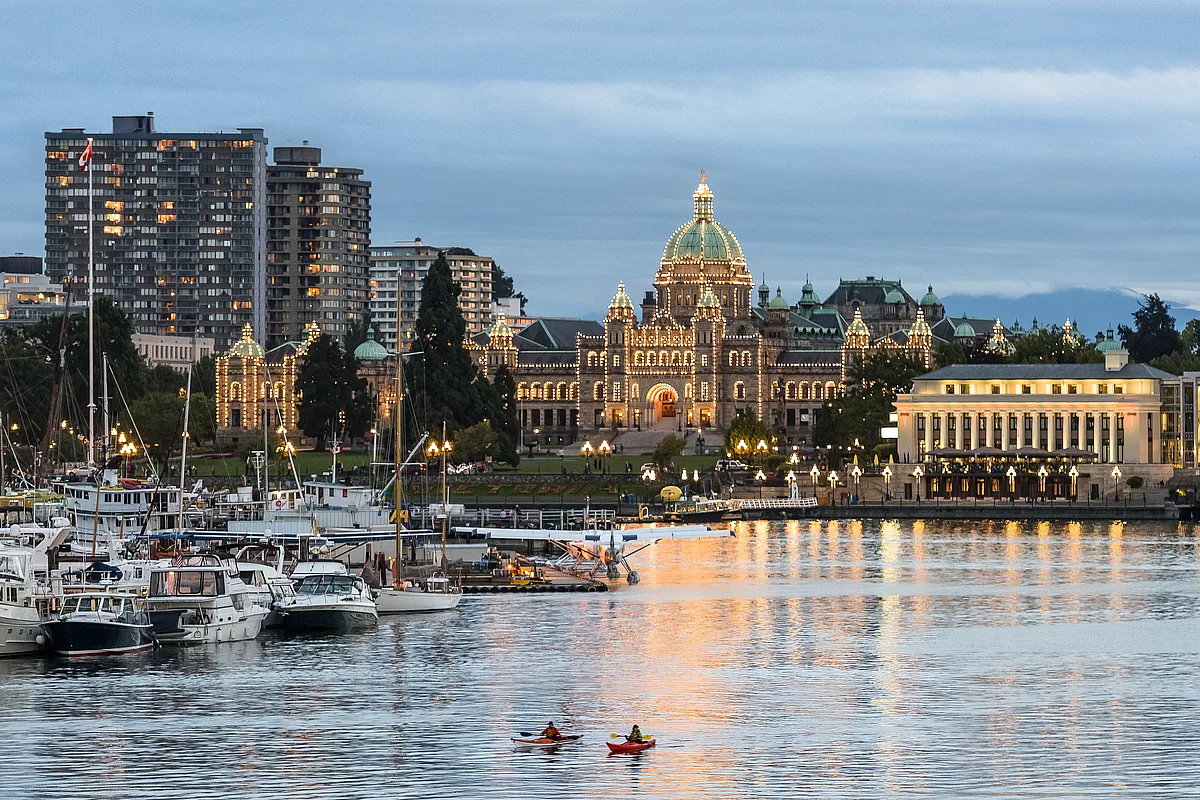 Victoria | Reuben Krabbe
 -
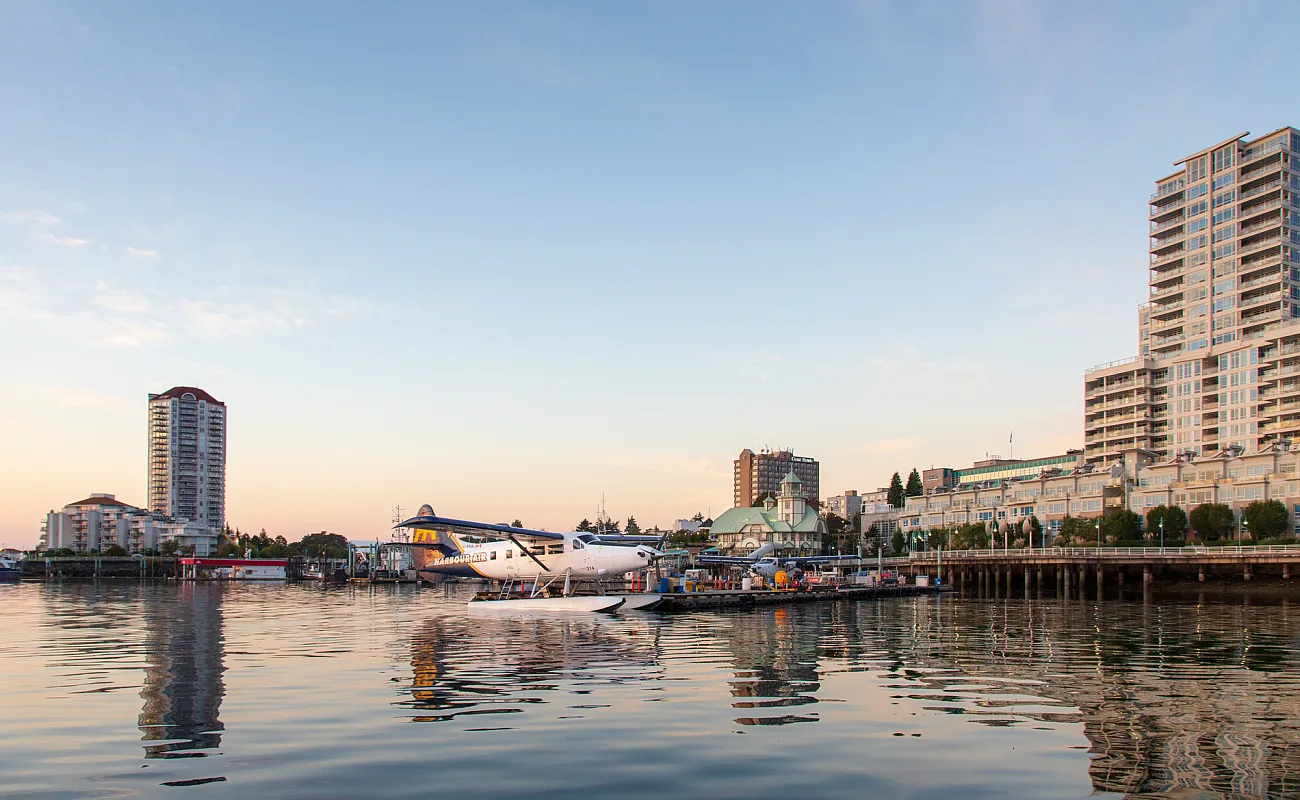 Nanaimo | Harbour Air Seaplanes
 -
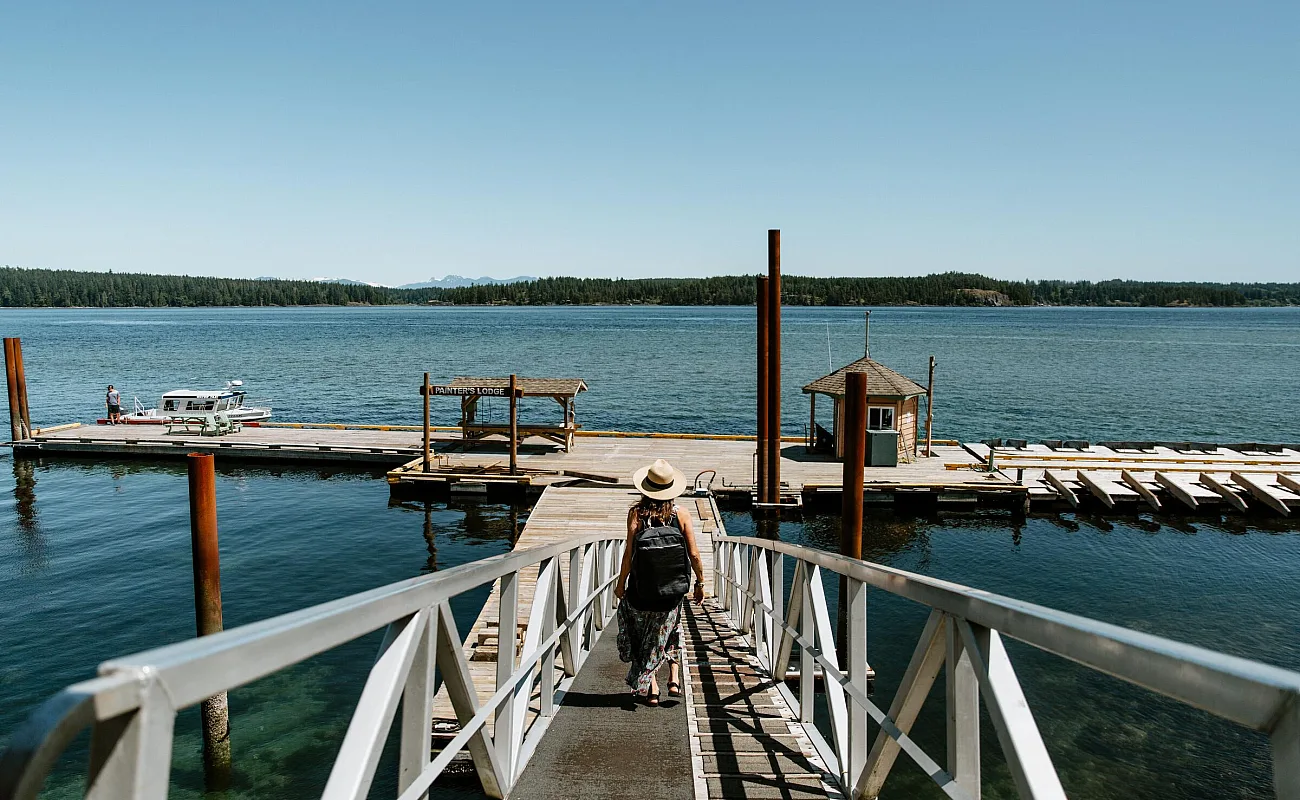 Painter's Lodge, Campbell River | Destination Campbell River/Bluetree Photography
 -
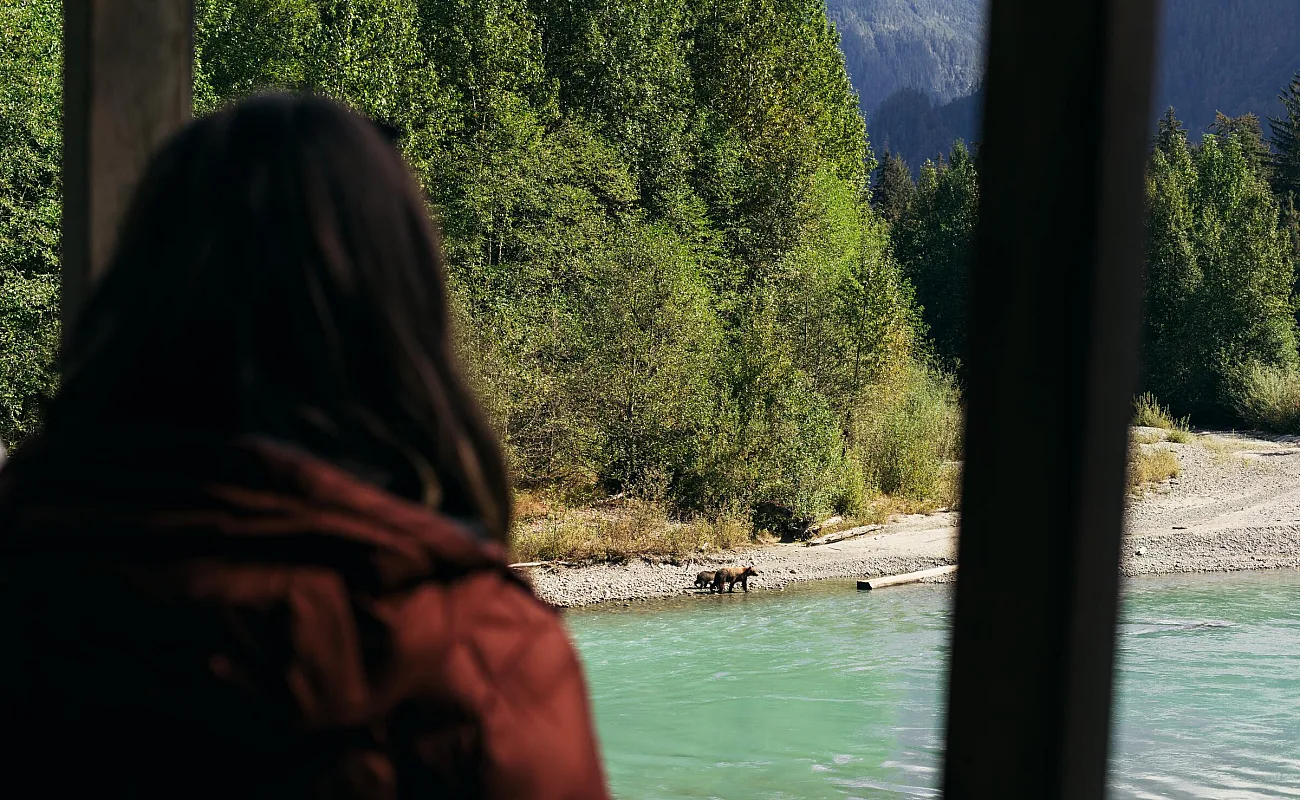 Homalco Wildlife & Cultural Tours | Jordan Dyck
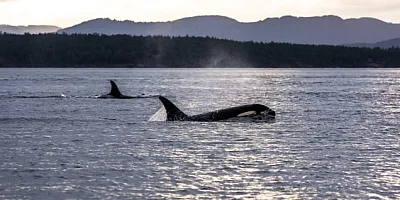
Expect humpback whales, grizzly bears, orcas, Pacific white-sided dolphins, and sea lions while on tour with Indigenous-owned Campbell River Whale Watching or Homalco Wildlife & Cultural Tours. Take a kayak or let them drive the boat.
In autumn, one of nature’s most inspiring demonstrations of grandeur happens right in the town’s namesake river. Millions of Pacific salmon return to Campbell River’s crystal-clear waters to lay and fertilize eggs. With them arrives the richest concentration of wildlife you can view with minimal effort. Start at the Quinsam River Hatchery and go from there.
Beyond fresh salmon and every other manner of seafood, be sure to visit Dave’s Bakery on beautiful Willow Point. Here, a talented team turns out Czech, German, and other European breads, stacked sandwiches, and a full suite of—well—sweets.
Looking to spend the night? When Ned and June Painter founded Painter’s Lodge in the 1920s, they had no idea how iconic the lodge would become. Stay in the majestic, historical seaside lodge and try your hand fishing for rare “Tyee” Chinook salmon, which, by definition, weigh more than 30 lbs (13.6 kg).
Those who love the finer things may want to stay at Naturally Pacific Resort, where you can visit their luxury spa and enjoy a meal at Carve Kitchen + Meatery.
Part 2
Telegraph Cove
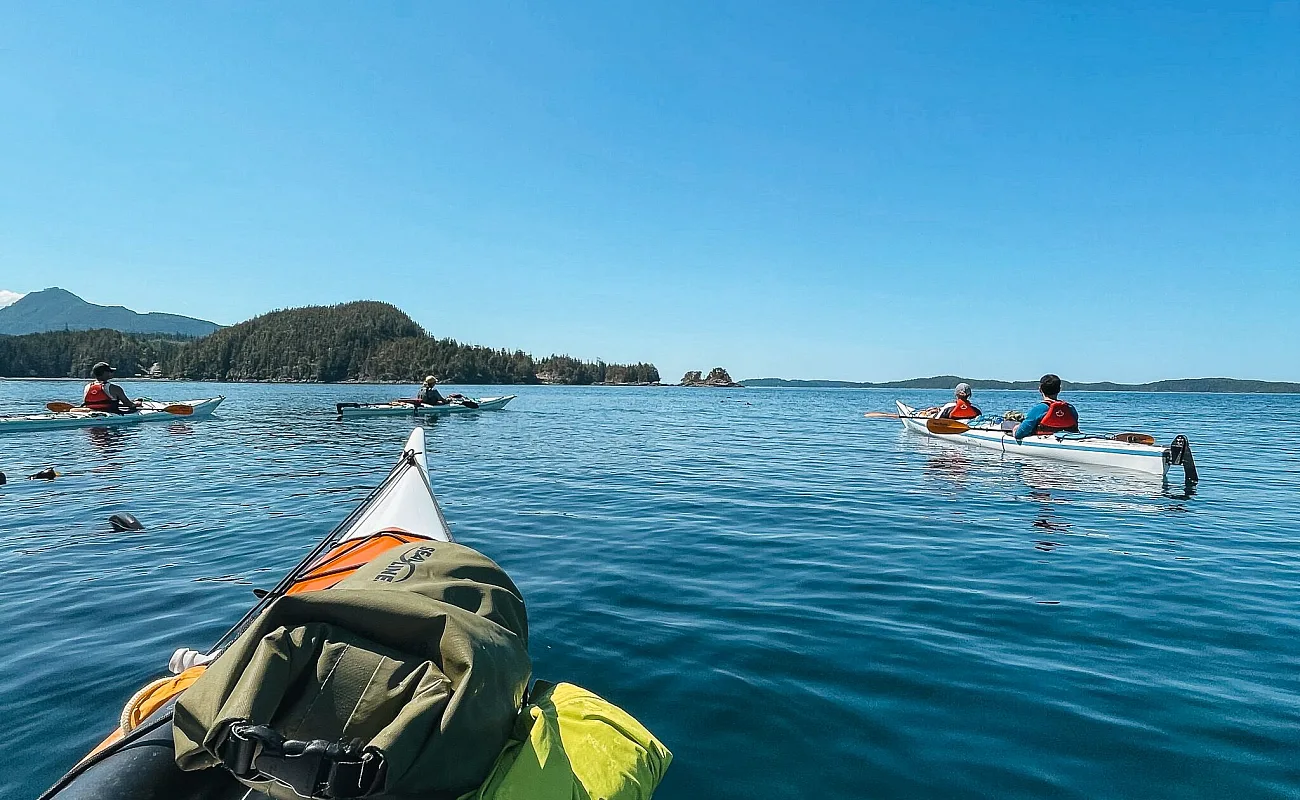
Continue along the coast-hugging Highway 19A from Campbell River, and you’ll notice the trees get taller and the road quieter. In Telegraph Cove, a tiny seaside town with a charming boardwalk remains a mostly hidden secret, even to many Vancouver Islanders. What lies just off that boardwalk? An orca-rich Johnstone Strait and the famous whale-watching destination that is Broughton Archipelago. Imagine a mostly sheltered body of water with small islands and big cetacean populations. From May to October, it’s pretty much impossible to miss whales, porpoises, and dolphins while on the water here. Additionally, there are plenty of bears on shore.
After a disastrous 2024 fire which razed the pub and dock to the water, the Killer Whale Cafe & Old Saltery Pub has been rebuilt and is serving a fresh take on pub fare. If you’re planning a stay in Telegraph Cove, keep in mind this town runs on tourism season, so call ahead if you plan to visit out of season. Things slow down when you run on Island time.
-
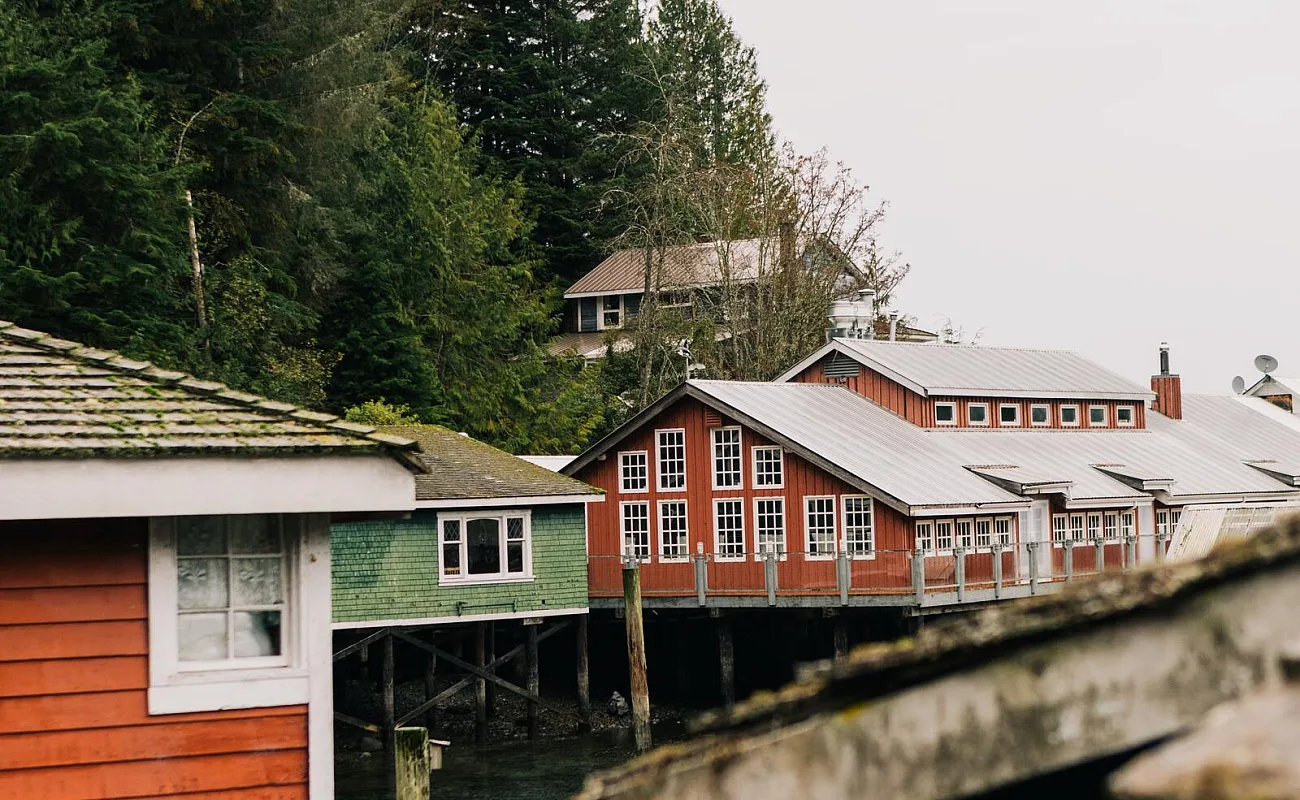 Telegraph Cove | Tourism Vancouver Island/North Island Kayak/Jordan Dyck
 -
 Johnstone Strait near Telegraph Cove | Northern Vancouver Island Tourism/Steven Fines
 -
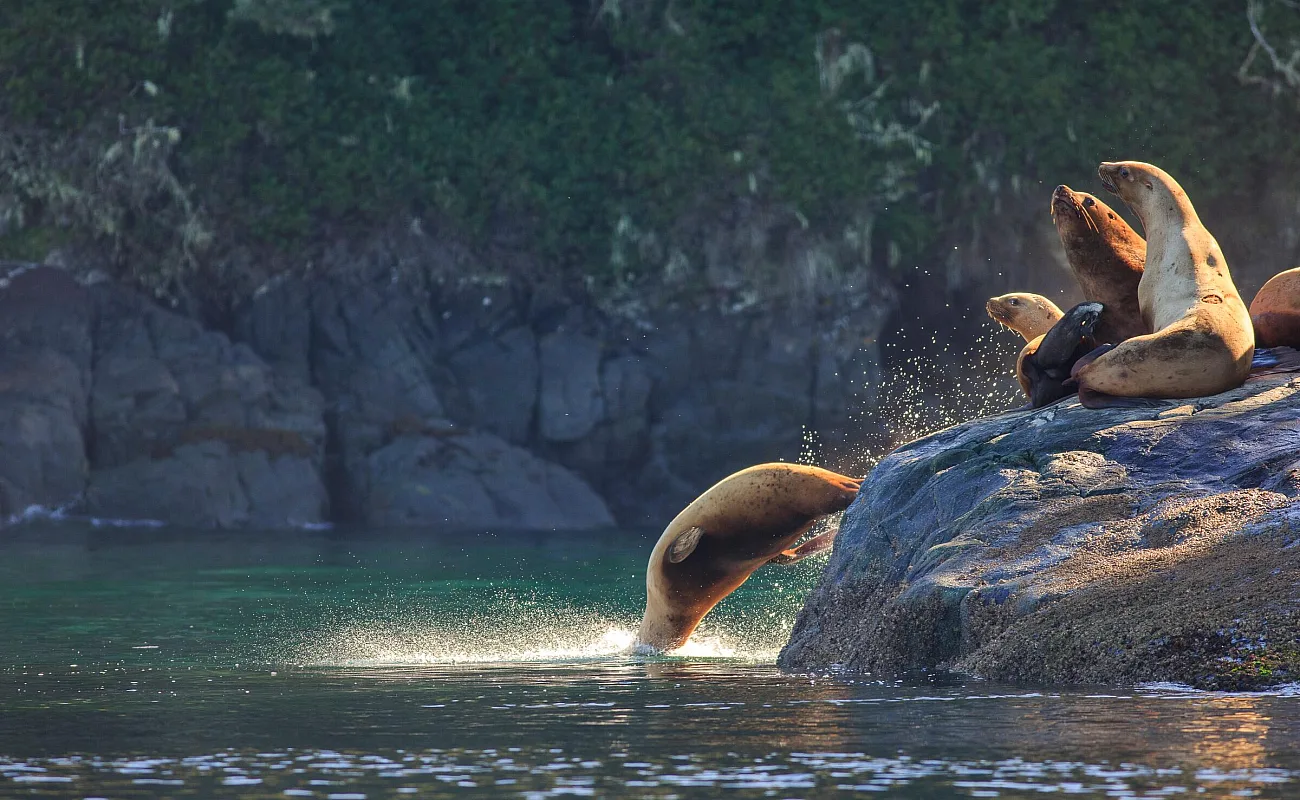 Johnstone Strait | Northern Vancouver Island Tourism/Steven Fines
 -
 Telegraph Cove | North Island Kayak
Part 3
Port McNeill and Alert Bay
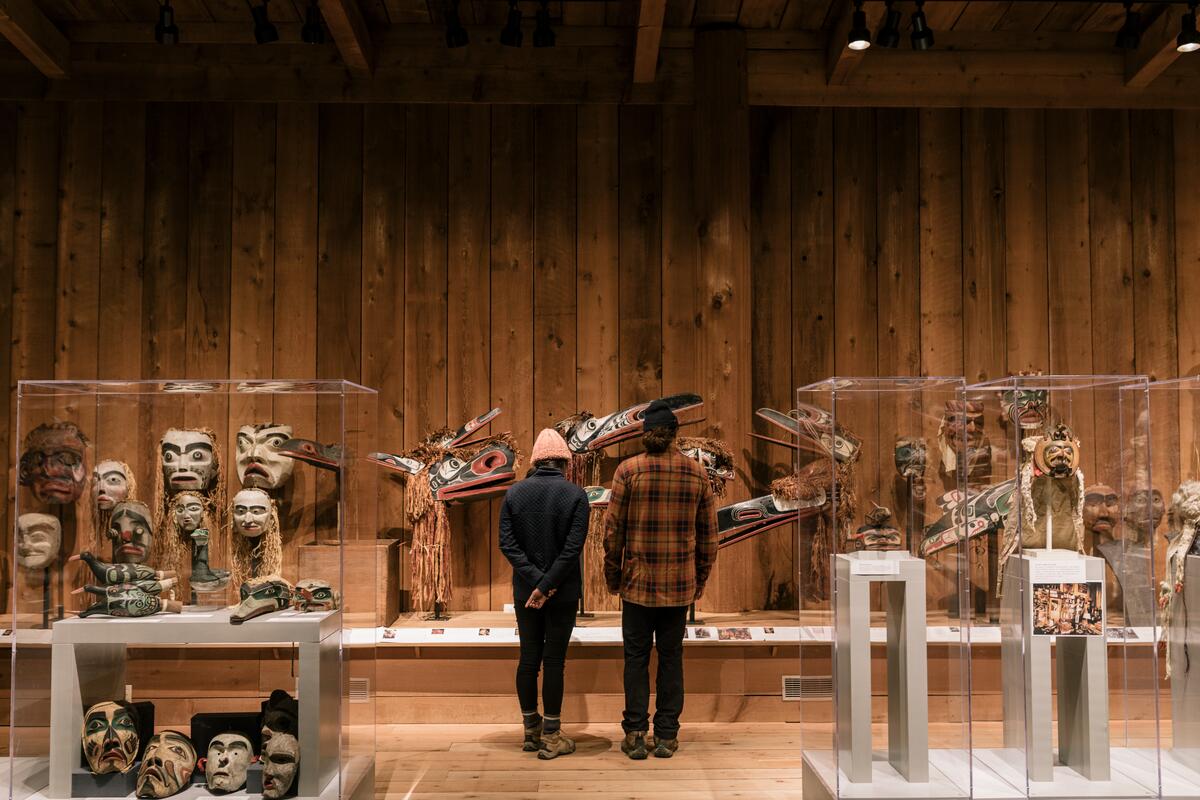
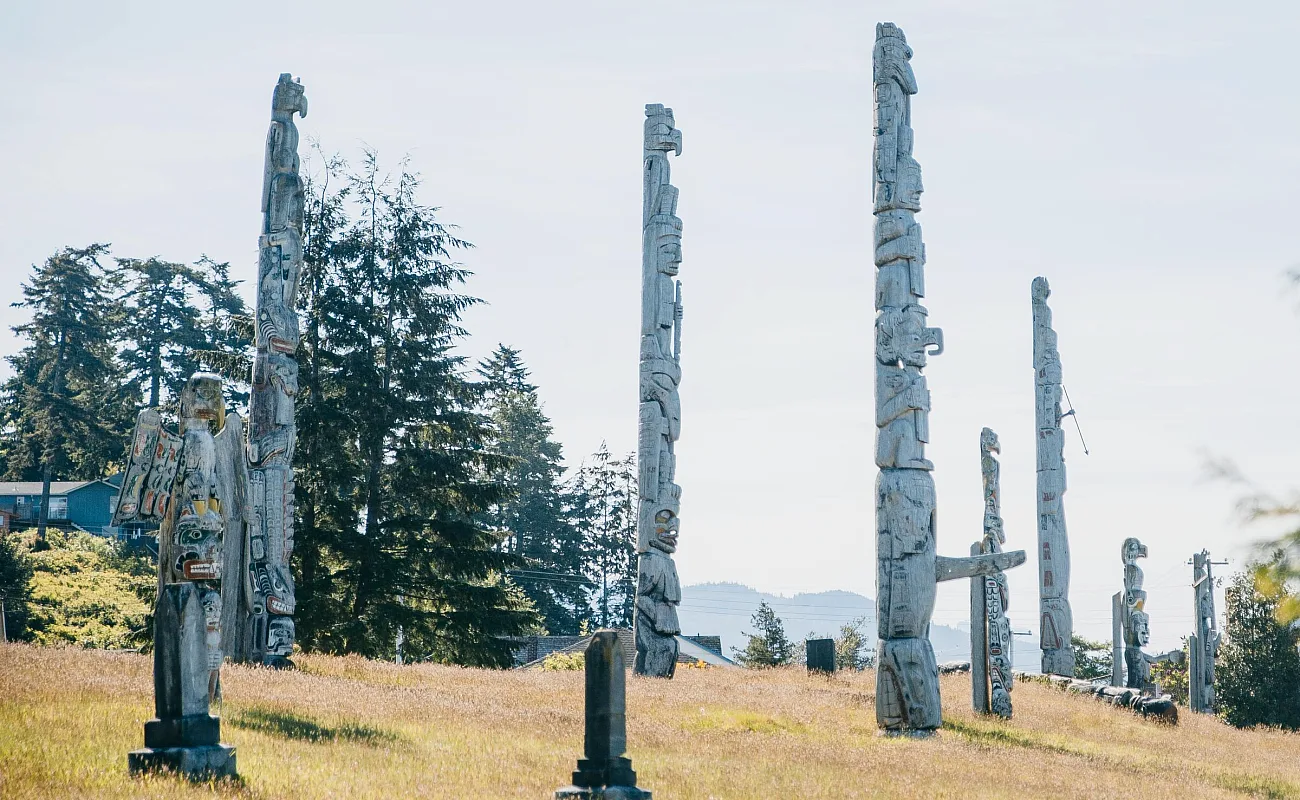
Half and hour north, near the northern tip of the Island, two towns exist in concert: Port McNeill and the hamlet of Alert Bay, which lies a short ferry ride away on Cormorant Island. Perhaps the biggest highlight of the area is the must-visit U’mista Cultural Centre in Alert Bay, which showcases the living culture of the ʼNa̱mǥis First Nation of the Kwakwa̱ka̱ʼwakw.
While Alert Bay is the oldest town in the region, with an established fish saltery established in 1870, Port McNeill is a centre of commerce for the North Island, with a long history of commercial fishing and logging. Today, the town invites tourism.
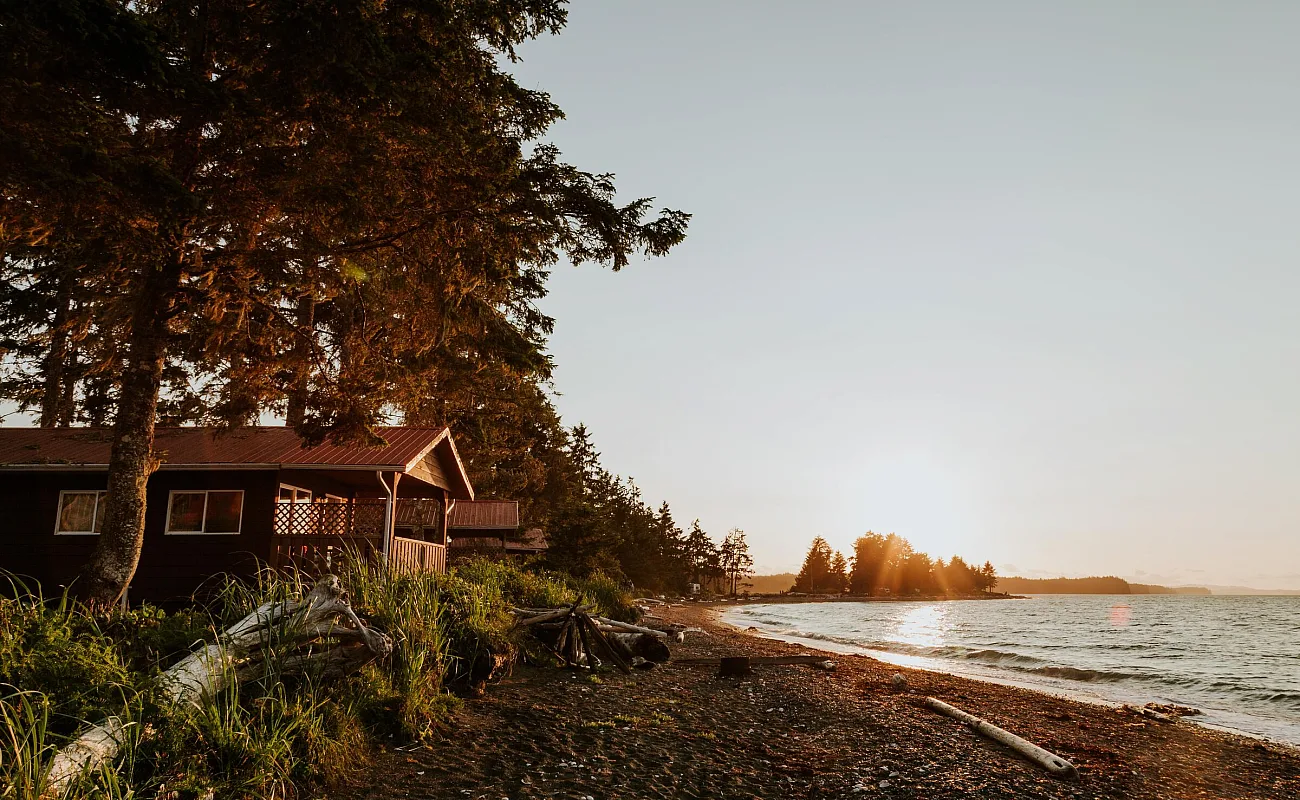
Good craft beer was once non-existent north of Victoria, but now almost every town along The Infinite Coast boasts great brew. In Port McNeill, it’s Devil’s Bath Brewing Co., which showcases inventive brews and hearty pub food to pair it with.
-
 U'mista Cultural Centre | Tourism Vancouver Island/Jordan Dyck
 -
 Alert Bay | Nathan Martin
 -
 Port McNeill | Indigenous Tourism BC/Cluxewe Resort/Kimberley Kufaas
 -
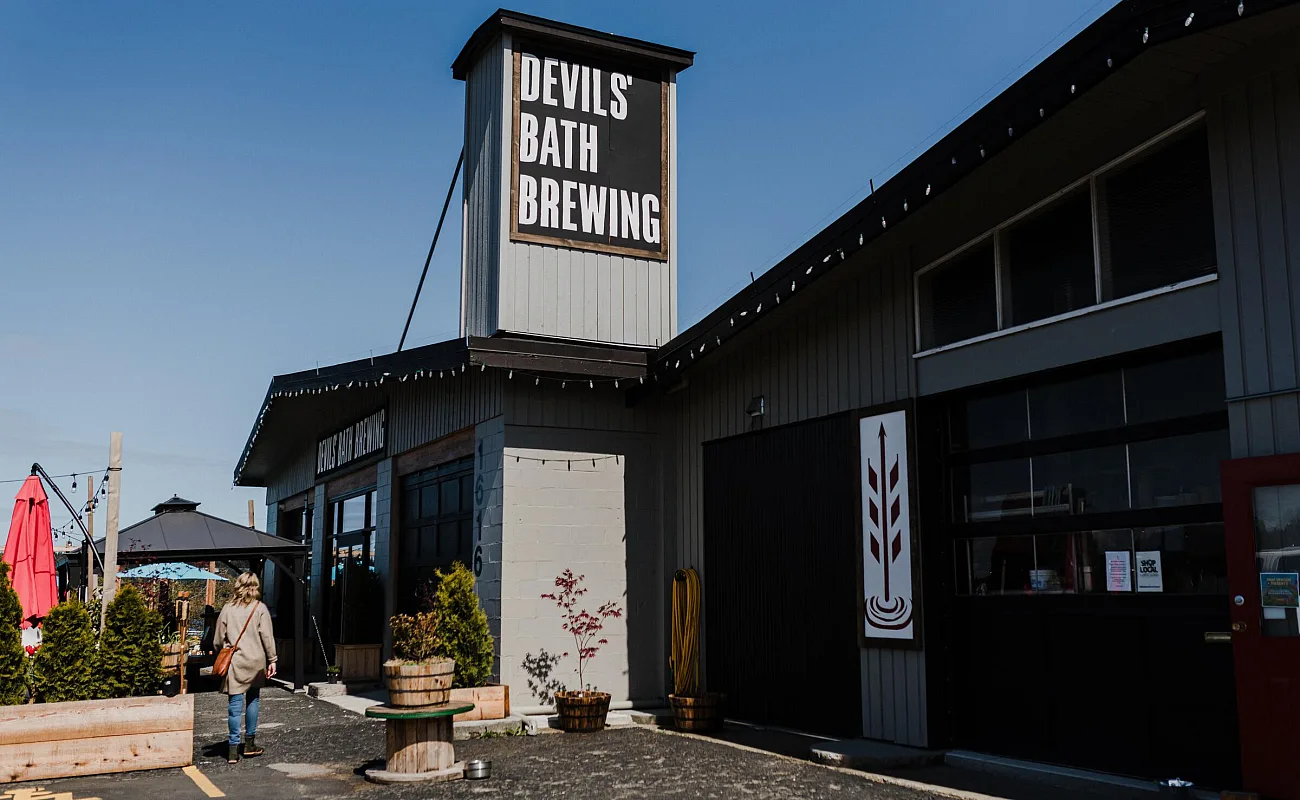 Port McNeill | 4VI/Lexa Bergen
Part 4
Port Hardy
Located as far north as the highway takes you, Port Hardy is home to the sheltered port where you begin your voyage on BC Ferries to Prince Rupert on the north coast of BC. It’s also an inviting destination on its own.
Want to see bears and whales? Coastal Rainforest Safaris can make it happen. The operation also runs tours to Triangle Island—traditionally known in Kwak̓wala as Wa̱di and Hiładi—home to the richest concentration of breeding seabirds on the west coast of Canada. Think adorable wild puffins…in the thousands.
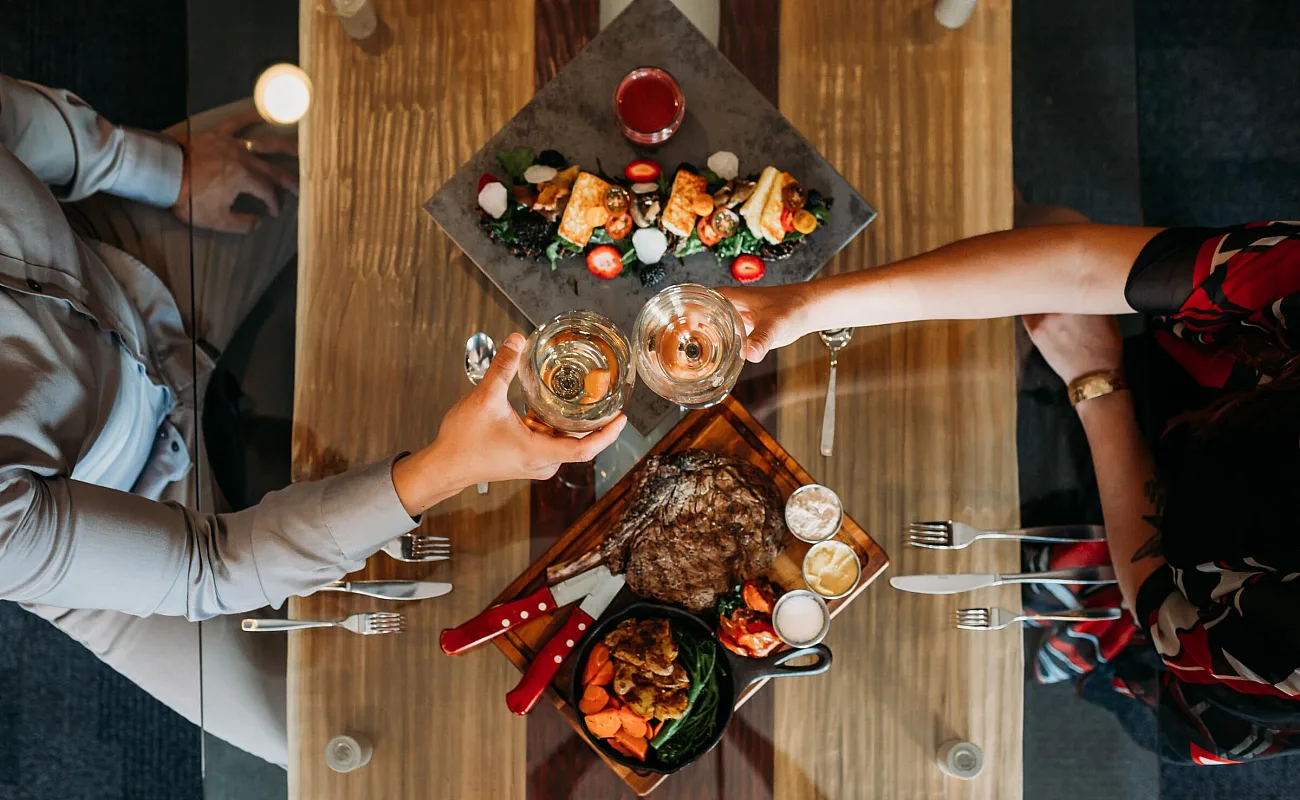
Need a place to lay your head? Kwa’lilas Hotel is an Indigenous-owned luxury hotel featuring stunning artwork and a deep connection to the history of the Gwa’sala and the ‘Nakwaxda’xw Peoples. Ha’me’ restaurant features Indigenous recipes modernized and elevated with meticulous care. Alternatively, woman-owned Hotel 19, formerly a landmark hotel on Port Hardy’s bay, has been renovated and modernized. Named after its location at the end of Highway 19, it’s a good place to rest before getting on the ferry to Prince Rupert.
-
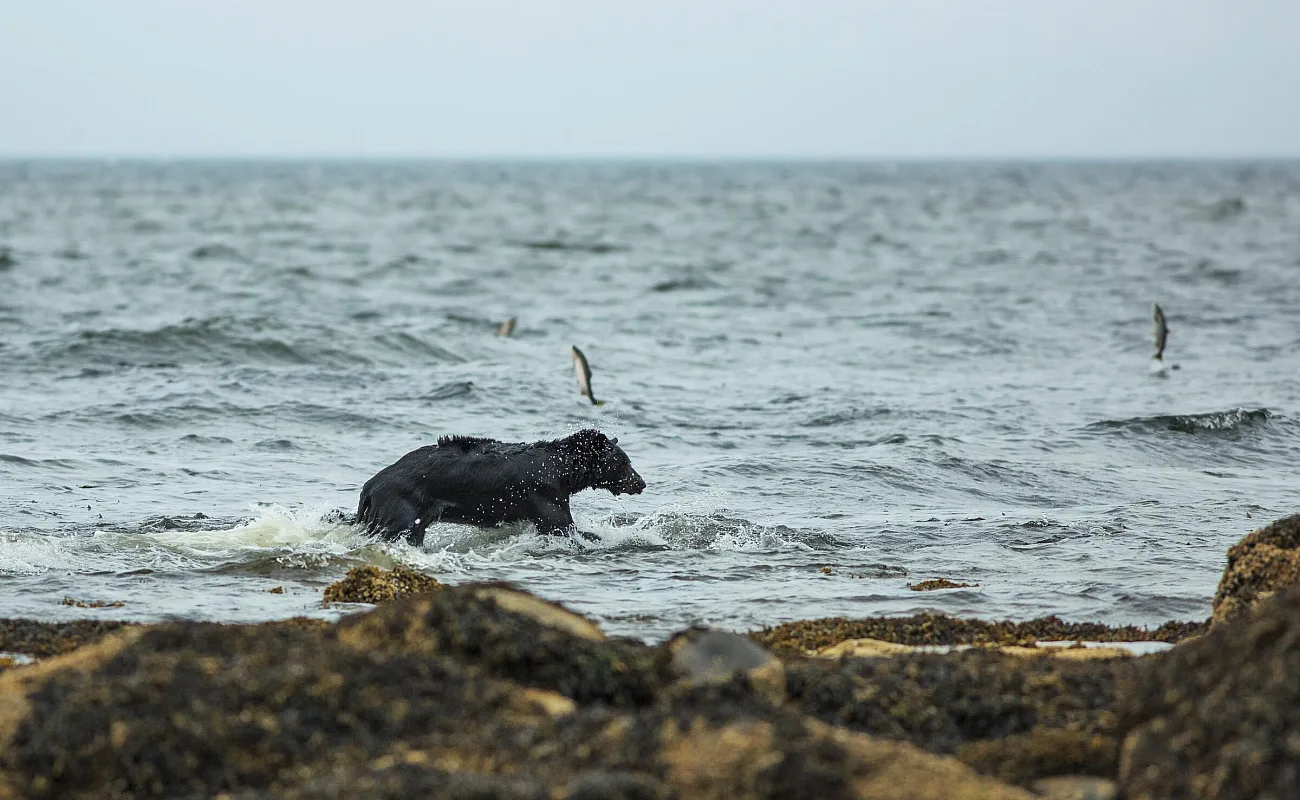 Port Hardy | Northern Vancouver Island Tourism/Steven Fines
 -
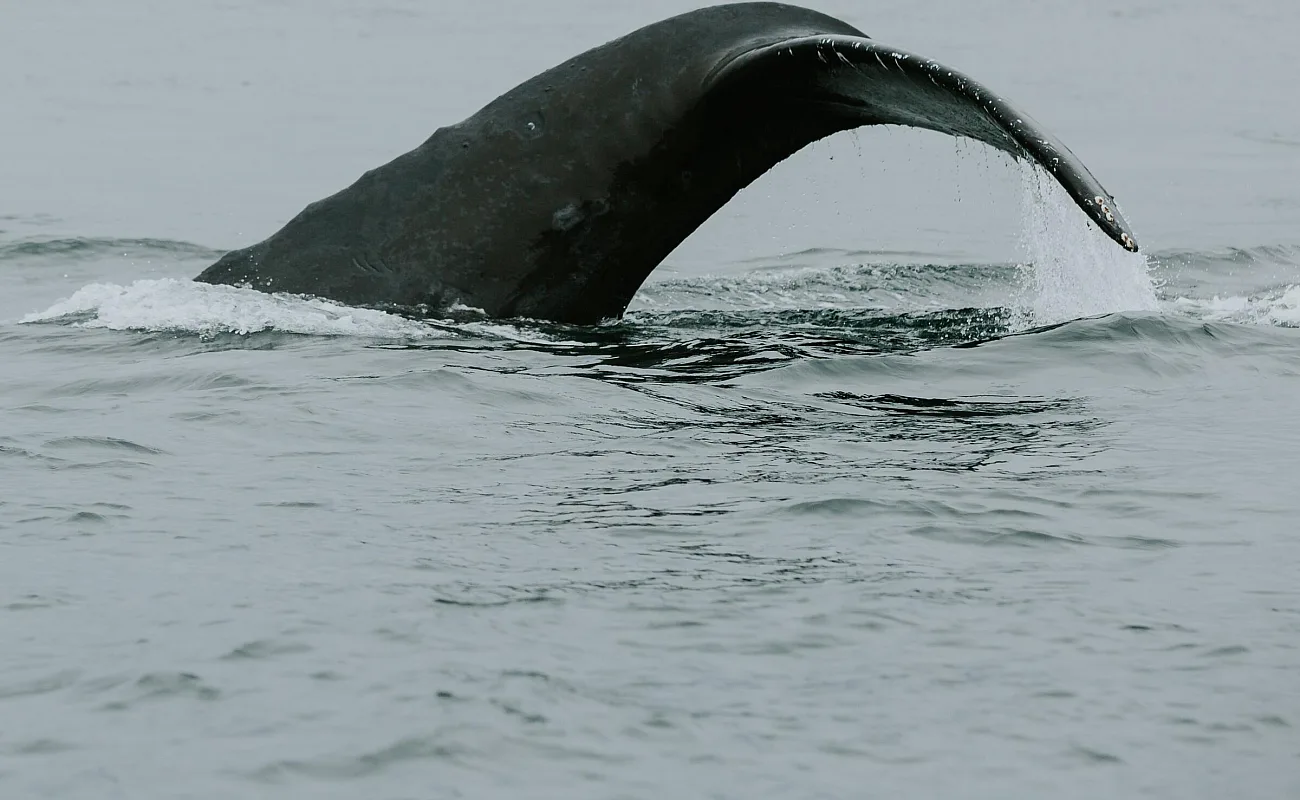 Humpback whale tail | @westcoastlife
 -
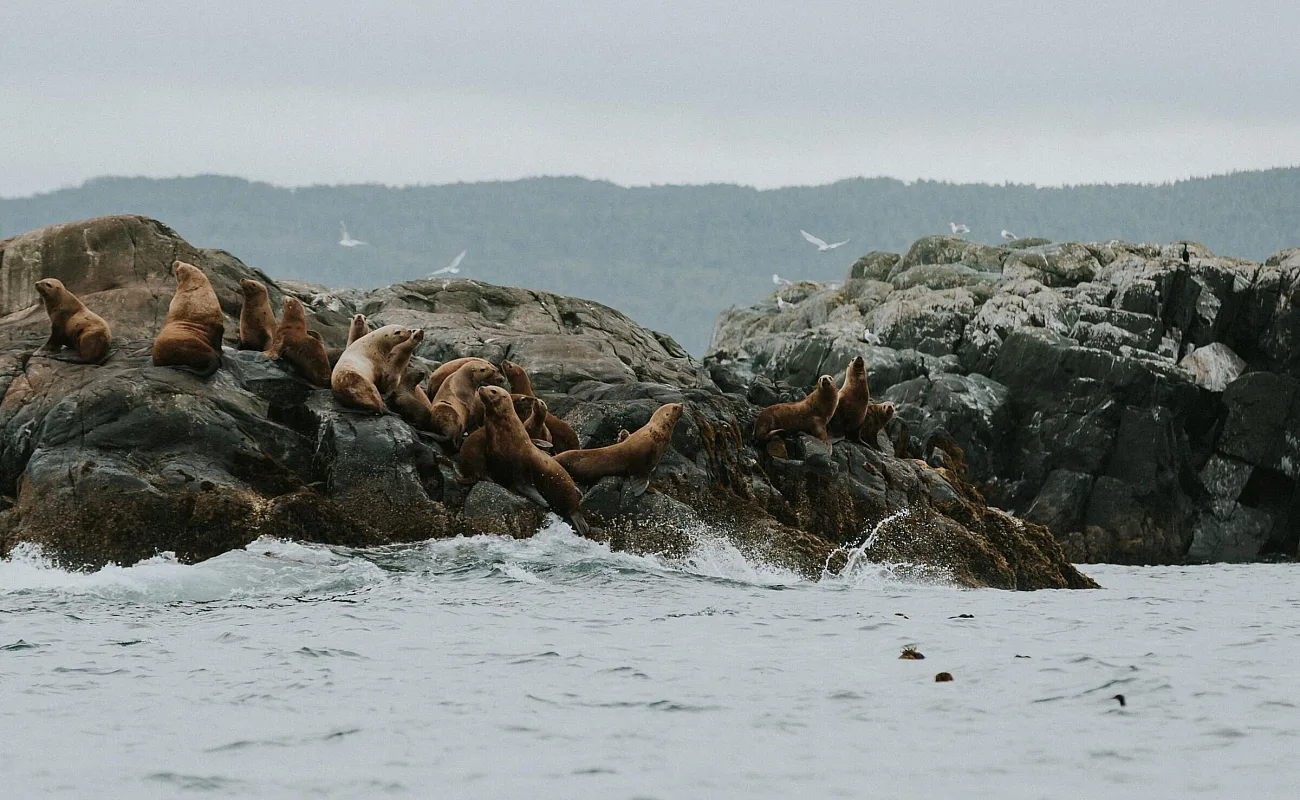 Sea lions | @westcoastlife
 -
 Kwa'lilas Hotel , Port Hardy | Indigenous Tourism BC/Kimberley Kufaas
Creator
Kwa'lilas Hotel , Port Hardy | Indigenous Tourism BC/Kimberley Kufaas
Creator
Part 5
Prince Rupert
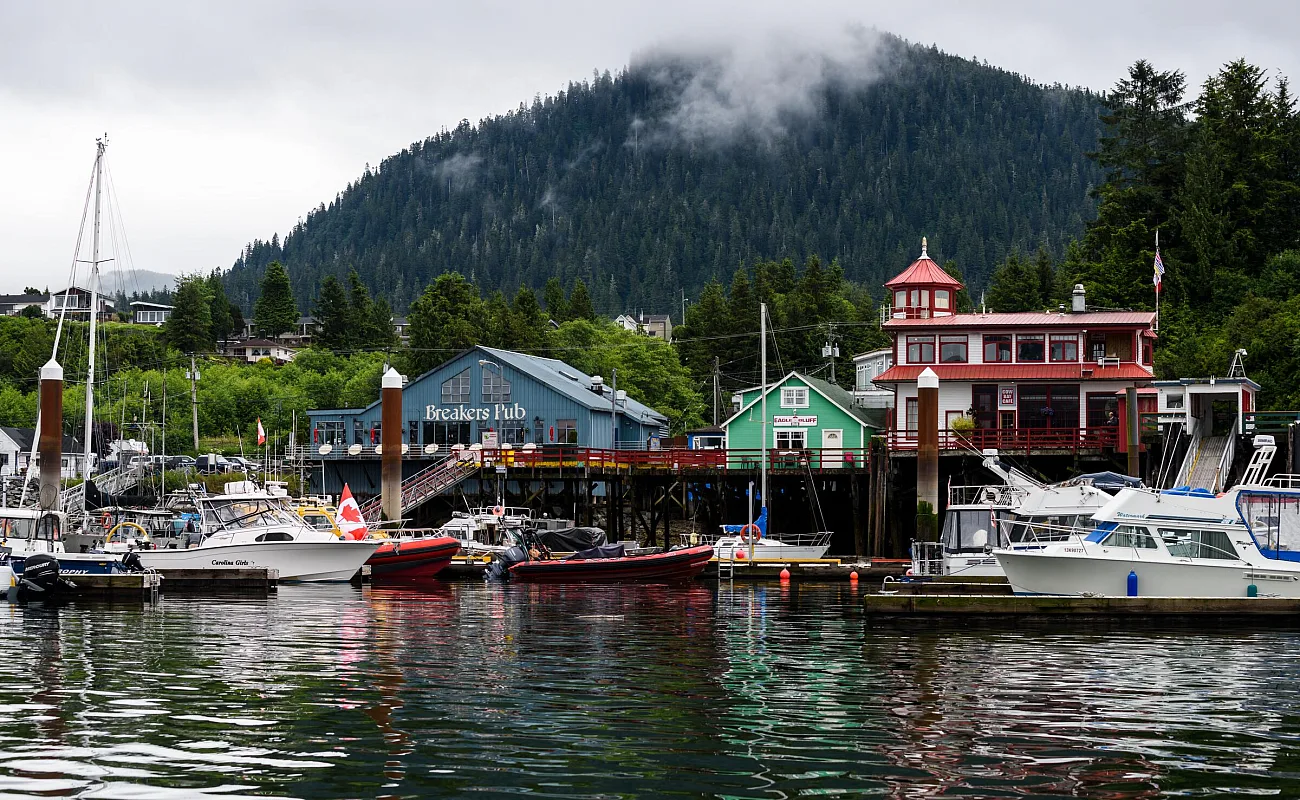
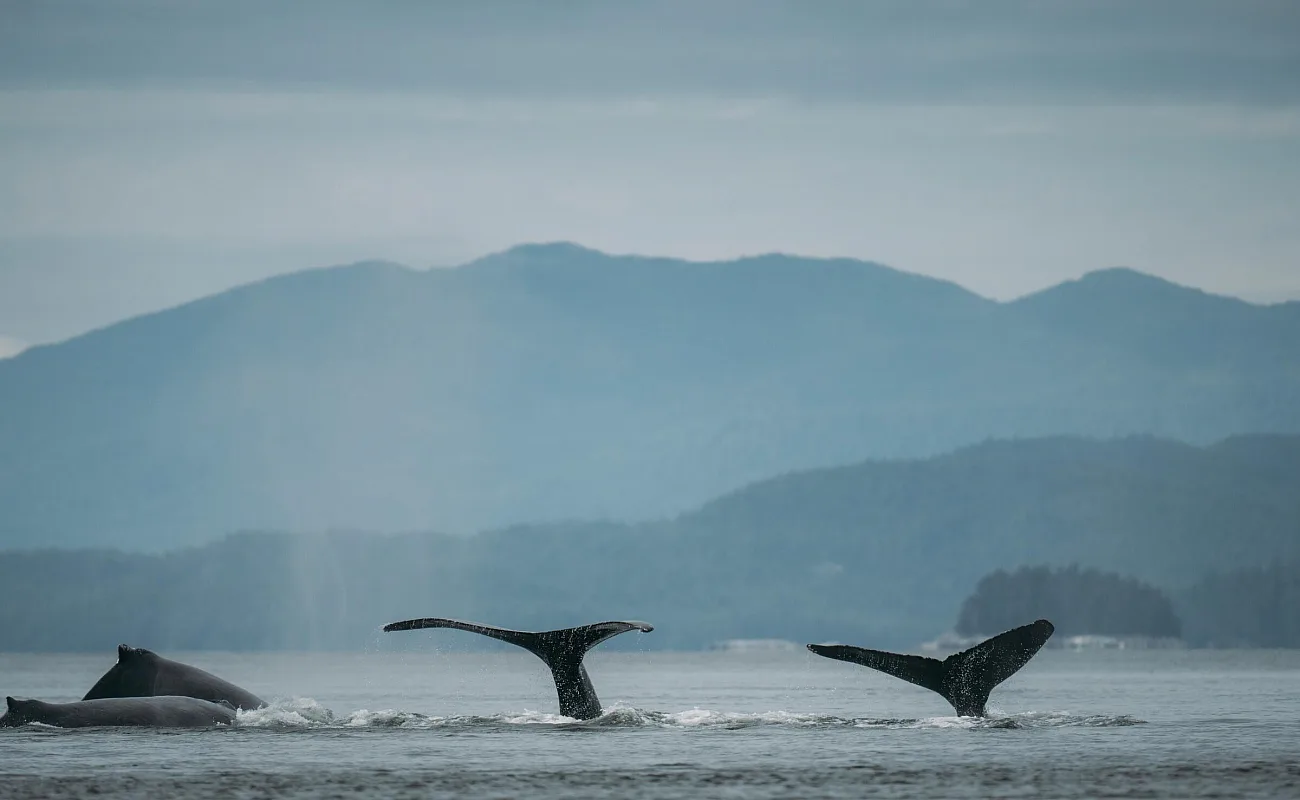
At the end of the BC Ferries Inside Passage crossing, a 16-hour route that mirrors the one taken by many cruise ships bound for Alaska, is the port of Prince Rupert. This picturesque coastal community is a hub for water-based recreation. It also has a surprisingly diverse and delicious lineup of restaurants including sushi, craft breweries, and steakhouses. It’s a charming town perfectly situated for refueling and reflecting after a day viewing whales, bears, and otters in the surrounding marine ecosystem.
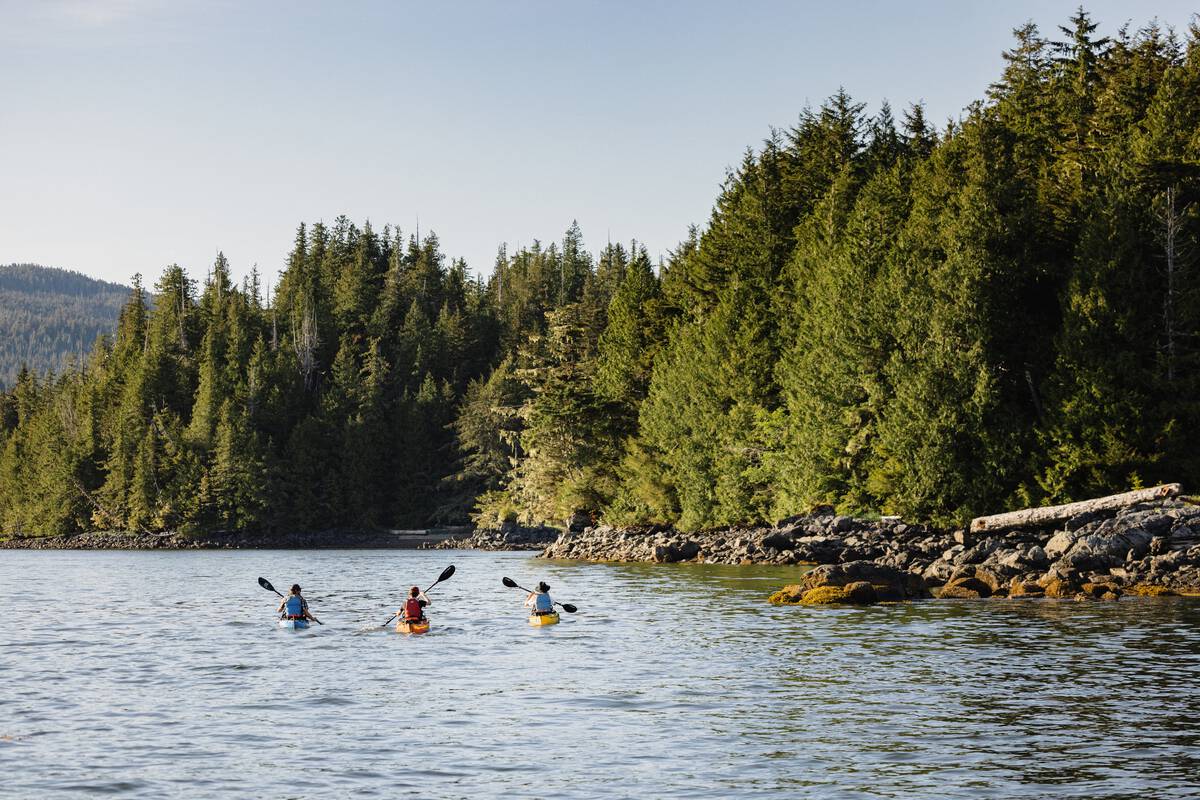
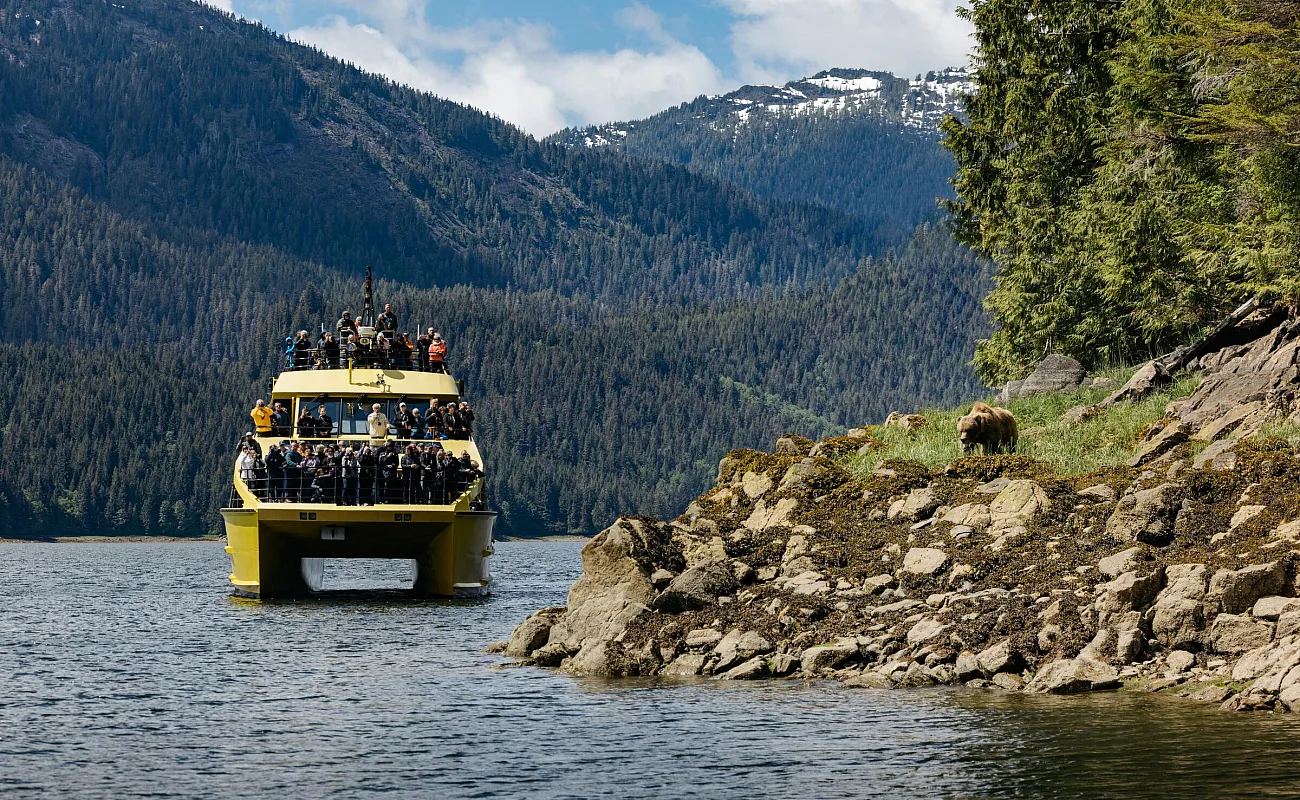
For a wildlife experience, seek out Prince Rupert Adventure Tours, Sunset Charters, or RIBTide Tours. The usual suspects of bears, whales, and even wolves delight wildlife watchers from the safety of a boat. For both guided and self-guided paddling adventures to sandy beaches, tidal pools, and even brilliant seasonal phosphorescent displays, check out Skeena Kayaking.
-
 Prince Rupert | Andrew Strain
 -
 Prince Rupert | Northern BC Tourism, Marty Clemens
 -
 Prince Rupert Adventure Tours | Northern BC Tourism/Marty Clemens
 -
 Cassiar Cannery, Port Edwards | 6ix Sigma Productions
 -
 Whale tails | Northern BC Tourism/Christie Fitzpatrick
Located right on the water, the Crest Hotel is a fan favourite for overnight stays. Open since 1961 and run by the Gitxaała Nation, this 100-room hotel also features the Waterfront Restaurant, consistently rated #1 in Prince Rupert.
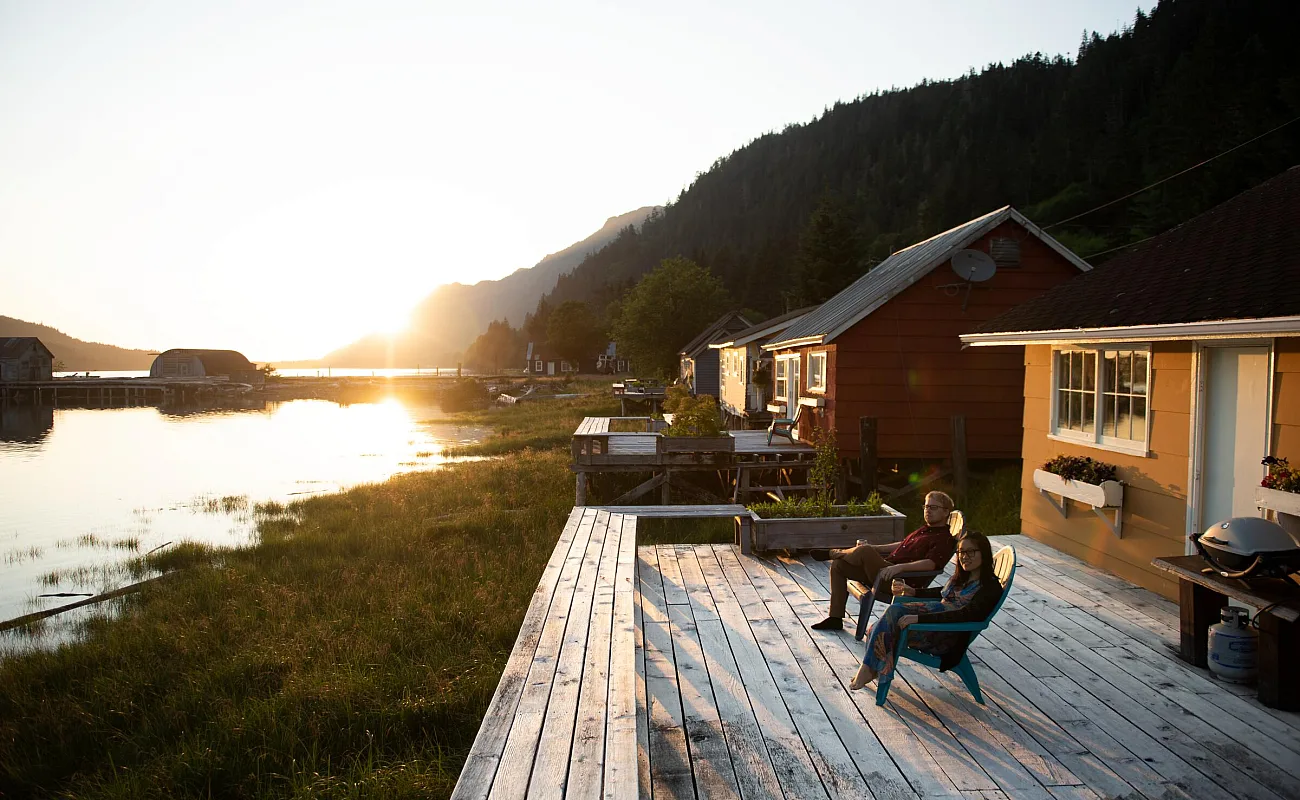
Looking for something more intimate? Eagle Bluff B&B is a colourful and adorable option. And a mere half hour away, at the mouth of the mighty Skeena River and its world-famous steelhead fishing, the historic Cassiar Cannery in Port Edward offers rustic but refurbished cabins on the site of an iconic decommissioned cannery.
The ways to eat in Prince Rupert—from sushi at Fukasaku to Mediterranean at Arabisk to the Saltwater Bakery—are as plentiful and varied as the wildlife.
How to Get to The Infinite Coast
Get to Victoria and the start of your journey by flying in to the Victoria International Airport (YYJ), or fly into Vancouver and travel to Vancouver Island on BC Ferries. From Washington State, you can reach Victoria via the Black Ball Ferry from Port Angeles or the Victoria Clipper from Seattle. Whichever route you choose, ferry reservations are recommended.
Getting Here & Around
Visitors to British Columbia can arrive by air, road, rail, or ferry.
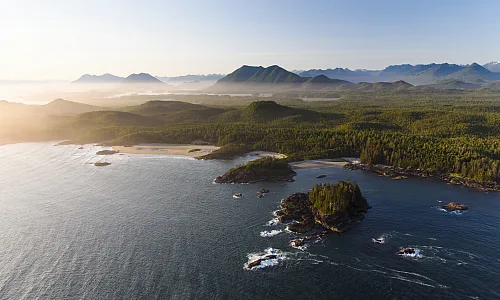
 Pacific Rim National Park | Abby Cooper