
 Barkerville Historic Town & Park
 By: Amber Turnau | June 12, 2026
Nature's Heartland
A guide to gold panning in Nature’s Heartland
Barkerville Historic Town & Park Steeped in the vibrant history of the Cariboo Gold Rush Trail, Nature’s Heartland in British Columbia is a gold panners’ paradise. There is a timeless thrill of the unknown and the curiosity of what new fleck of gold could be waiting around the river bend.
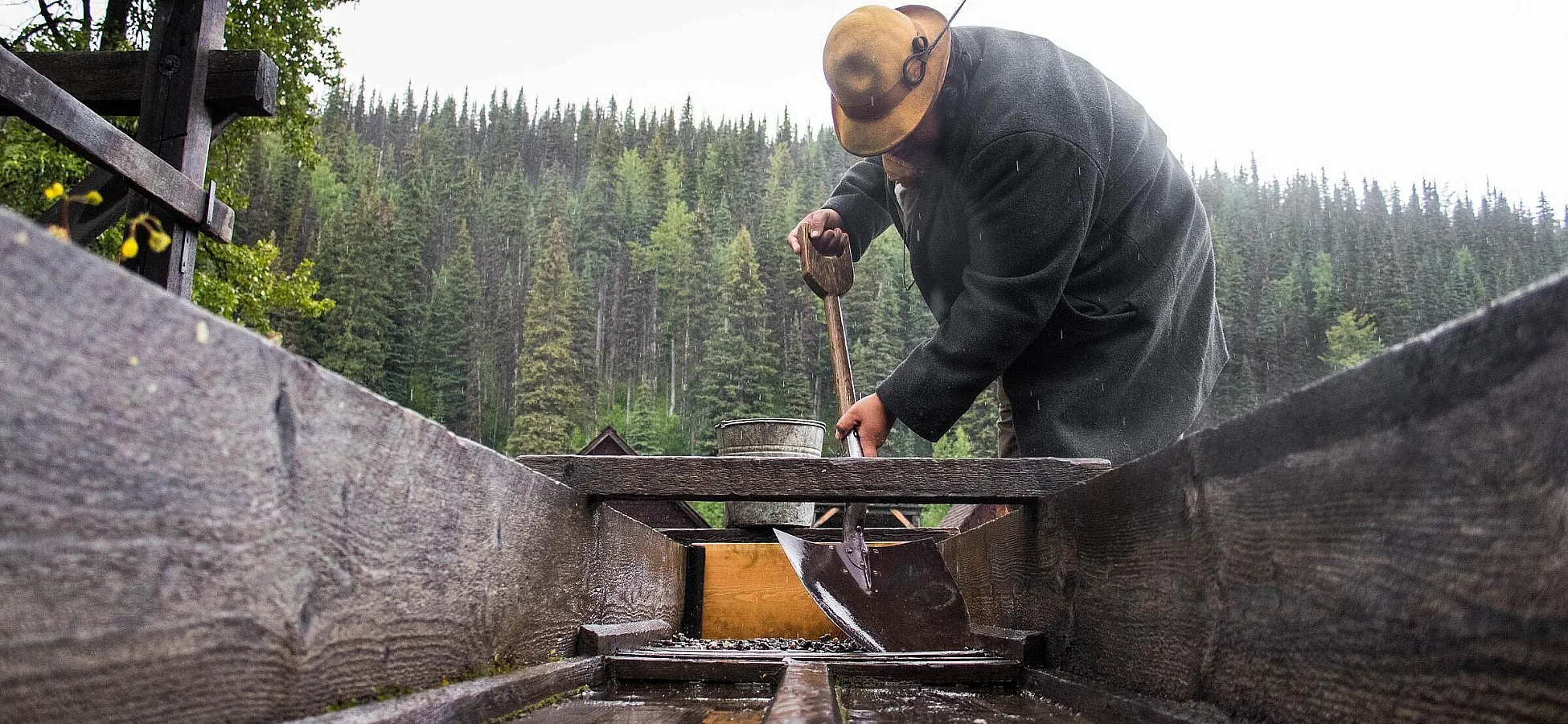
Scoop up a shovel-load of sediment. Swirl it around in a pan full of water. Wait breathlessly for a golden glimmer to appear. These simple actions of gold panning haven’t changed much since the 1800s when gold fever struck BC. Today, you can follow in the footsteps of prospectors at recreational panning sites and attractions sprinkled throughout Nature’s Heartland.
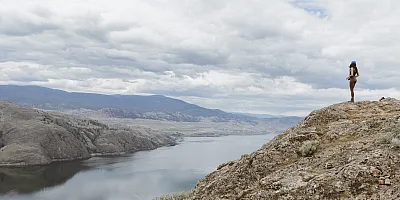
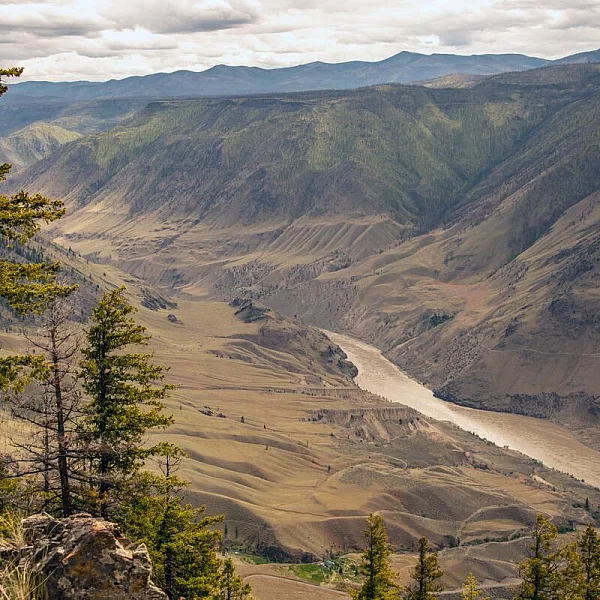 Edge Hills Provincial Park near Clinton | Kari Medig
 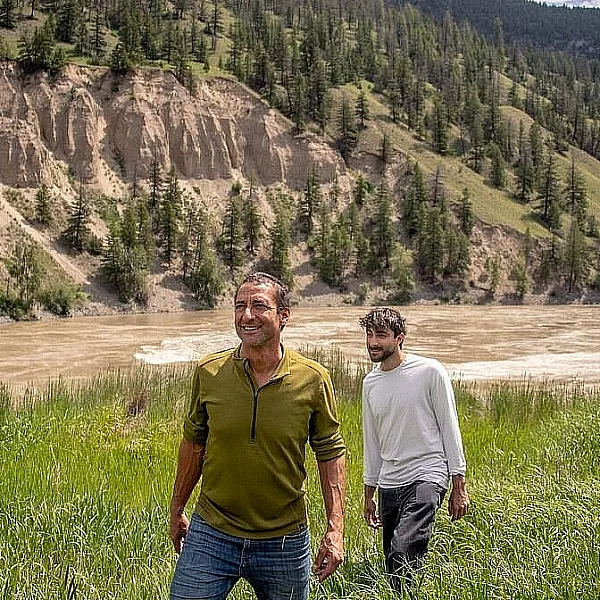 Fraser River | Kari Medig
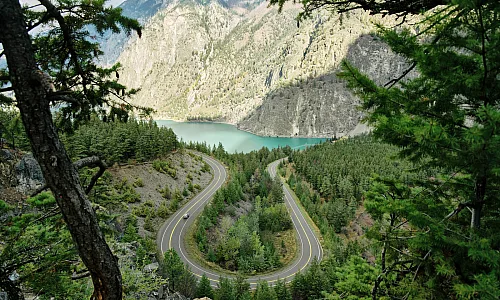
 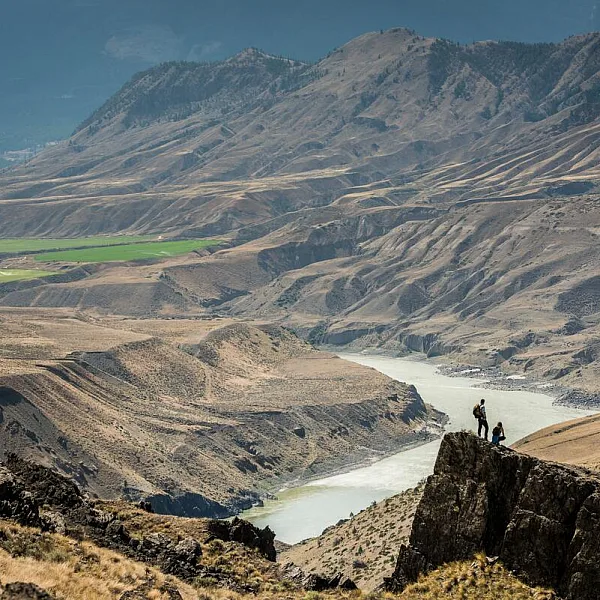 Fraser River, near Jesmond | Blake Jorgenson
 The Gold Rush in BC
A unique combination of ancient geological activity is to thank for this glittering gift. Volcanic activity created the gold, glaciers broke it free, and rushing rivers carried it downstream. Case in point: the mighty Fraser River, which runs from the Canadian Rockies through central BC to the Pacific Ocean in Vancouver, is a major artery that flows through the province, carrying gold with it. Indigenous Peoples have lived along the river for millennia, relying on it for harvesting, trade, and transportation. Their intimate knowledge of the riverways played a pivotal role during the Gold Rush era that came later.
After the first gold strike, prospectors from all over the world travelled to British Columbia via the Fraser. They ventured upriver to the Fraser Canyon, where they connected to a network of trails that brought them to the goldfields, including the Cariboo Waggon Road from Lillooet to Barkerville. The rush eventually faded, but gold still lingers in the rivers and creekbeds of central BC.
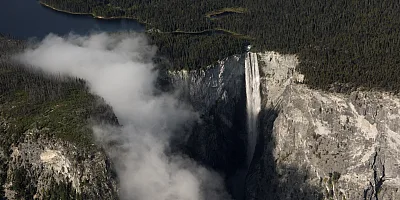
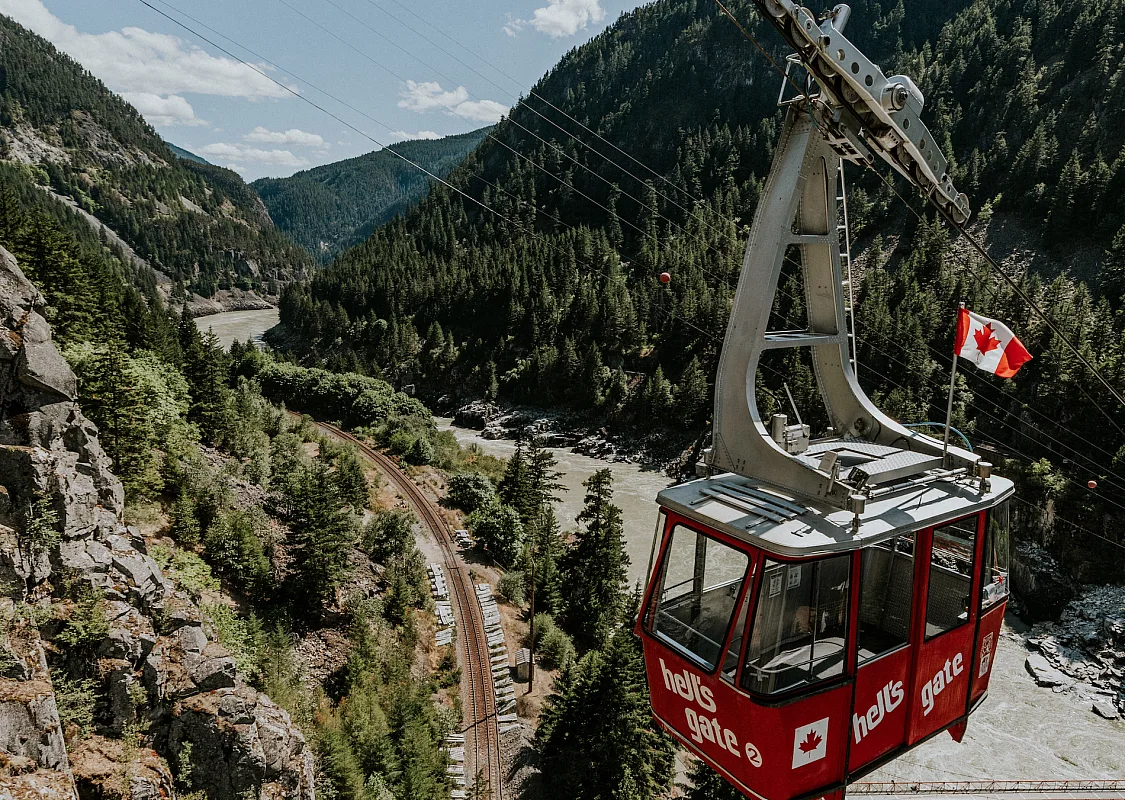 Hell's Gate Airtram | Tourism Hope Cascades & Canyons/Connect Media
 Striking gold in central BC
Recreational gold panning is permitted at several locations in the Fraser Canyon, Cariboo, and Thompson Valley, offering a hands-on connection to this fascinating chapter of BC history. From guided experiences to self-led trips, here are a few ways to try gold panning in Nature’s Heartland:
Yukon Dan – Based in Hope and Yale, Yukon Dan is a world championship gold panner whose long beard hints to a treasure trove of tales to tell. The characterful prospector is regarded as the resident gold expert in the area, hosting private tours and running the Fraser River Gold Panning Championship, which attracts gold enthusiasts from around the globe. Contact him to book a custom experience.
Perfect for: Anyone wants to soak in the art of gold panning from a seasoned pro.
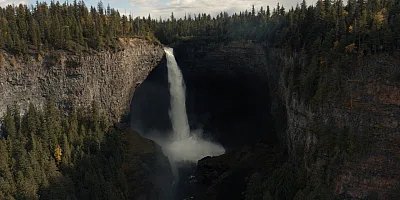
Hell’s Gate Airtram – The Air Tram near Boston Bar offers a thrilling ride across the rushing Fraser River, as well as gold panning, a cafe, observation decks, and a fisheries exhibit.
Perfect for: Seeing the Fraser River from new heights before or after gold panning.
-
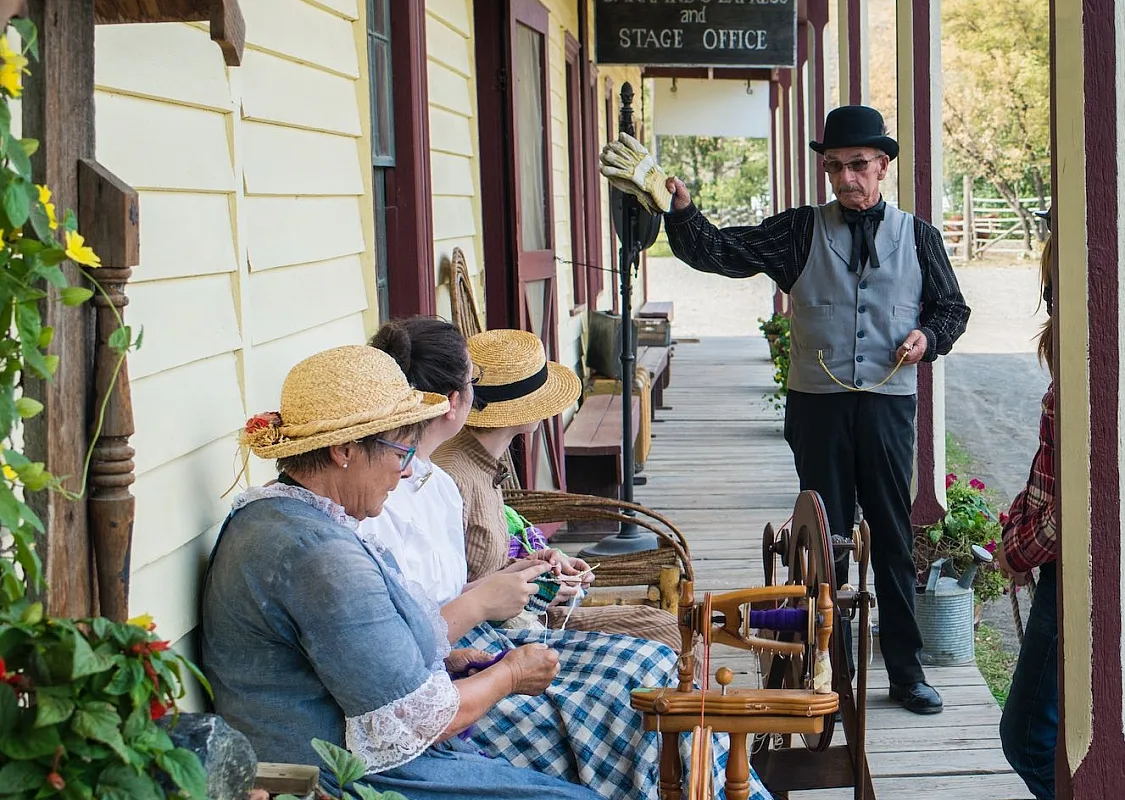 Historic Hat Creek Ranch, Cache Creek | Blake Jorgenson
 -
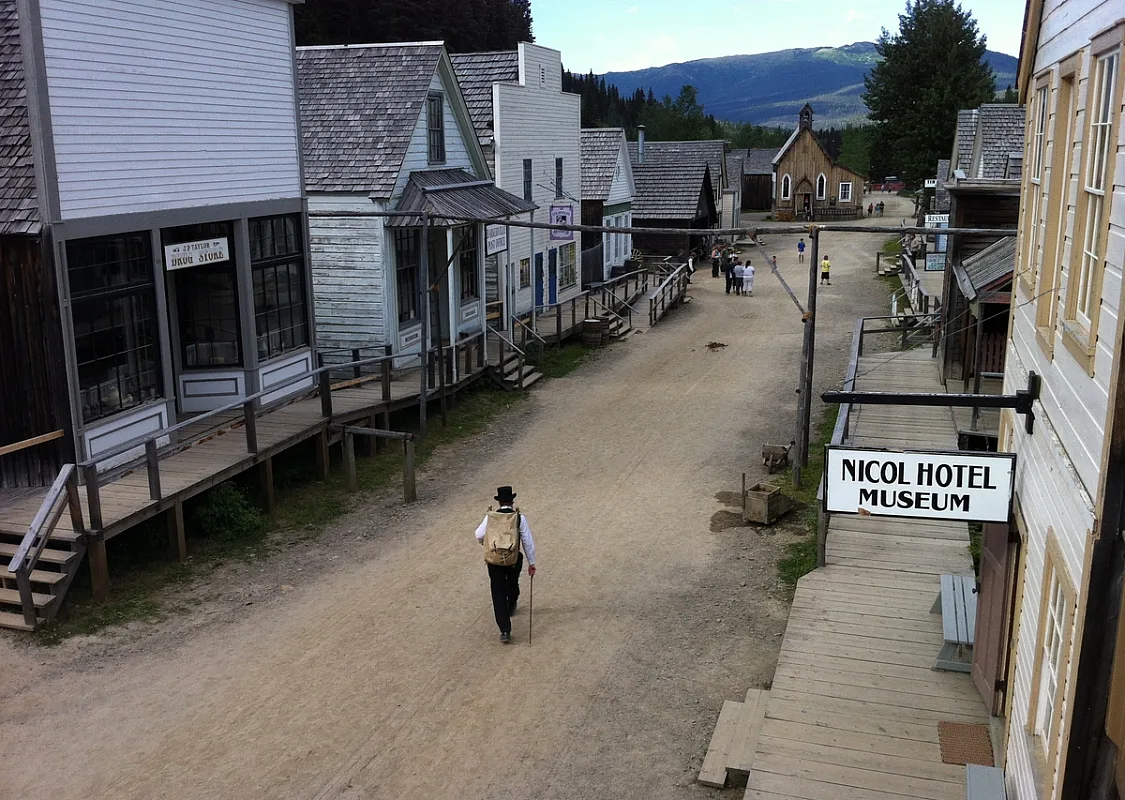 Barkerville Historic Town
Historic Hat Creek Ranch – Experience a slice of history at this preserved roadhouse near Clinton, a town that welcomed many gold prospectors, adventurers, and traders during the Gold Rush era. From stagecoach rides to Indigenous exhibits, there are plenty of stories to uncover as you pan for gold. They also offer a range of quirky accommodation, including cabins, miners’ shack, and even a covered wagon.
Perfect for: Beginner gold panners who want to learn more about the Gold Rush in BC.
Barkerville Historic Town & Park – In 1862, the famed William “Billy” Barker made a legendary gold strike, launching the Cariboo Gold Rush and the town of Barkerville (named in his honour). Located near the present-day town of Wells, it is now a historic site, preserved in time with live actors to recreate life in the 1800s. Try gold panning, tour interpretive exhibits, and stroll through heritage boutiques and shops. You can also stay overnight in one of their cottages or guest houses.
Perfect for: A fully immersive Gold Rush experience.
River Monster Adventures – River Monster, located in Lillooet, offers gold panning, sturgeon fishing, and jet boating, all while sharing the fascinating history of the area. Race up the Fraser River on a jet boat to a proven gold claim to try your hand at the pan. The bonus? You get to keep what you find.
Perfect for: Those looking for an adventurous and varied gold panning excursion that may include catching an ancient sturgeon.
Planning to pan: a few nuggets of wisdom
From permits to packing, follow these important tips before you head off on a gold panning adventure in Nature’s Heartland.
How do I know where to go gold panning?
If you plan to do self-guided gold panning, you’ll want to research ahead of time. Pan with permission and know whose land you’re on before you head into gold country. Gold panning isn’t permitted on private property, First Nations land, in a provincial or national park, or at heritage sites. Check out this interactive map of BC to learn which areas of the province are designated for recreational gold panning.
What are the safety concerns when gold panning in BC?
Many gold panning areas are located in remote places along forestry roads in vast wilderness and it’s important to do your research and have a solid plan in place. Always check road conditions, weather, and location-specific info before heading out. Avoid panning when river levels are high (especially during spring freshet) or where there are other threats like wildfires. Follow the BC AdventureSmart Three Ts: Training, Trip Planning and Taking the Essentials when you go outdoors. If you’re going out of cell range, consider bringing a GPS communicator like a Garmin InReach to call for help if needed.
What equipment should I bring?
In BC, approved recreational gold panning equipment includes hand pans and hand shovels. You can also bring a screening device to classify the gravel. (Note: You will need a permit for more sophisticated panning equipment.)
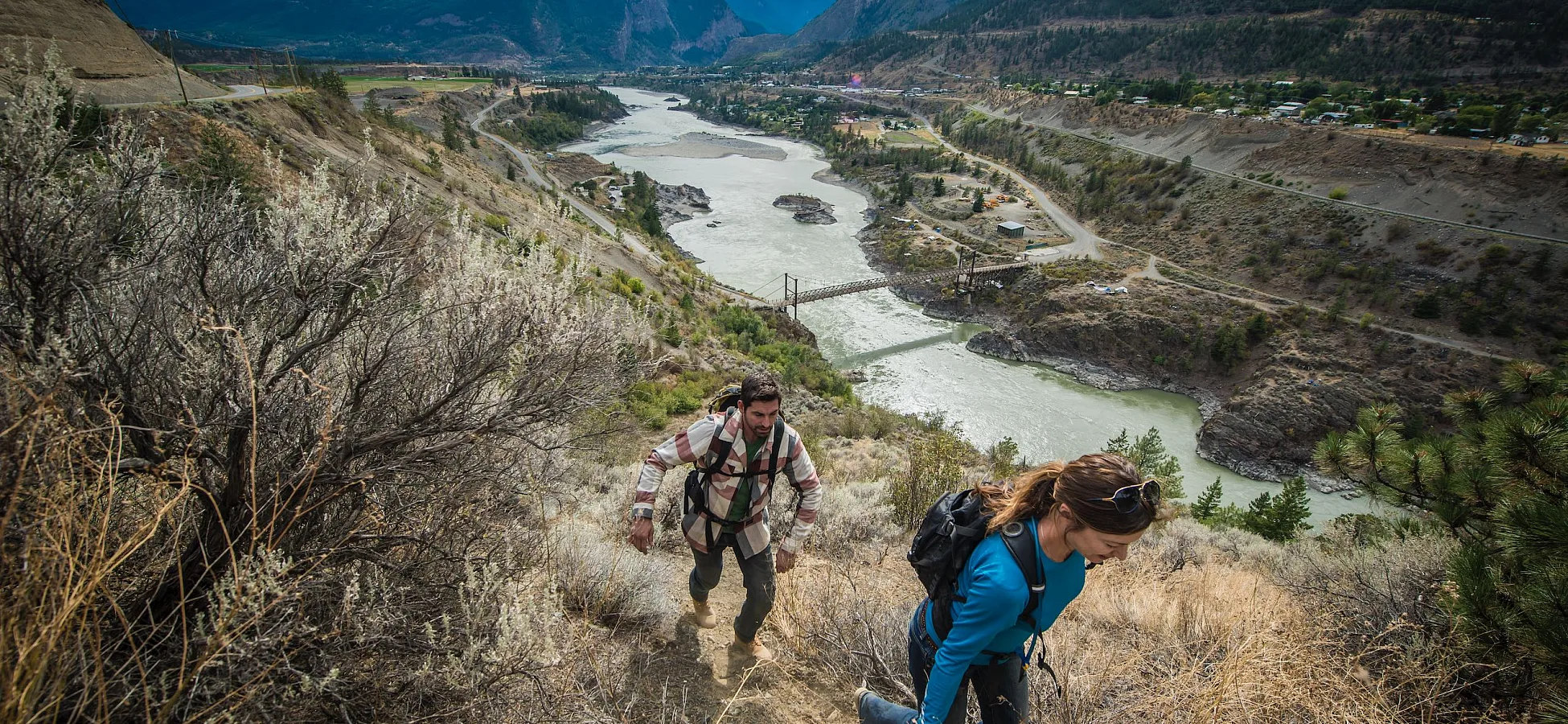 Fraser River, Lillooet | Blake Jorgenson
 What should I wear for gold panning?
Weather changes quickly in British Columbia, so always bring layers, head protection, and sunglasses. You’ll be around water, so rubber boots, gloves, waterproof gaiters, and protective jacket and pants are handy. A bug net for your head or a bug jacket is also recommended.
When is the best time to gold pan in Nature’s Heartland?
Gold panning in central BC is prime when water levels are lower and you can access more area in creeks and riverbeds. Depending on precipitation levels, late spring, early summer, and just before freeze-up in the fall are best for gold panning.
How do I protect the environment when I’m panning?
We all have a responsibility to be respectful of the lands and waters we visit. And that starts with the actions we take while out there. Pack out what you pack in and refill your prospecting holes with sediment when you’re done. Clean, drain, and dry all equipment after use to prevent the spread of invasive species, and give wildlife plenty of space if you encounter animals. Find more best practices on the Government of BC website.
Will I actually find gold?
While BC rivers still run with gold, it is never a guarantee that you will find any. The more knowledge you gather from experts, the better your chances of striking gold. The best time to start is today.
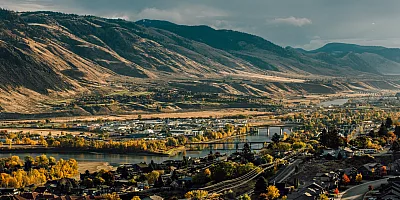
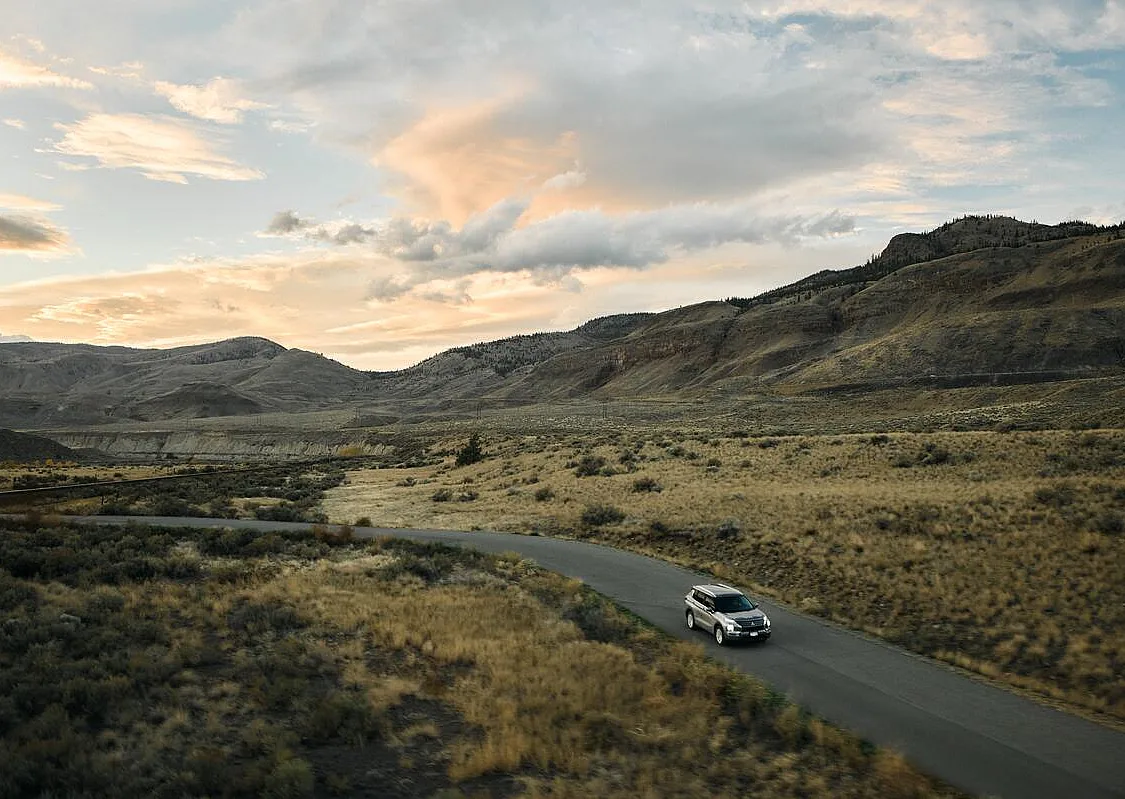 Between Kamloops and Cache Creek | Hubert Kang
 Getting to the Gold Rush Trail
In the 1800s, gold prospectors travelled along the legendary Gold Rush Trail by paddle-wheeler, horseback, and on foot, but it’s much easier to get around today. Trace their path to gold country in Nature’s Heartland, from New Westminster to Barkerville and beyond.
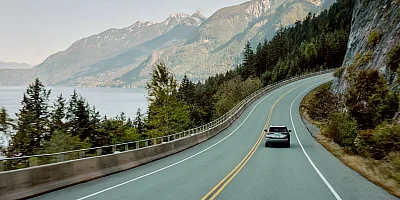
Drive: While there several major highways lead to central BC, the Trans-Canada Highway (Highway 1) and Scenic Route 7 (Highway 7) are the official gateways from Metro Vancouver to the Gold Rush Trail. Continue north into a web of connected roadways that bring you to Gold Rush towns, parks, historic sites, and gold mining stops of interest. Follow DriveBC for real-time updates on highway conditions.
Fly: You can also fly into the region via Prince George Airport (YXS), Quesnel Regional Airport (YQZ), and Williams Lake Regional Airport. Car or RV rentals will likely be required to get around, though some guest houses offer airport transfers. Remote lodges may also offer a floatplane charter option.
Boat: The rivers, lakes, and tributaries remain an adventurous mode of transport through gold country in Nature’s Heartland. There are several jet boating tours along the Fraser River.
Learn more about adventures in Nature’s Heartland.
Getting Here & Around
Visitors to British Columbia can arrive by air, road, rail, or ferry.
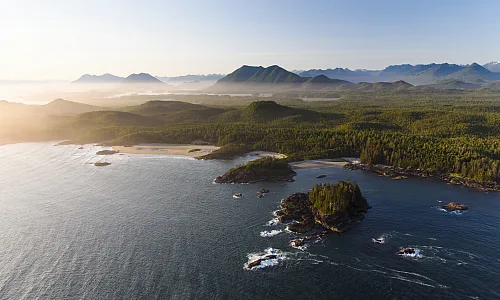
 Pacific Rim National Park | Abby Cooper