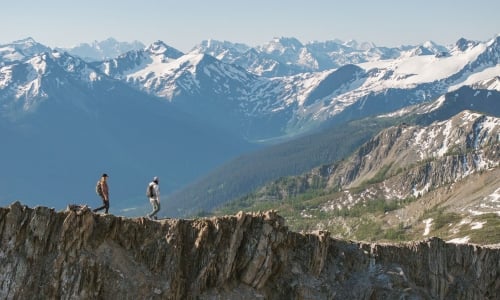

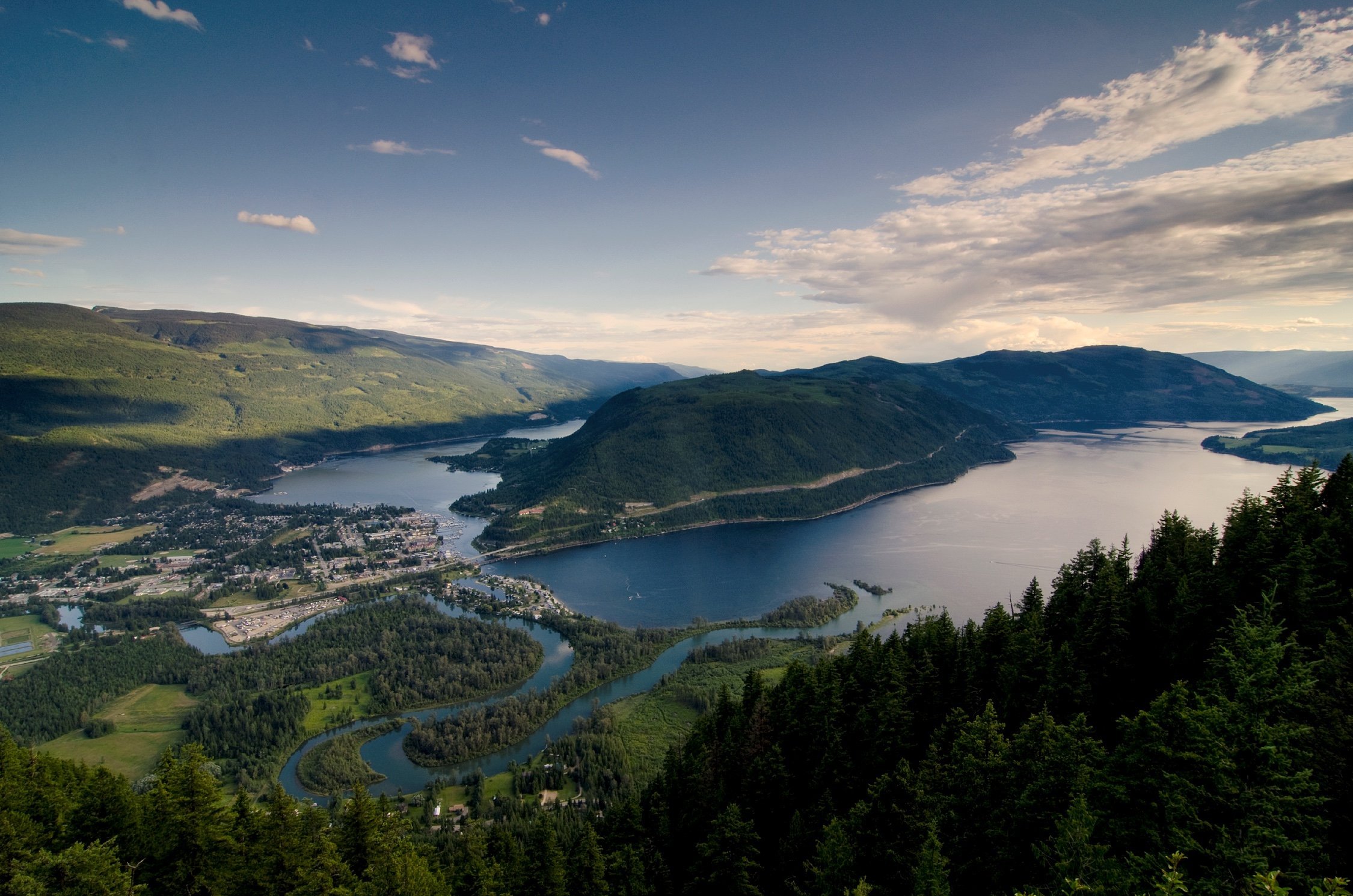
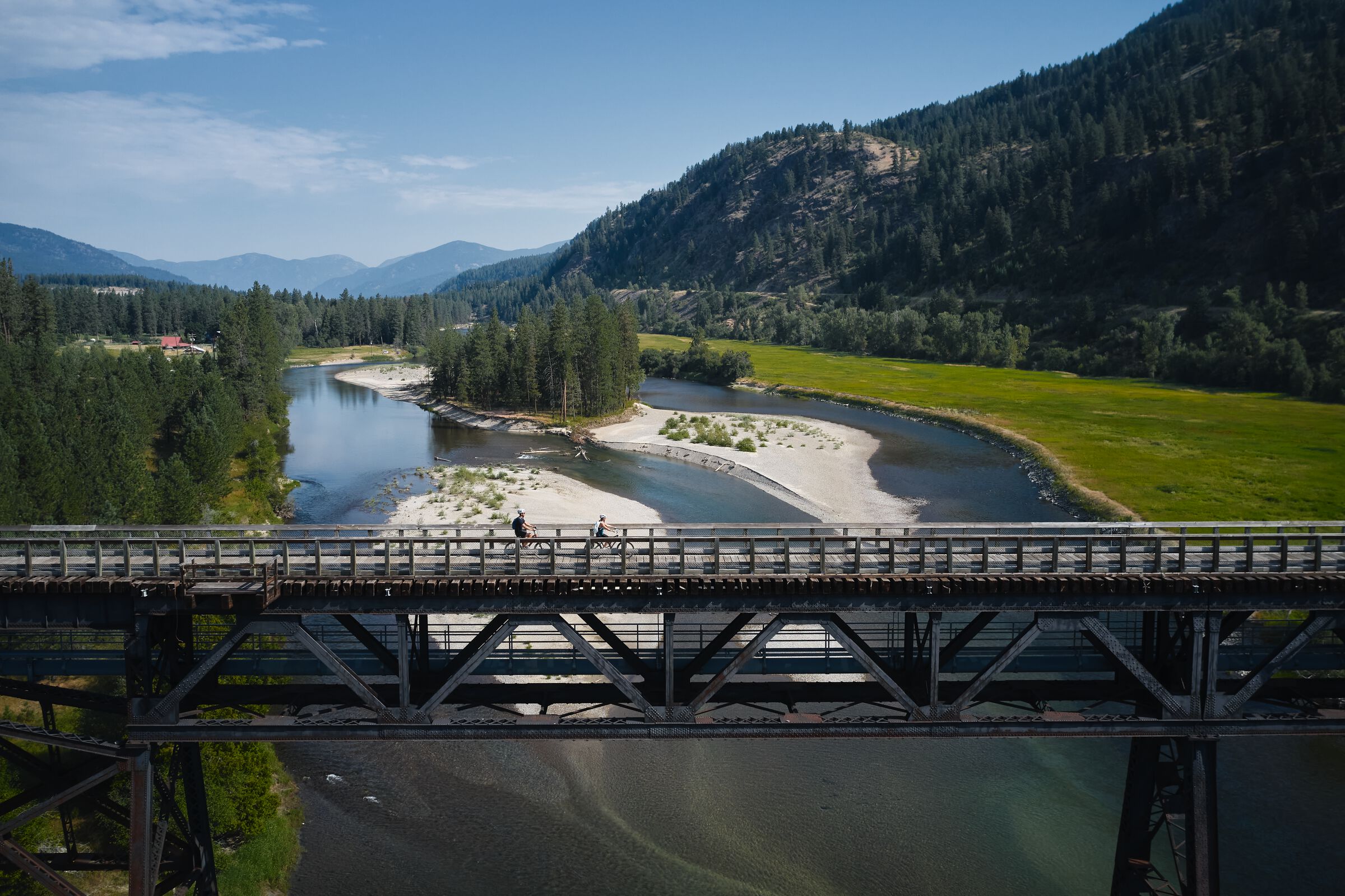
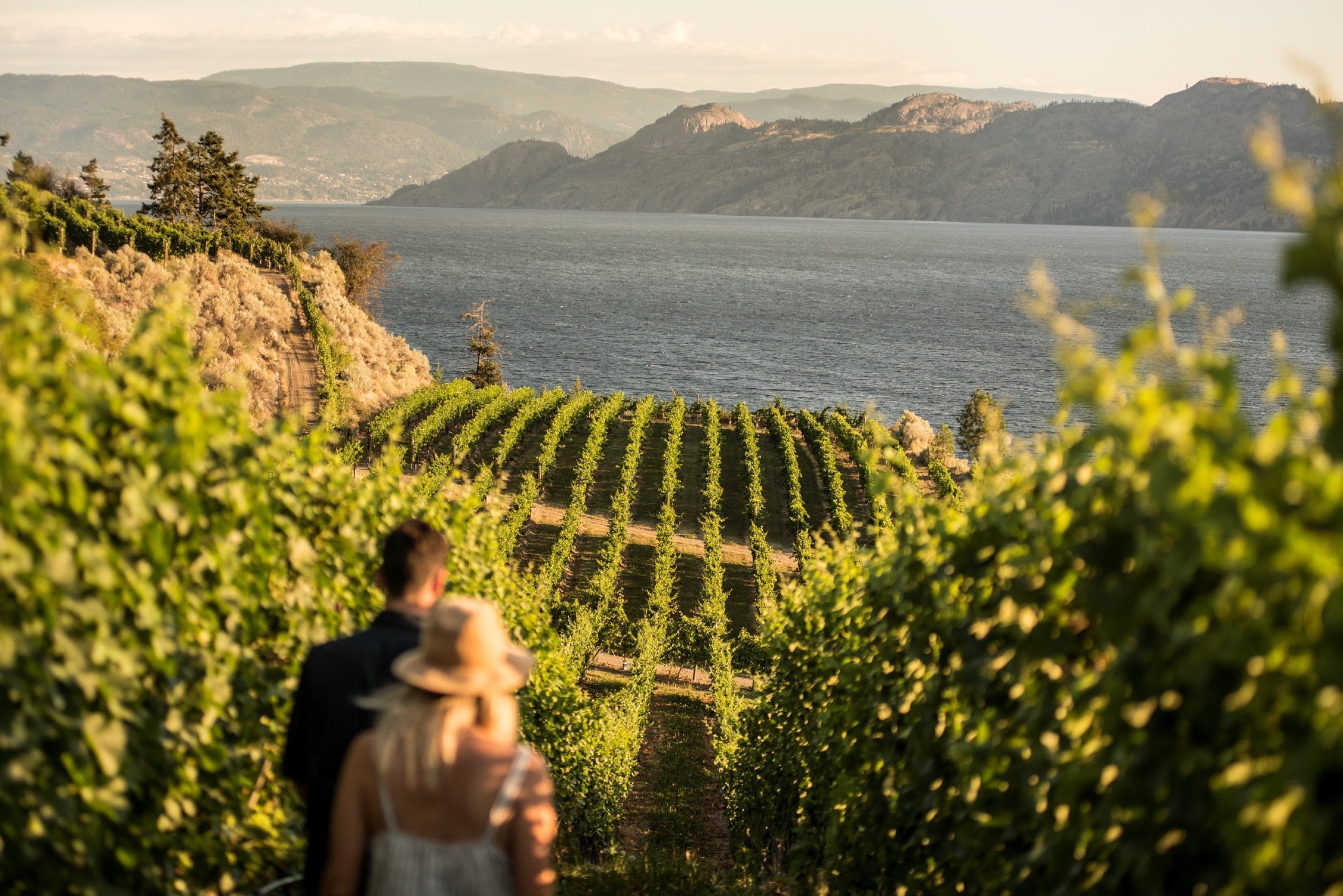
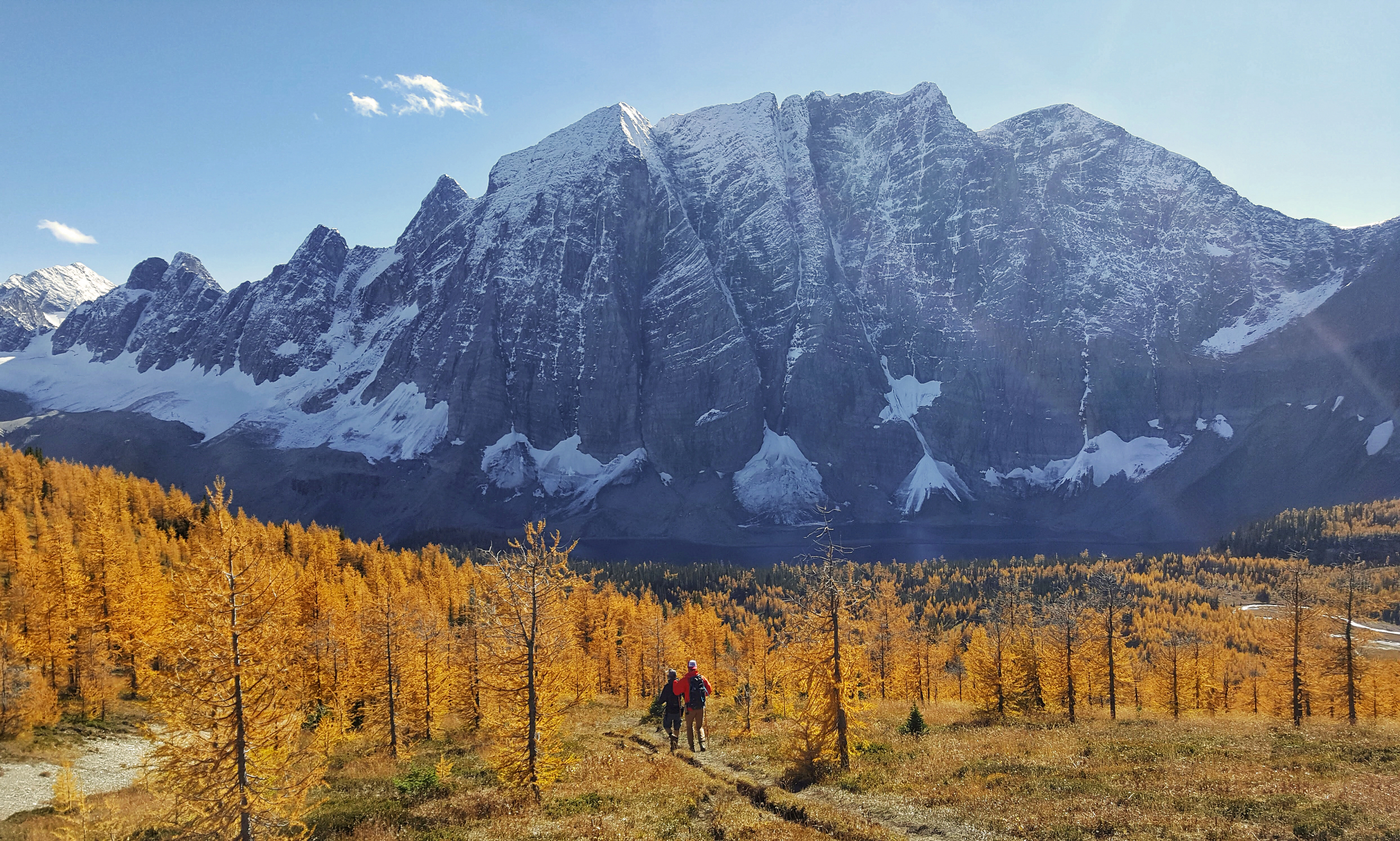
 Kootenay National Park | Destination BC/Kristi Nicholson Kootenay National Park | Destination BC/Kristi Nicholson
 Finding Golden Larch in British Columbia
Written by: Shawn Conner | July 17, 2024
There’s so much to do and see in British Columbia that even something as brief, rare, and colourful as the fall larch can get overlooked. But each year, those in the know venture out into the alpine to see a truly remarkable sight: these deciduous conifers turning a delicious, buttery golden yellow. It’s a thrill that keeps nature lovers coming back year after year.
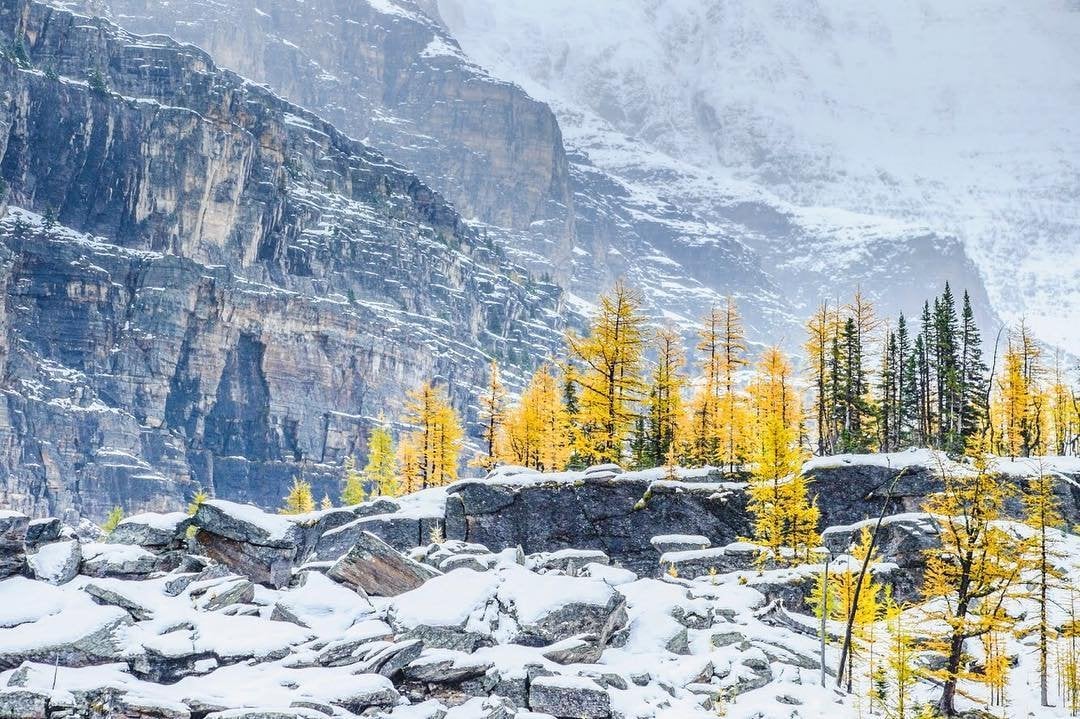 Yoho National Park | @dantracker on Instagram
 What makes the larch so special?
From towering Douglas fir to grand Western red cedar to lush arbutus, BC residents are already surrounded by trees. But there are only a few places to see the larch, and a short period of time in which these deciduous conifers’ needles (technically leaves) turn their signature golden hue. This weeks-long window begins in mid-to-late September and ends with the first snowfall in the mountains sometime in October.
Seeing them requires investment and commitment, but the rewards are worth the trouble. While you have to hike into the alpine in the fall, when the weather is chilly, the alpine is at the height of its beauty at this time of year once the bugs have fled the scene and so have the summer crowds. Make the effort and you, too, may find yourself catching “larch fever.”
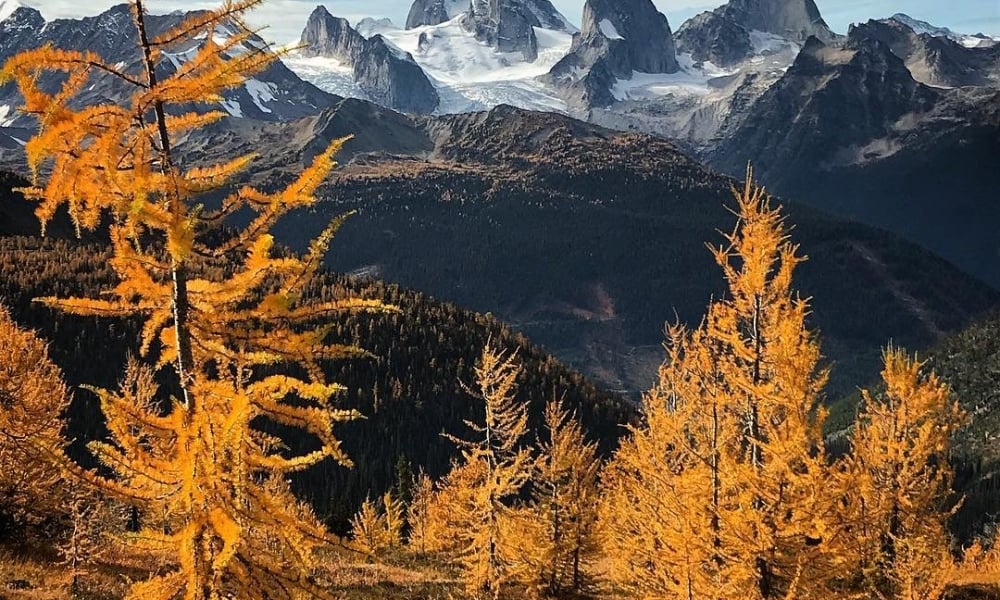 Golden larch in the Bugaboos | @reganjohnston_ via Instagram
 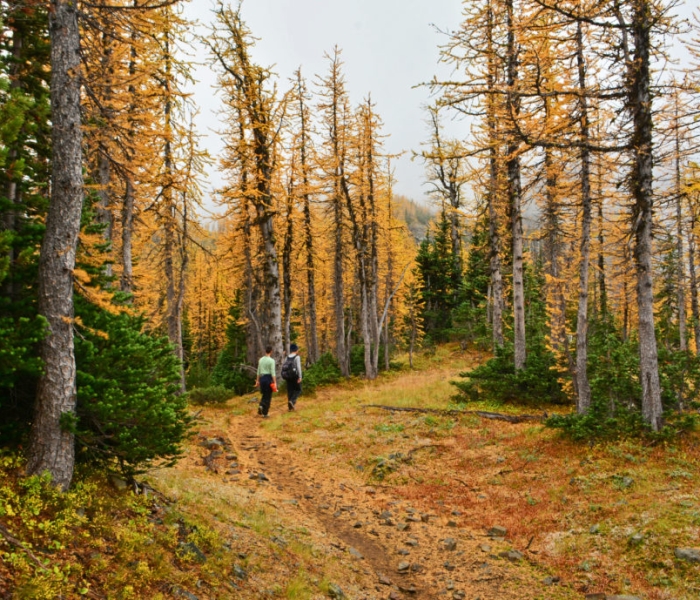 E.C. Manning Provincial Park is especially beautiful in the fall. Photo: Iain Robert Reid
 Where to see larch in BC
If you’re thinking that the time has come to see the larch, you’re in luck; fall is coming, and the trees are a road-trip and a hike away. Here are a few of the best places to witness this phenomenon.
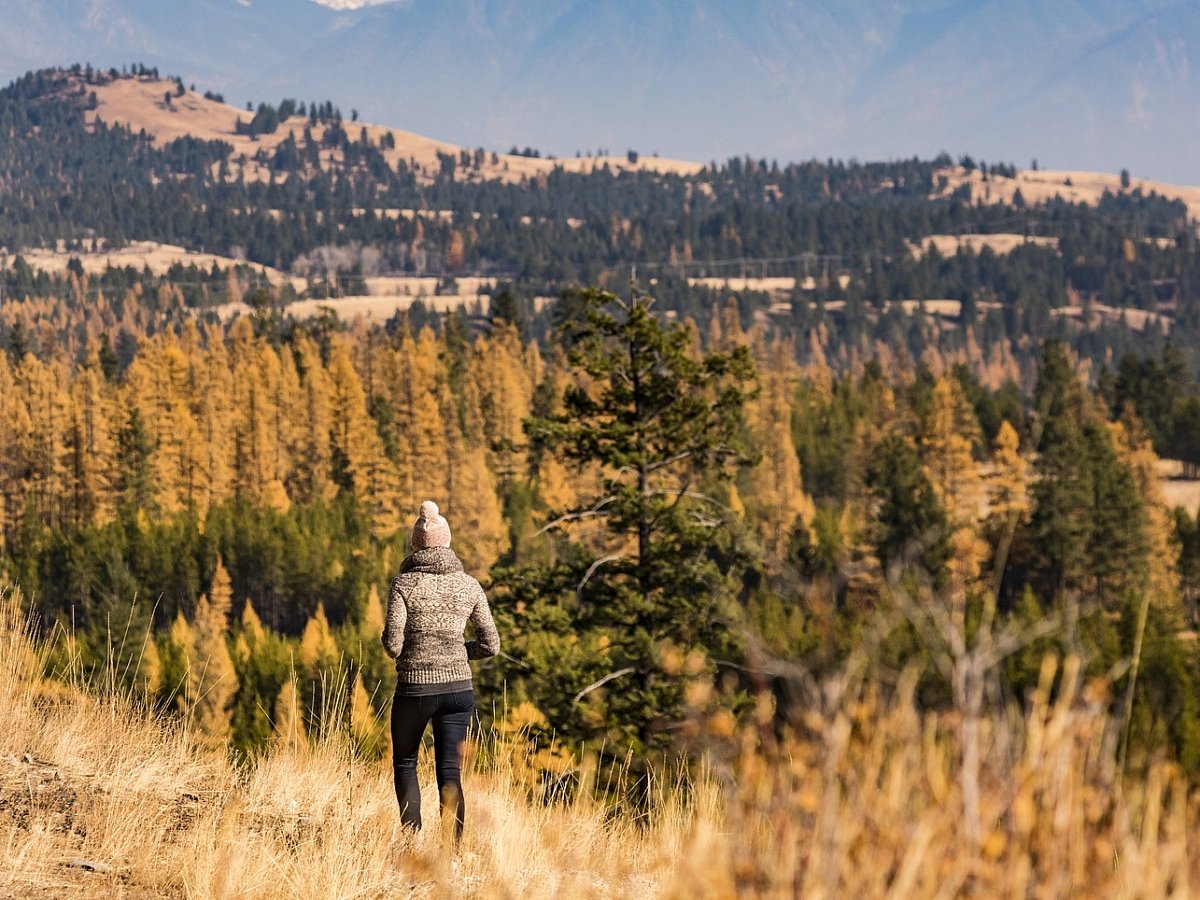
Kimberley Nature Park
Kimberley is a spectacle come fall, with mountains of larch easily accessible to the casual hiker. Visit Kimberley Nature Park, which offers guided larch-viewing hikes led by the Kimberley Nature Park Society. The park is located in Kimberley itself, so nearby accommodations are plentiful.
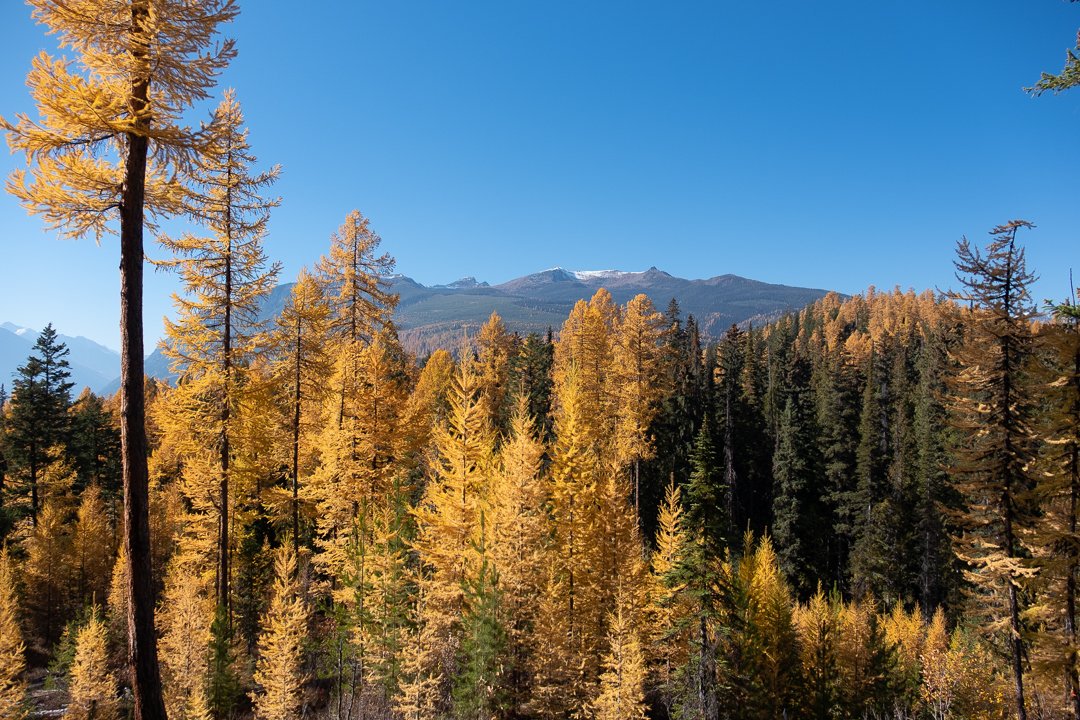 Cranbrook | @janicehikephoto via Instagram
 Cranbrook
In Cranbrook, the Cranbrook Community Forest has larch-viewing hikes for all skill levels. South of Cranbrook, in the Gold Creek area, South Star Recreation Trail will take you through stands of larch and lodgepole pine. These easy trails cover more than 30 km (18.5 mi) of forest and are used year-round for hiking or biking, horseback riding, and cross-country skiing. You’ll also find larch in nearby Moyie Lake Provincial Park.
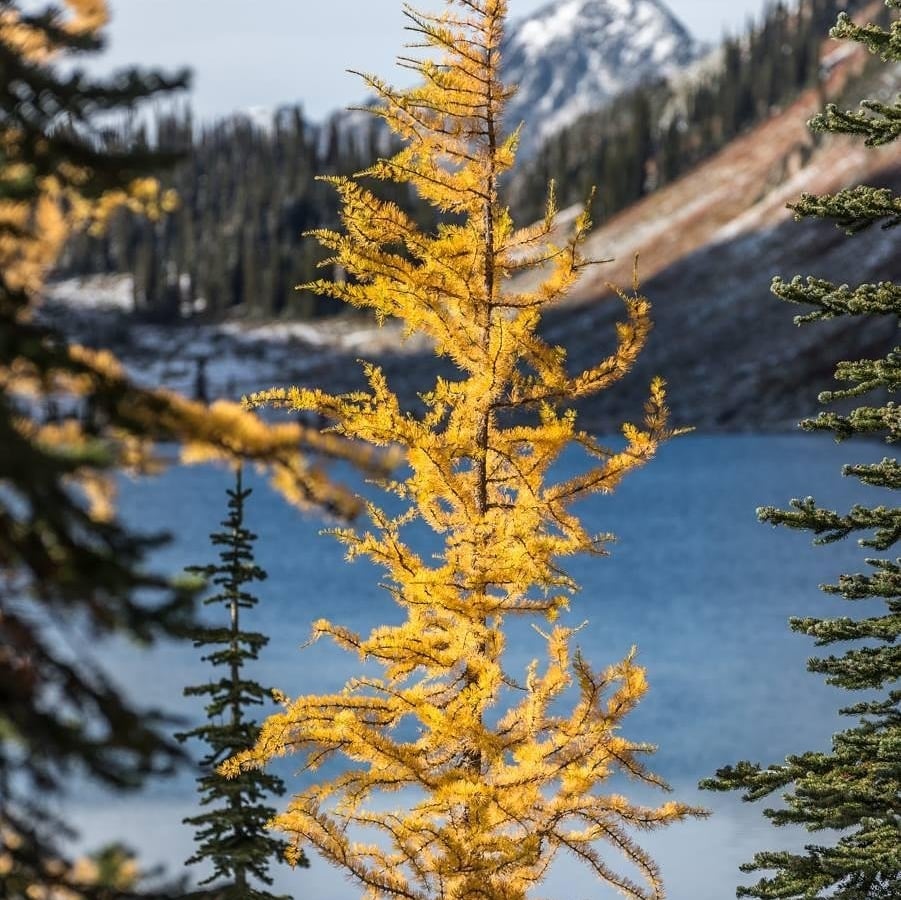 Kokanee Glacier Provincial Park | @boyd_cameron via Instagram
 Kokanee Glacier Provincial Park
Kokanee Glacier Provincial Park is a rugged wilderness park north of Nelson and a prime fall hiking destination for those with high-clearance vehicles. The lower, more protected slopes are forested with Engelmann spruce, alpine, fir, lodgepole pine, hemlock, and western red cedar, with a few pure stands of alpine larch adding a flash of brilliant yellow in October. Note that Kokanee Glacier is a true wilderness area and visitors must be self-sufficient.
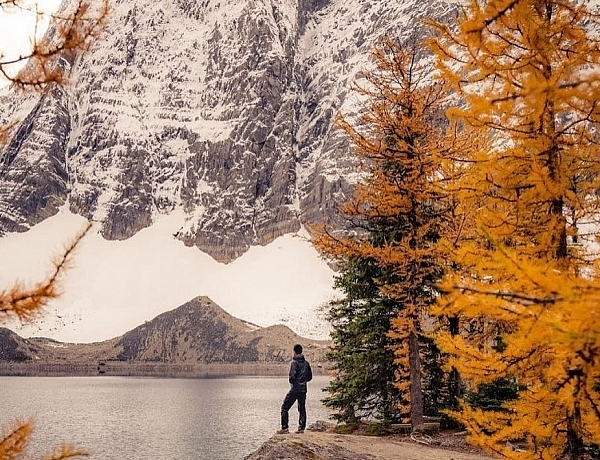 Kootenay National Park's Floe Lake | @dee_izzle via Instagram
 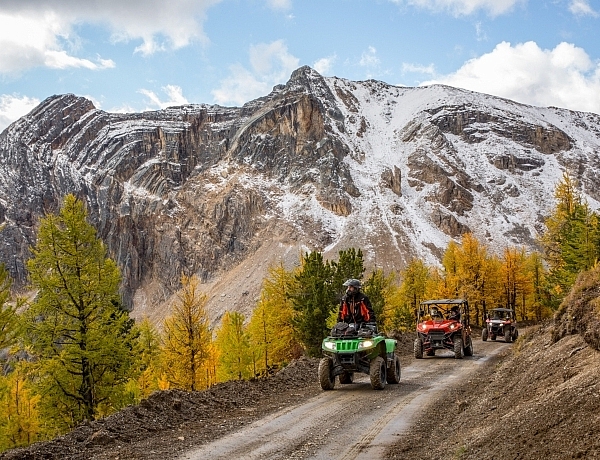 Toby Creek Adventures | Kim Sanderson
 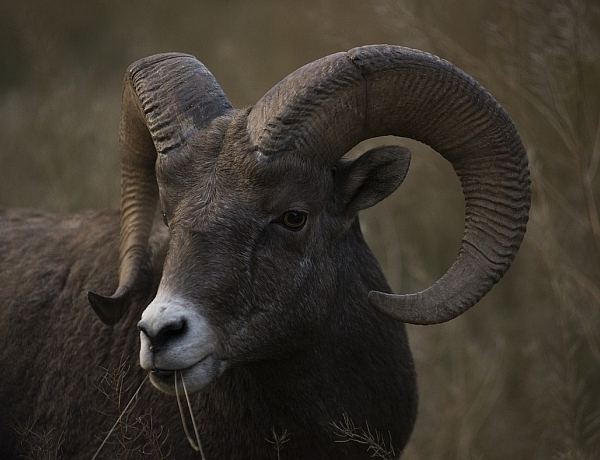 Bighorn sheep | Kari Medig
 Kootenay National Park
Fall is one of the best times to visit Kootenay National Park—one of the lesser-known but no less spectacular national parks in the Canadian Rockies. Explore one of the many short day hikes or interpretive walks, and during fall, you may witness bighorn sheep putting on quite a show during rutting season. After your hike, stay a few days at Fairmont Hot Springs Resort and sooth your muscles in the springs surrounded by nature.
When you’re ready for more adventure, take a short drive from Kootenay National Park to Panorama, where you can partake in a scenic ATV & SXS tour through the Paradise Basin larch forest with Toby Creek Adventures. Enjoy a guided tour of the alpine trail network—ride up the mountain and through the golden forest, followed by a snack at the historic Silver Mine site.
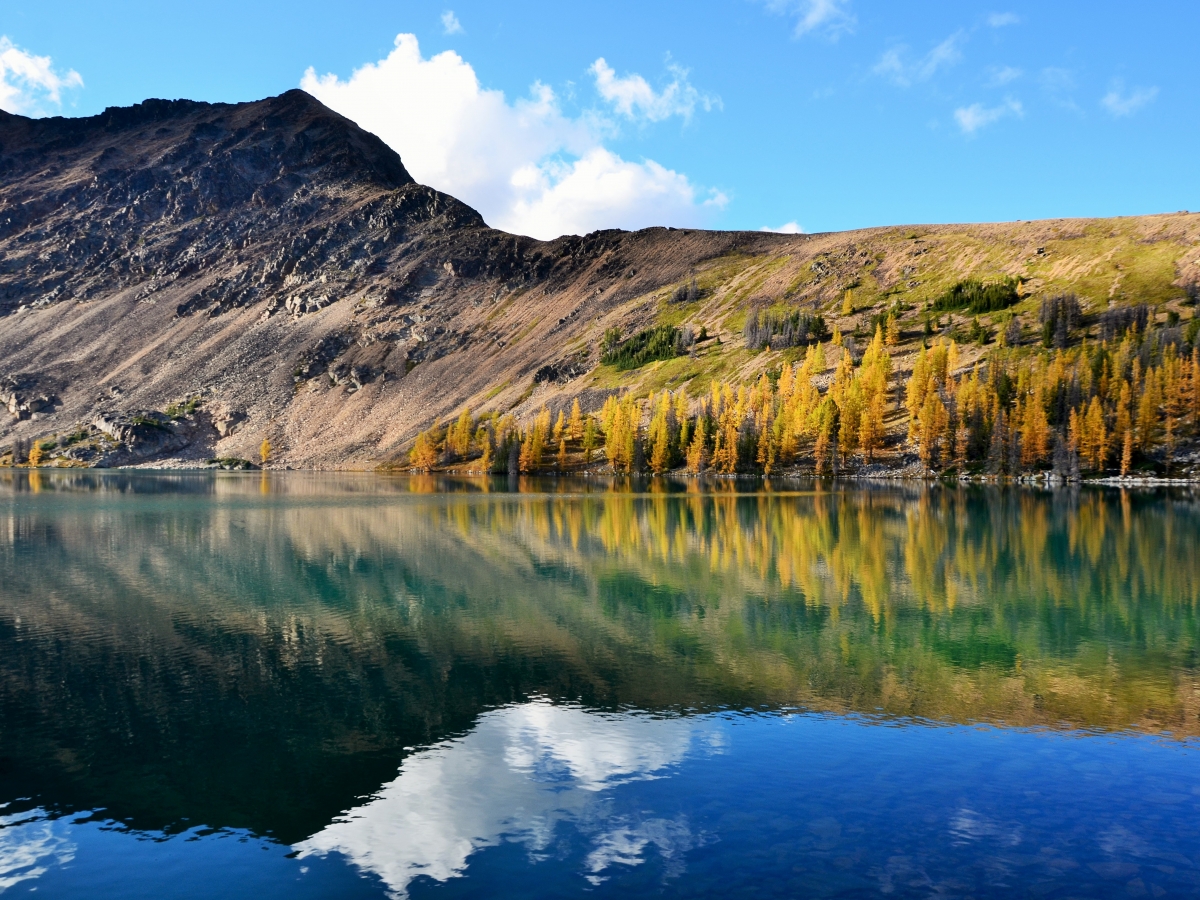 Ladyslipper Lake at Cathedral Provincial Park | @jason.rutherford via Instagram
 Cathedral Provincial Park
Cathedral Provincial Park and Protected Area is a beloved backcountry hiking destination between the Cascades and the Okanagan. Those who make their way to this remote mountainous terrain are rewarded with alpine larch reflections in its many lakes, and all along the Cathedral Rim Trail. Hikers will require at least a full day to get into the core area of the park. Campgrounds are available for overnight stays, or treat yourself to a cozy cabin stay at Cathedral Lakes Resort—Canada’s highest full service hiking and fishing wilderness lodge—and share stories around a roaring fire with your fellow hikers.
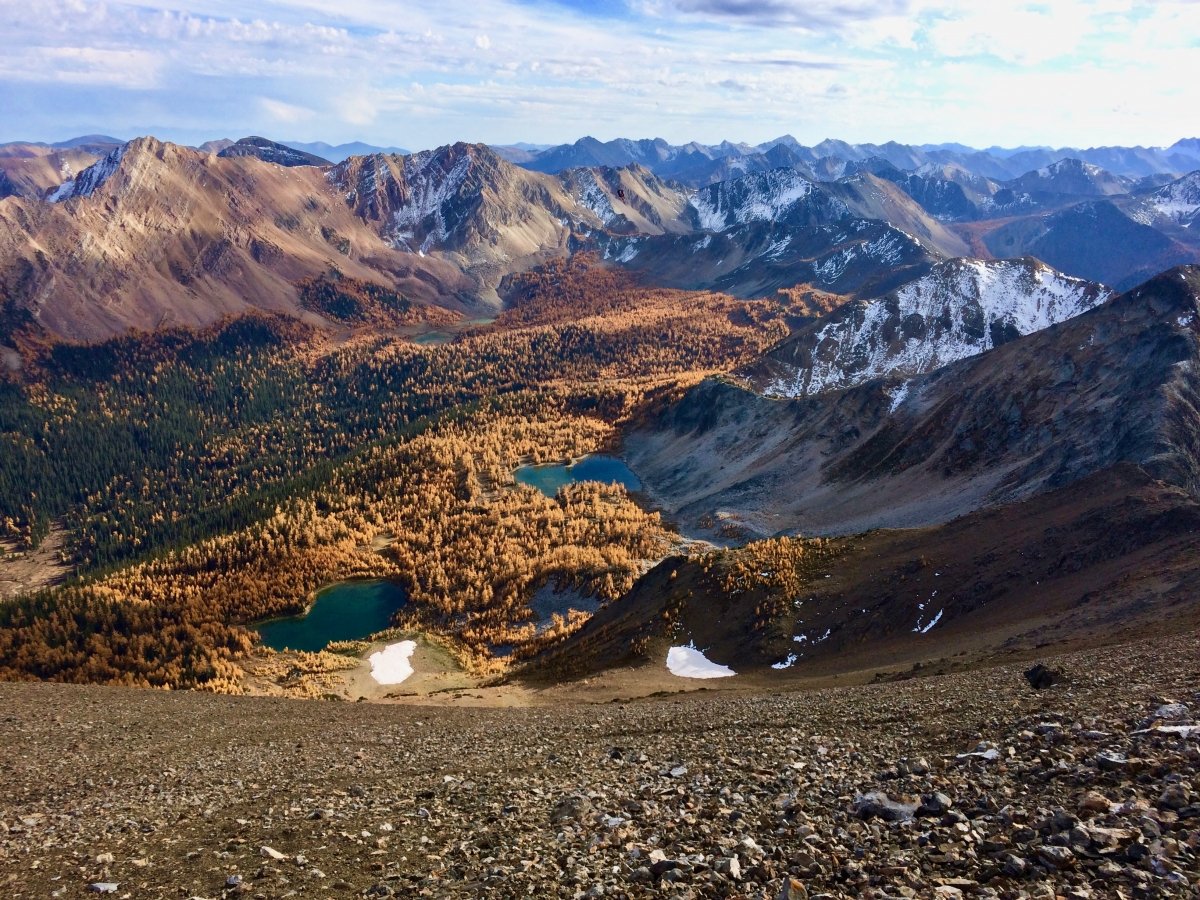
The Columbia Valley
Take a guided hike with Playwest Mountain Experiences to Brewer Lakes in the Purcells. The Brewer Lakes hike has a bit of everything—old growth Douglas fir and larch, incredible meadows filled with wildflowers, and several sub-alpine lakes. If you’re feeling adventurous, ask about the Mt. Brewer option. A great peak to accomplish with stunning views of the Rockies, the Fairmont range and the local favorite, Mt. Nelson.
Autumn hikers are urged to make sure they are familiar with safety precautions while traveling in bear country, and to be prepared for variable temperatures and rapidly changing weather conditions. But don’t let that stop you. One of the province’s most splendid natural wonders awaits.
Tip: Always check trail conditions before you head out, and no matter what outdoor activity you are planning, be prepared. Wildsafe BC is a great resource for making any bear experiences you may have in BC positive and conflict free. AdventureSmart and Leave No Trace are great resources to help you get informed before heading outdoors. Follow the three Ts—trip planning, training, and taking the essentials.
Originally published in September, 2019.
Travel Advisories
Find current information on alerts and/or evacuation orders, during emergencies in BC.
Places to Stay
Discover everything from luxury hotels and B&Bs to wilderness lodges and campsites.
Plan Your Route
Check Drive BC for the latest information on road closures around the province.
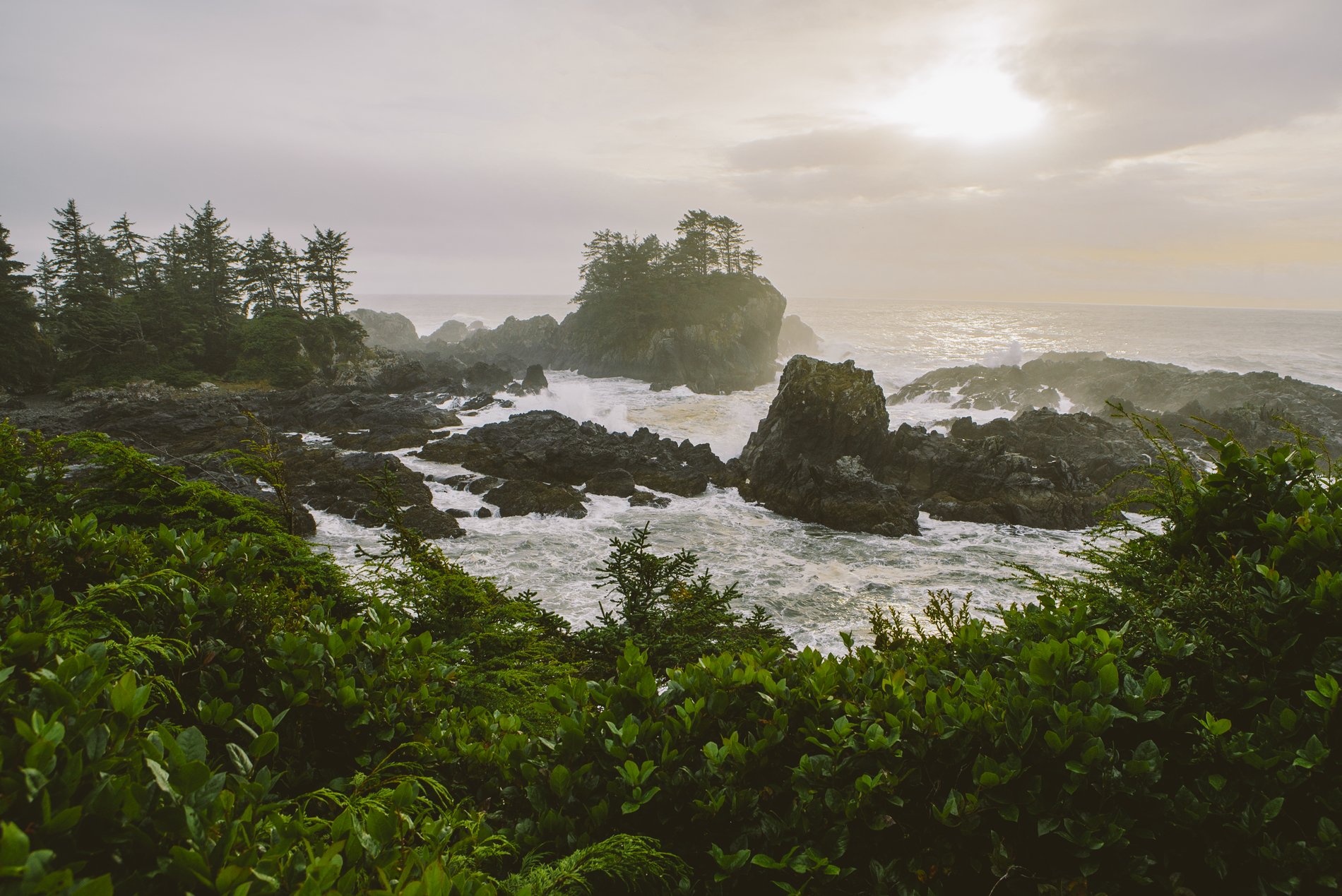
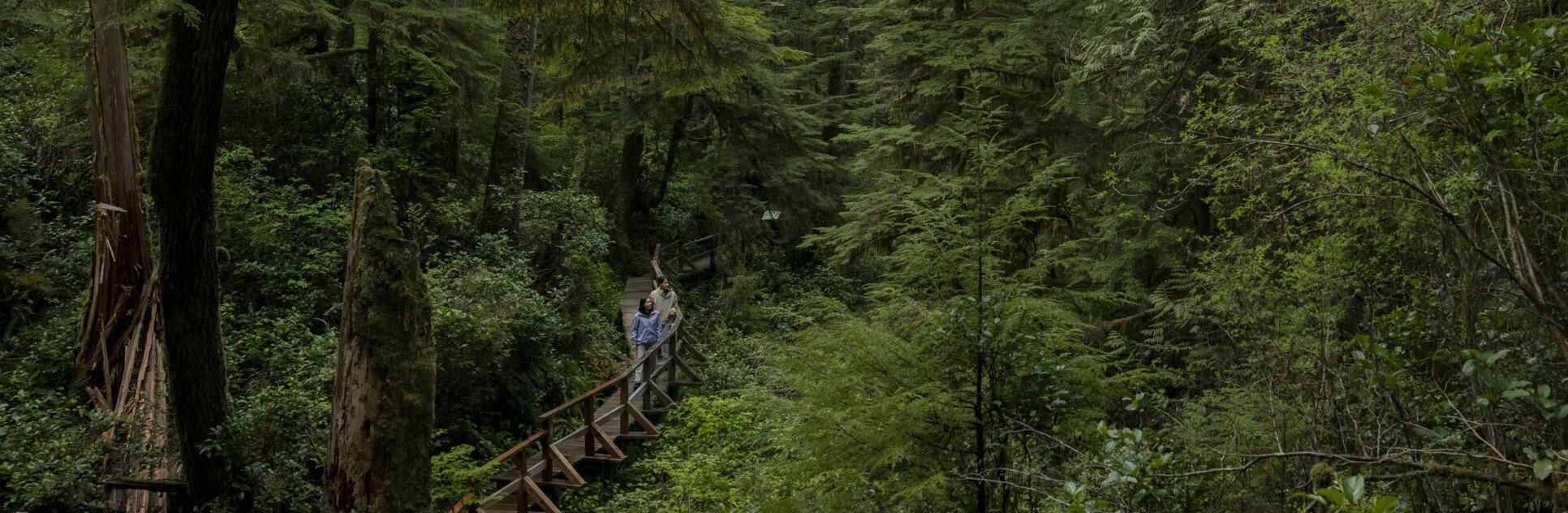 Pacific Rim National Park | Abby Cooper