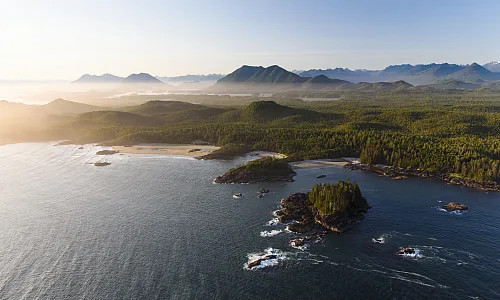
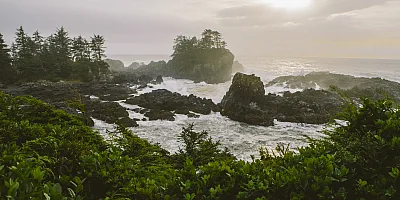

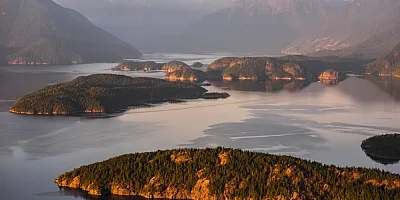
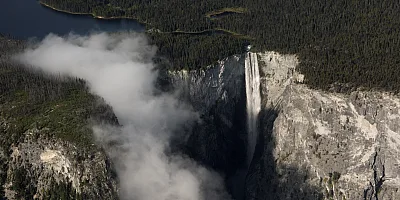


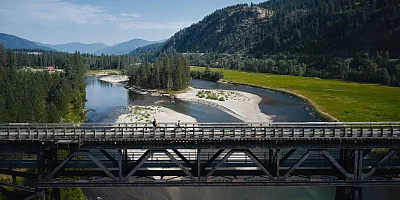


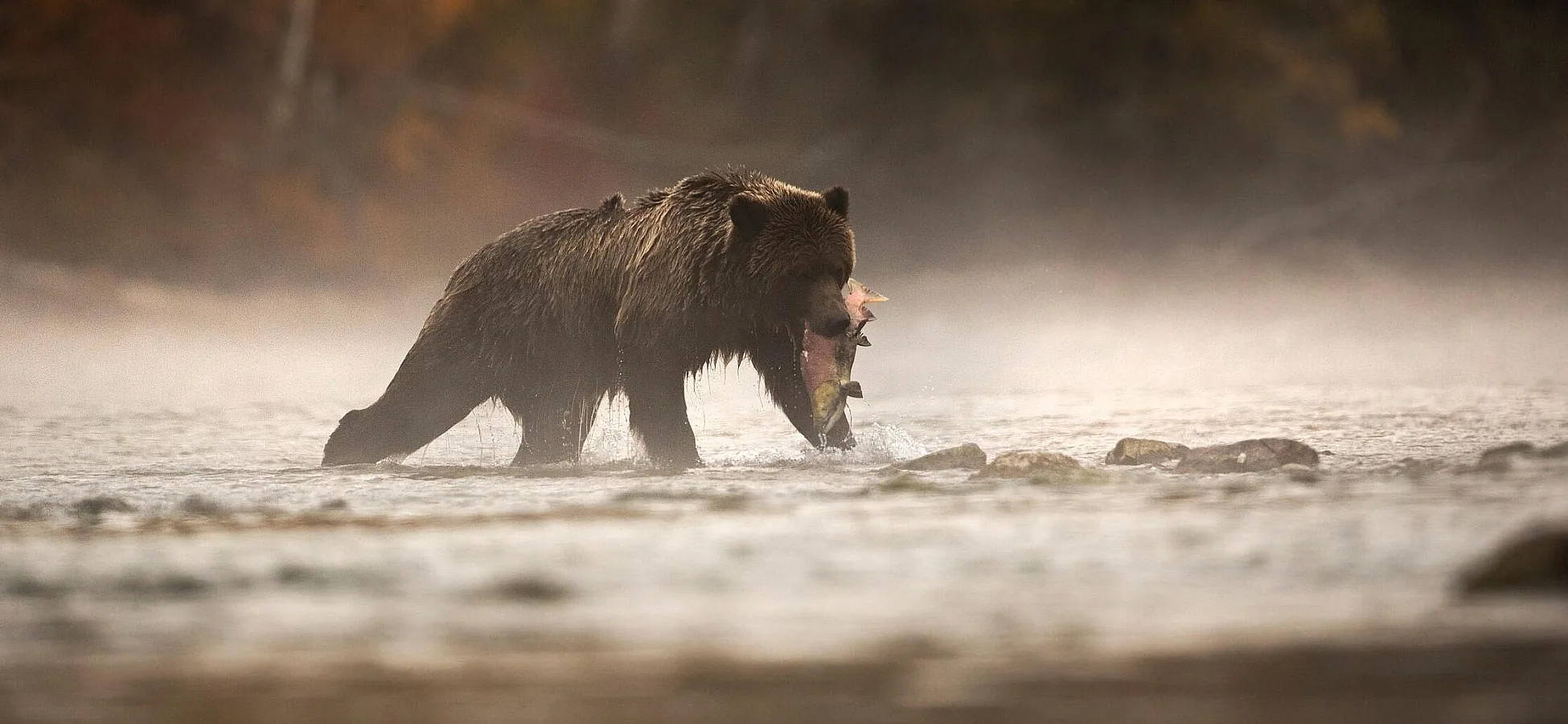
 Chilko River | Henrik Nilsson
By: Amber Turnau | November 6, 2026
Chilko River | Henrik Nilsson Nature's Heartland
From wild horses to grizzlies: Wildlife in the Chilcotin Ark and Wells Gray Provincial Park
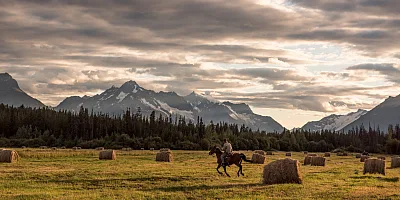
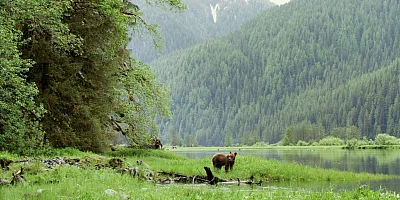
Wild horses racing across grassy plateaus. Bald eagles swooping for salmon in the river. A grizzly bear grazing for berries at sunrise. Nature’s Heartland in British Columbia is one of the best places to experience a combination of natural beauty, spectacular wildlife viewing, and outdoor adventure. The Chilcotin Ark in BC’s Central Interior and Wells Gray Provincial Park, just west of the Canadian Rockies, are home to some of the rarest wildlife species and are powerful examples of conservation and stewardship.
Find out what makes them so unique and how to visit them.
The Chilcotin Ark
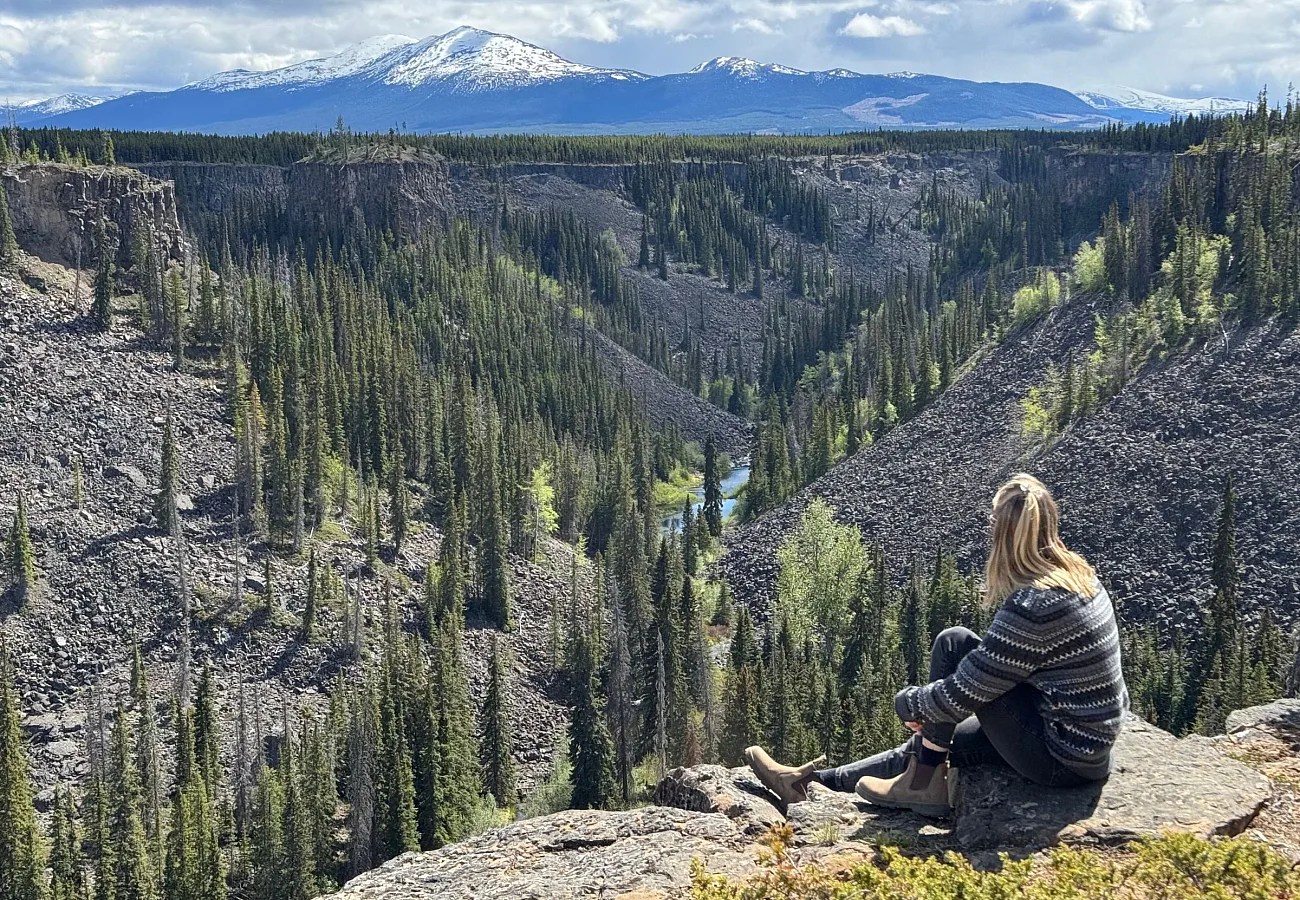 Anahim Lake | Red Cariboo Resort/Julia Schlitzer
Size: 25,000 sq kilometres (6 million acres)
Parks and protected areas: 17
Mountain ranges: 3
Major rivers: 4
Indigenous Lands: Tsilqot’in Nation, Dakelh Nation, St’at’imc Nation
-
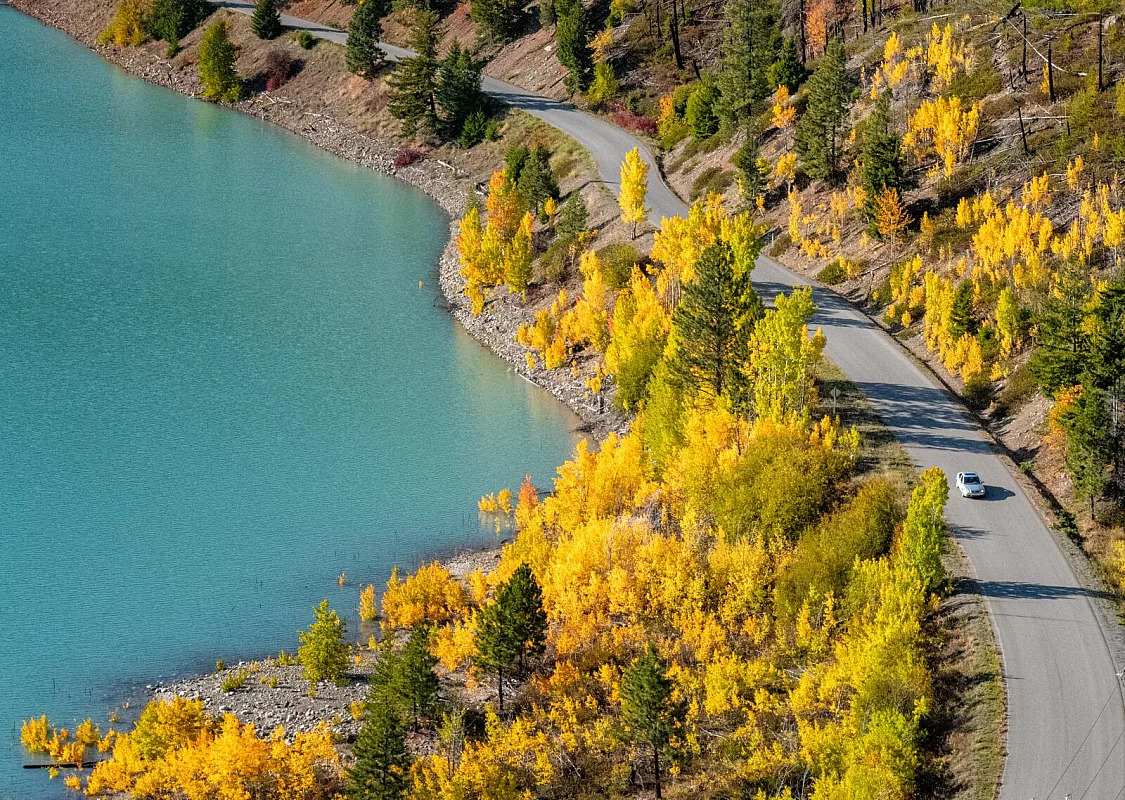 Carpenter Lake, Gold Bridge | Cariboo Chilcotin Coast/Michael Bednar
-
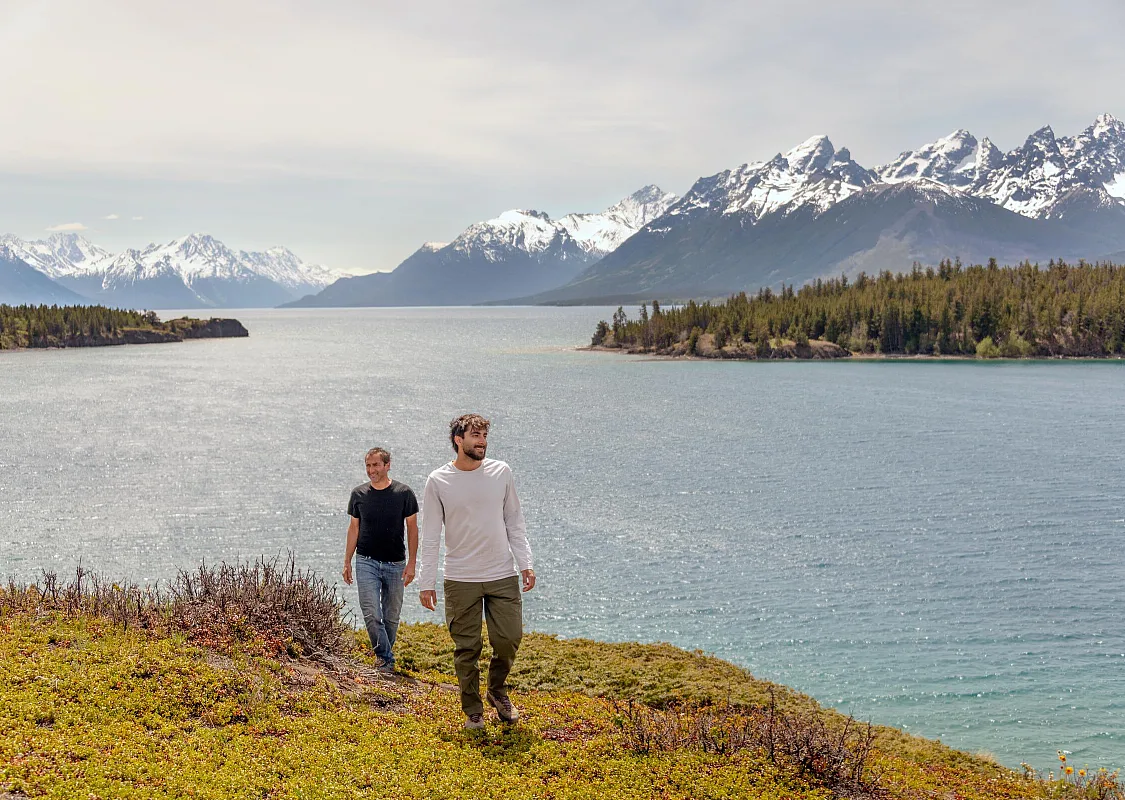 Nemiah Valley | Kari Medig
-
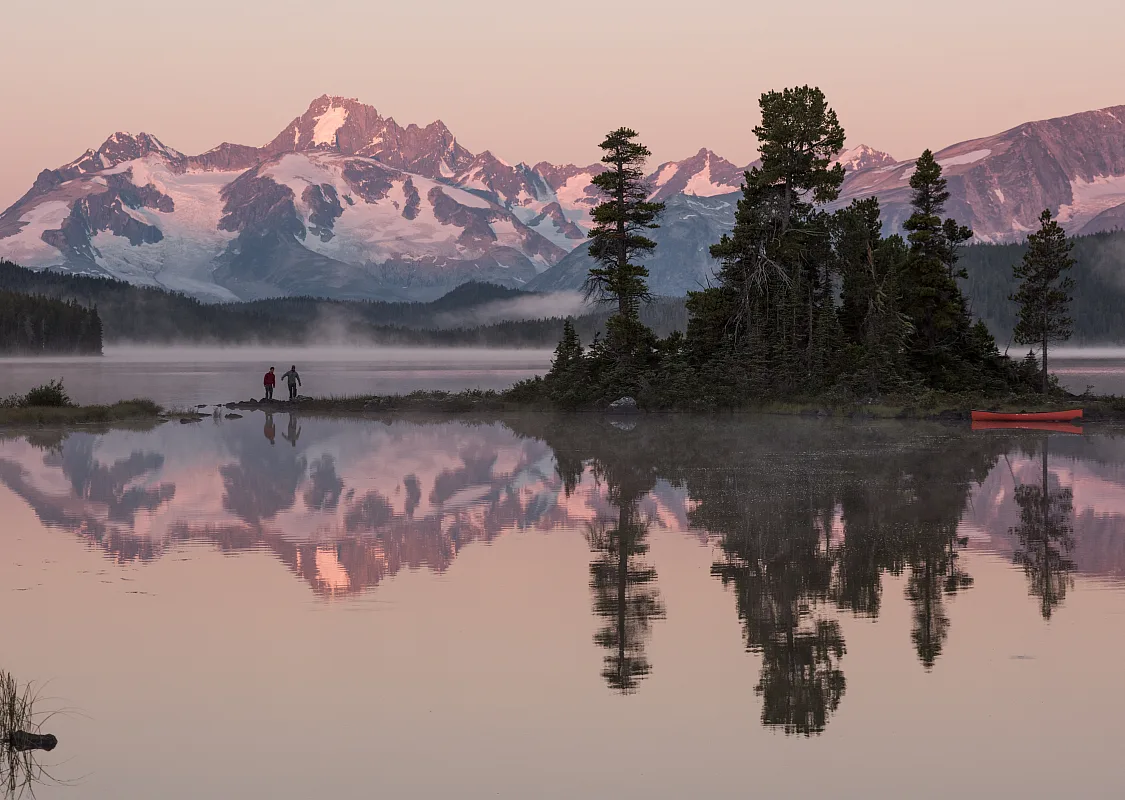 Whitton Lake | Kari Medig
What's unique about the Chilcotin Ark?
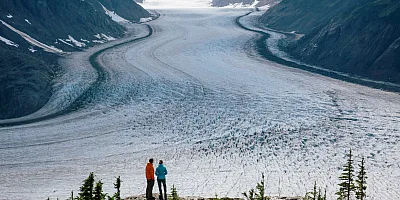
Think of the ark like a giant natural bridge between the coastal rainforest and the drier climate in the Central Interior. It stretches between Tweedsmuir and Itcha-Ilgachuz provincial parks in the north, the Fraser River Canyon near Lillooet to the east, and the highest peaks of the Coast Mountains in the west and south.
The Chilcotin Ark spans 12 unique zones, from alpine tundra and ponderosa pine forests to wetlands and semi-desert, and is one of the most ecologically diverse areas in BC. The tallest mountains in the Coast Mountains cast a rain shadow over the area, allowing life to thrive, including the most isolated wild horse populations on the continent and 11 of the 29 North American big game species.
-
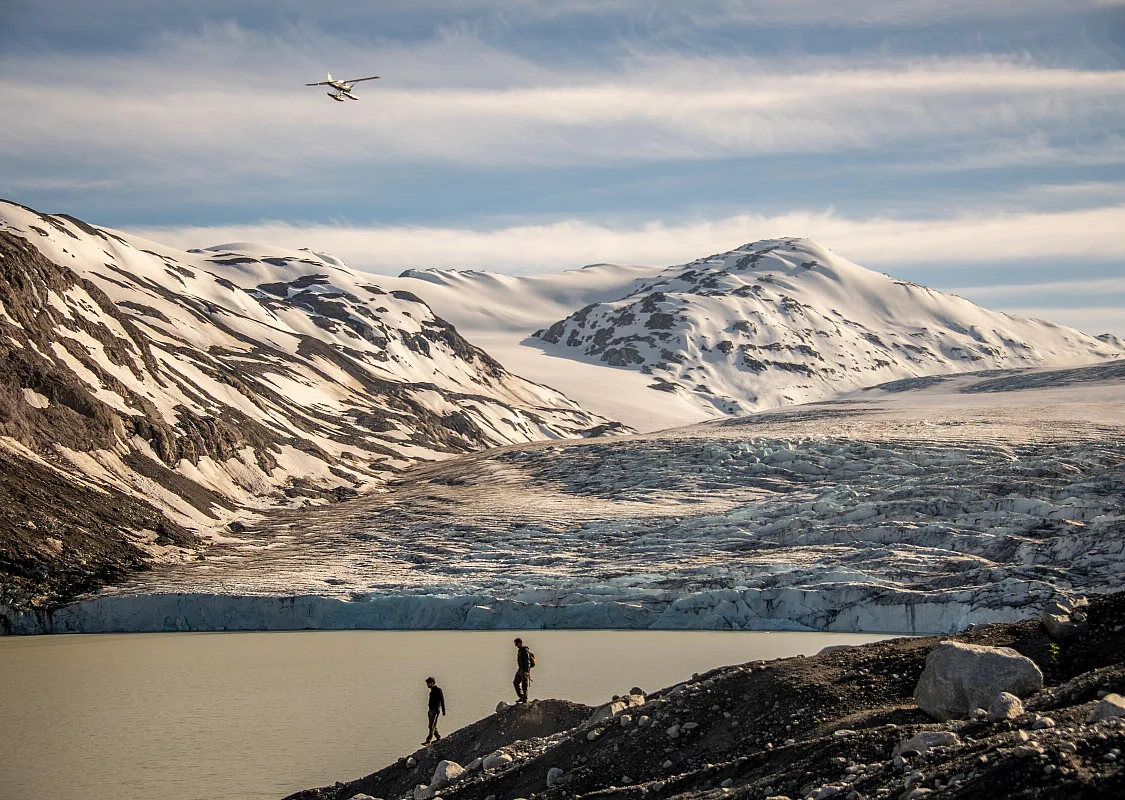 Bridge Glacier | Kari Medig
-
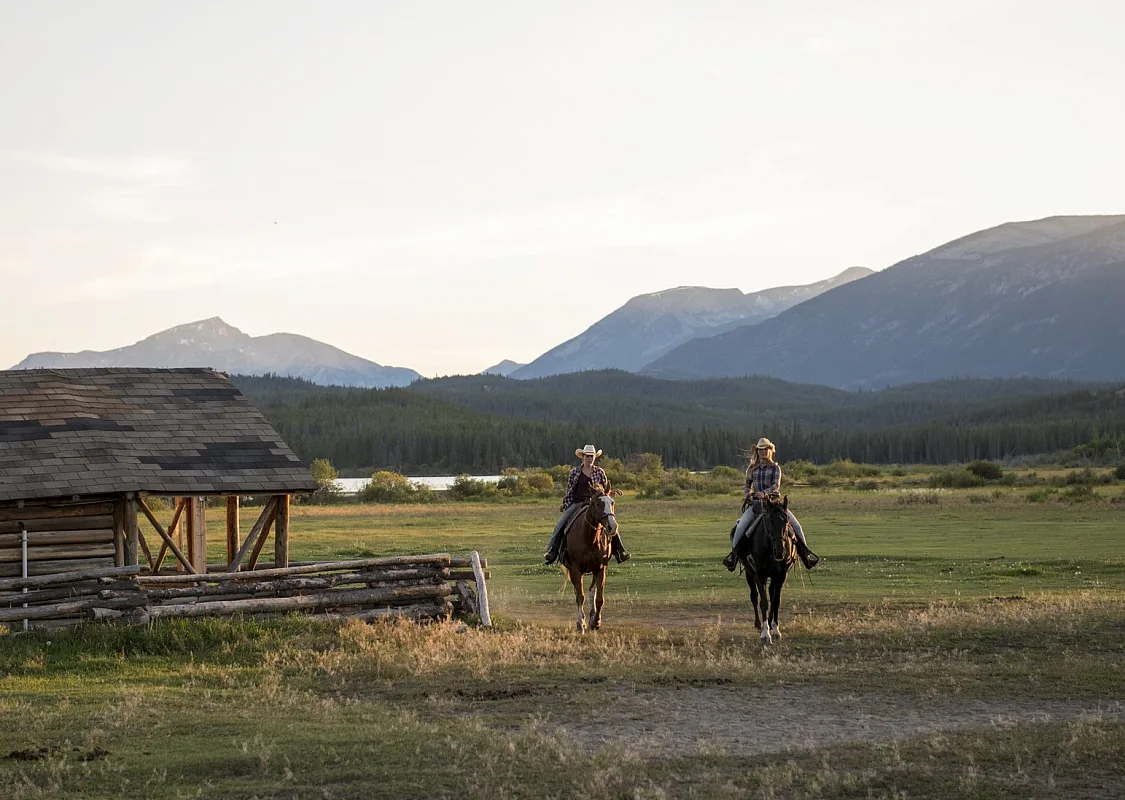 Terra Nostra Guest Ranch | Kari Medig
-
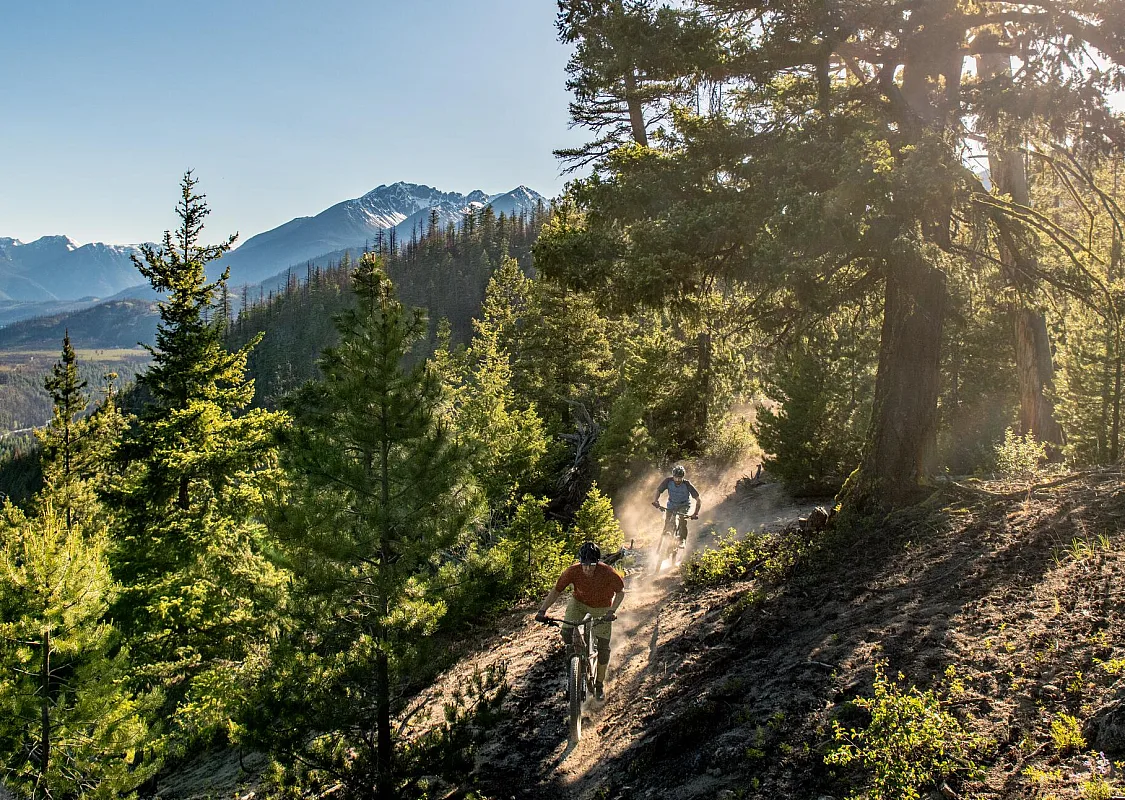 Tyax Lodge near Gold Bridge | Kari Medig
Outdoor activities in the Chilcotin Ark
The Ark is sprinkled with ancient icefields and the highest concentration of alpine lakes in North America, perfect for fishing, paddling, and whitewater rafting. Land-based adventures range from horseback riding and mountain biking to hiking and floatplane tours.
-
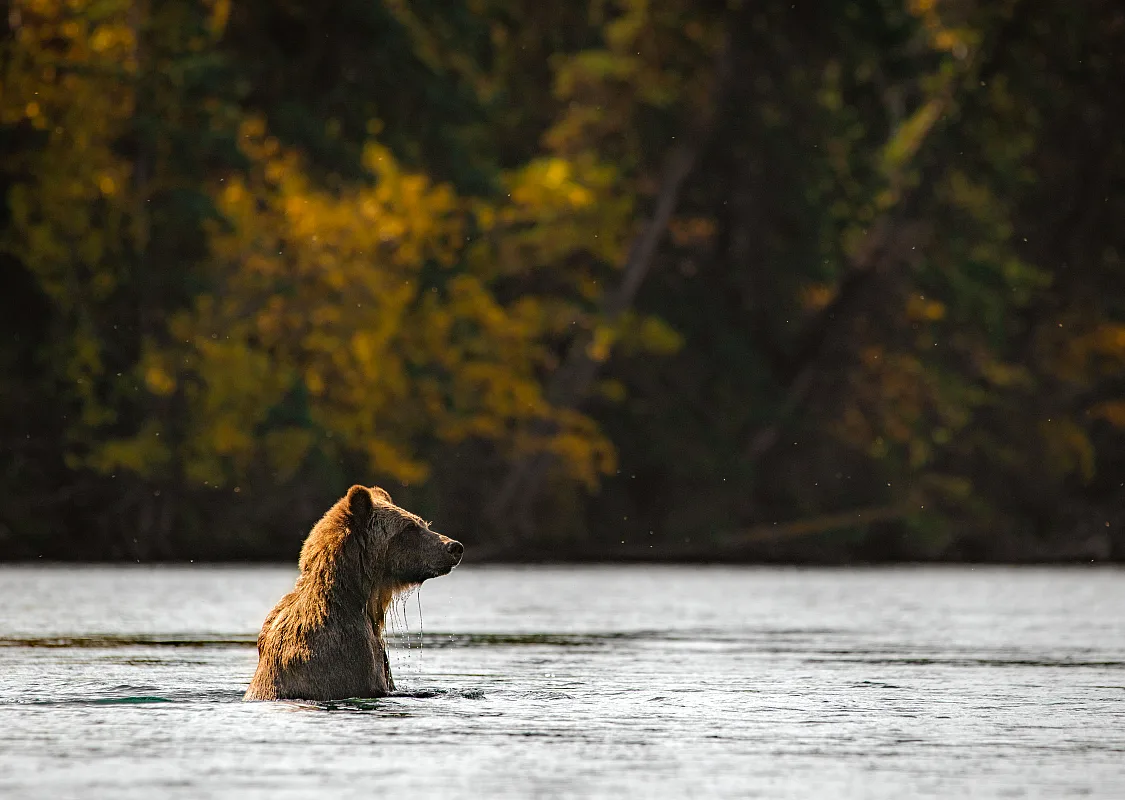 Chilko River | Yuri Choufour
-
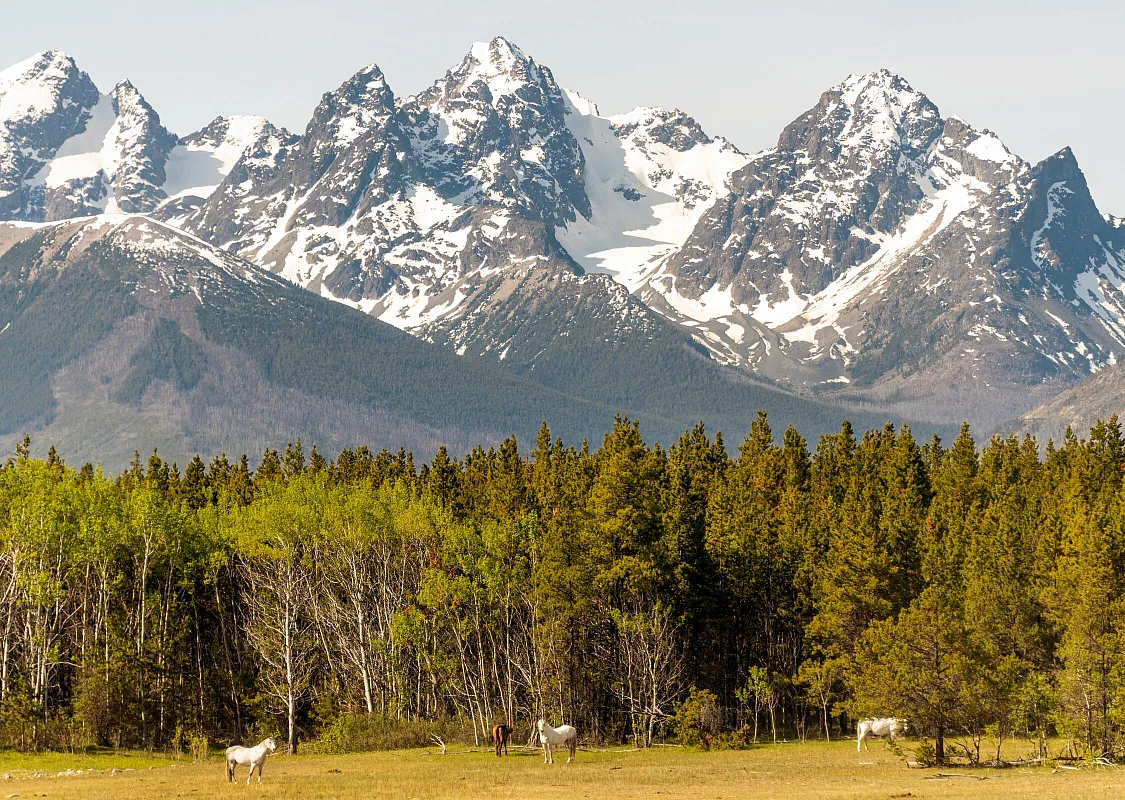 Nemaiah Valley | Kari Medig
-
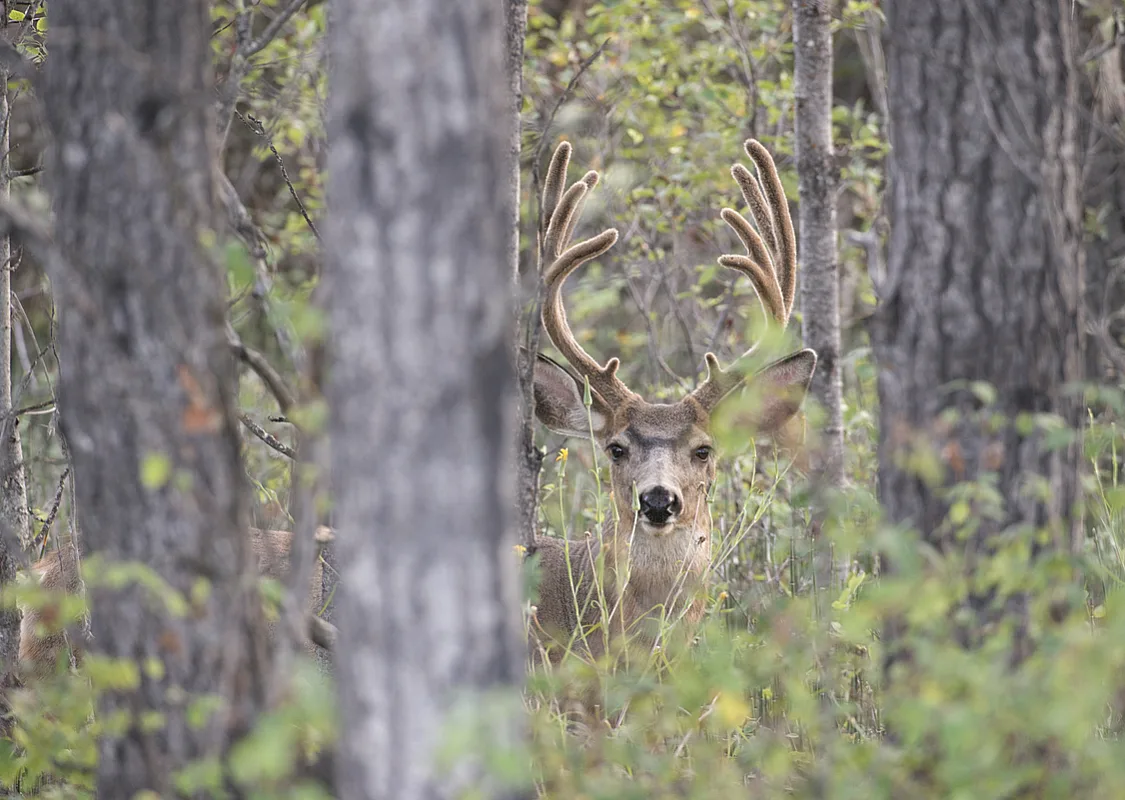 Deer at 108 Mile Ranch | Michael Bednar
Wildlife you might see in the Chilcotin Ark
Watch the circle of life unfold across this sweeping landscape, including the famous herd of 2,000-plus wild horses. Hundreds of bird species, rare weasels, and even wiley wolverines live alongside larger animals like grizzly bears, wolves, and moose,as well as impressive herds of California bighorn sheep that roam the grasslands and gullies.
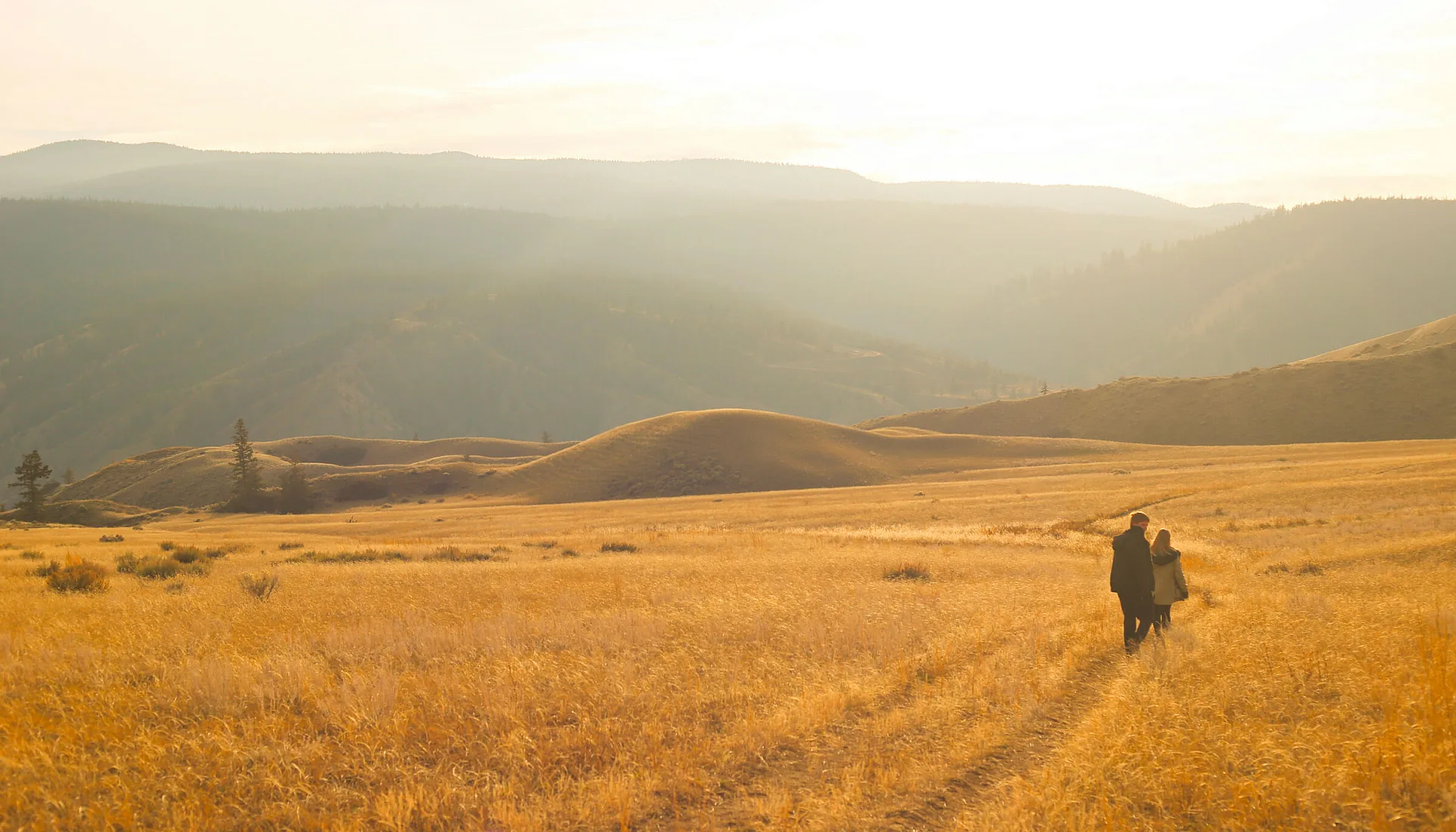 Farwell Canyon | Nikita Pretty
Where to go wildlife viewing in the Chilcotin Ark
The Nemiah Valley: This valley between Chilko Lake and the Taseko Lakes is home to a large population of wild horses, which have deep historic ties to the Xeni Gwet’in First Nation.
Farwell Canyon: The canyon’s dramatic cliffs and sand dunes framing the Chilcotin River corridor offer prime viewing of bird species, deer, and other native animals.
South Chilcotin Mountains Park: Head out on horseback through the alpine terrain of Alplands, Niut, Potato, and Spruce Lake areas to spot mule deer, moose, black and grizzly bears, wolves, and mountain goats. Wildlife is especially common in and around the watersheds of Lizard and Leckie creeks.
Fraser River and its tributaries: South of Williams Lake, near the Fraser River Canyon, you’ll find California bighorn sheep and deer amidst the ponderosa pine and Douglas fir. Head to the riverbanks of the Fraser and its tributaries (Chilcotin, Chilko, and Taseko rivers) to spot bald eagles, hawks, falcons, and various waterfowl.
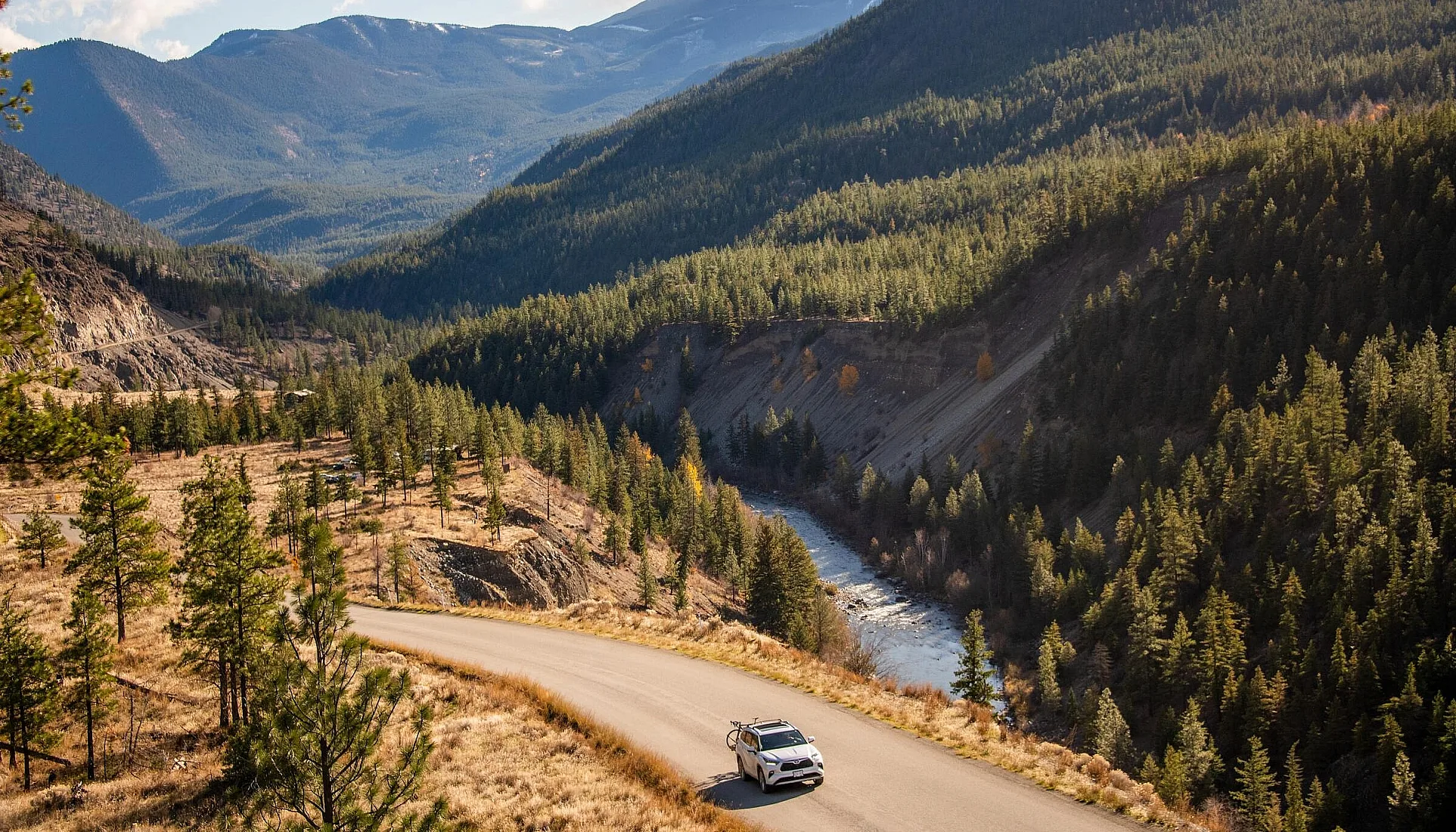 Near Lillooet | Kari Medig
Getting to the Chilcotin Ark
You can access the Chilcotin Ark by major highways, local air charters, and remote roads. Larger towns include:
Williams Lake:The eastern gateway. Get there by driving Highway 97 or The Chilcotin Highway (Highway 20). You can also fly into Williams Lake (YWL) with Pacific Coastal Airlines or Central Mountain Air.
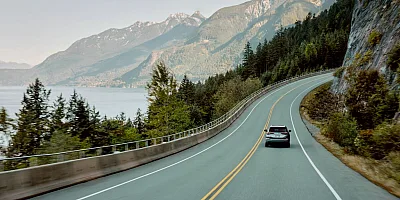
Lillooet: The southern boundary of the Chilcotin Ark. You can drive the Sea-to-Sky Highway (Highway 99) via Squamish, Whistler, and Pemberton, or take the Fraser Canyon route via Trans-Canada Highway (Highway 1).
Clinton: Sitting on the eastern flanks of the Chilcotin Ark, located off Highway 97 midway between Vancouver and Prince George. Drive there via Highway 99 or Highway 1.
Wells Gray Provincial Park
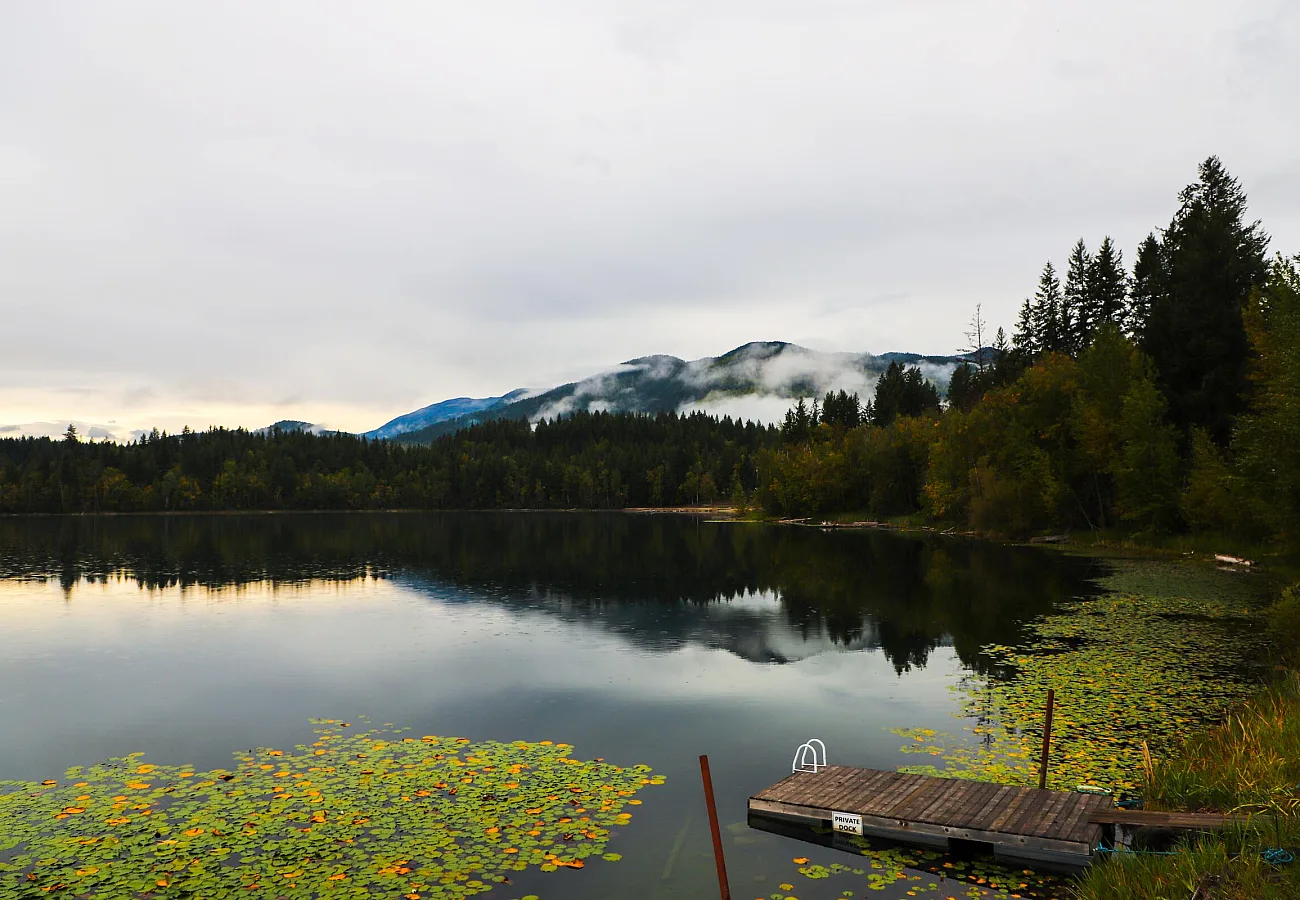 Clearwater | Tourism Wells Gray/@laylarundle
Size: 5,250 sq kilometres (1.3 million acres)
Mountain ranges: 2
Trails: 200 km (120 mi) of trails
Waterfalls: 42
Indigenous Lands: Simpcw First Nation and Tsq’escenemc First Nation
-
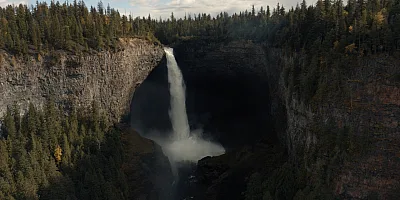
 Helmcken Falls | Andrew Strain
-
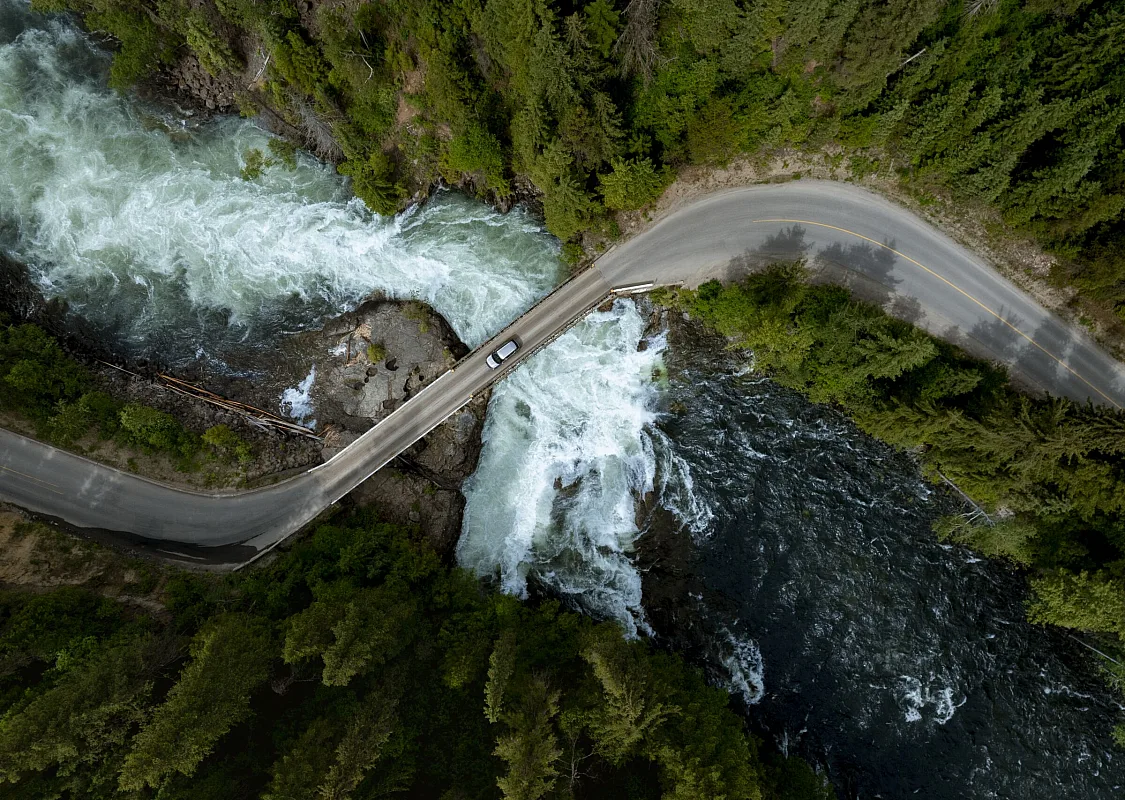 Wells Gray Provincial Park | Abby Cooper
-
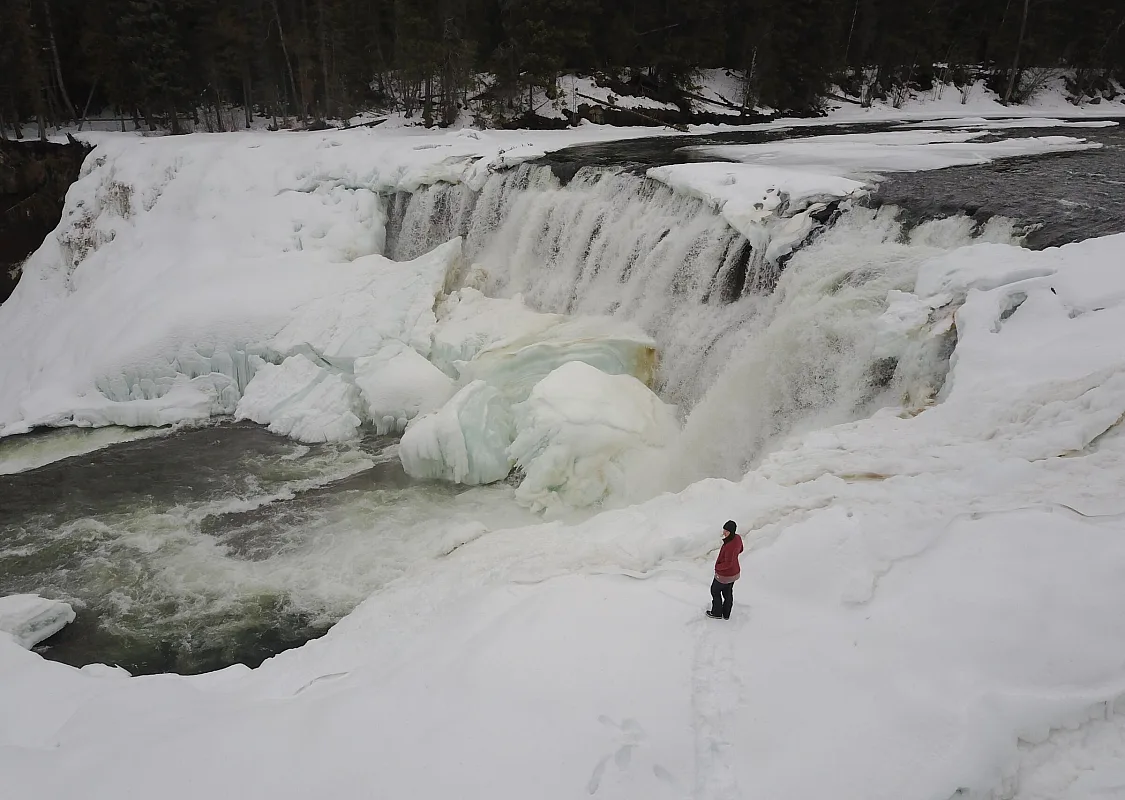 Dawson Falls in Wells Gray Provincial Park | Nic Collar
What's unique about Wells Gray Park?
Thundering waterfalls, inviting lakes, and the world’s only inland temperate rainforest. Wells Gray Park in the North Thompson Valley is teeming with life, from riverbend to alpine summit.
This is a contrasting world, where ancient glaciers and extinct volcanoes exist beside lush flora, including 1,000 species of lichen. Helmcken Falls, Canada’s fourth tallest waterfall, is a neck-craning wonder that you can see up-close.
-
 Wells Gray | Thompson Okanagan/Allen Jones
-
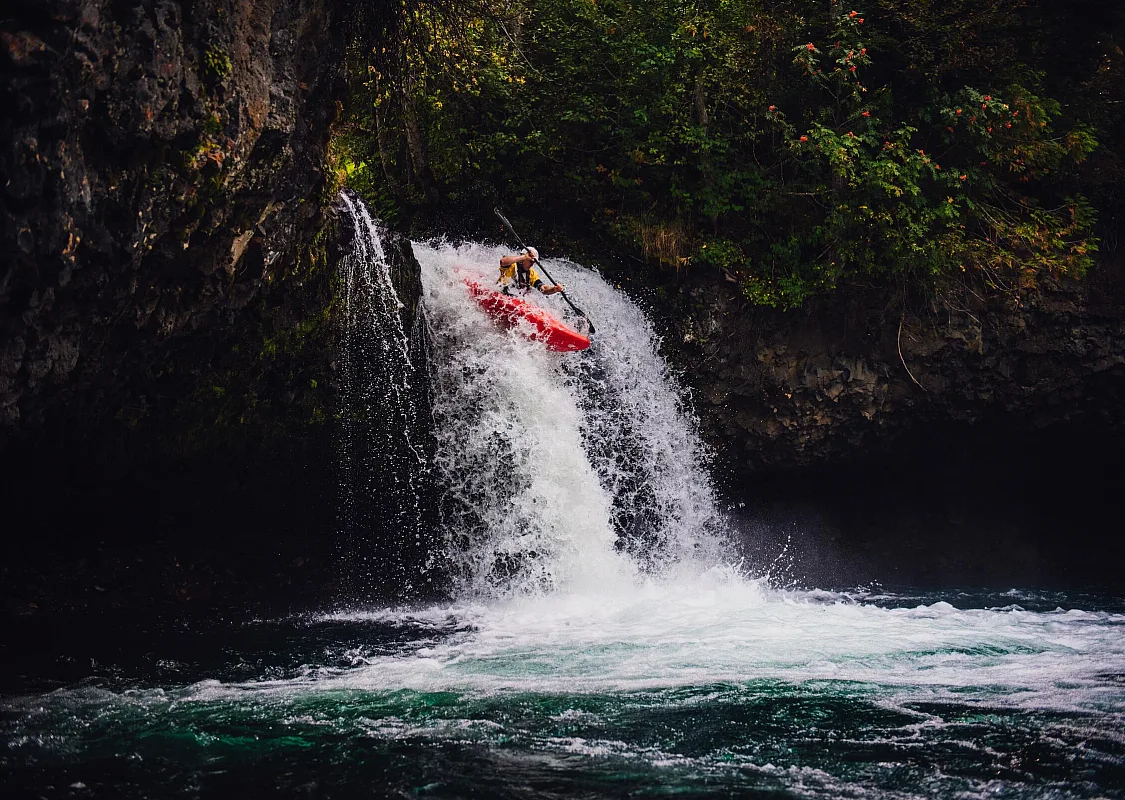 Falls Creek, Wells Gray Provincial Park | Tourism Wells Gray/Holly Louwerse Photography
-
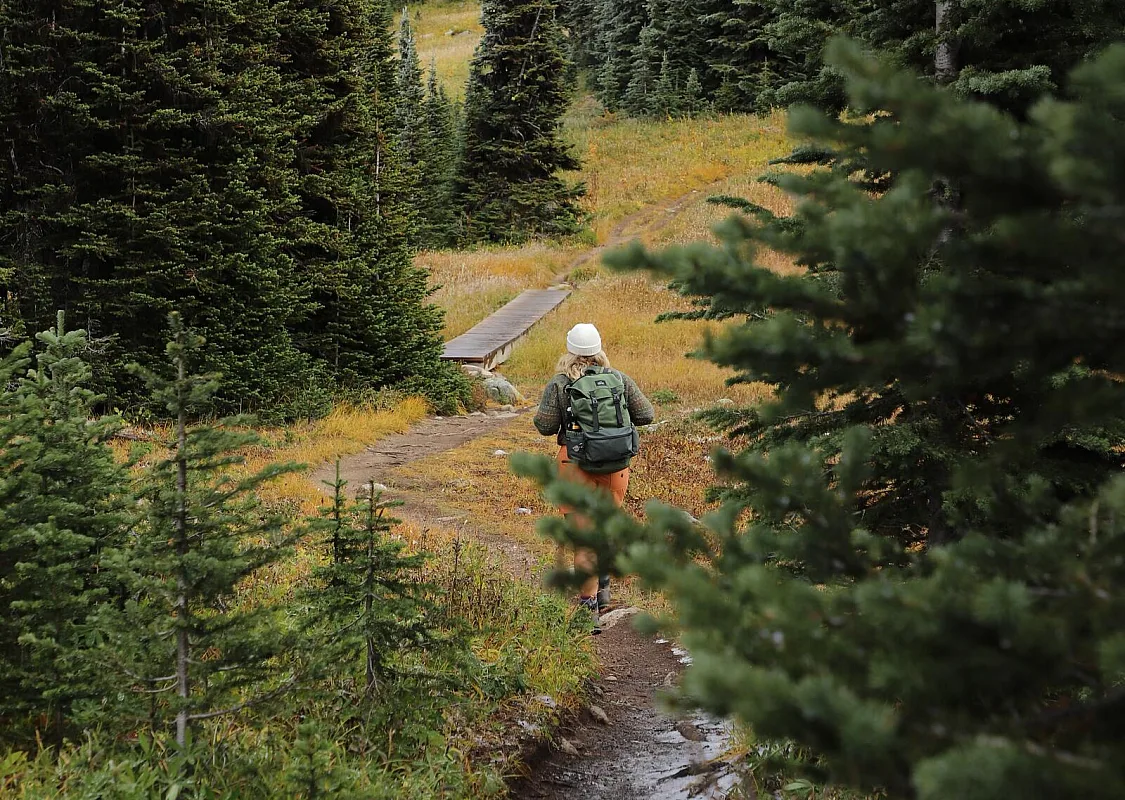 Trophy Mountain, Wells Gray Provincial Park | Tourism Wells Gray/@laylarundle
Outdoor activities in Wells Gray Park
Beyond the natural beauty, Wells Gray Park is a paradise for outdoor adventurers with hundreds of trails that wind along riverbanks and valleys. The park offers all sorts of outdoor activities, including paddling, hiking, horseback riding, and scenic flightseeing.
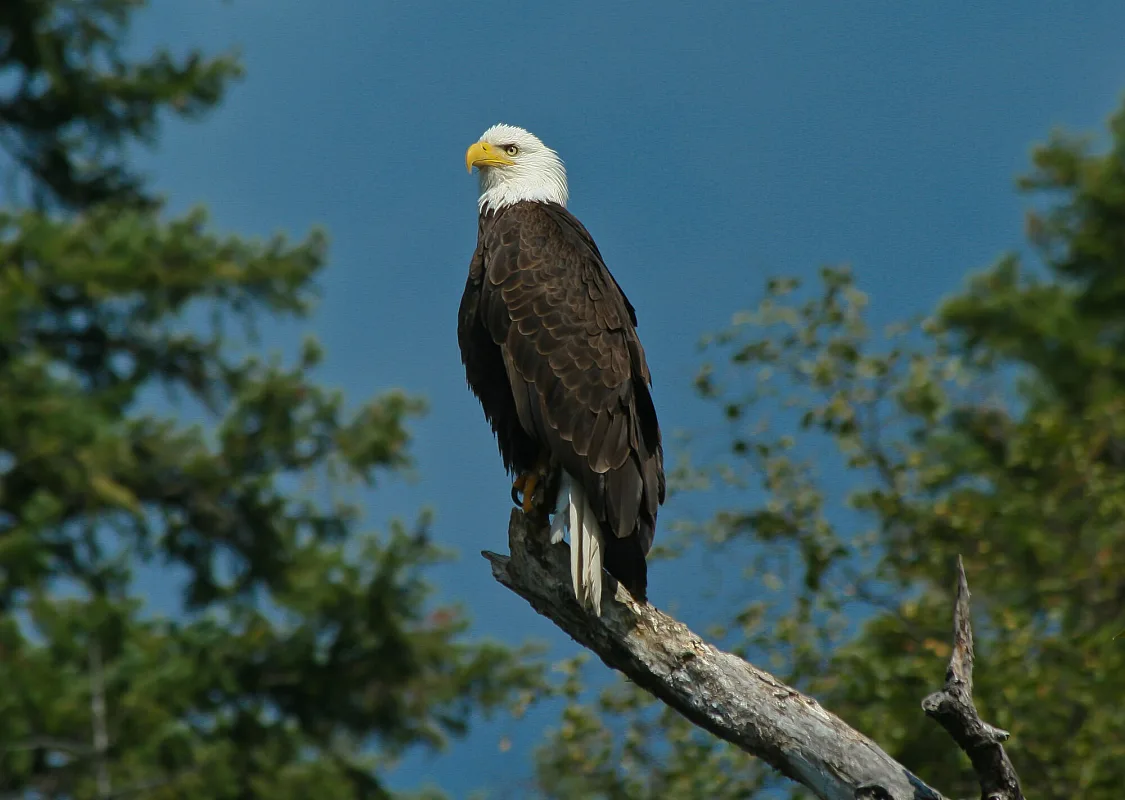 Thompson Okanagan/Allen Jones
Wildlife you might see in Wells Gray Park
Wells Gray Park provides a habitat to half of the species that exist in British Columbia. You’ll have the chance to spot large mammals like black and grizzly bears, moose, and mule deer. Up your “Big Year” birdwatching status with over 200 species of birds, like great horned owls and trumpeter swans. You may also encounter a shy red fox or a cougar if you’re lucky.
From late summer to fall, you can witness the Pacific salmon spawn, one of the most incredible natural cycles to witness at Wells Gray Park. Salmon enter from the Pacific Ocean and swim up-river for an astounding 600 to 1,000 km (372 to 620 mi) to spawn.
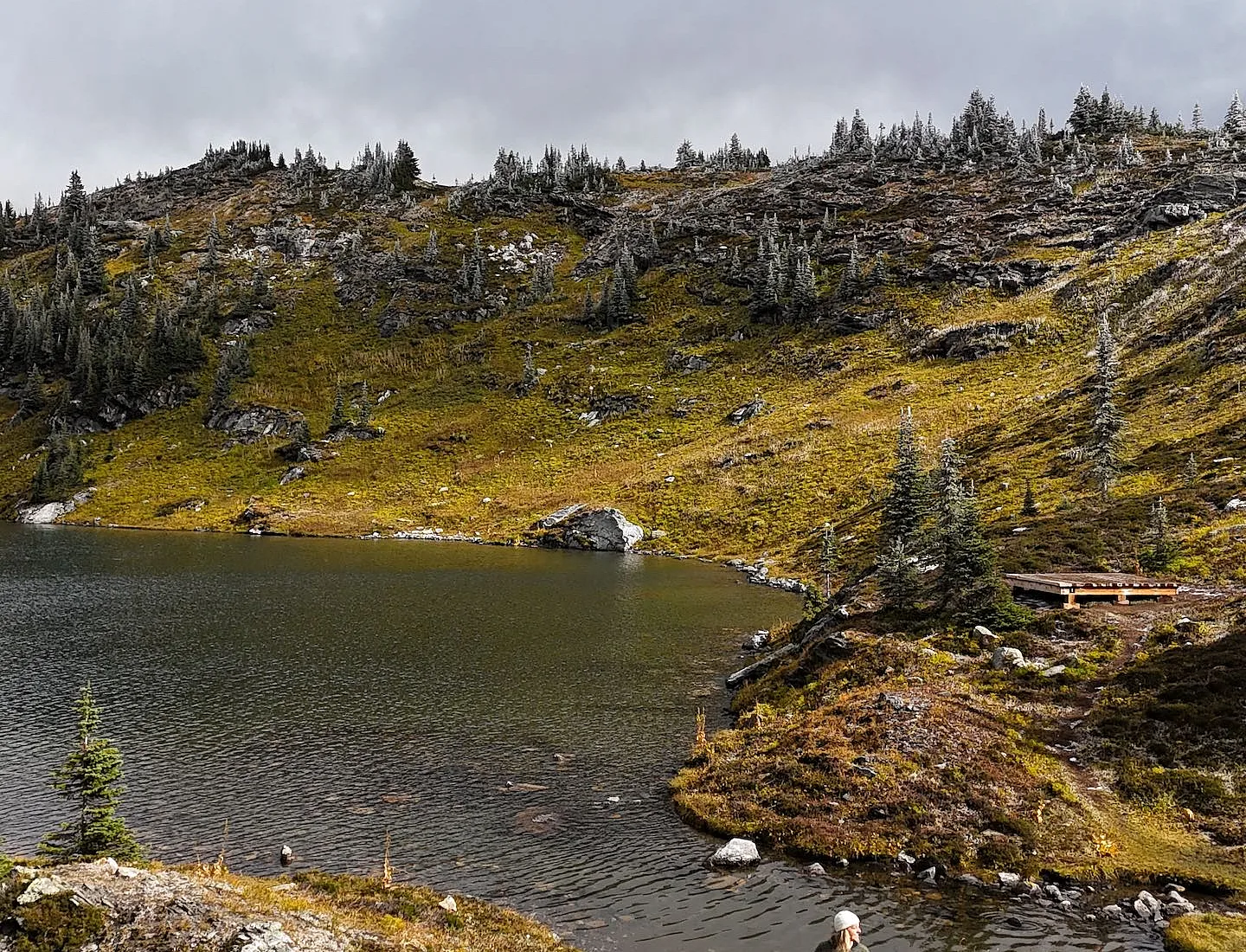 Trophy Mountain | Tourism Wells Gray/@laylarundle
Where to go wildlife viewing in Wells Gray Park
Raft River Viewing Park: Watch the salmon return in real time at these key spawning rivers. Raft River is a vital harvesting area for the Simpcw First Nation, who hold an annual First Fish celebration at the Raft River viewing platform.
Murtle Lake: As the largest canoe-only lake in North America, Murtle is a hotspot for camping and wildlife viewing. You may see bears, birds, and other local animals.
Bailey’s Chute: A wide, cascading waterfall along the Clearwater River, Bailey’s Chute has a dedicated viewing platform where you can watch sockeye salmon hurling themselves against the current.
Green Mountain Viewing Tower: Keep your eyes peeled for soaring birds of prey and other wildlife on this 360-degree viewing platform, which looks out over distant volcanoes and the neighbouring Cariboo region.
Trophy Mountain Meadows: The Trophy Mountain Trail is a 12-km (7-mi) backcountry hiking trail in the south part of Wells Gray Park that brings you through alpine meadows blooming with wildflowers in the summer months. In the shadow of nine towering peaks, you can watch for singing hoary marmots as they scurry over the rocks. You may also see grizzlies.
Clearwater River: The lush valley on the southern end of Wells Gray is rich habitat for many species, including moose, deer, wolves, cougars, and bears. Take the Clearwater River Trail, an 8.5-km (5-mi) route along the river.
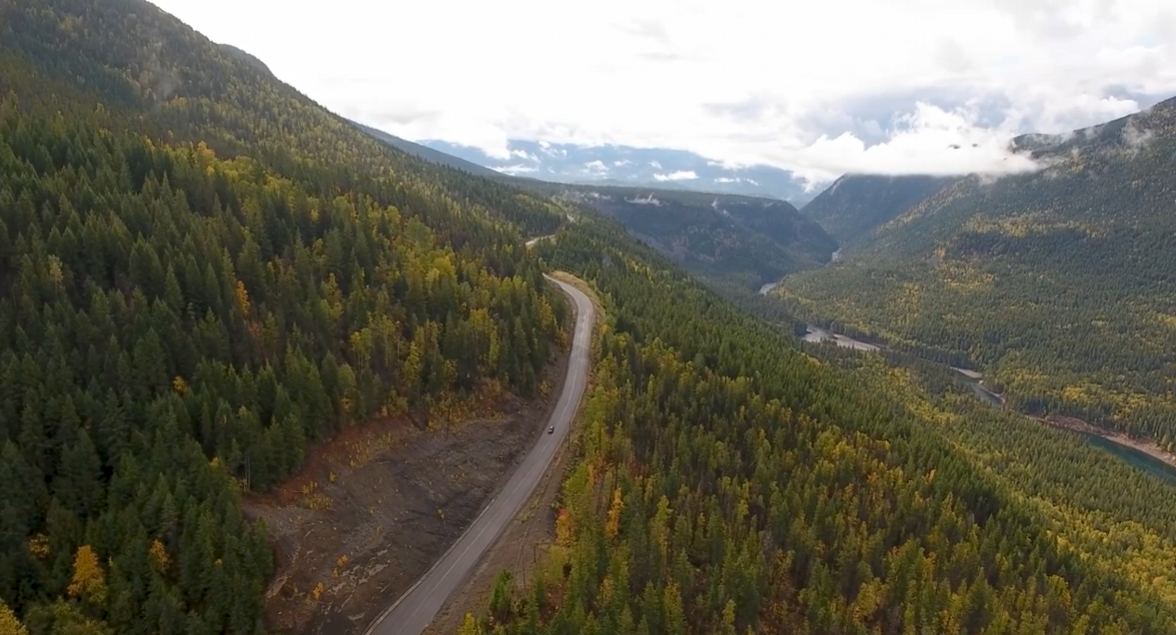
Getting to Wells Gray Provincial Park
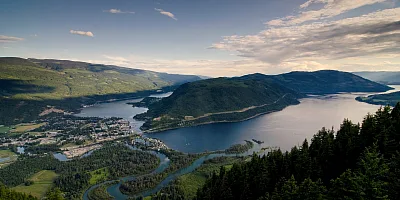
The town of Clearwater is the gateway to Wells Gray Park. Getting here is straightforward and easy, with several options:
By car: Drive Highway 5 (the Yellowhead Highway).
By plane: Fly into Kamloops International Airport (YKA) and rent a car to drive the rest of the way to Wells Gray Park.
By train: If you’re travelling by Via Rail between Vancouver and Jasper, you can hop off at the Clearwater Station for a layover and hire a taxi.
Guided experiences on the land
-
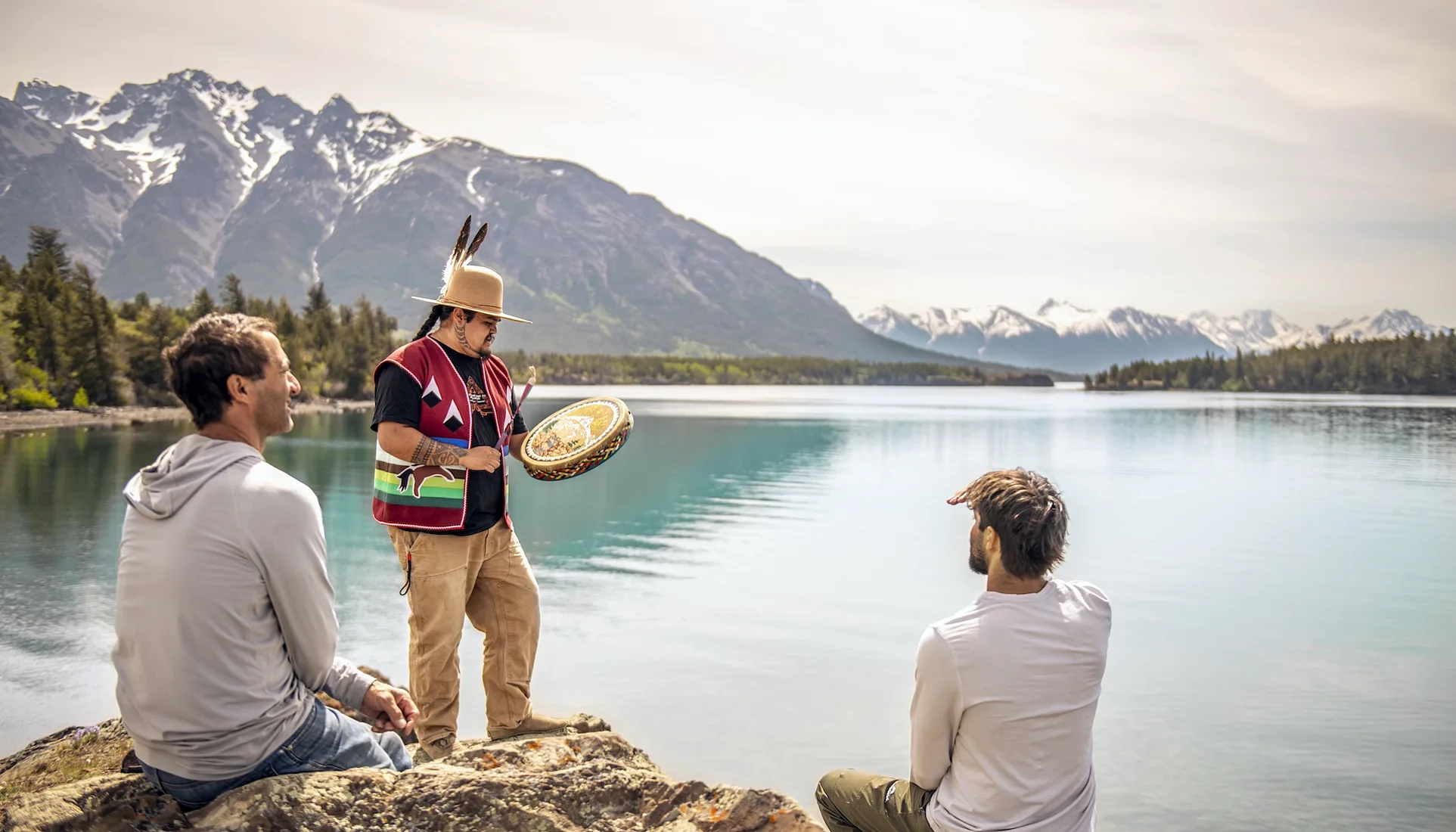 Chilko Lake in Ts’ilʔos Provincial Park | Kari Medig
-
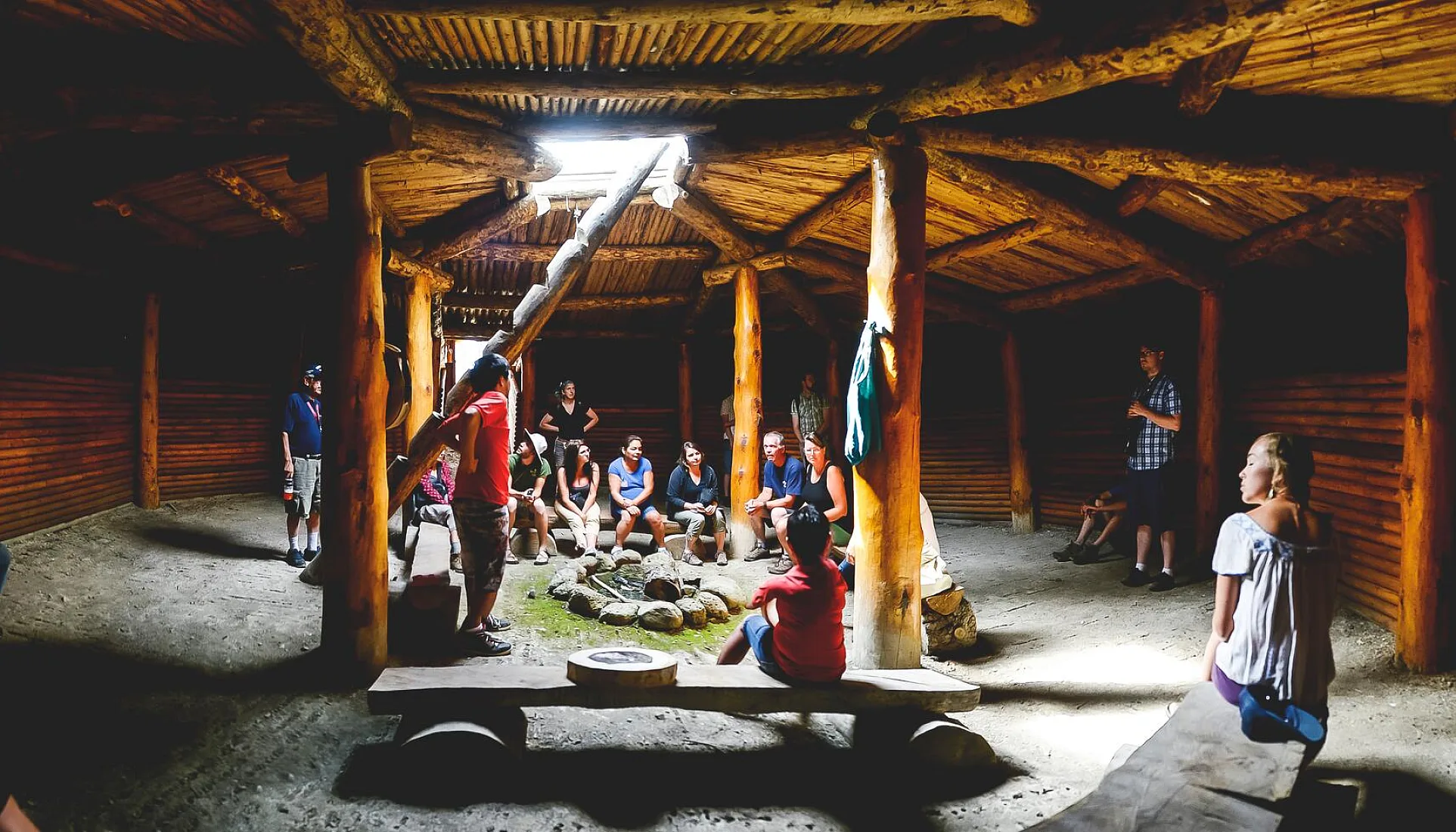 Xwísten Experience Tours, Lillooet | Thompson Okanagan/Jonah Greenman
-
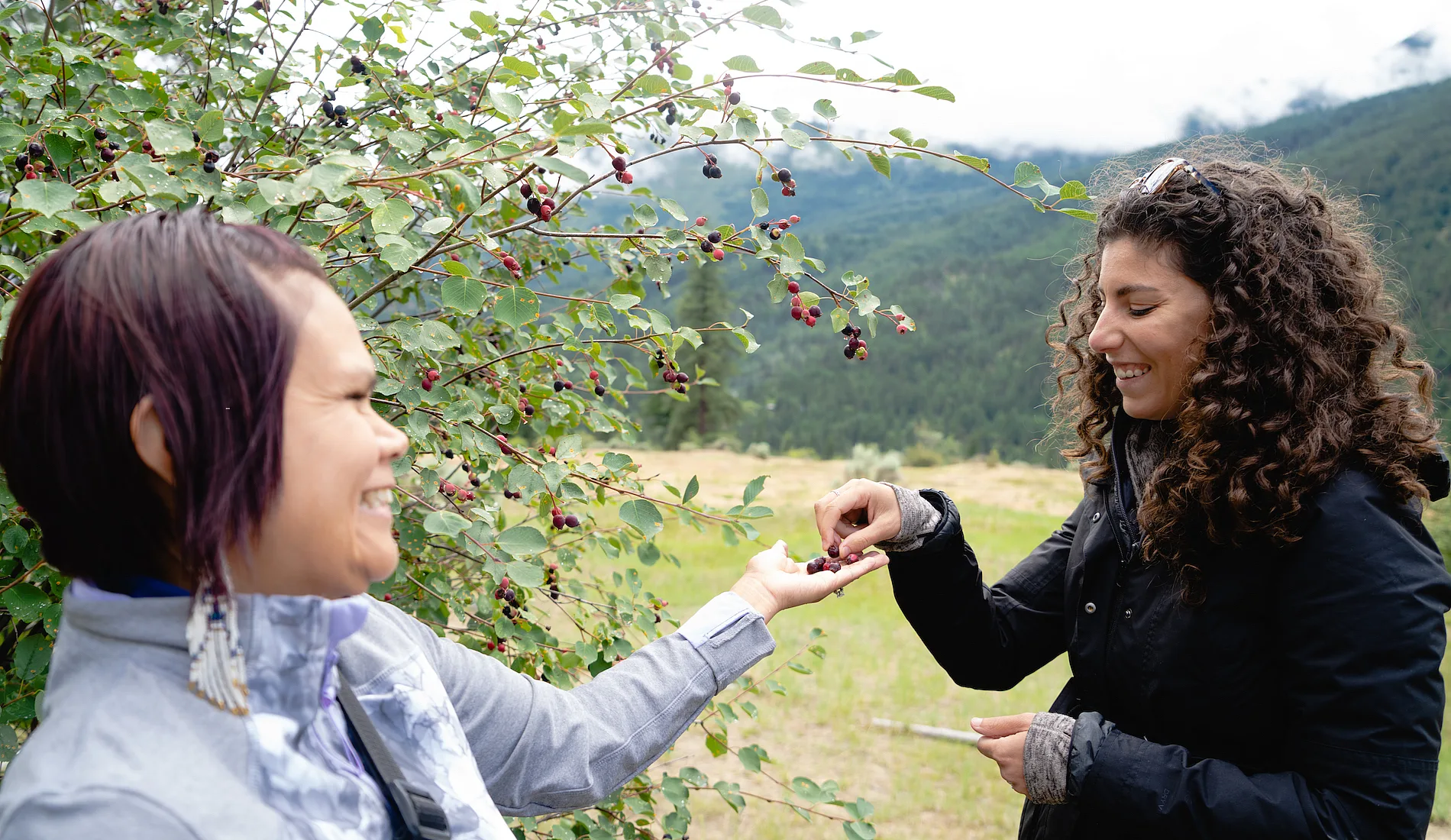 Xwisten Experience Tours, Lillooet | Cariboo Chilcotin Coast/Jonny Bierman
For thousands of years, Indigenous Peoples have established an intimate relationship with the land, its rhythms, and the care it takes to maintain a natural balance. Learn about wildlife, plants, and cultural practices on an Indigenous-guided experience like Nemiah Valley Lodge or Xwisten Experience Tours in the Chilcotin Ark. Get hands-on with traditional crafts, food, and harvesting to gain a deeper understanding of how nature and people are connected.
You’ll find other guiding companies to suit your interests, too, whether it be a wildlife photography excursion,a bear-viewing tour, horseback-riding tour, or helicopter-assisted hiking.
Tour companies near the Chilcotin Ark include: Bracewell’s Alpine Wilderness Adventures, Furthermost Outpost, Whitecap Alpine Adventures, Wilderness Trails
Tour companies near Wells Gray include: Eco-tours BC, Scout Island Nature Centre, Whitegold Adventures
Wildlife viewing through the seasons
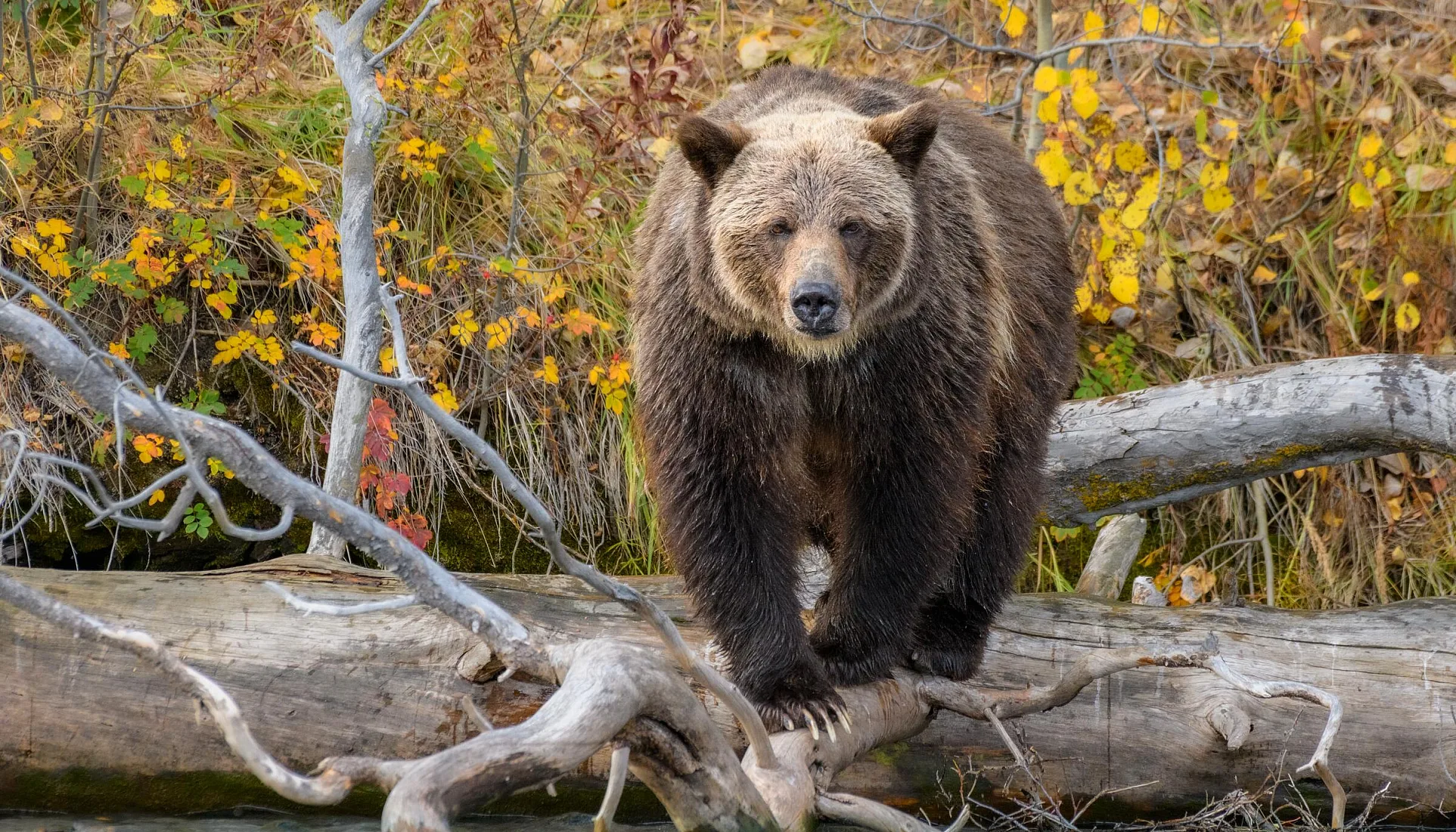 Chilko River | Yuri Choufour
Watch the cycles of nature unfold with the seasons. The landscapes shift with beauty and drama, and so do the animals.
Winters are cool and crisp with moose in the valleys, and fox and wolf tracks in the snow.
Spring brings deep-snow caribou down to lower elevations for green-up, while bears emerge from hibernation.
Summers are an invitation for just about every creature to roam the land, from bears to mountain goats and California bighorn sheep.
Fall shines a spotlight on the salmon spawn and increased bear activity as they prepare for hibernation.
Wildlife safety and responsible travel
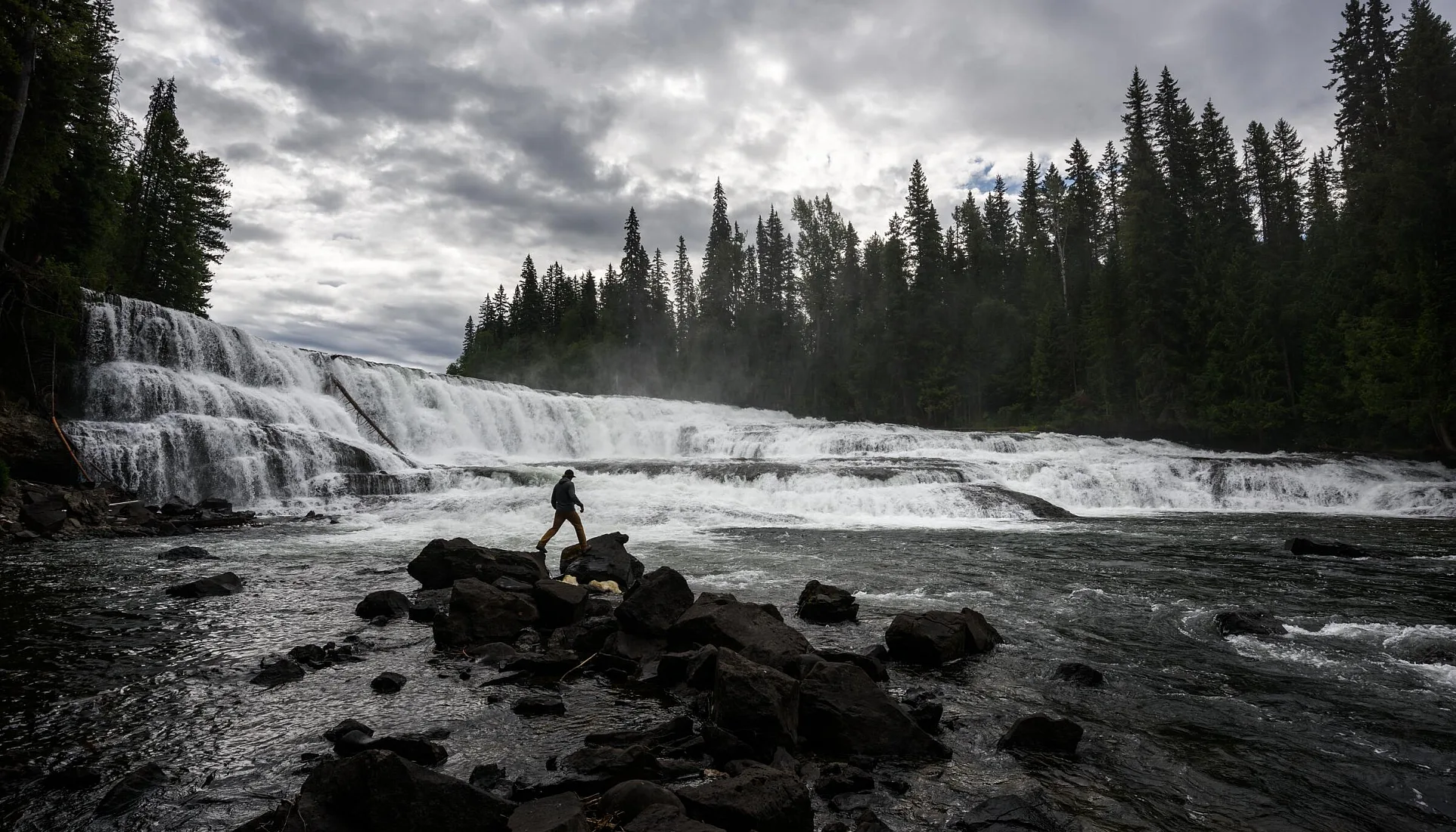 Dawson Falls, Wells Gray Provincial Park | Andrew Strain
When you visit the Chilcotin Ark and Wells Gray Park, know before you go, respect the land, and view wildlife at a safe distance. Prepare for your trip with these helpful tips:
Outdoor adventures: Plan ahead by checking the weather forecast and bringing essentials like food, extra layers, and proper outdoor equipment. Don’t forget to leave a trip plan with someone. Visit BC AdventureSmart for more outdoor recreation resources.
Respect the land and people: Keep these precious places beautiful for everyone. Take only pictures and Leave No Trace by packing out what you pack in. Know whose land you’re on and travel mindfully through Indigenous territories.
Respect wildlife: Keep wildlife wild by giving animals plenty of space, storing food scraps safely, and never feed them. These areas are in bear country, so bring bear spray and know how to use it. Visit WildSafeBC for more wildlife safety tips.
Learn more about visiting Nature’s Heartland.
Getting Here & Around
Visitors to British Columbia can arrive by air, road, rail, or ferry.