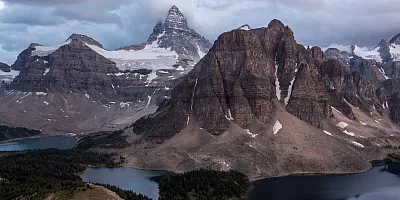
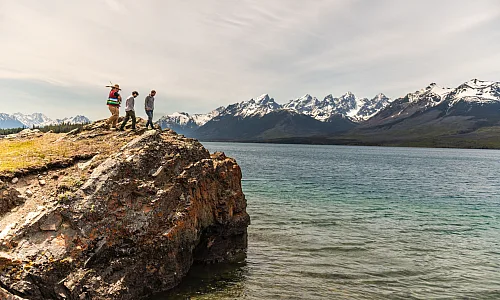

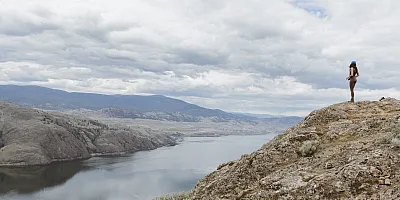
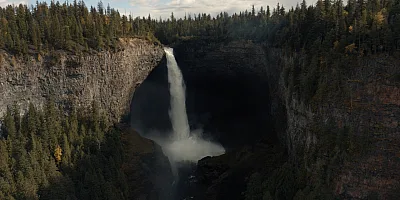
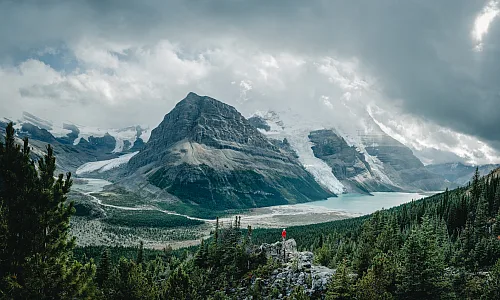

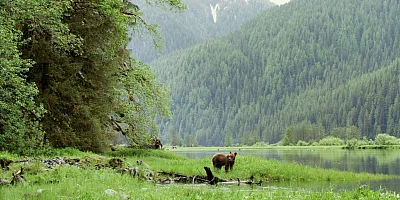
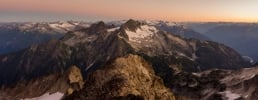
 Chilko Lake in Ts’ilʔos Provincial Park | Kari Medig
By: Kerry Eno | November 4, 2026
Chilko Lake in Ts’ilʔos Provincial Park | Kari Medig Nature's Heartland
Indigenous cultural experiences and outdoor adventures
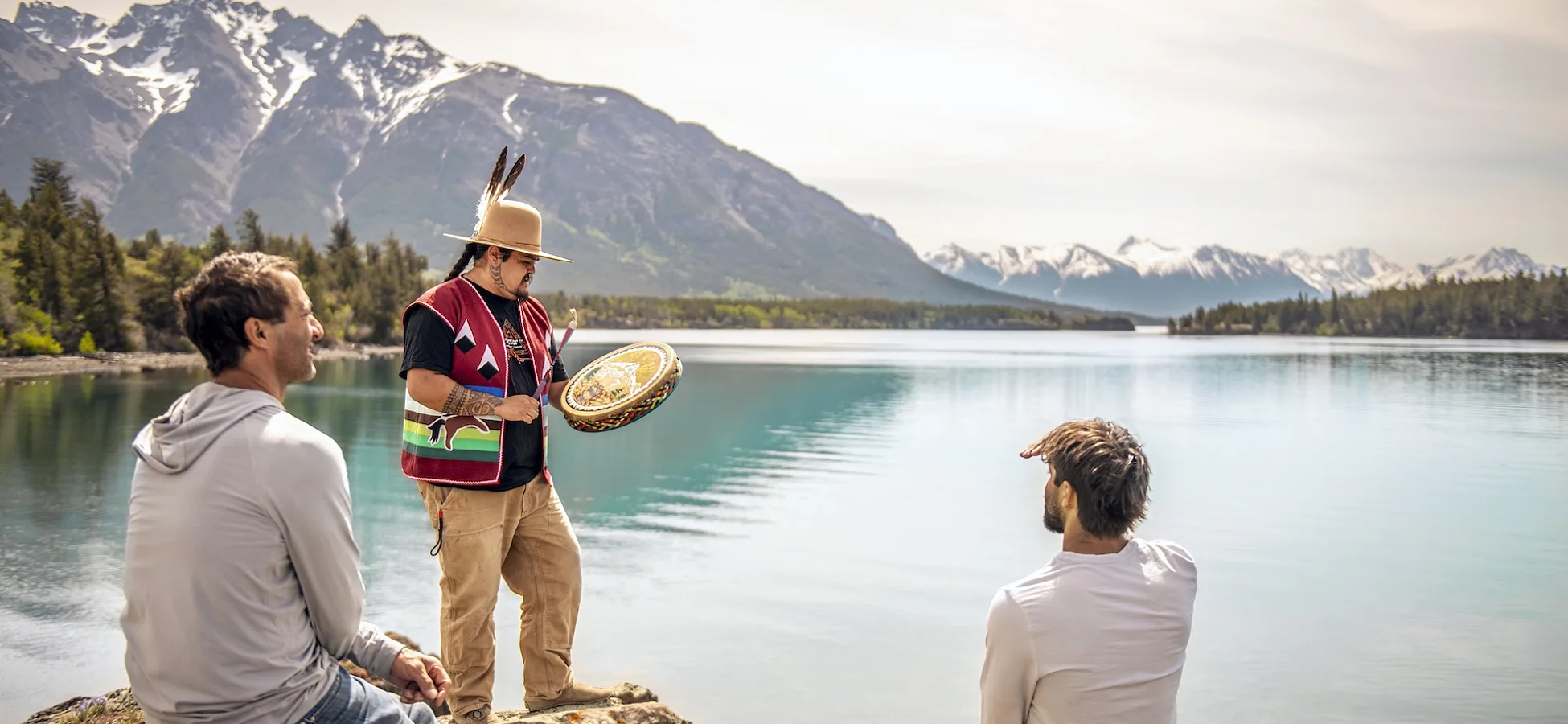
In Nature’s Heartland, learning happens right where the stories began. Walk through a traditional Nlaka’pamux village near Boston Bar, taste wind-dried salmon with St’át’imc guides near Lillooet, and explore Secwépemc culture and the truths of residential school history at the Secwépemc Museum in Kamloops. In the Chilcotin, experience the Tŝilhqot’in’s enduring horse culture on their Title Lands. From cultural tours and community powwows to trails and rivers, these experiences bring you closer to the people, their histories and truths, and the beautiful adventure of living culture on the land.
Start in Kamloops: Secwépemc culture and knowledge
Begin at the Secwépemc Museum & Heritage Park in Kamloops, where visitors can learn about Secwépemc history, culture, language, and connections to the land.
An ethnobotany tour introduces visitors to local plants and their traditional uses in food, medicine, and daily life. Visitors can also learn about Canada’s residential school system that forcibly separated Indigenous children from their families and sought to erase their languages and cultures through the museum’s programming and its tour of the former Kamloops Residential School.
Boston Bar is about a three-hour drive from Kamloops. Take Highway 1 west through Cache Creek, Spences Bridge, and Lytton along the Thompson and Fraser rivers, or take the Coquihalla (Highway 5) south to Hope and follow Highway 1 north through the Fraser Canyon.
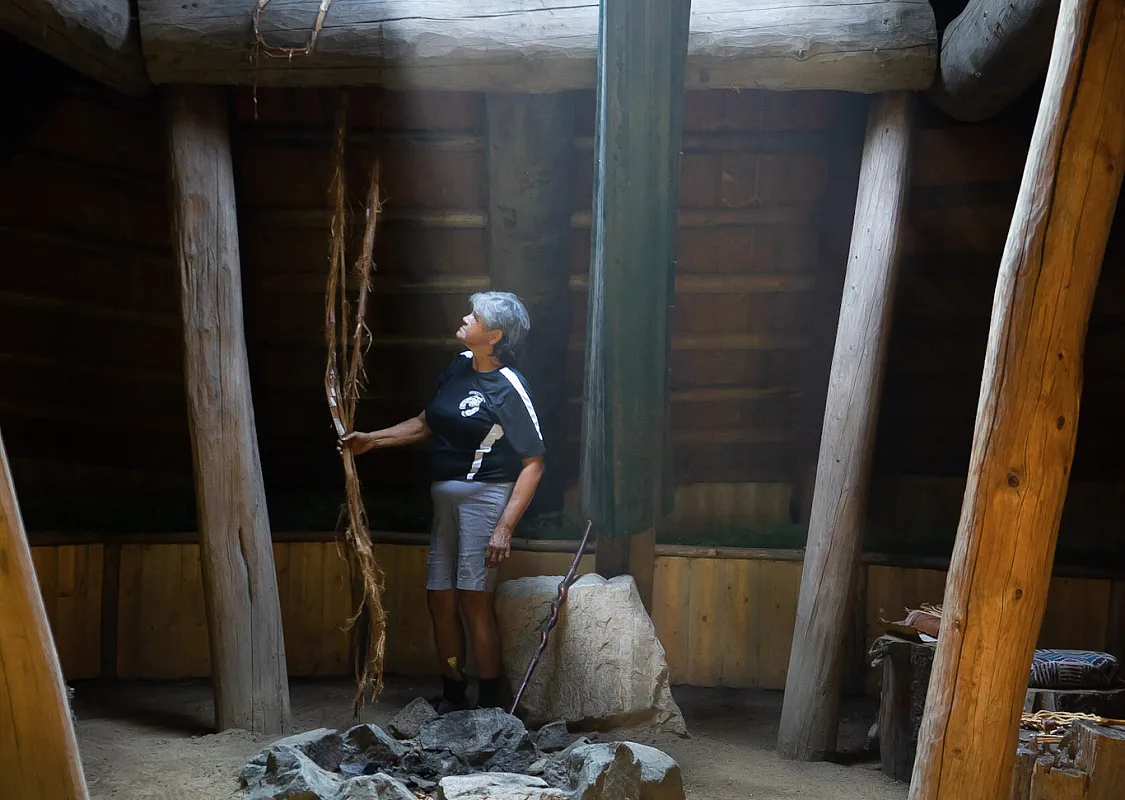 Tuckkwiowhum Heritage Village | Cariboo Chilcotin Coast/Jonny Bierman
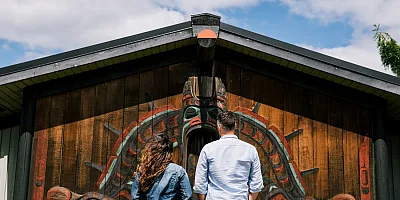
Walk through Nlaka’pamux history at Tuckkwiowhum Village
Near Boston Bar, Tuckkwiowhum Village lets visitors walk through a traditional Nlaka’pamux village and learn how people lived in relationship with the surrounding land.
Tuckkwiowhum refers to a great berry-picking place, reflecting the surrounding rolling hills and forests of huckleberries, blueberries, and medicinal plants, and the importance of seasonal foods and knowledge passed down through generations. Explore traditional structures, including a pit house, smokehouse, food caches, and earth ovens. Guided experiences and cultural workshops bring these places to life through stories, demonstrations, and traditional skills.
Boston Bar is about a three-hour drive from Kamloops. Take Highway 1 west through Cache Creek, Spences Bridge, and Lytton along the Thompson and Fraser rivers, or take the Coquihalla (Highway 5) south to Hope and follow Highway 1 north through the Fraser Canyon.
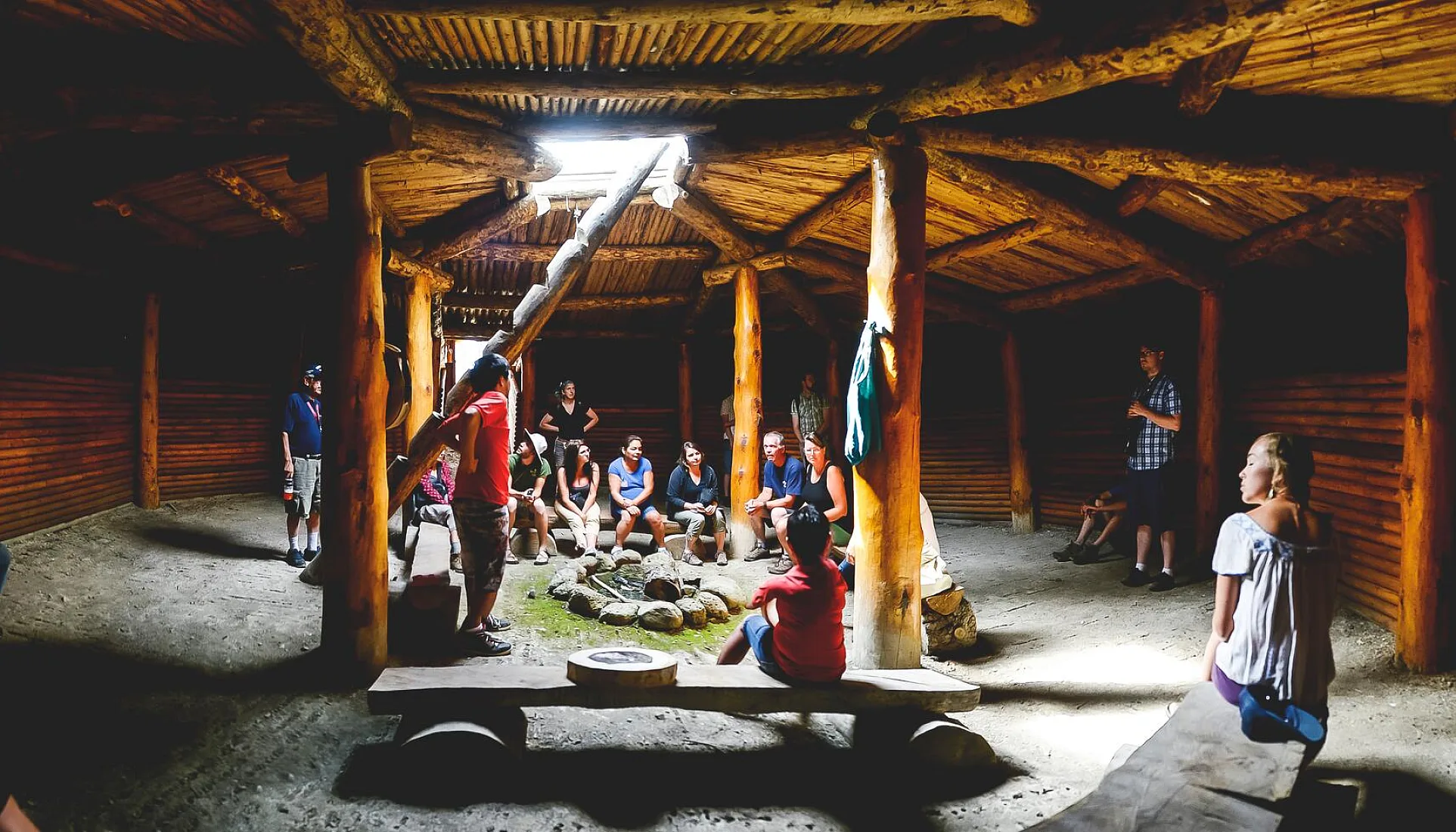 Xwísten Experience Tours, Lillooet | Thompson Okanagan/Jonah Greenman
Follow the salmon at Xwísten Experience Tours
North of Lillooet, the Fraser and Bridge rivers meet in a landscape that has sustained St’át’imc communities for generations. At Xwísten Experience Tours, visitors can walk through the Bridge River fishing grounds and an archaeological village.
With a guide, learn how St’át’imc people continue to harvest salmon and preserve it using traditional wind-drying methods. The archaeological village contains dozens of pit-house depressions, traces of homes that once sheltered people through the seasons.
After walking the ancestral fishing rocks, tasting wind-dried ts’wan, and stepping inside a s7ístken (earth lodge) with Xwísten Experience Tours, you can carry that connection into the evening.
At Retasket Lodge, owned by T’it’q’et First Nation and situated on unceded St’át’imc Nation territory, unwind on your cabin deck overlooking Seton Lake, whose waters shift between milky blue and sparkling emerald.
Lillooet is about a 90-minute drive from Boston Bar. Head north on Highway 1 to Lytton, then follow Highway 12 north along the Fraser River to Lillooet.
-
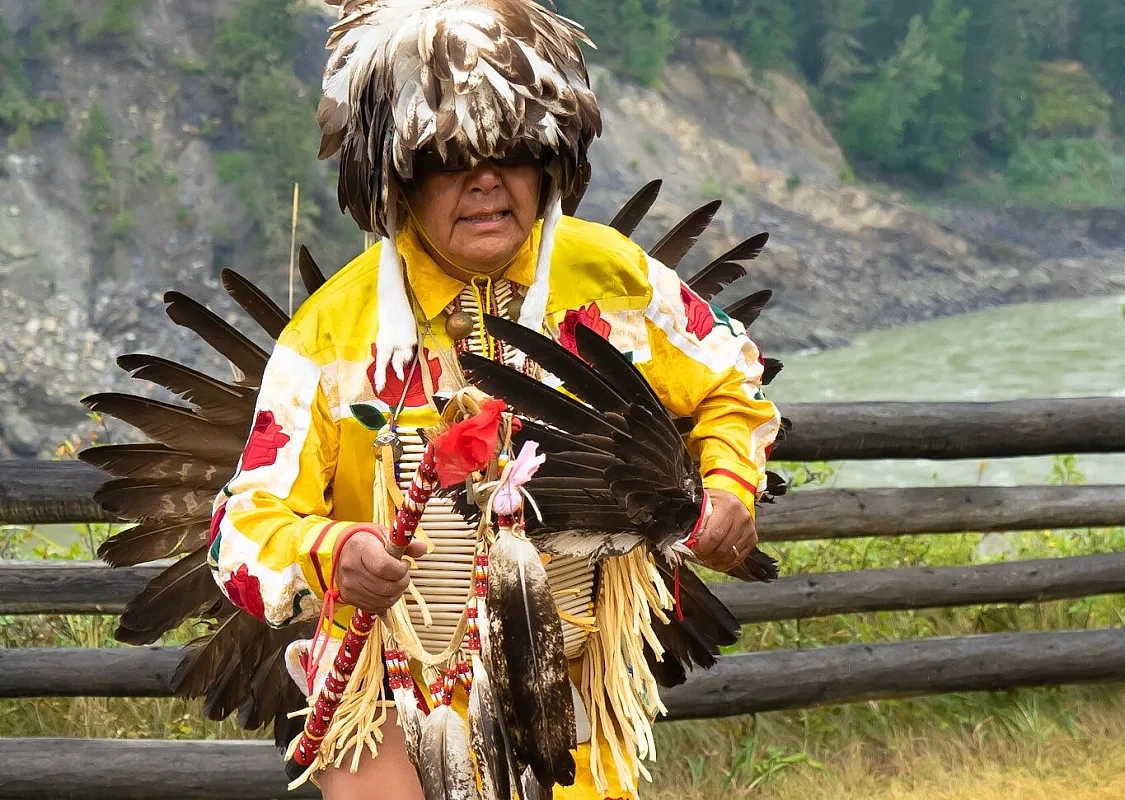 Xatsull Heritage Village, Soda Creek | Cariboo Chilcotin Coast/Jonny Bierman
-
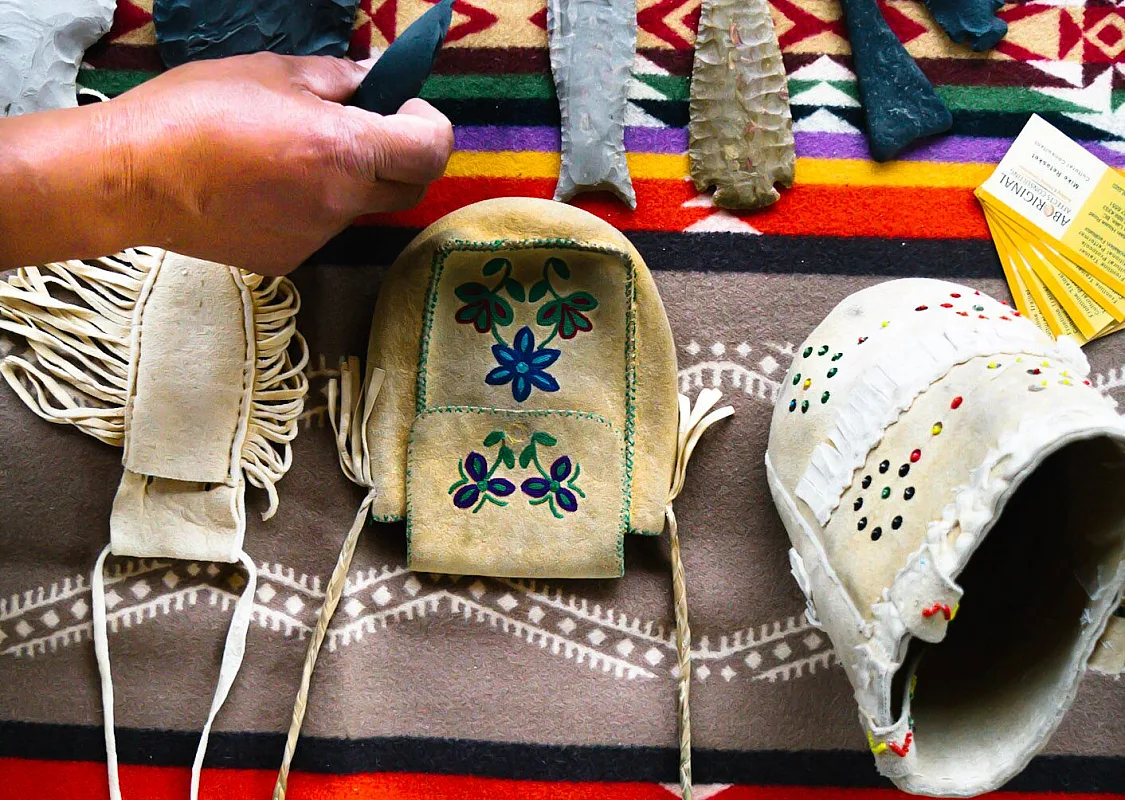 Xatsull Heritage Village, Soda Creek | Cariboo Chilcotin Coast/Jonny Bierman
-
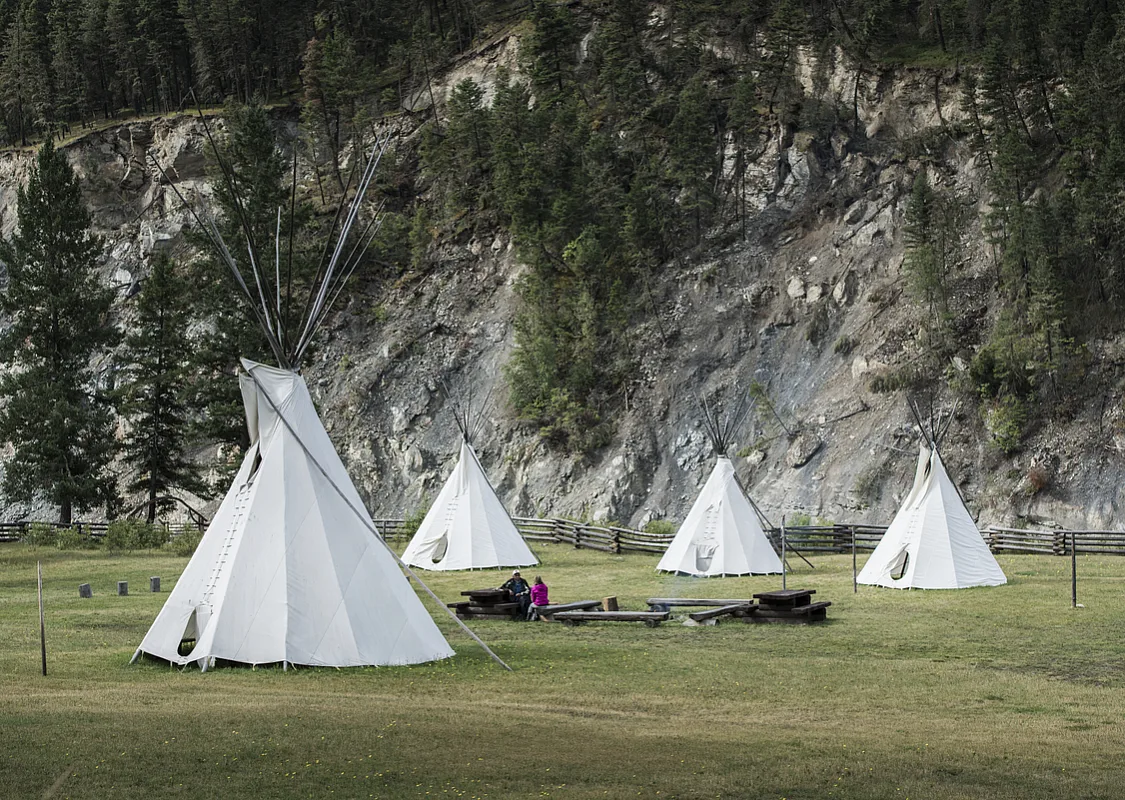 Xatśūll Heritage Village, Soda Creek | Blake Jorgenson
Experience Xatśūll Heritage Village beside the Fraser River
North of Williams Lake, Xatśūll Heritage Village sits beside the Fraser River in Xatśūll territory. Visitors can step into a traditional village setting and learn about the knowledge, skills, and seasonal practices that have sustained this Secwépemc community.
Walk among reconstructed pit houses, drying and tanning racks, a sweat house, and summer structures. With a guide, learn about traditional ways of life, fishing along the Fraser, and how people used the plants, animals, and materials available in their territory.
Visitors can also hike, mountain bike, and snowshoe on Xatśūll First Nation’s network of high-quality trails built for mountain biking and hiking, as well as winter snowshoeing.
Williams Lake is about a three-and-a-half-hour drive from Lillooet. Follow Highway 99 north through Marble Canyon to Highway 97, then continue north through Clinton and 100 Mile House to Williams Lake.
-
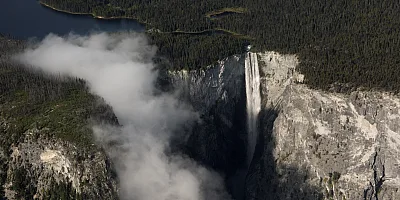
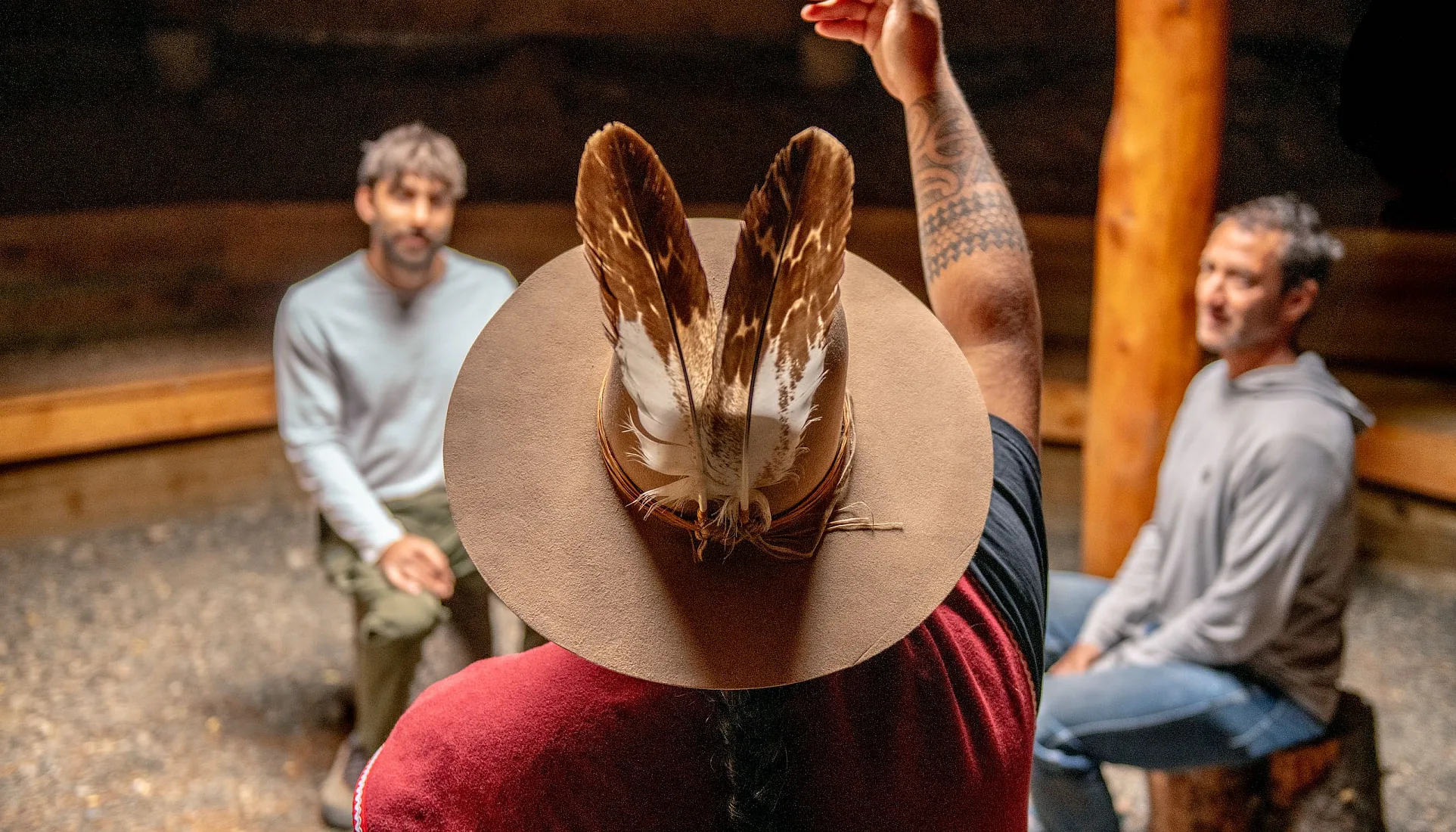 Ts'il?os Provincial Park | Kari Medig
-
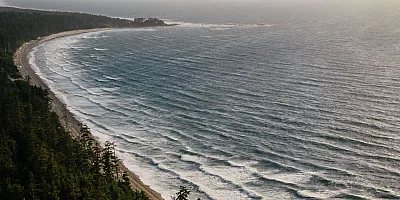
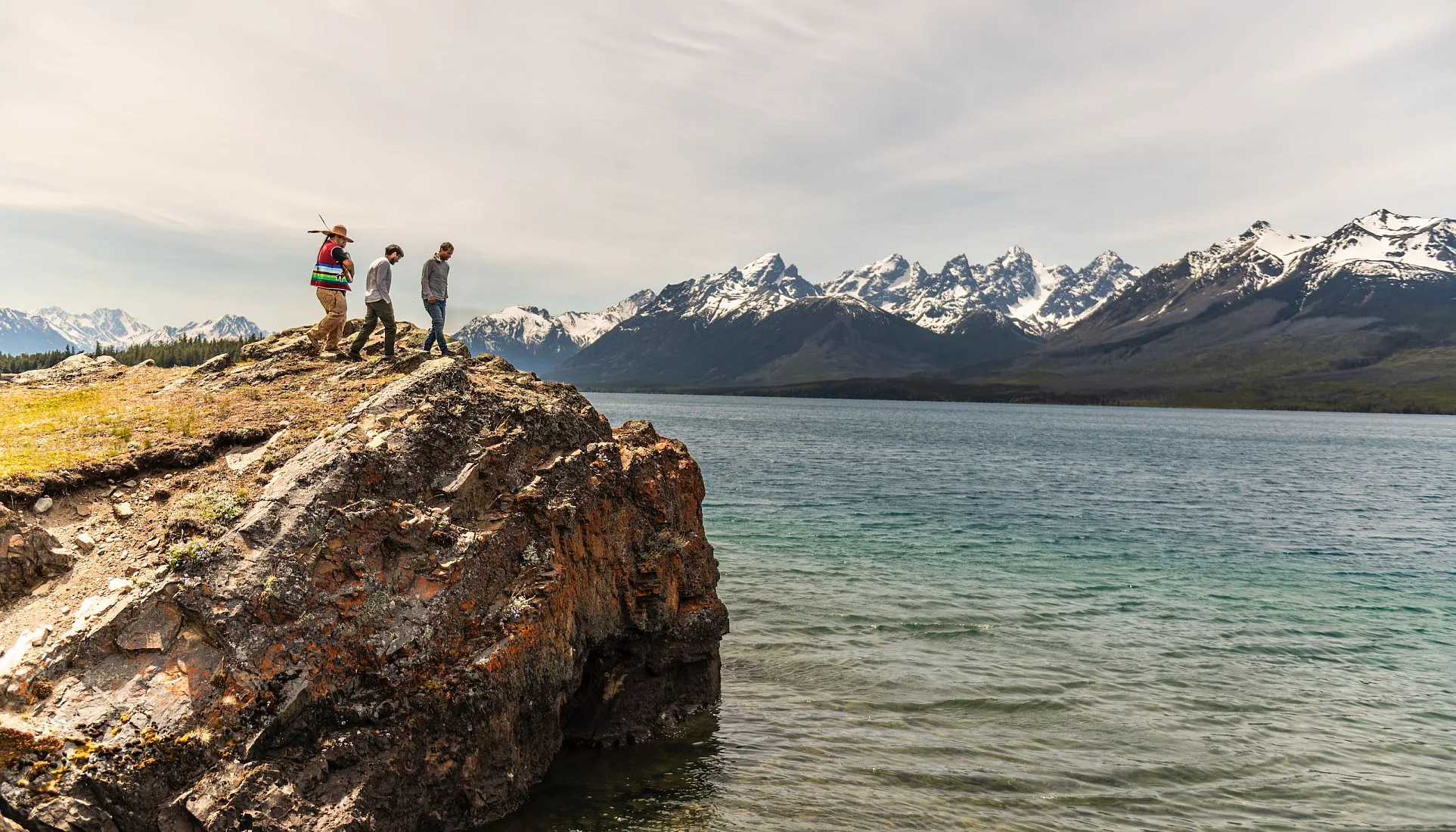 Ts'il?os Provincial Park | Kari Medig
-
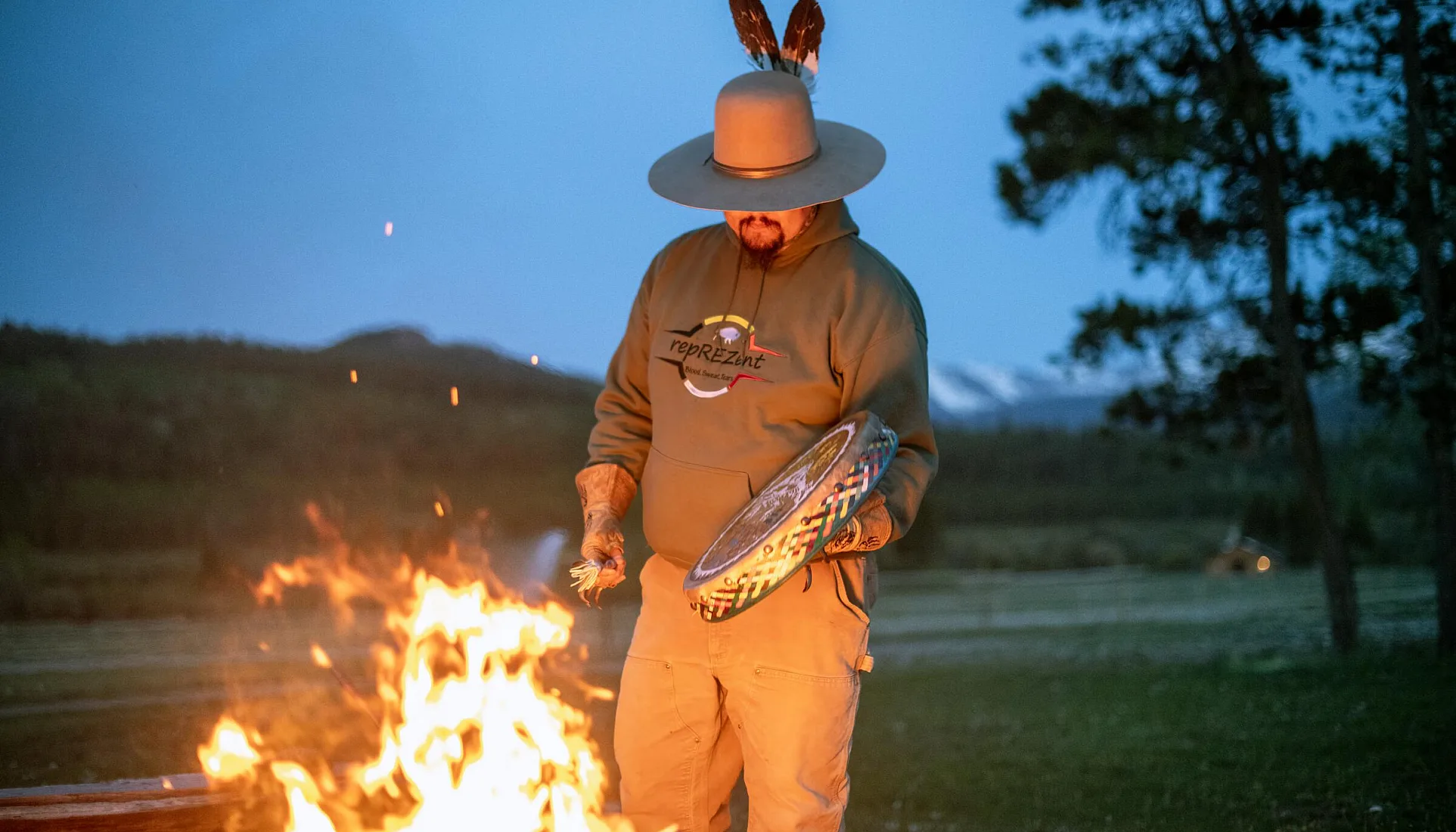 Nemiah Valley Lodge | Kari Medig
Go deeper into the Chilcotin: Nemiah Valley
Nemiah Valley Lodge offers an opportunity to experience the Chilcotin through the knowledge and hospitality of the Xeni Gwet’in community, part of the Tŝilhqot’in Nation.
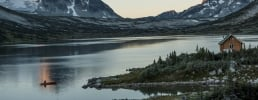
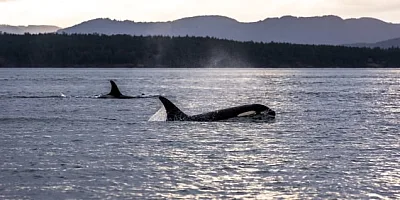
Spend your days paddling, fishing, hiking, or watching for wildlife, with local hosts sharing stories and knowledge of these Tŝilhqot’in Title Lands.
Combine a guided journey toward Chilko Lake with wild-horse viewing and a visit to a traditional village site. Built by the Xeni Gwet’in to honour ancestors and pass knowledge to younger generations, the village offers visitors a chance to learn about the continuing importance of culture, place, and intergenerational learning.
Guided viewing with Xeni guides or rangers helps visitors observe the wild horses while respecting their space. Give yourself at least two or three nights here to experience the valley and its surrounding lakes, forests, grasslands, and mountains.
Nemiah Valley is about a four-hour drive from Williams Lake. Head west on Highway 20 to Hanceville, then turn south onto the gravel road into Xeni Gwet’in Territory. Fuel up in Williams Lake and expect limited cell service.
-
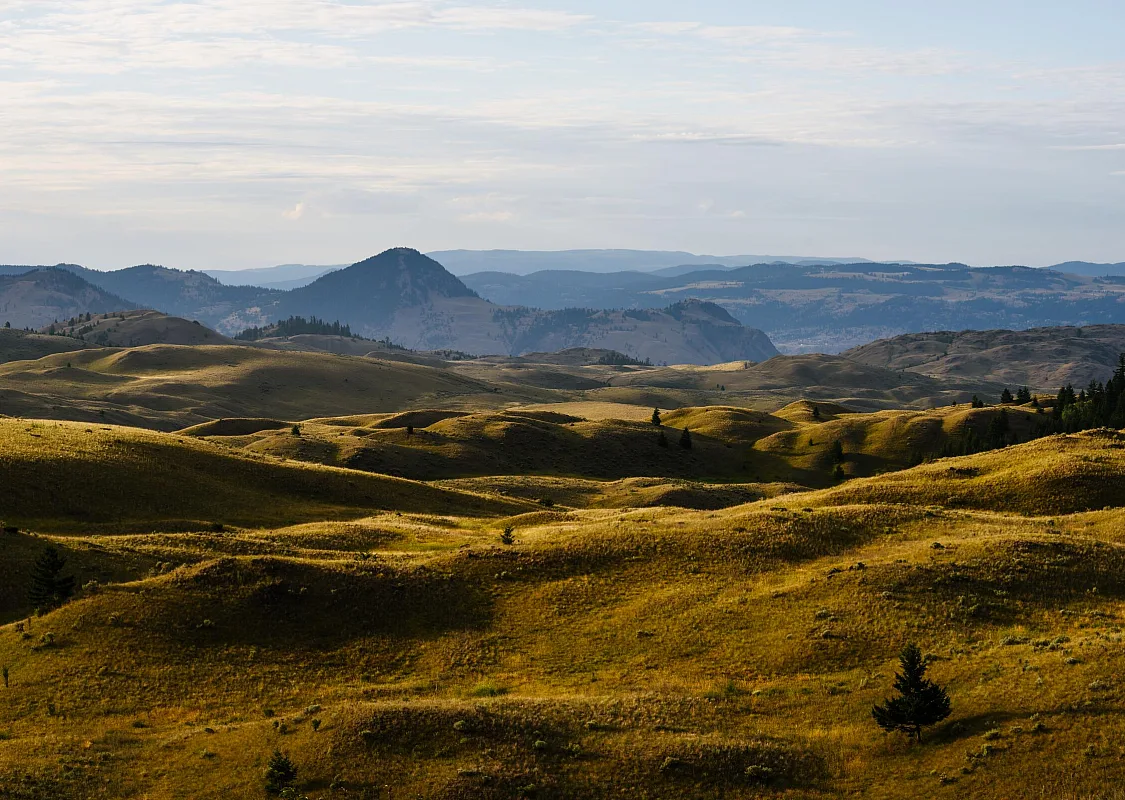 Lac du Bois Grasslands, Kamloops | Andrew Strain
-
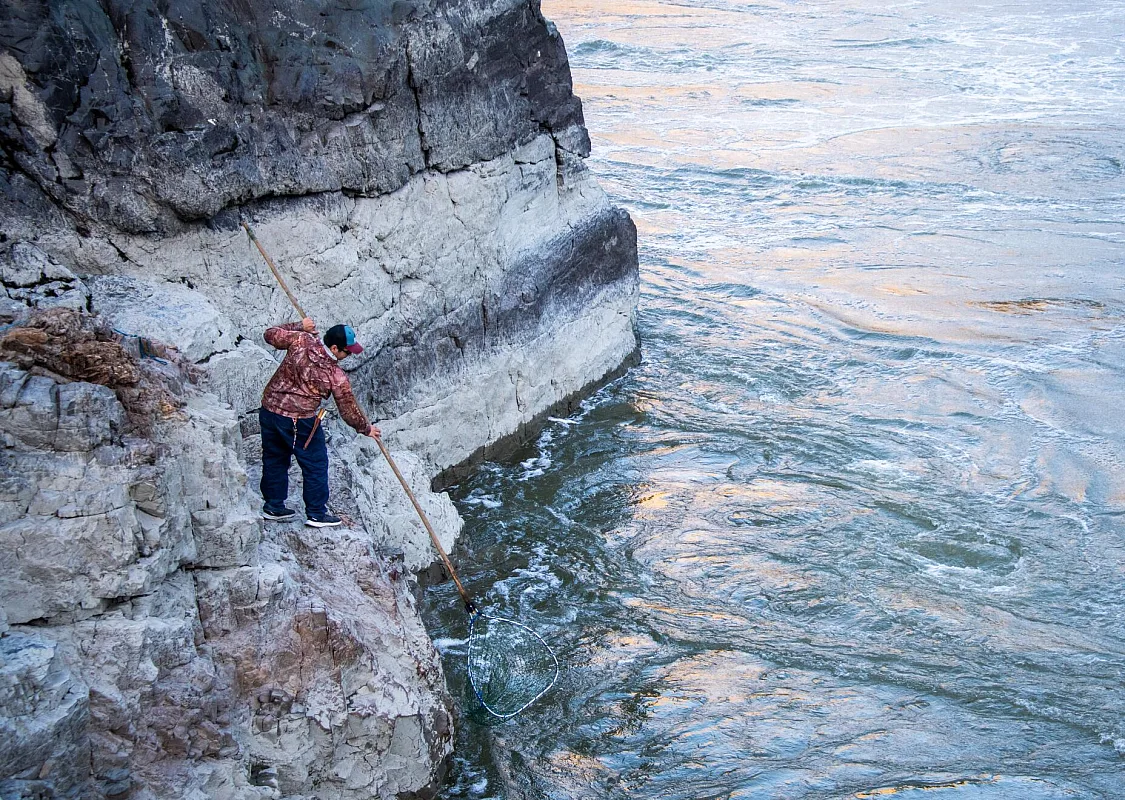 Xwísten Experience Tours, Lillooet | Kare Medig
-
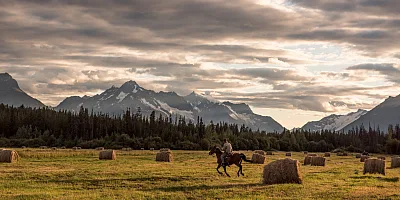
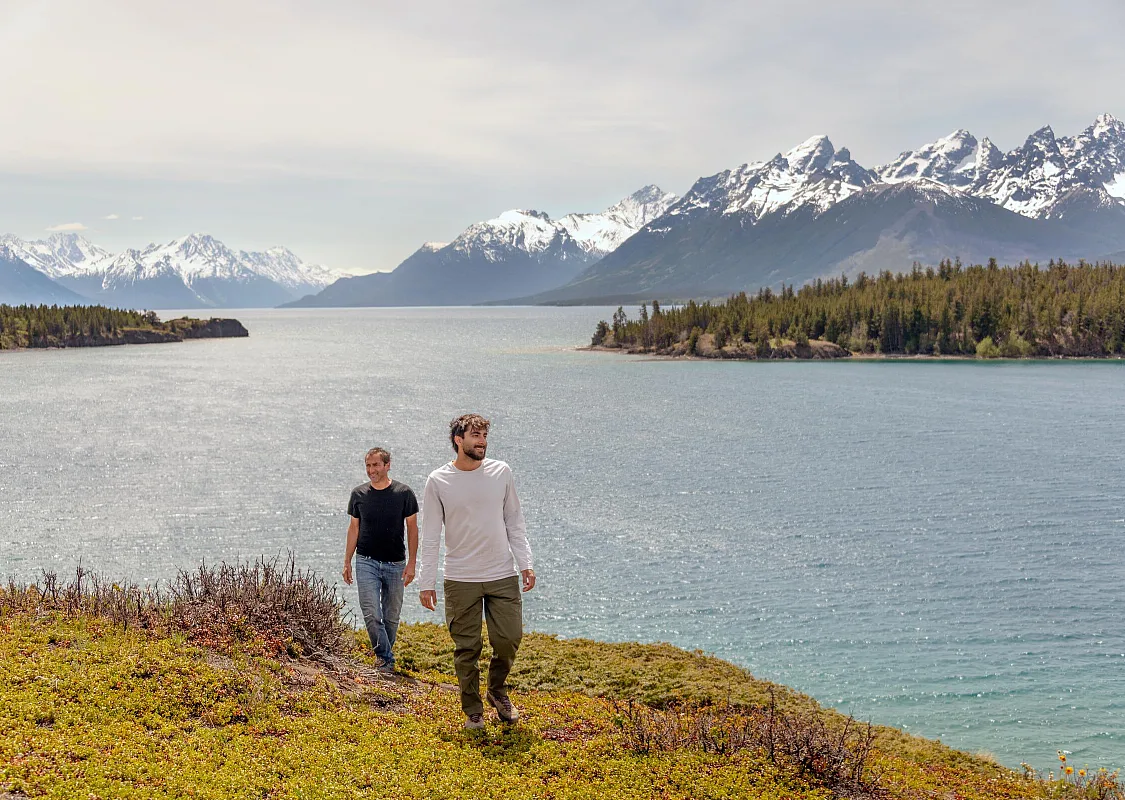 Nemiah Valley | Kari Medig
Let the landscape lead
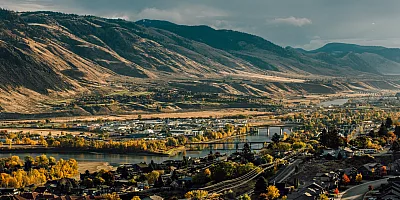
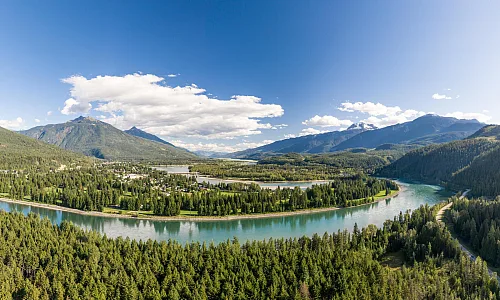
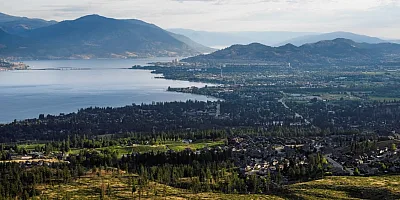
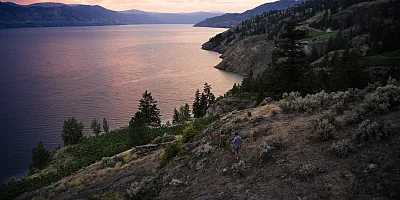
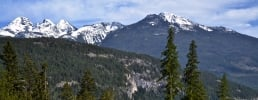
One of the joys of travelling through Nature’s Heartland is how dramatically the scenery changes along the way. The dry grasslands and river valleys around Kamloops give way to the steep walls of the Fraser Canyon. Near Lillooet, salmon fishing grounds and archaeological sites reveal longstanding connections between people and the river. Farther north and west, the Cariboo and Chilcotin open into forests, wetlands, lakes, and mountain country.
Choose a few experiences that interest you, allow time to spend outdoors, and build your route around the places you most want to understand.
Always check DriveBC for road conditions, and ask your hosts for local advice on routes into their communities.
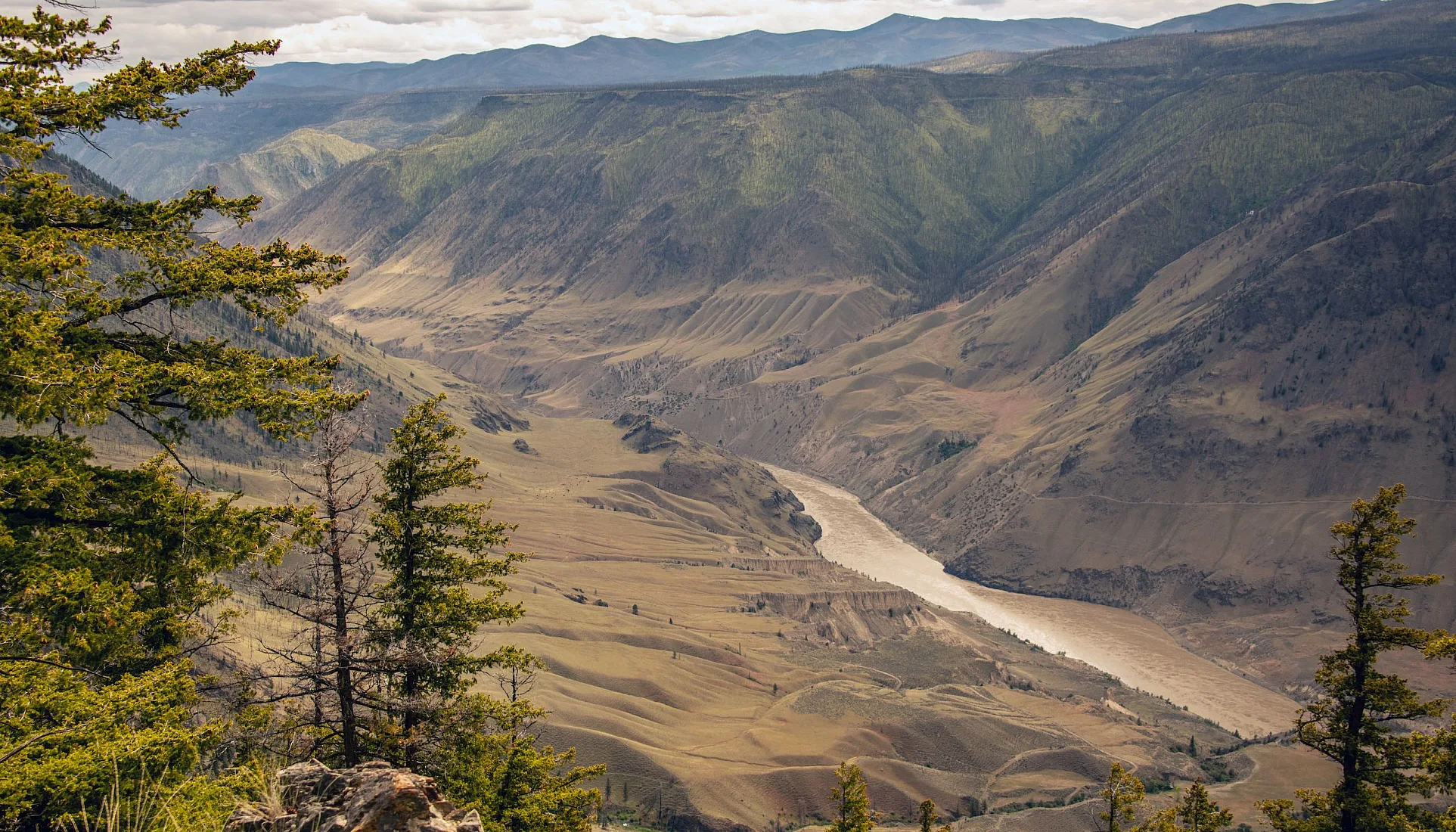 Edge Hills Provincial Park, Clinton | Kari Medig
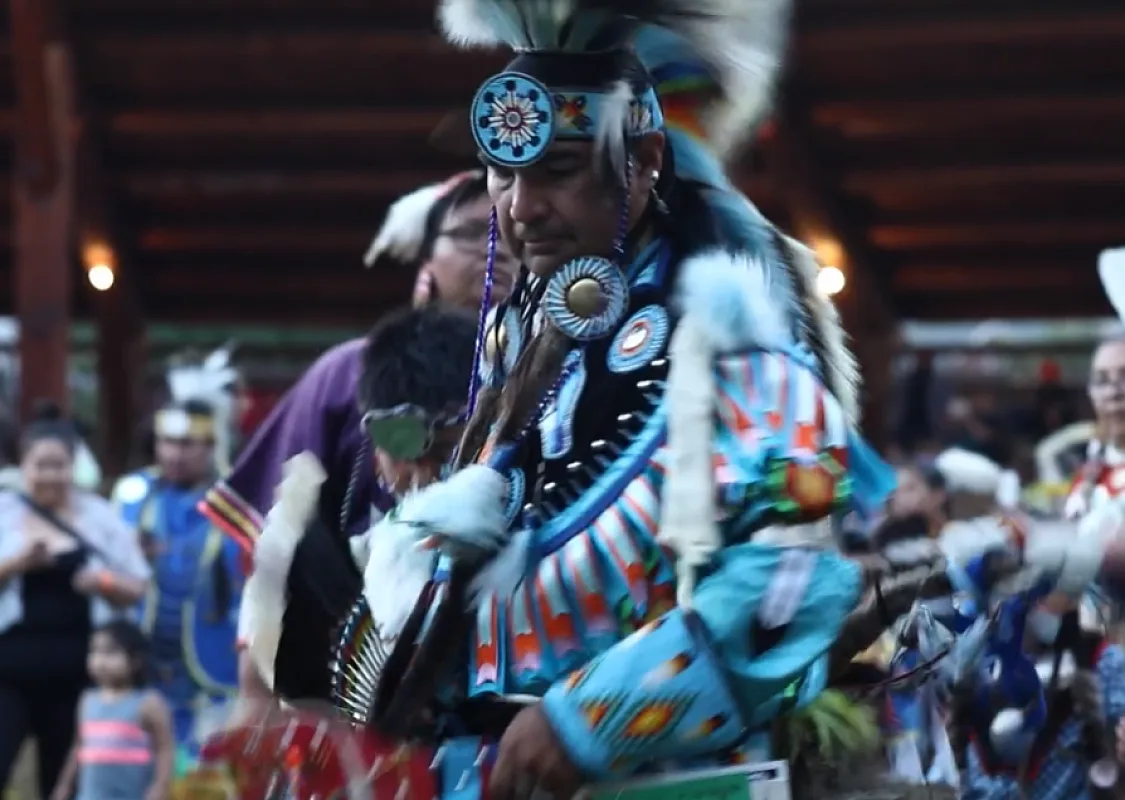
Experience culture in celebration
Public community gatherings offer opportunities to experience contemporary Indigenous cultures through dance, drumming, food, art, and community connection.
The Kamloopa Powwow in Tk̓emlúps te Secwépemc and the Williams Lake First Nation Traditional Pow Wow in T’exelc bring people together to celebrate culture and community. These events take place in June, which is also National Indigenous History Month in Canada, as many communities celebrate the summer solstice and National Indigenous Peoples Day (June 21).
Powwows are community celebrations, not performances staged for visitors. Take time to learn about the event, follow the organizers’ guidance, and respect protocols around photography, participation, and access.
Travel with respect, and give the experience time
Book cultural tours and guided experiences in advance and check seasonal opening dates and road conditions. When travelling into remote areas, carry offline maps, fuel, food, and appropriate outdoor equipment.
At cultural sites and community events, follow the guidance of your hosts. Ask before photographing people, cultural objects, ceremonies, or private spaces, and respect any areas that are not open to visitors.
Most of all, give yourself time to listen and observe. Learn why a village was built beside a river, how people have used plants for generations, what makes a fishing ground important, or why a community continues to protect a particular landscape.
Getting Here & Around
Visitors to British Columbia can arrive by air, road, rail, or ferry.