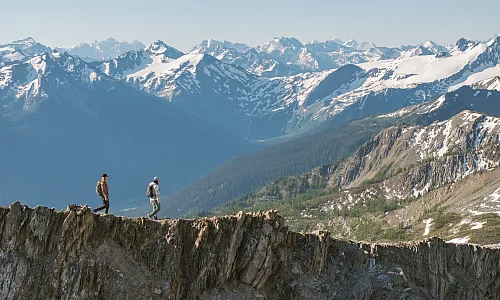
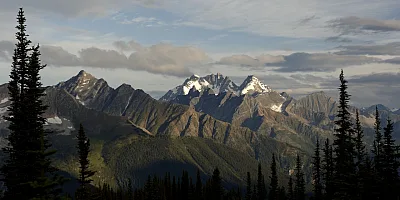
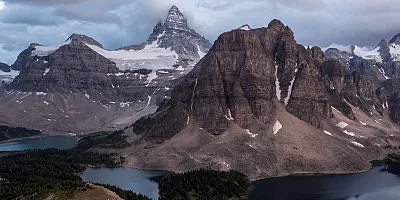

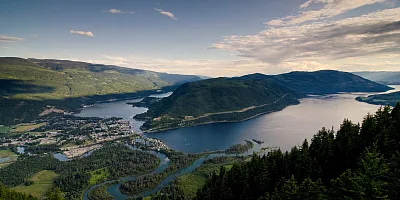
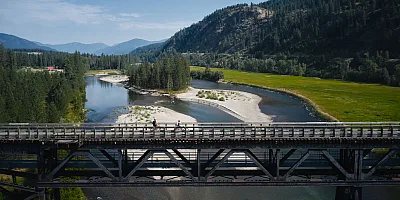
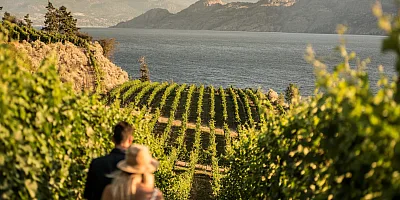
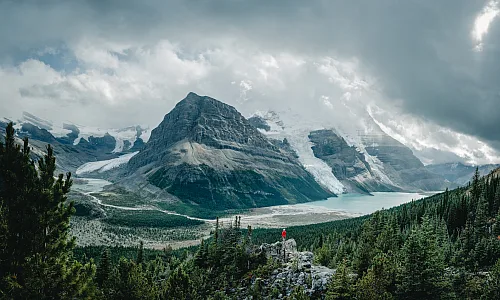
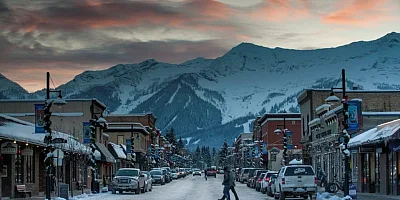
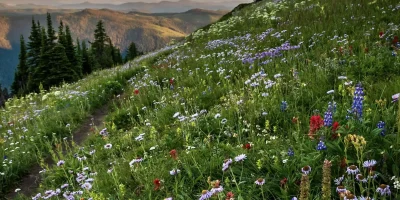
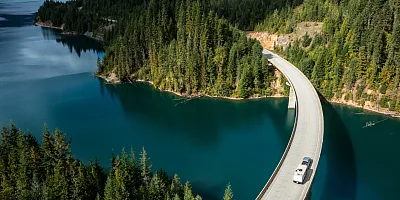
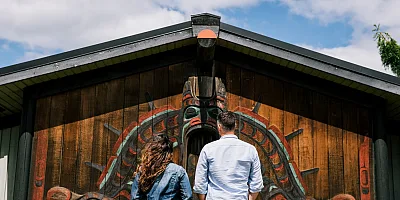

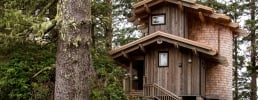
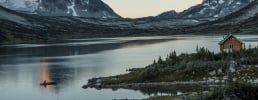
 Tyax Lodge near Gold Bridge | Kari Medig
 By: Matt Coté | September 23, 2026
Tyax Lodge near Gold Bridge | Kari Medig Nature's Heartland
Ride through the range lands of British Columbia
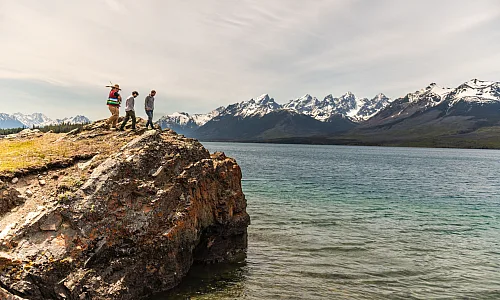
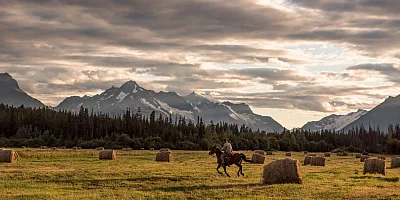
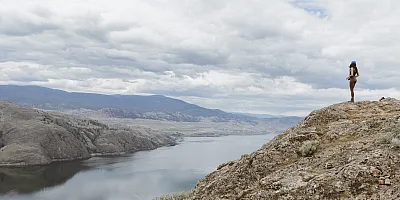
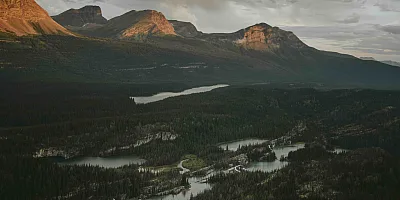
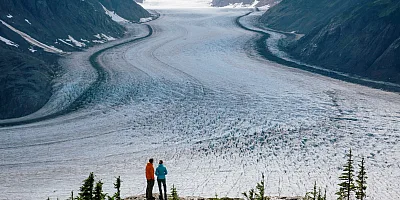
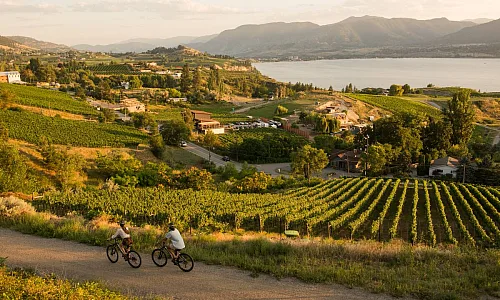
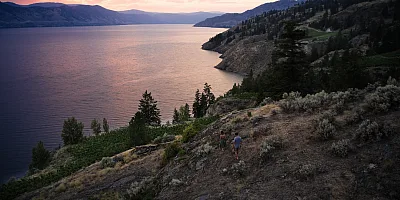
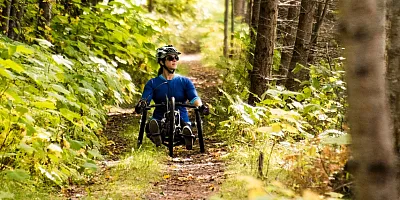
Sweeping river canyons, rolling fields of amber grass, sandy hoodoos, giant lakes that are mirror still, and rainbow-striped mountains at the horizon. Nature’s Heartland stretches across British Columbia’s Interior, from Kamloops north through the Cariboo and west toward the Chilcotin Mountains. It sits at the intersection of vast landscapes and total freedom. It’s the promise of pasture, water, and mountain ranges that run uninterrupted for days and weeks at a time—all of it connected by trails, wagon roads, and gravel. While Indigenous Peoples and ranchers have moved through this arable stretch of the BC Interior by horse for generations, these days it’s just as common to explore by bike. Stretched between the Chilcotin and Cariboo mountains, pavement gives way to secluded ribbons of gravel that weave the countryside together, while endless braids of singletrack link distant valleys and summits.
Where to ride
-
 Kamloops Bike Ranch | BC Ale Trail
 -
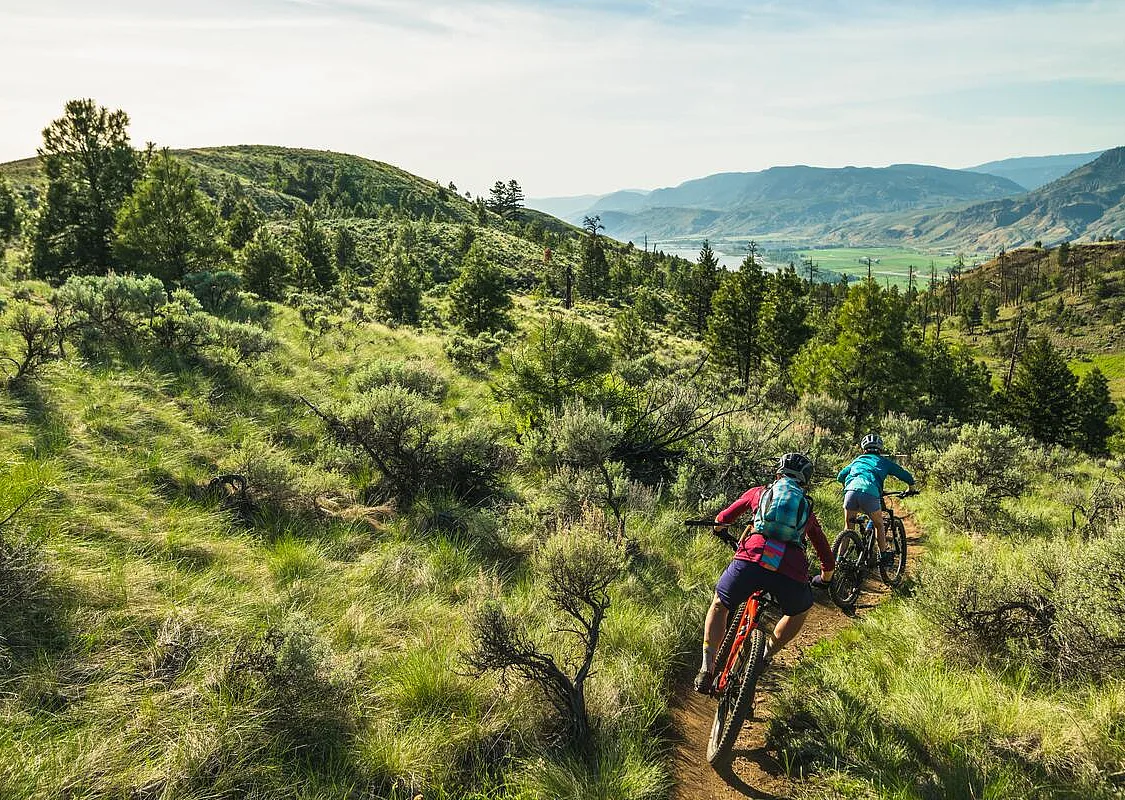 Kenna Cartwright Nature Park, Kamloops | Tourism Kamloops/Dylan Sherrard
 -
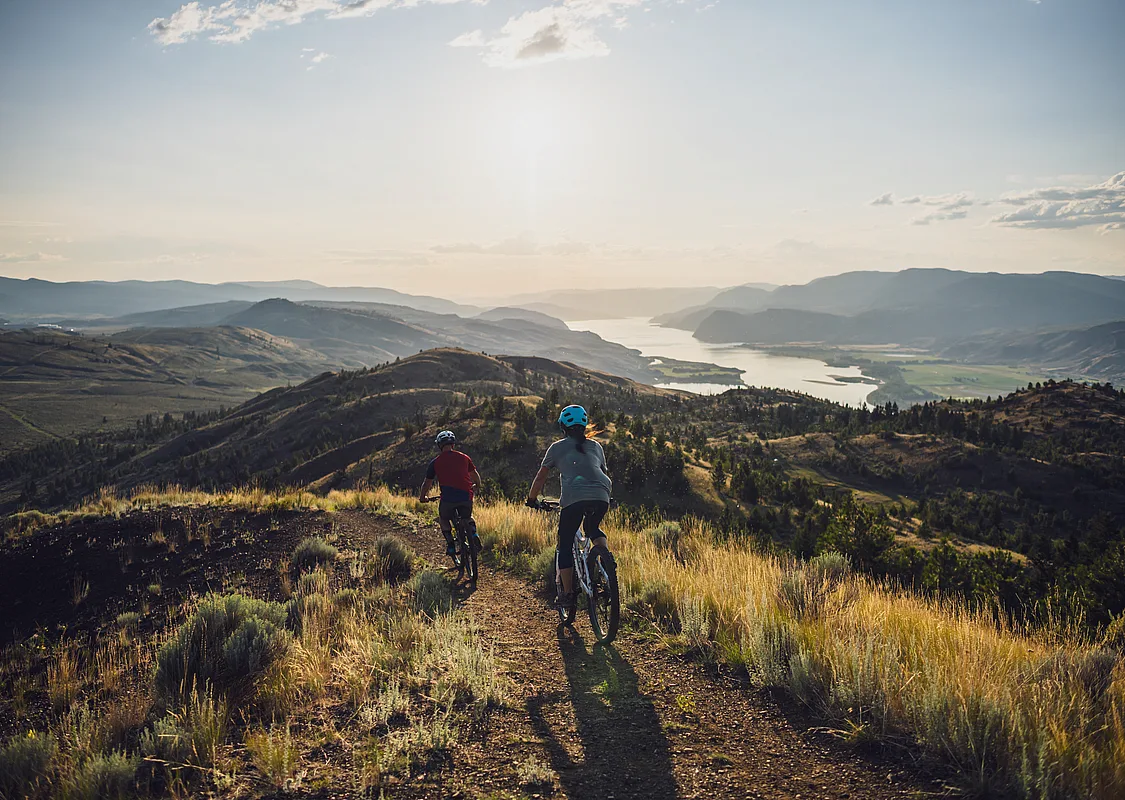 Kenna Cartwright Park, Kamloops | Andrew Strain
 -
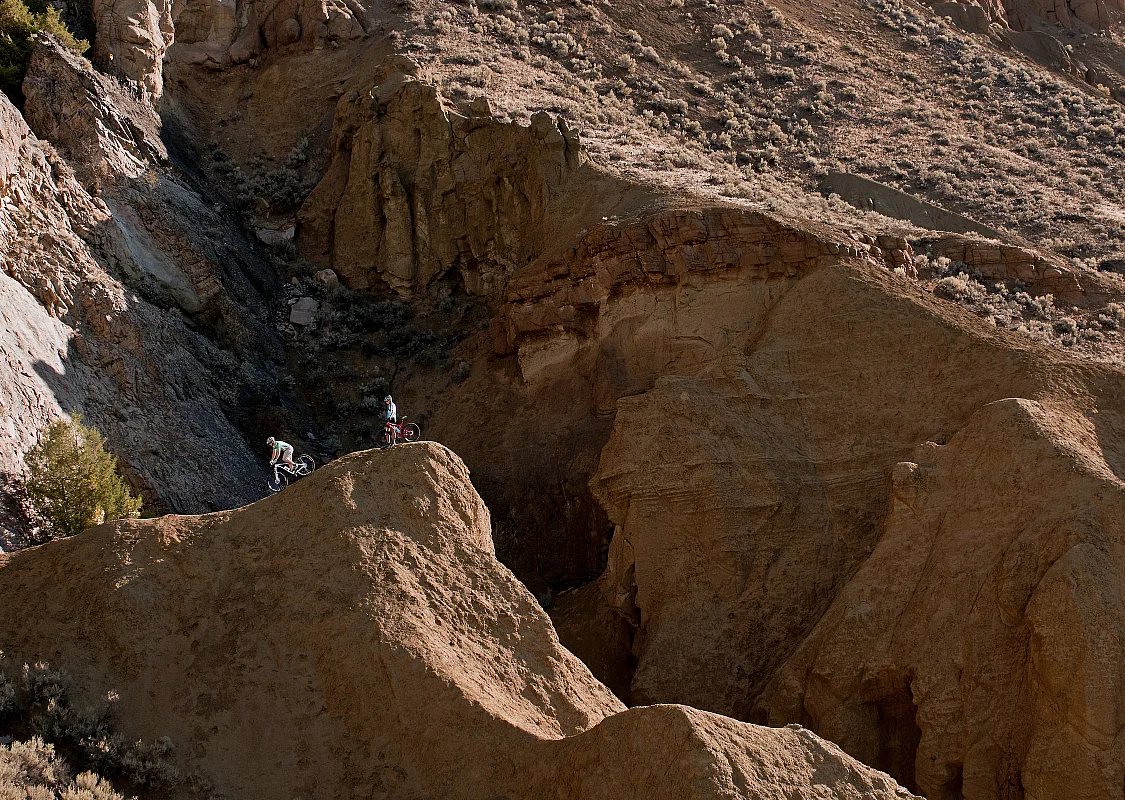 Near Kamloops | Kelly Funk
Kamloops
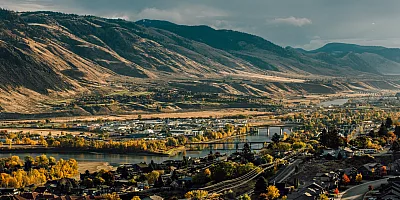
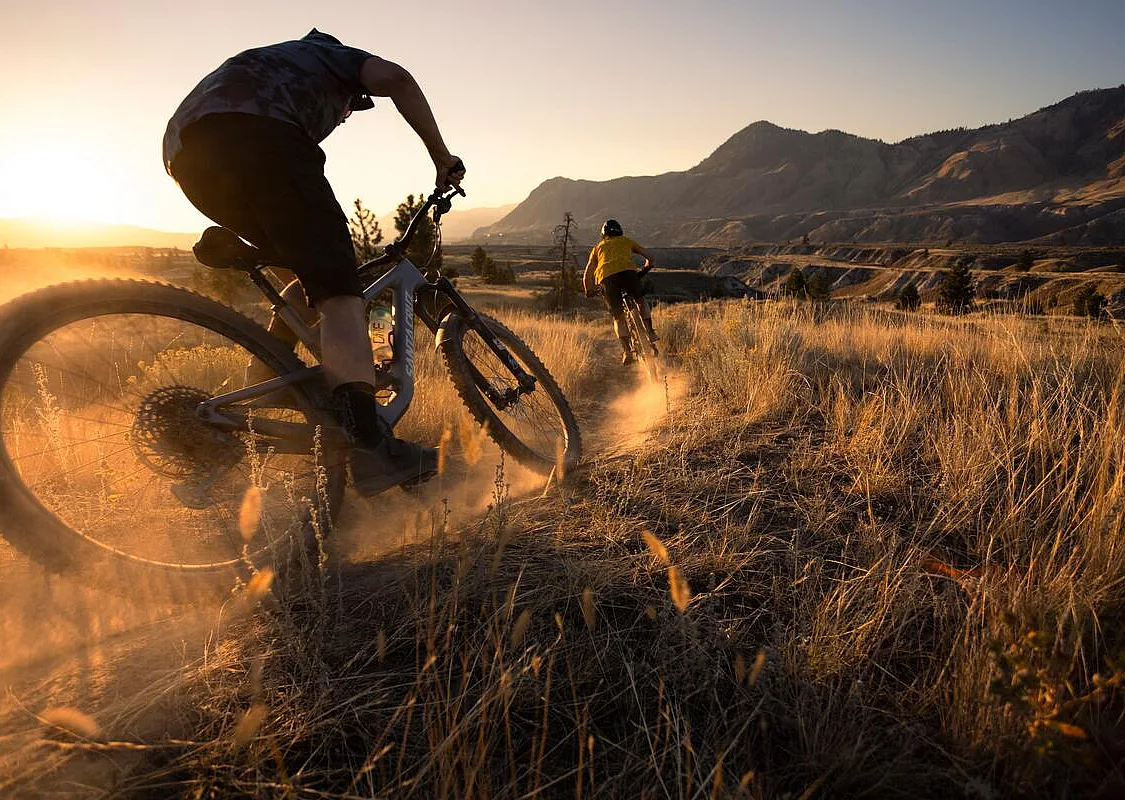
Kamloops is widely considered the birthplace of freeride mountain biking, right alongside Williams Lake. Its semi-arid hills and big-jump terrain were seminal to the sport’s early development and remain central today. The riding here looks and feels different: sagebrush hills, ponderosa pine, and sun-baked hardpack dirt give it a desert character unlike anywhere else in the region. The Kamloops Bike Ranch is one of Canada’s largest municipal bike parks—with jumps so well dialled it’s hard to believe it’s free. Gravel riders will want to check out the Tom Moore Trail and Birds of Prey Sanctuary, with hundreds more kilometres lacing the plains.
-
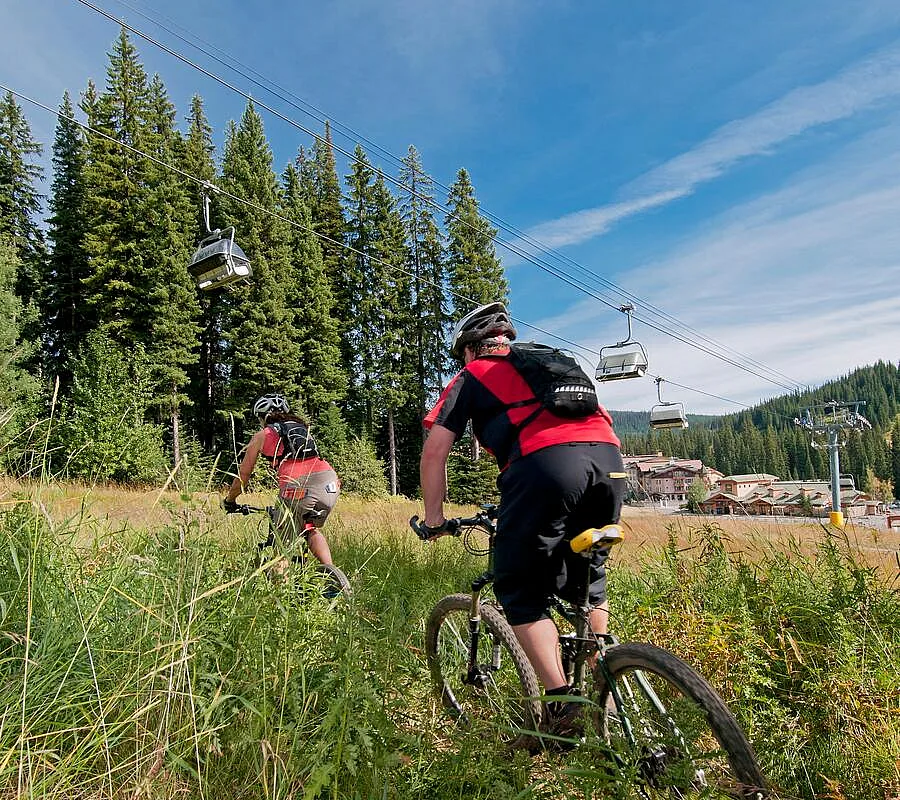 Sun Peaks Resort | Thompson Okanagan/Kelly Funk
 -
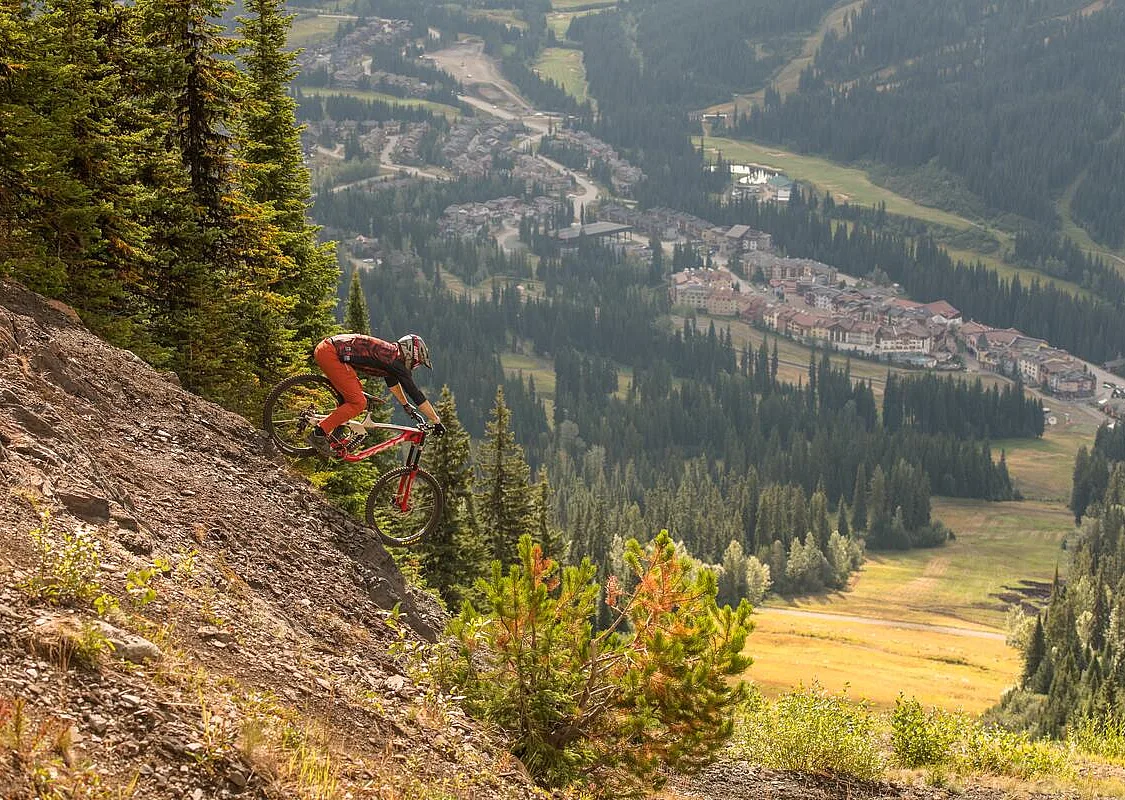 Sun Peaks Resort | Reuben Krabbe
 -
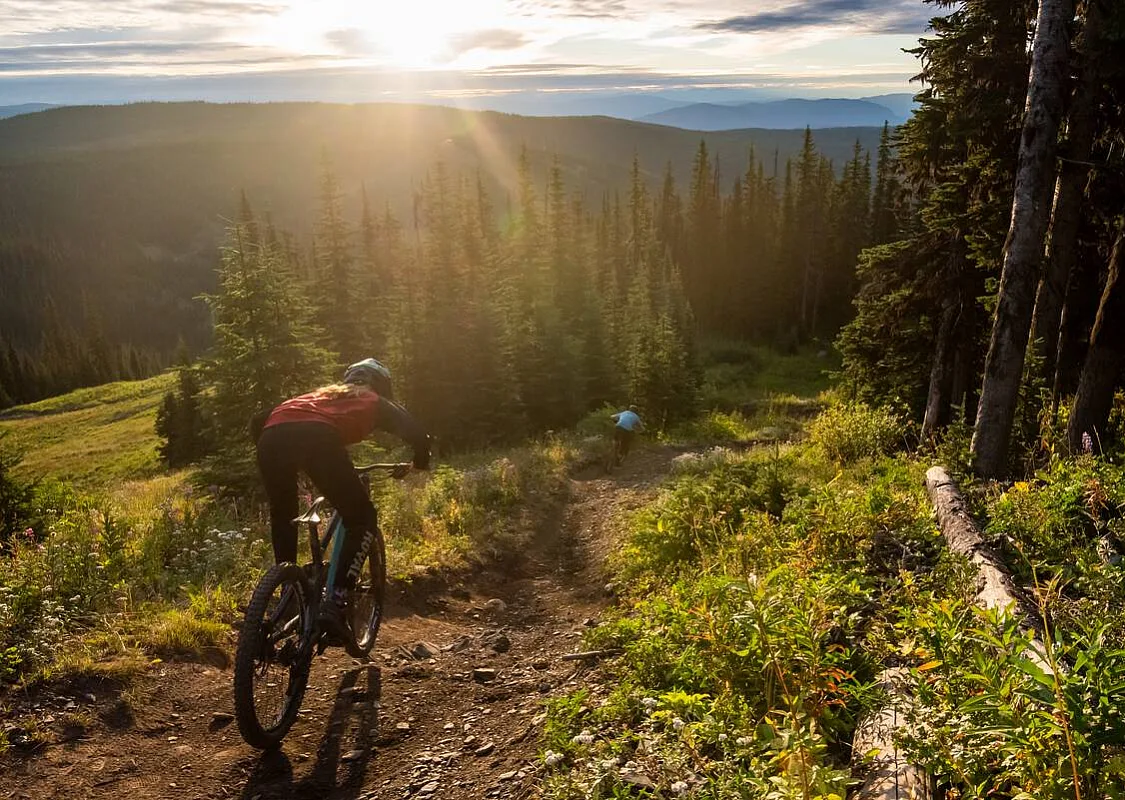 Sun Peaks Resort | Cristina Gareau
Sun Peaks
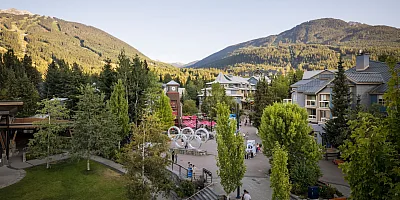
Sun Peaks Resort is the region’s lift-access bike park, with trails spread across two mountains and an alpine loop that climbs through wildflower meadows before a long descent back to the village. You’ll find beginner-friendly progression alongside technical downhill lines, gobsmacking blue flow, and jumps so intuitive you’ll feel like a hero. A dedicated alpine village full of amenities sits right at the base, with hotels, restaurants, and nightlife just minutes from the lifts.
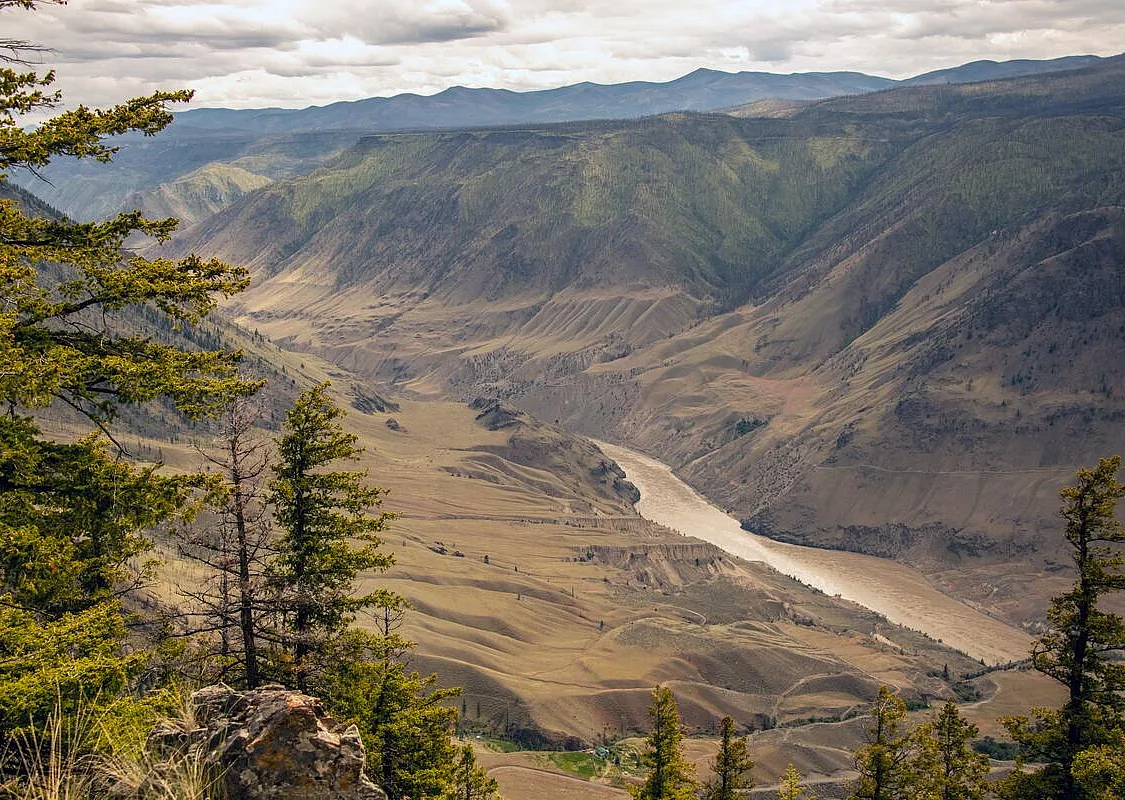 Edge Hills Provincial Park near Clinton | Kari Medig
 Clinton
The 600-person village of Clinton is the region’s gravel gateway. It’s a holdover gold-rush town on the historic Cariboo Wagon Road. It’s also home to the Tutti Gravel Inn—British Columbia’s premiere gravel-bike hotel. It’s no accident this outpost for two-wheeled wanderers is here: switchbacking backroads run for hours through open ranchland with barely another person in sight. Riders here can expect long-distance loops and wide-open sightlines. It’s best suited to experienced riders comfortable with distance.
-
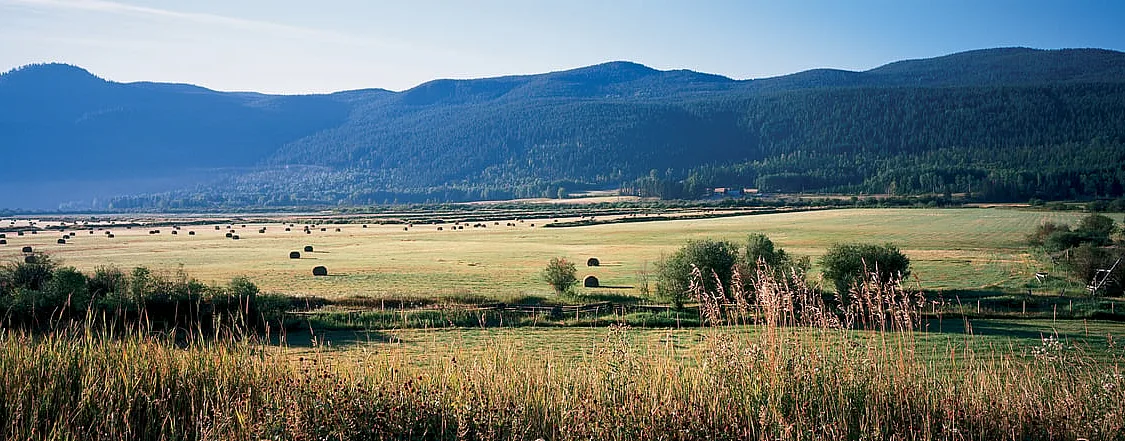 100 Mile House | Albert Normandin
 -
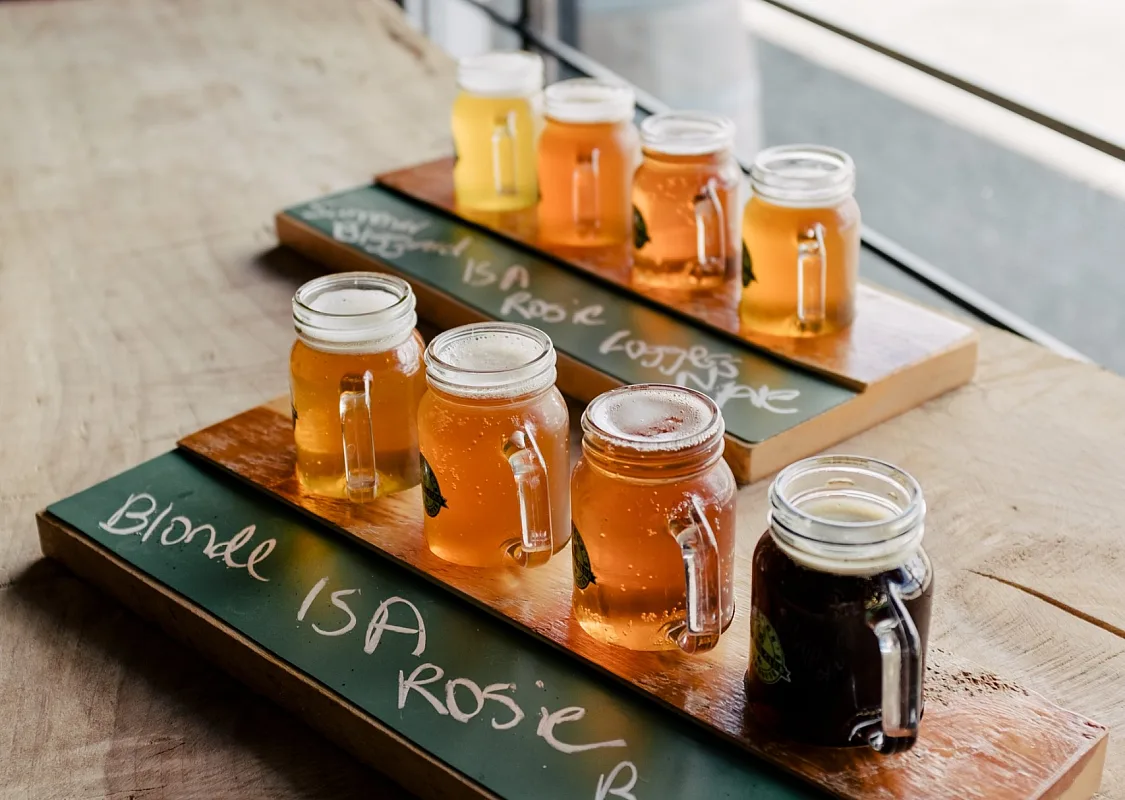 Jackson' Social Club & Brewhouse, 100 Mile House | Jordan Dyck
100 Mile House
100 Mile House sits on the Fraser Plateau surrounded by a vast network of freshwater lakes. It anchors the South Cariboo with a network of rolling, cross-country trails, offering gentle grades in temperate pine forests well suited to riders building confidence. The 99 Mile Enduro trails, conversely, offer snappy berms and friendly jumps alongside more technical downhill tracks and a cruisy climb trail for the initiated. Gravel riders will profit from quiet backcountry roads over gentle grades that loop past tumbling waterfalls and winding canyons.
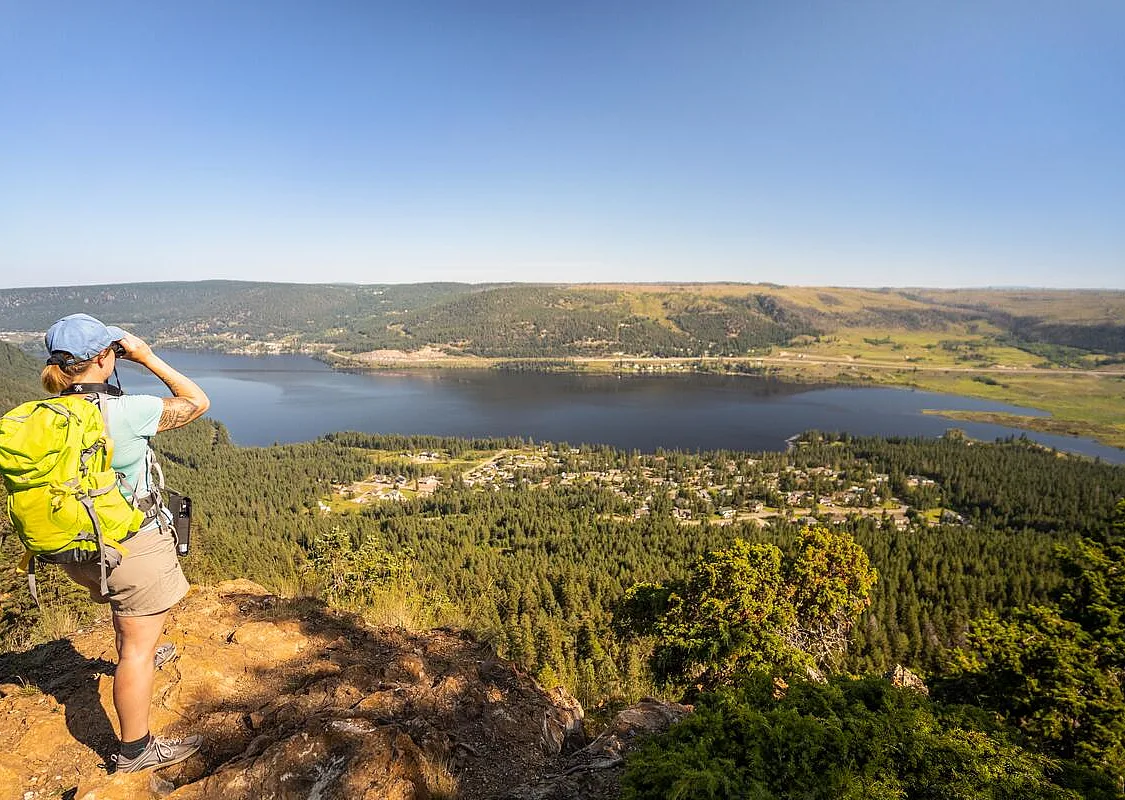 Russet Bluff, Williams Lake | Cariboo Chilcotin Coast/Jonny Bierman
 Williams Lake
For many, Williams Lake is the epicentre of freeride mountain biking in British Columbia thanks to its dusty, loose chutes and open terrain. There’s over 200 km (125 mi) of singletrack within city limits, with another 100 km (60 mi) surrounding it, including in the Desous Mountain downhill network, about 30 minutes away. Gravel riders can meanwhile chase the mesmerizing sweep of Farwell Canyon and Meldrum Creek, while the cross-country (XC) curious can ride 26 kmilometres (16 mi) of Indigenous-built blue singletrack between Soda Creek and Deep Creek, thanks to the Xatśūll First Nation. There’s every level of riding here, from beginner to intermediate, with one of British Columbia’s largest jump parks right downtown—featuring flow trails and a pump track.
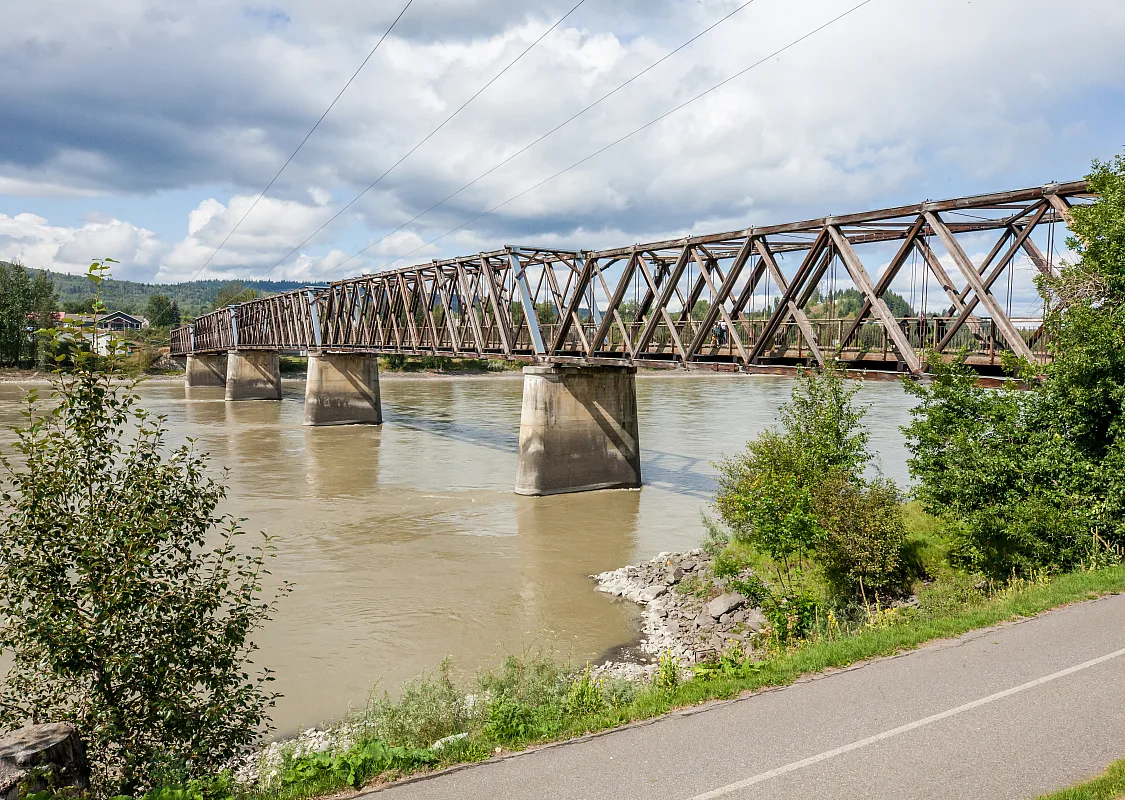 Riverfront Trail, downtown Quesnel | City of Quesnel/Bonnie Grenon
 Quesnel
Newly developed as a riding destination, Quesnel is still being discovered. Mountain bikers will find rockier, more technical singletrack through sweeping Douglas fir forest, with rock-slab sections that place a premium on brake mastery. Wind-and-water-carved hoodoos rise above the Baker Creek Valley, posing a fantastical backdrop for the impressive swathe of intermediate and advanced trails. Gravel riders can roll all the way to Williams Lake on backroads, with a buffet of forest service roads and local loops tracing the rolling lowlands of the Interior Plateau.
-
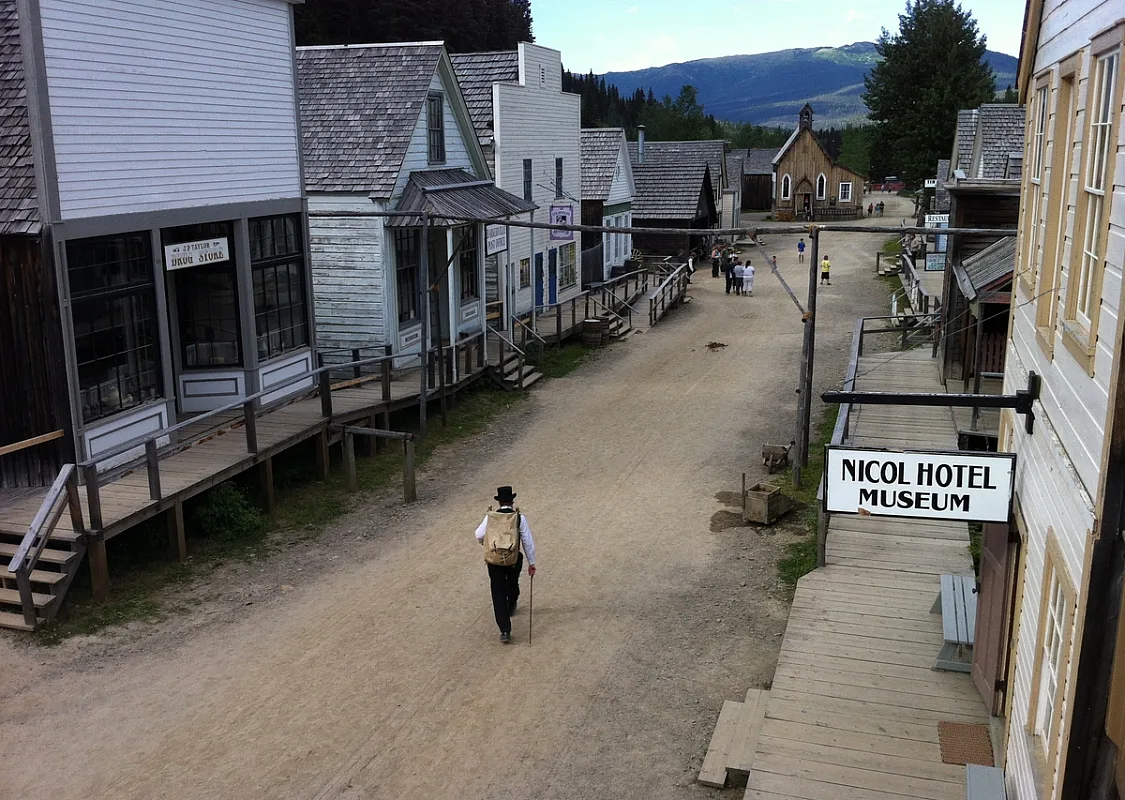 Barkerville Historic Town | Destination BC
 -
 Bowron Lake Provincial Park | Adam Wells
 -
 Bowron Lake Provincial Park | Robin O'Neill
Wells
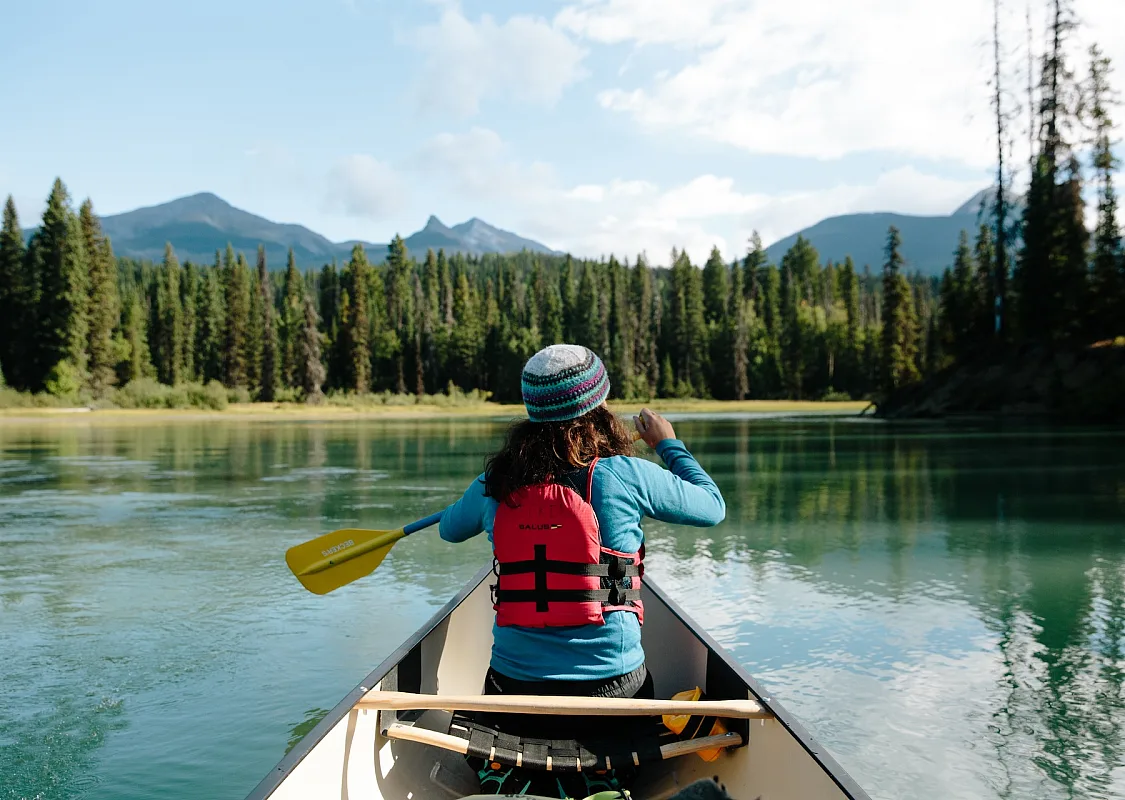
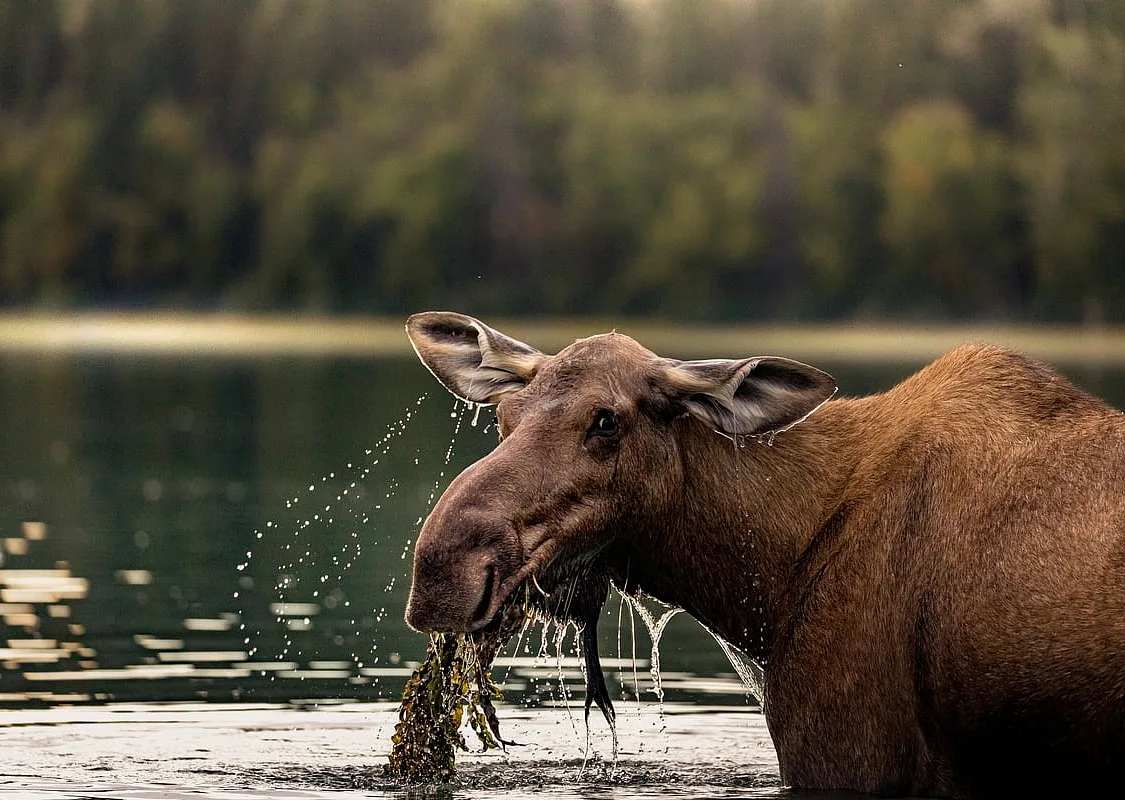
The 231-person hamlet of Wells is a historic gold-mining and arts community that’s also gateway to the Barkerville Historic Town and Park and Bowron Lake Provincial Park. Mountain biking is a recent addition here, with a handful of legacy trails rising from the lush meadows to surrounding alpine ridgelines. Gravel riding follows longstanding routes through the same gold-rush-era landscape, on lengthy rides with lots of elevation gain like the Sugar Creek Loop. Snowcapped peaks persist as the backdrop all summer long.
Guided access: ranches, lodges, and outfitters
For riders who want to follow the tradition of having a local hand on the reins, the region offers guided and lodge-based options beyond the trailhead. Big Bar Guest Ranch, tucked into the Marble Range northwest of Clinton, pairs its horseback-riding heritage with mountain biking and hiking across its trail network. The nearby Lost Marbles (Jesmond DH) descent is one of the best in the province.
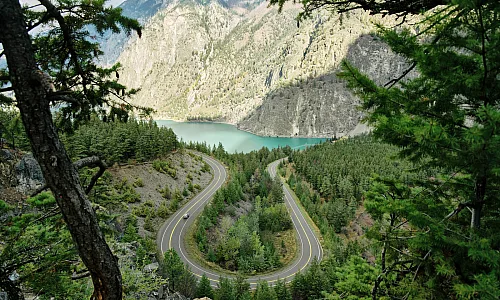
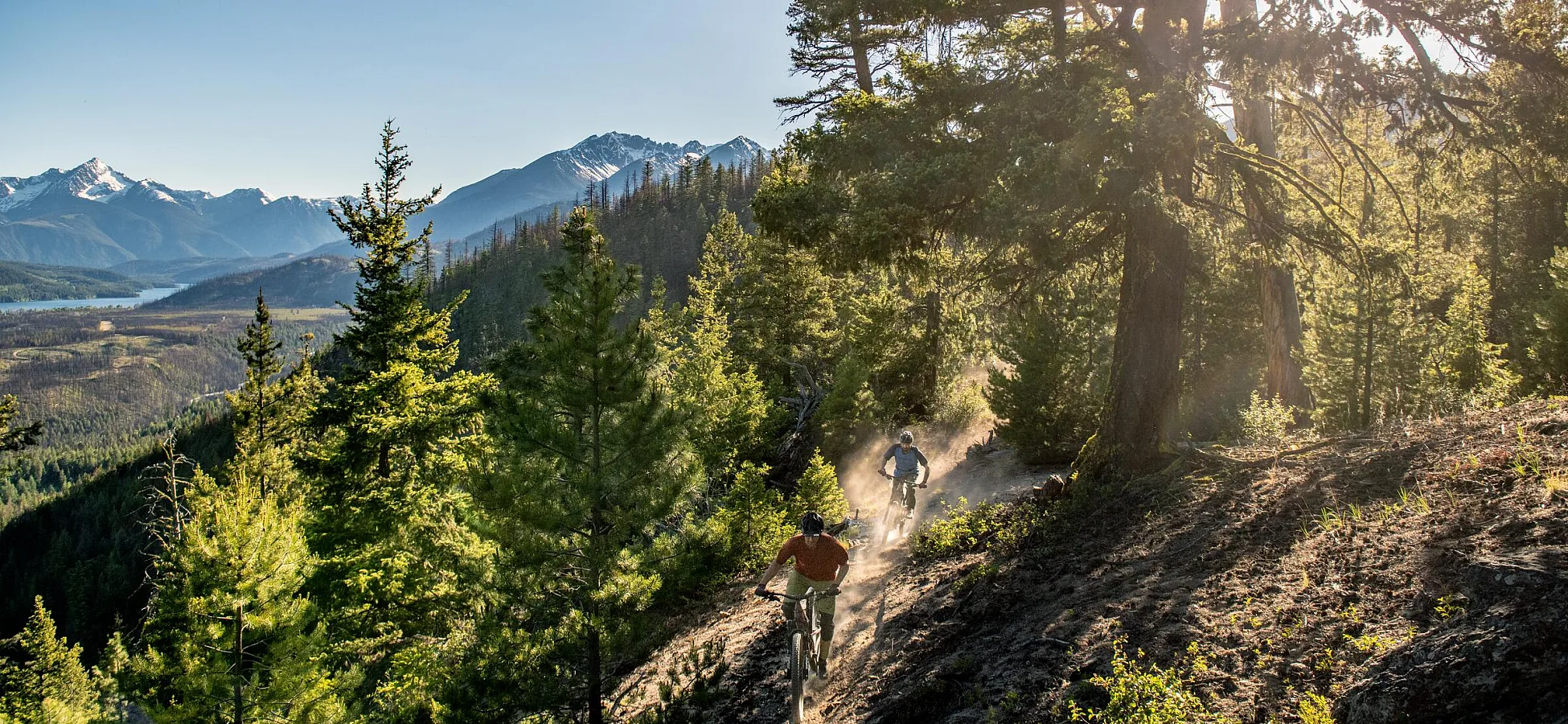
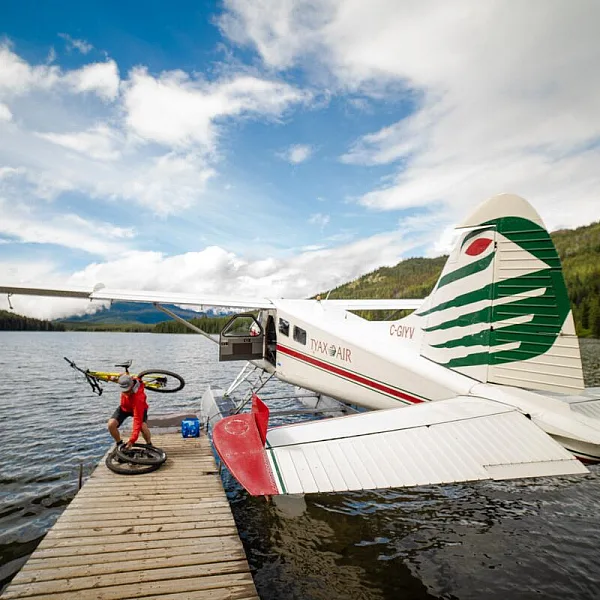
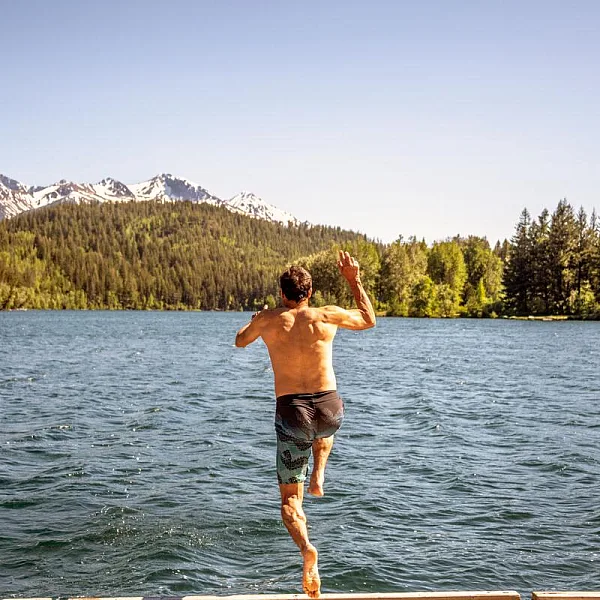
Tyax Lodge brings floatplane access to backcountry riding in the South Chilcotin—one of the most storied backcountry riding areas in the world. Tyax Adventures flies riders directly into remote alpine terrain with their float plane, including their Spruce Lake camp, where several backcountry routes converge. The outfit also builds and maintains much of the trails in the front range of the Chilcotins. It’s suited to experienced riders looking to go farther off the grid for days at a time.
 Tyax Adventures near Gold Bridge | Cariboo Chilcotin Coast/Jonny Bierman
  Tyax Lodge near Gold Bridge | Kari Medig
 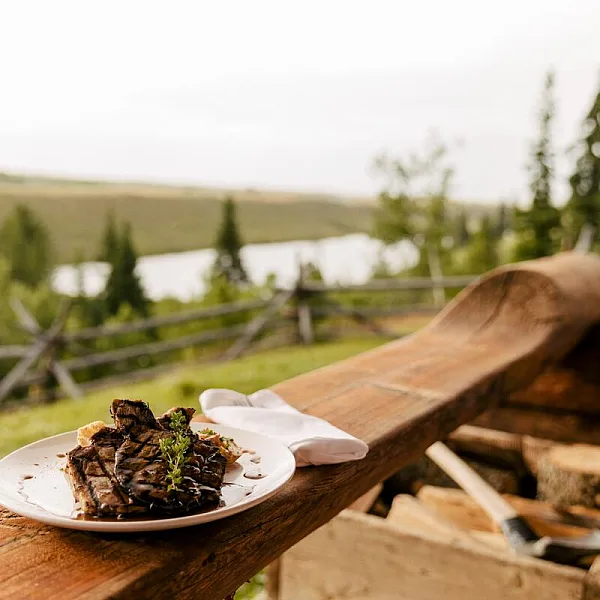 Big Bar Guest Ranch | Jordan Dyck
 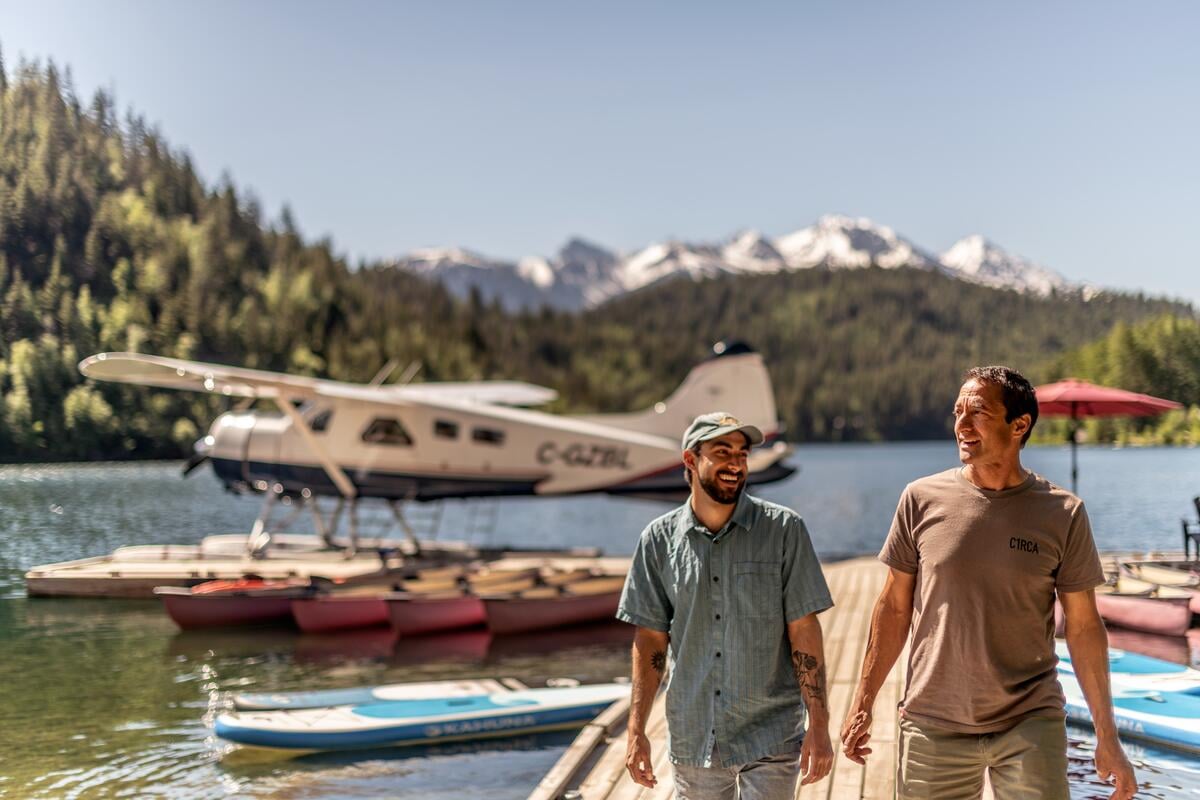 Tyax Lodge near Gold Bridge | Kari Medig
 The right amount of wild
Rugged as it is, Nature’s Heartland is still quite refined. You can fly here, drive here, dine here, and stay here, all while feeling like you’ve left modernity behind while out on the trail. With plenty of amenities and services to support self-guided or guided adventures, spend the day, the week, or even longer out on the range with the surety of coming back to comfort and hearty meals between outings. Indigenous and settler routes have connected this land for centuries, the legacy of which is a wealth of trails and backroads so vast it’s hard to repeat the same ride twice in a lifetime.
Know before you go
Nature’s Heartland is vast and the distance between towns is significant: it is truly wide open country. It also means you need to be self-sufficient for long stretches at a time.
- Download a map for areas with limited cell reception, and bring sunscreen and lots of water.
- This is working ranch and wildlife country so stay alert for cattle on backroads and give wildlife plenty of space.
- Pack out what you pack in, stay on established trails, yield to other users where required, and always check for campfire bans.
- Lower-elevation areas are rideable from mid-April through October, with alpine areas like the Chilcotins ideal in July and August.
Getting Here & Around
Visitors to British Columbia can arrive by air, road, rail, or ferry.
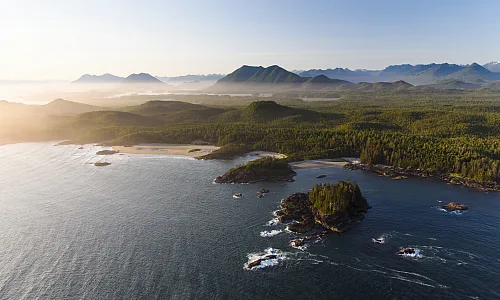
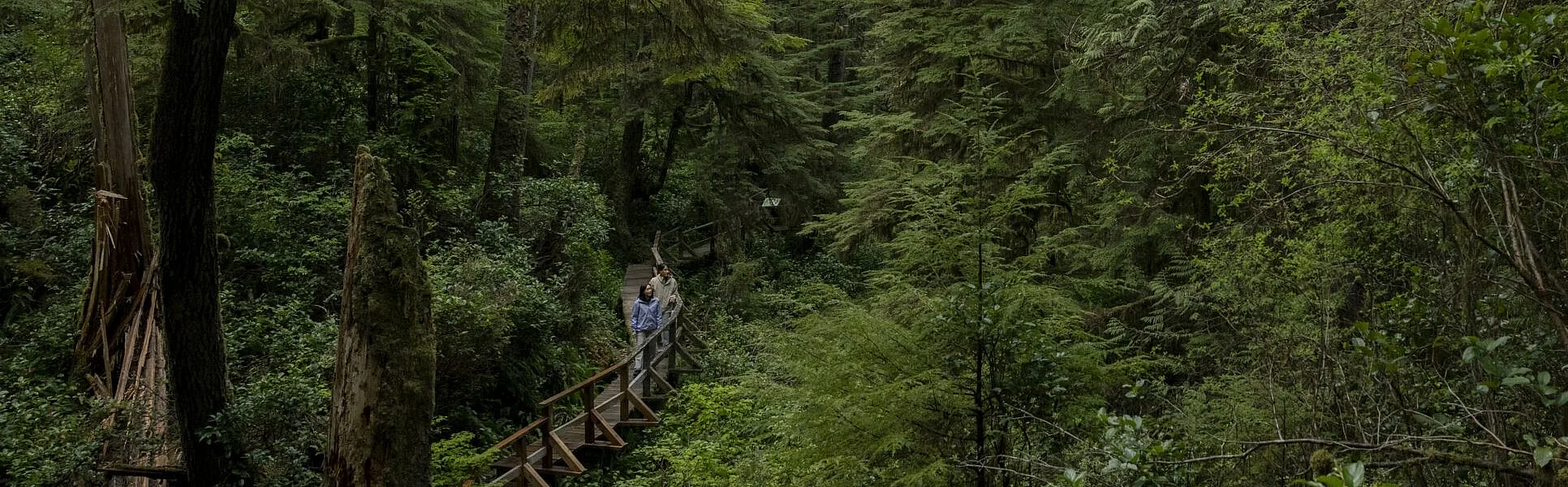 Pacific Rim National Park | Abby Cooper