


 Prince Rupert | Andrew Strain
 By: Hayley Gendron | May 22, 2026
Prince Rupert | Andrew Strain The Infinite Coast
Prince Rupert and the North Coast of BC
I recently made a journey I’d been dreaming about for years—a trip along The Infinite Coast of BC, a living network that coastal First Nations have navigated and cared for since time immemorial.
The North Coast rewards those willing to go farther with some of the most dramatic landscapes and most deeply rooted history in the province. Here, mountains and rainforests meet the ocean, and stories are carried on the tide.
With Prince Rupert as a base, my journey unfolded by land, water, and air to include the people, places, and experiences that make this place so special.
 BC Ferries Inside Passage | Ronan Gunn
 Inside Passage ferry: Port Hardy to Prince Rupert (16 hours / 507 km)
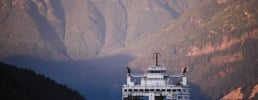
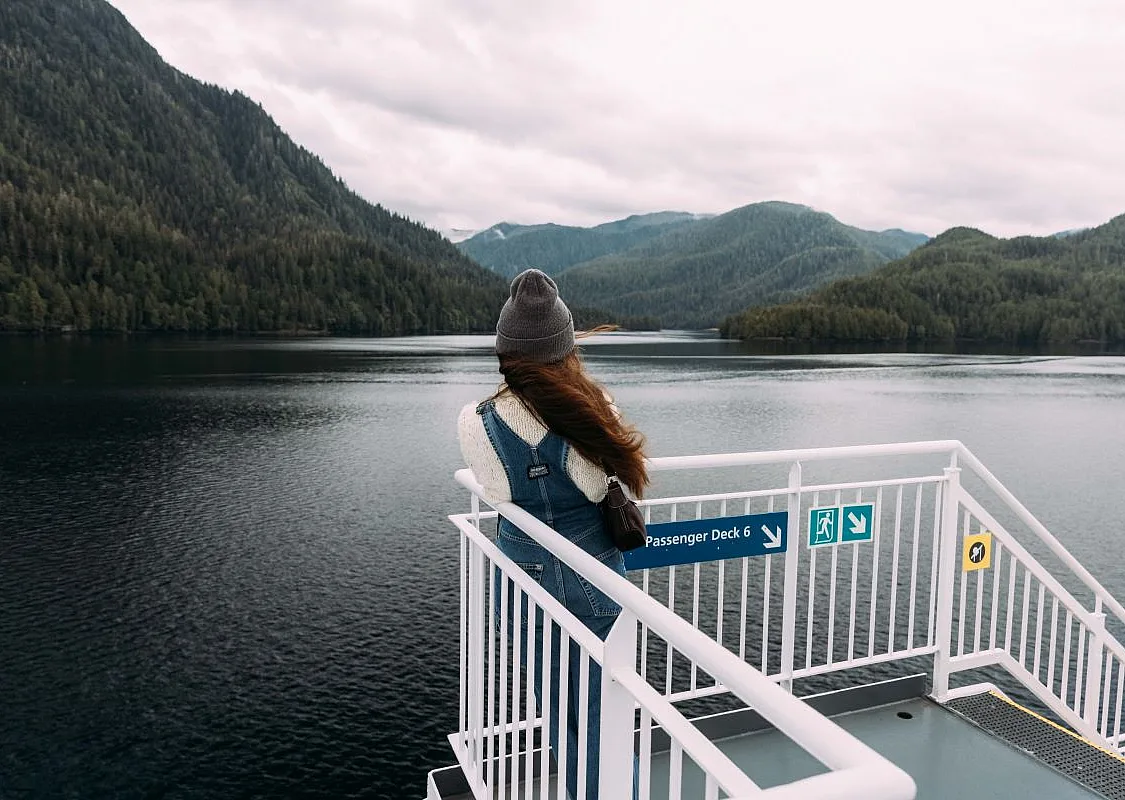
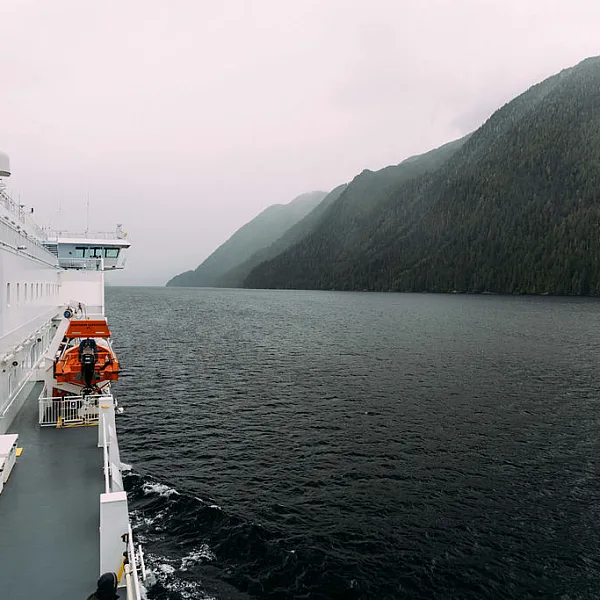
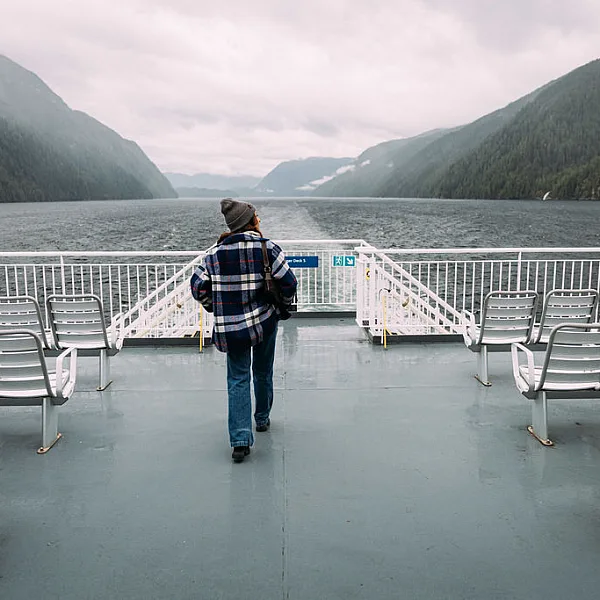
The adventure began in Port Hardy, at the northern tip of Vancouver Island, where we boarded the Inside Passage ferry. Far more than just transportation, this spectacular route through the heart of the Great Bear Rainforest winds through deep fjords and narrow channels carved by glaciers, past old lighthouses and remote communities.
After a brief stop in Klemtu, home of the Kitasoo Xai’xais Nation and the rare Spirit (Kermode) bear, a white-coated black bear found nowhere else on Earth, we entered Grenville Channel, one of the most striking sections of the journey. This 70-km (43.5-mi) corridor is lined by 1,000-metre (3,280-ft) rock walls that rise from water nearly 500 metres (1640 ft) deep.
Along the way, we spotted several humpback whales breaching in the distance, dolphins surfing, and seabirds tracing the coastline.
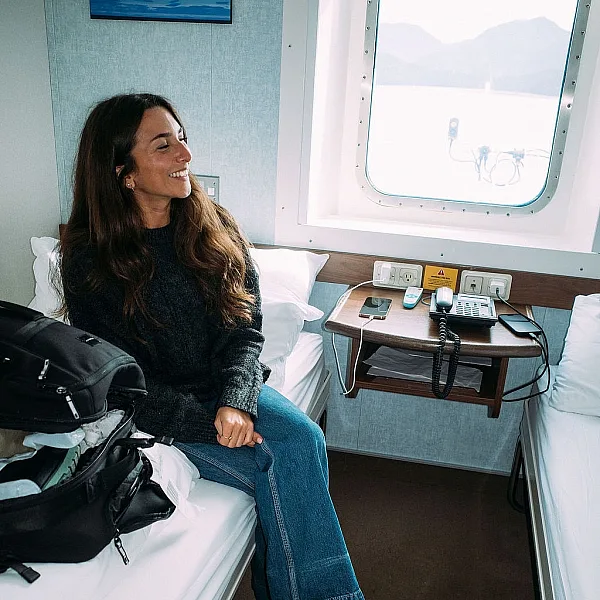
Travel tips: Book early (this route sells out months ahead in summer), reserve a cabin, bring binoculars and warm layers, and spend as much time as possible on deck.
 BC Ferries Inside Passage | Ronan Gunn
  BC Ferries Inside Passage | Ronan Gunn
  BC Ferries cabin | Ronan Gunn
  Cow Bay, Prince Rupert | Northern BC Tourism/Marty Clemens
 Prince Rupert: the “city of rainbows”
We docked in Prince Rupert, the rainiest city in Canada, just after midnight during a record-setting rainfall—a relief after a summer marked by drought and smoke. The city sits on Kaien Island, close to the Alaskan Panhandle, and is the transportation hub for the entire North Coast of BC.
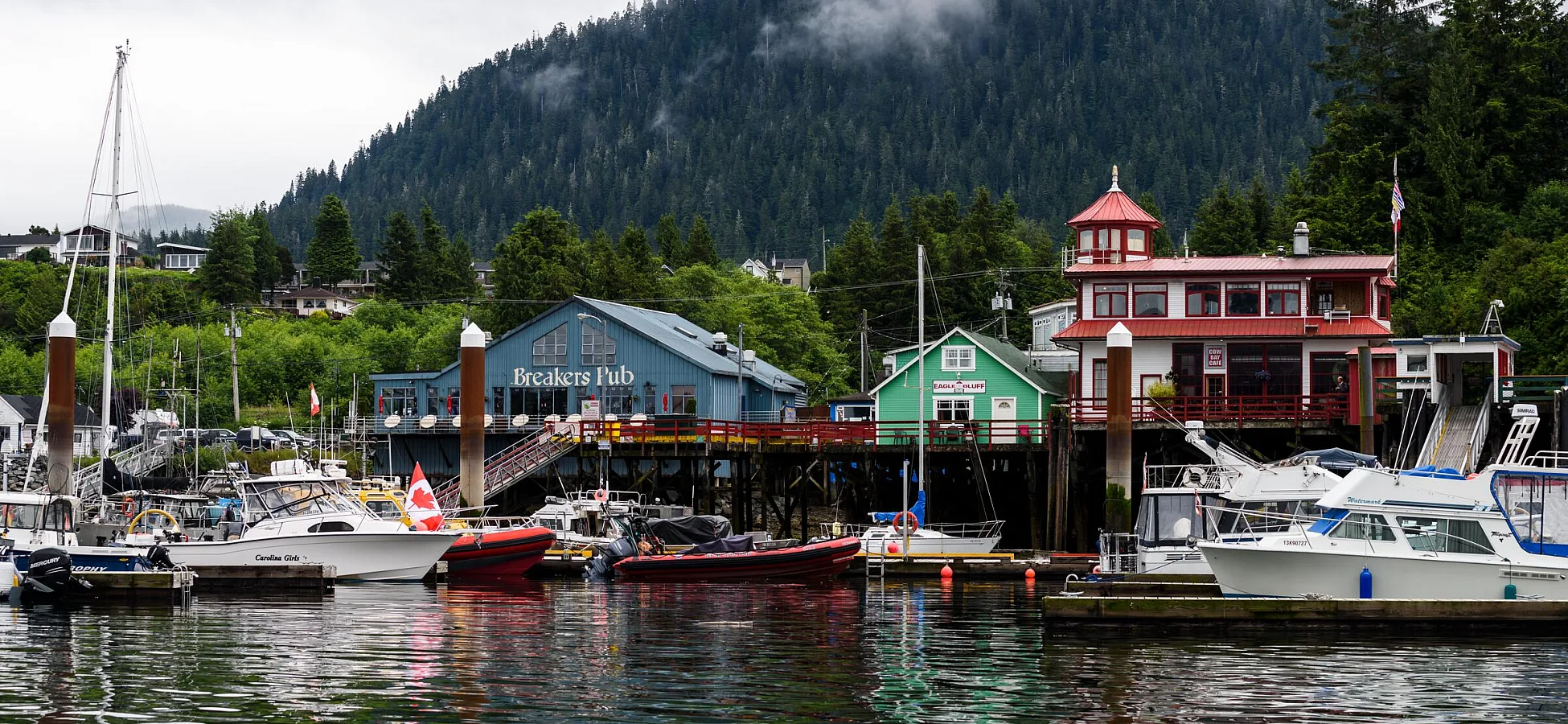
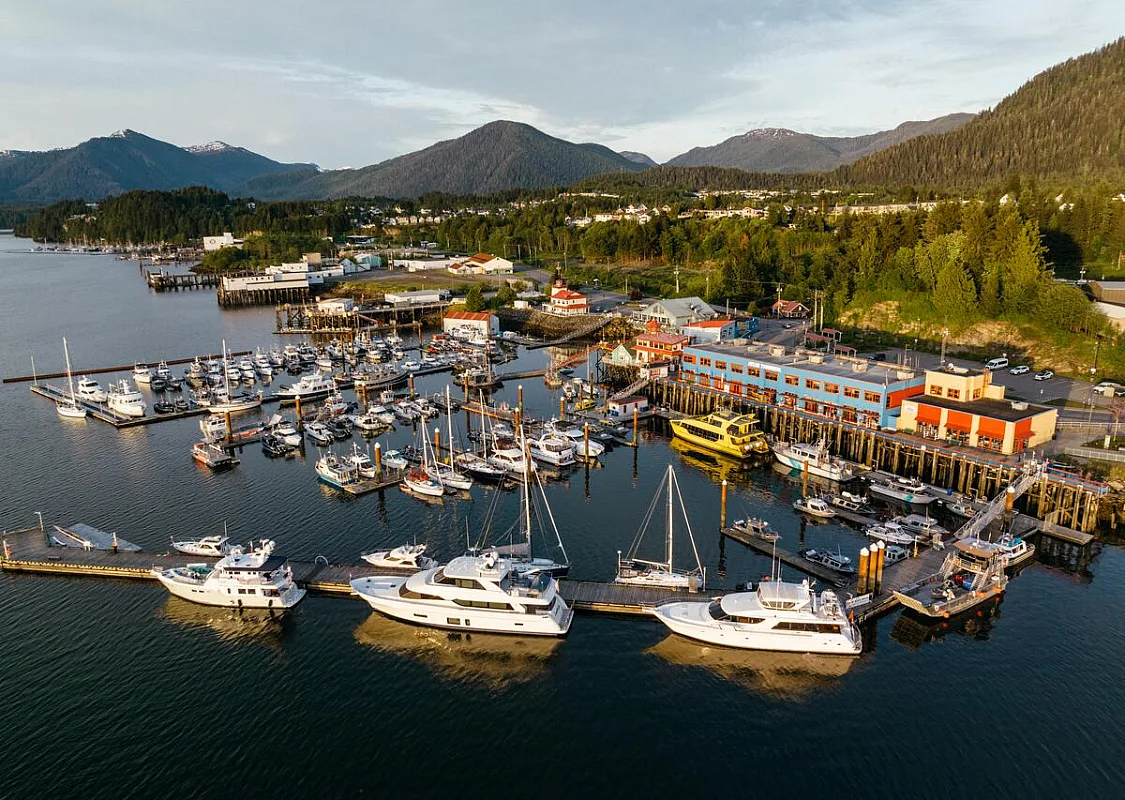
We stayed at the Crest Hotel with its vintage feel and unmatched views, close to the restored heritage buildings of Cow Bay. This colourful waterfront district, a former working dockyard, is now home to cafés, boutiques, and galleries. Visit Cowpuccinos for your morning coffee; Saltwater Bakery, owned by the Gitxaała Nation, for exceptional sausage rolls and local artisanal products; and family-run Arabisk for generous helpings of fresh Lebanese food. Try the whipped feta and chicken tawook.
 Museum of Northern BC | Ronan Gunn
 Tsimshian culture at the Museum of Northern BC
Prince Rupert sits within the traditional territory of the Tsimshian Nation, whose people have lived along the coast and along the Skeena River for thousands of years. Their relationship to the land and the sea continues to shape life in this area.
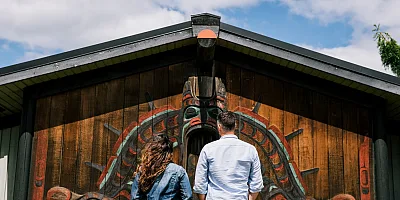
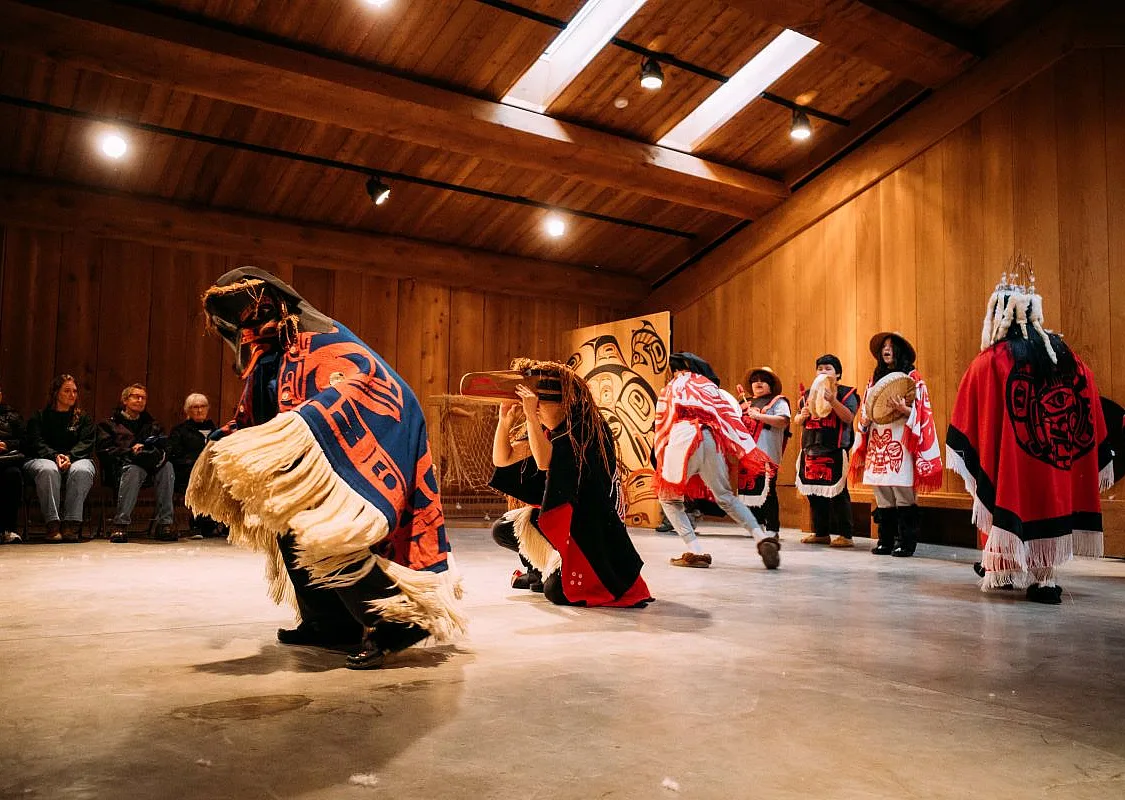
One of our most meaningful experiences was joining the Tsimshian Winter Feast Tour and Performance at the Museum of Northern BC. The museum’s cedar-clad design echoes a traditional longhouse, and its galleries hold ceremonial regalia, carved feast dishes, and bentwood boxes.
Tour participants were welcomed into a nearby feast house, entering by clan (I was part of the Killer Whale clan). Inside, the Gwiis’amiilgigohl Dancers brought stories to life through song, drumming, and masked performance, communicating living teachings carried forward by the young performers.
 Humpback tail | Ronan Gunn
 Explore the coast by water
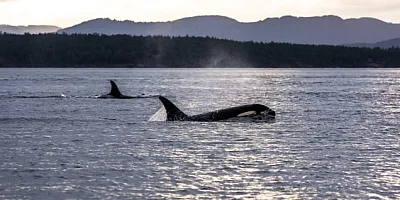
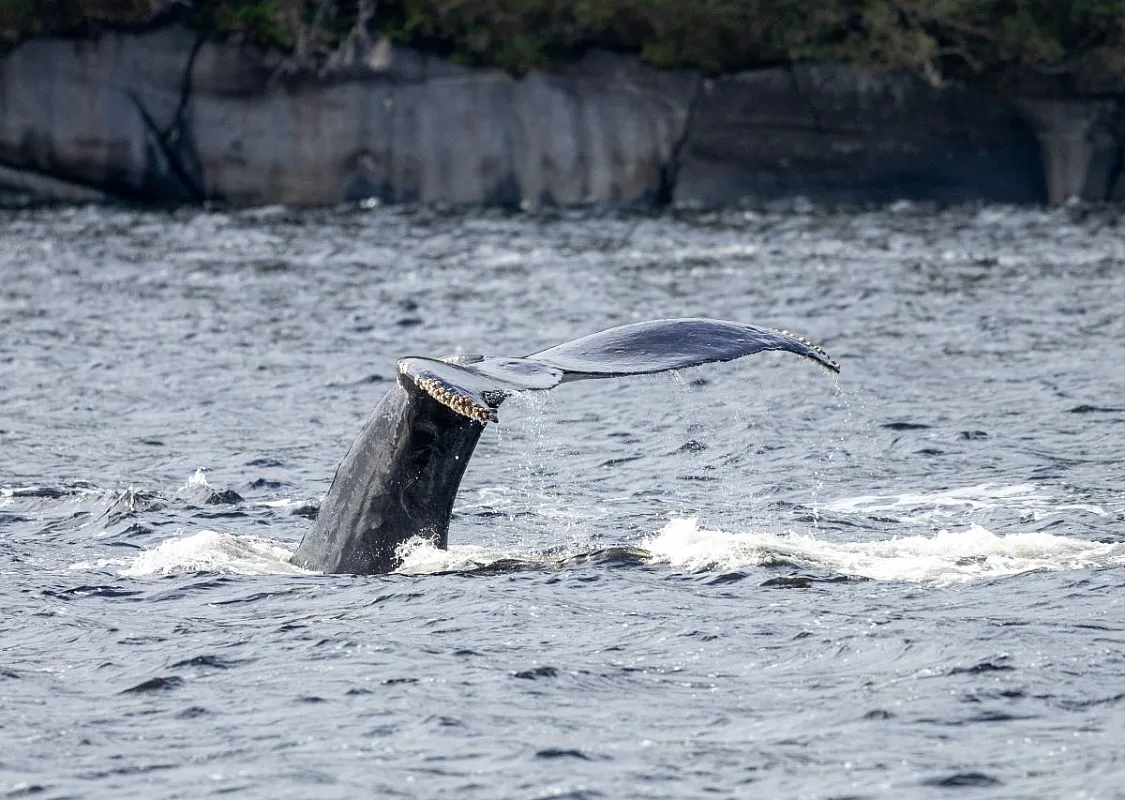
The best way to understand The Infinite Coast is from the water. Prince Rupert Adventure Tours operates whale-watching trips along a coastline teeming with life. We saw porpoises, seals, several species of seabirds, eagles, and, of course, whales, with humpbacks approaching close to the boat as we floated with the engine off. The same company runs excursions to the Khutzeymateen Grizzly Sanctuary, Canada’s only dedicated grizzly refuge where bears move freely through valleys enclosed by towering granite.
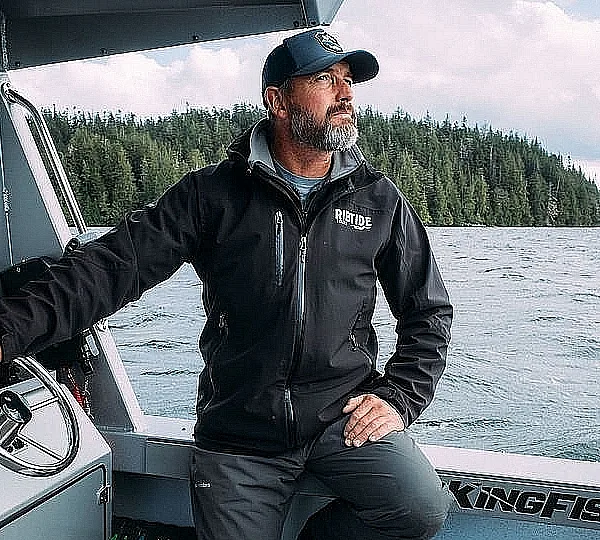
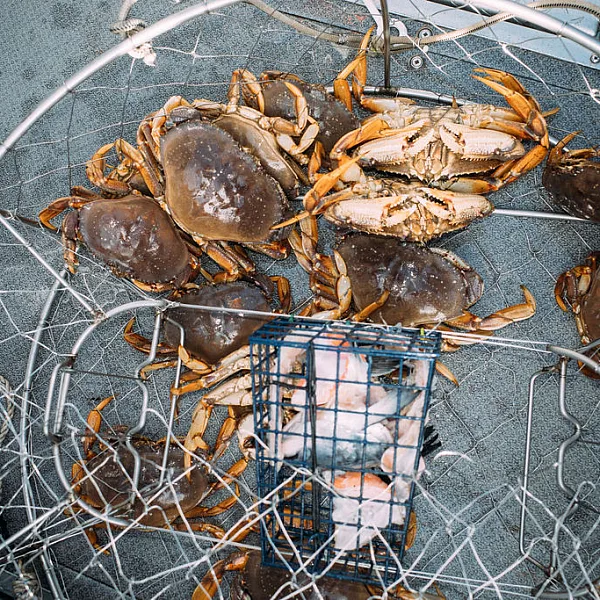
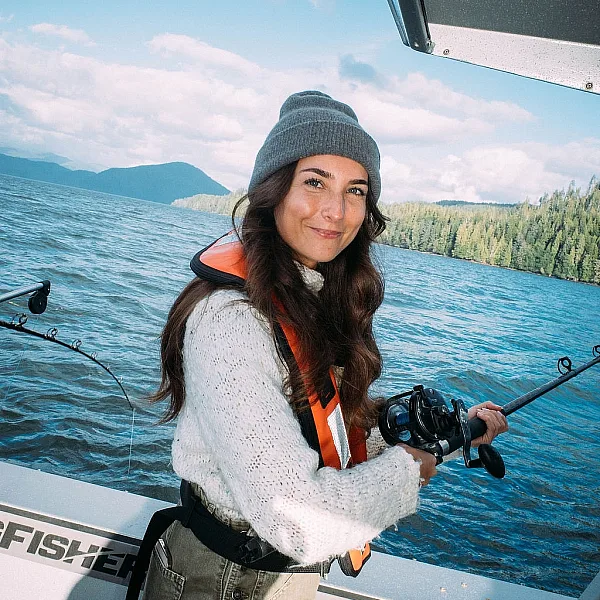
On a late-in-the-season afternoon with Thin Blue Lines Fishing Charters, Captain James Lines shared his intimate knowledge of these waters as we pulled up some crabs. It was a slow day on the water, but Prince Rupert is known as the halibut capital of the world.
 Thin Blue Lines Fishing Charters | Ronan Gunn
  Thin Blue Lines Fishing Charters | Ronan Gunn
  Thin Blue Lines Fishing Charters | Ronan Gunn
 -
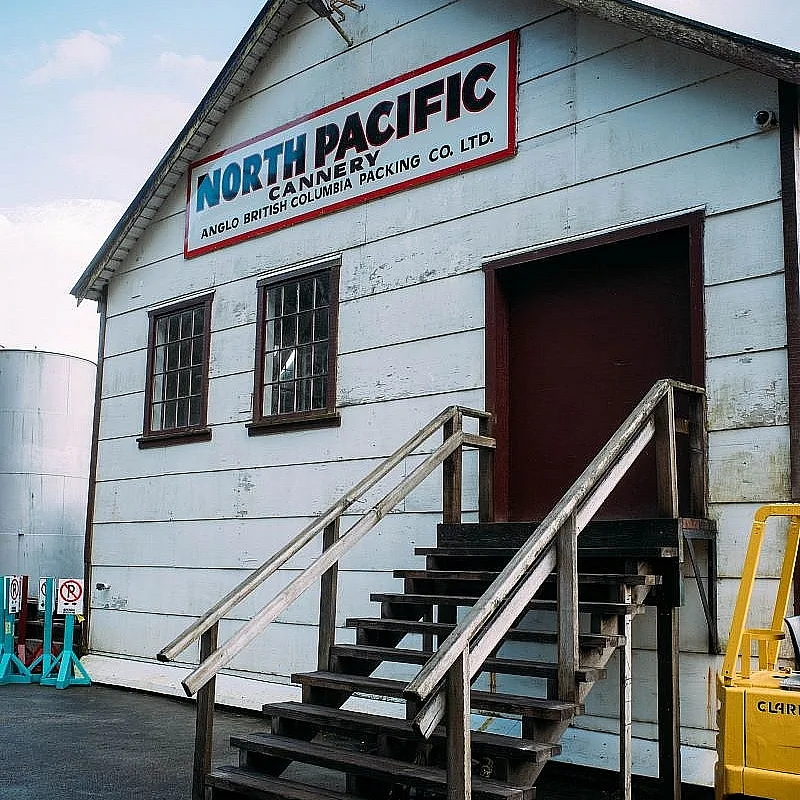 North Pacific Cannery | Ronan Gunn
 -
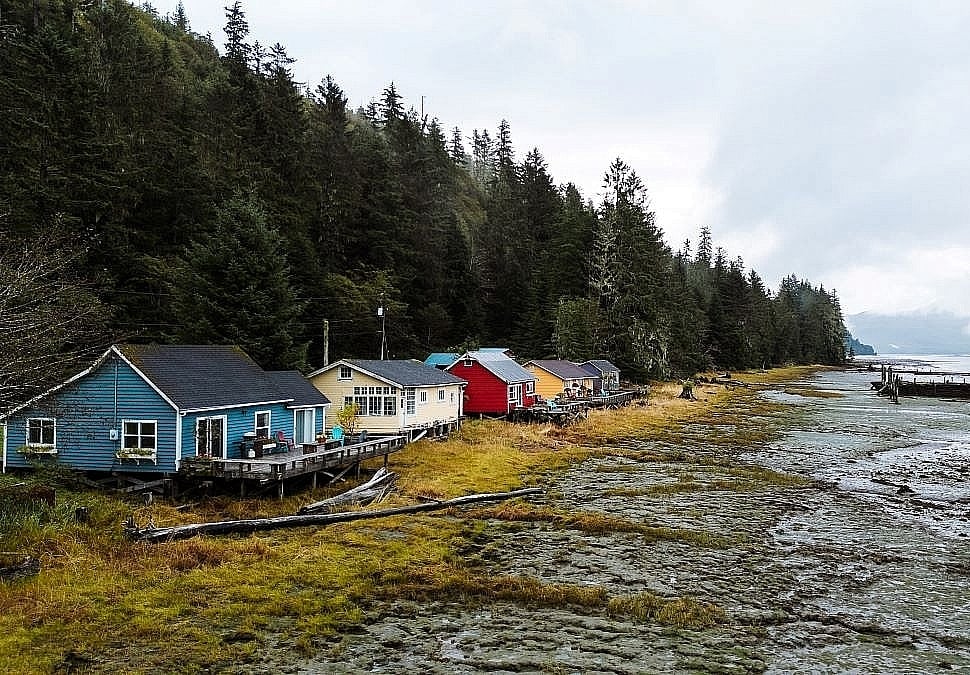 Cassiar Cannery | Ronan Gunn
Along the Skeena River: cannery row
East of Prince Rupert, the Skeena estuary was once lined with more than 200 salmon canneries, each of which came alive in spring as thousands of workers arrived to fish, process, and pack salmon for markets across the Pacific.
We stayed in a restored triplex at the North Pacific Cannery, built in 1889 and now a National Historic Site. At its peak, it operated like a small town with its own net loft, general store, and bunkhouses, many still standing. We attended a Net Loft Dinner featuring a traditional Tsimshian meal of halibut soufflé, abalone fried rice (harvested legally by Tsimshian divers), seafood chowder, and bannock with berry compote. These annual fundraiser dinners feature rotating regional cuisines connecting food, culture, and place, and are well worth planning a trip around.
Just upriver, the Cassiar Cannery—the last to operate on the Skeena before closing in 1983—now features heritage guesthouses overlooking the estuary. Our beautifully restored cabin had handmade wood furniture, First Nations artwork, and a wide porch facing the shifting tides with eagles circling overhead. It was so peaceful, we could easily have stayed for weeks.
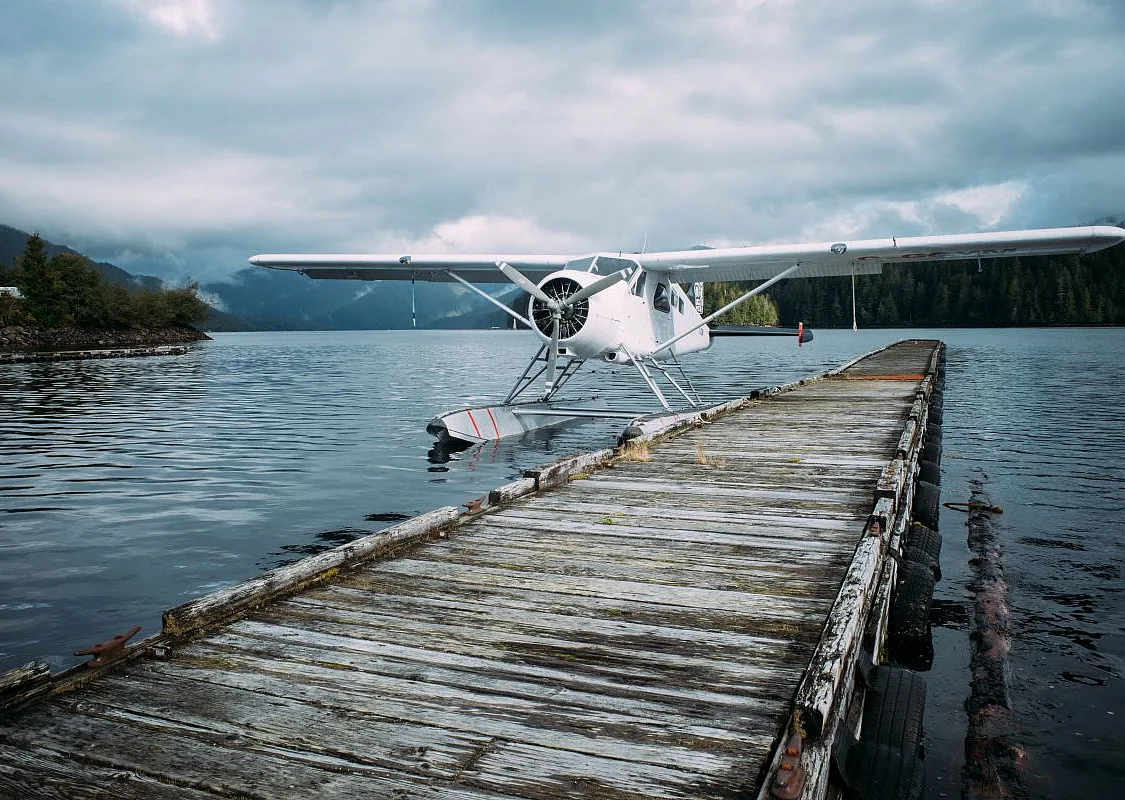 Inland Air Charters | Ronan Gunn
 See the coast from the air
On our last day, Inland Air Charters flew us over coastal fjords and the Skeena estuary in a de Havilland Beaver (the 75th ever built!). The landscapes we’d been moving through for a week were suddenly connected into a single picture: the canneries looked small against the vast estuary, and the river’s path to the sea bordered sheer granite cliffs. From up here, we could see the immense scale and the connection between the land, the water, and the people who’ve been here for generations.
Our final flight home followed The Infinite Coast south past forested islands and misty inlets, giving us a last, long look at a place that will stay with us. I’ve already started planning my return.
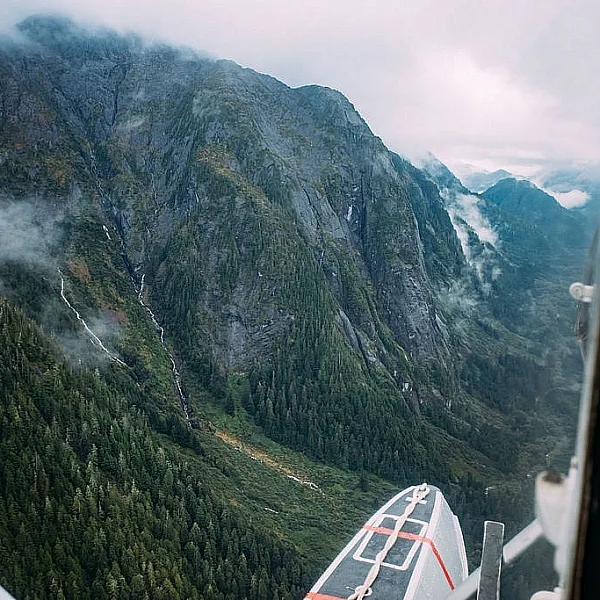 Inland Air Charters | Ronan Gunn
 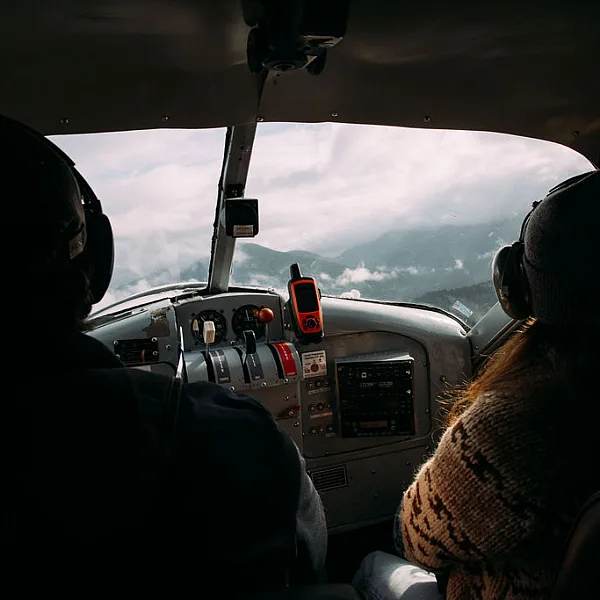 Inland Air Charters | Ronan Gunn
 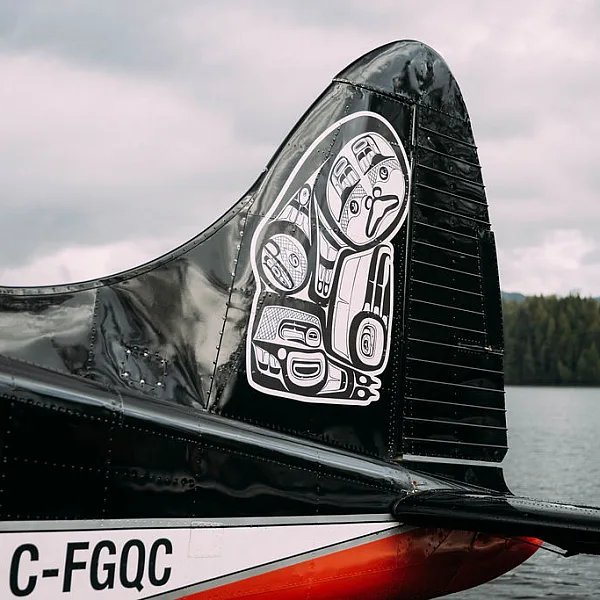 Inland Air Charters | Ronan Gunn
 Getting Here & Around
Visitors to British Columbia can arrive by air, road, rail, or ferry.
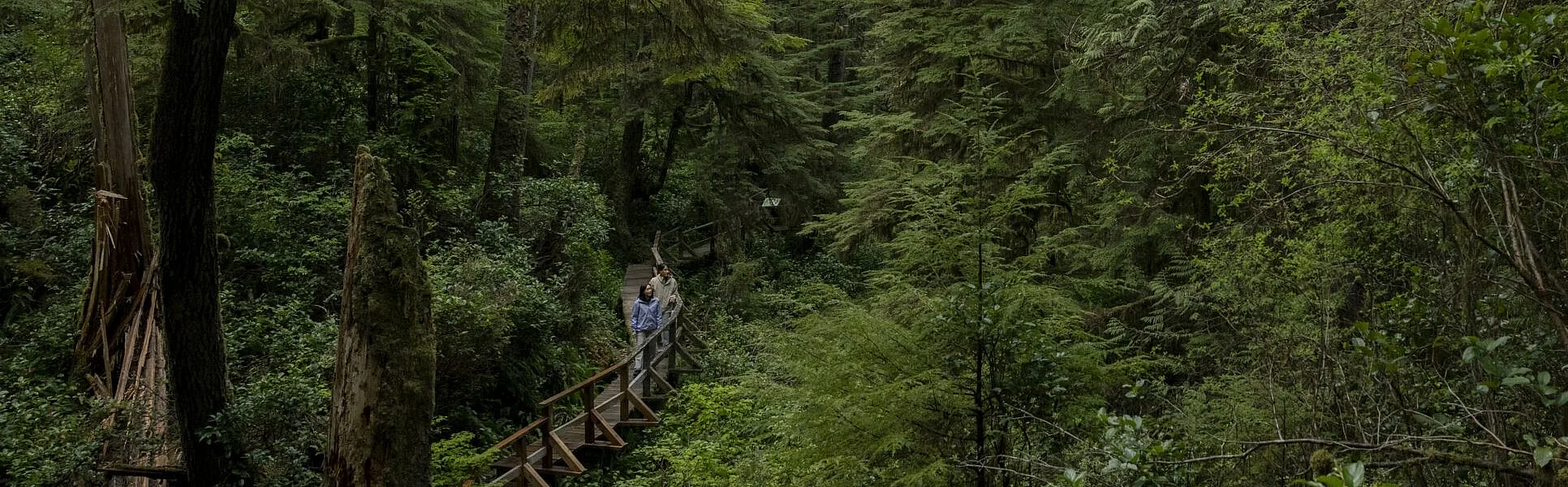 Pacific Rim National Park | Abby Cooper