



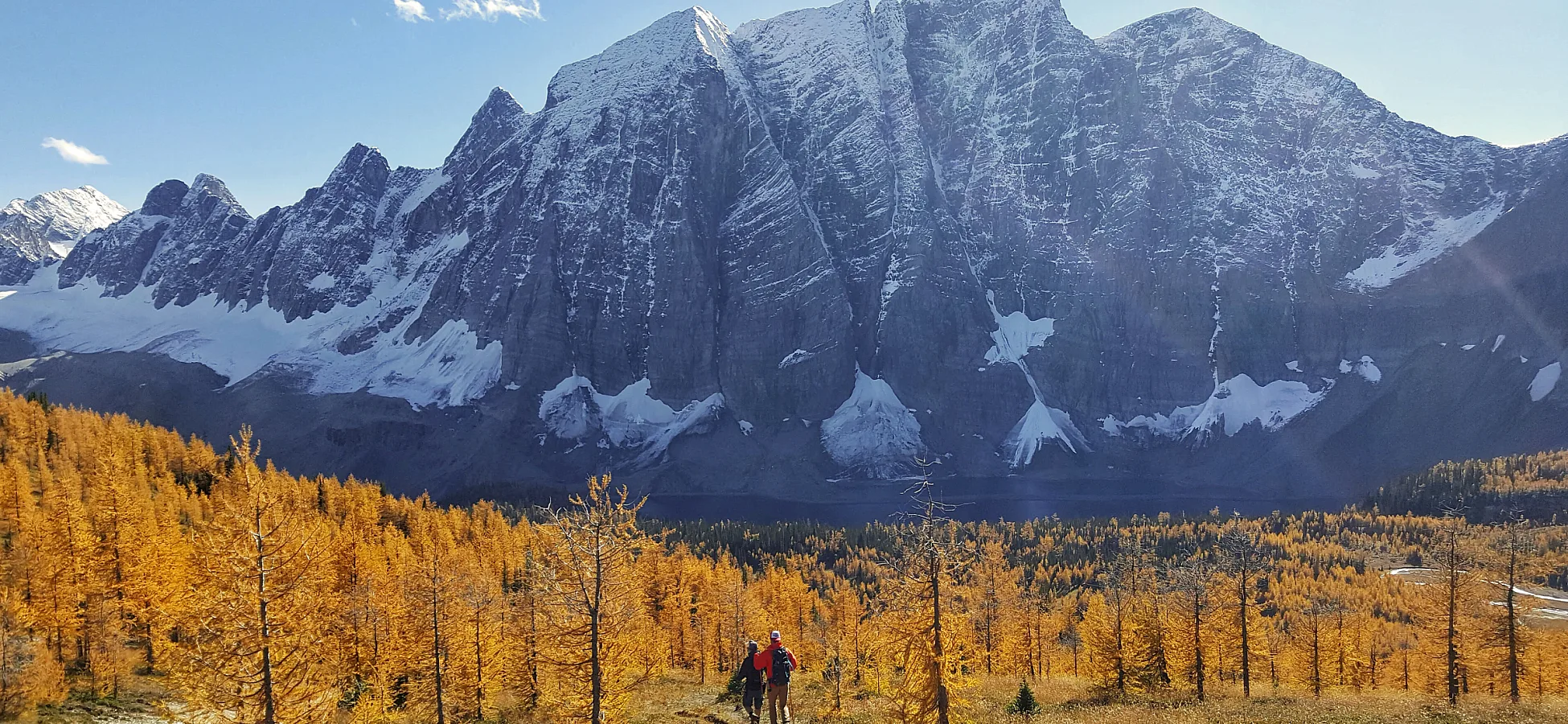
 Kootenay National Park | Kristi Nicholson
 By: Amber Turnau | August 27, 2026
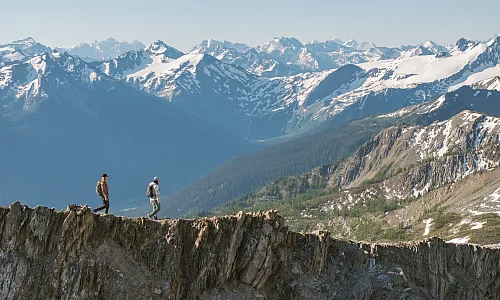
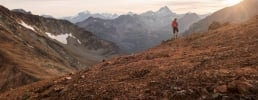
Kootenay National Park | Kristi Nicholson Birthplace of Adventure
Two spectacular national parks you’ll want to visit this fall
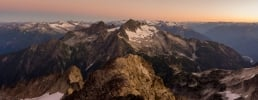
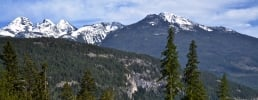
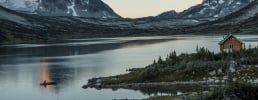
Crisp days, cozy lodges, and radiant fall hues, all set against the towering peaks of the Canadian Rockies. Visiting the Birthplace of Adventure in September and October is a spectacle of colour and a breath of fresh air. While this area in southeastern BC has over 60 major parks, two in particular stand out. Yoho National Park and Kootenay National Park are part of a cluster of parks along the Continental Divide that make up the Canadian Rocky Mountain Parks UNESCO World Heritage Site. These two gems offer an array of remarkable experiences, from thunderous waterfalls to iconic backcountry treks and ancient fossil beds.
Find out where to go, and how to make the most of your fall visit to Kootenay and Yoho national parks.
Kootenay National Park
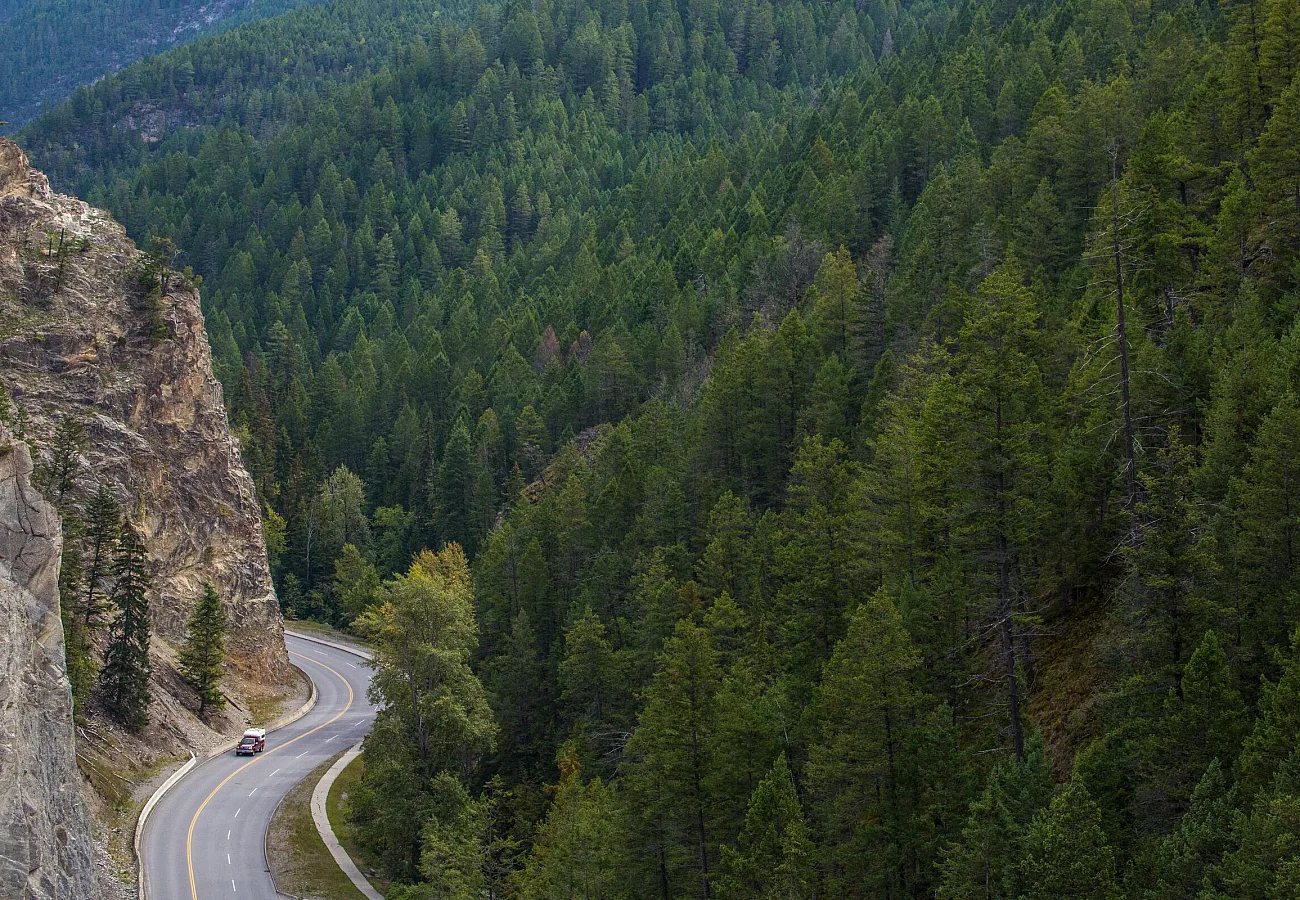 Kootenay National Park | Ryan Creary
 Park size: 1,406 sq km (543 sq mi)
Tallest Peak: Deltaform Mountain at 3,424 m (11,234 ft)
Hiking trails: 200 km (124 mi)
Nearest town: Radium Hot Springs, BC
Wildlife: 57 mammal species and 180+ bird species
Indigenous lands: Ktunaxa Nation and Secwépemc First Nations
When to go: Fall arrives early in Kootenay National Park, with alpine larch tree needles typically turning yellow around late-September. The aspen, cottonwood, and willow trees at higher elevations follow their transition to yellow soon after. By early-to-mid-October, you can even see autumn colours in the valleys along Highway 93 near Radium Hot Springs.
Kootenay National Park is a long, narrow park stretching north-south along the southeast border of British Columbia. On its eastern flanks, the park borders Banff National Park in Alberta, as well as Yoho National Park and Mount Assiniboine Provincial Park in BC. The vast landscapes in the park comprise a mosaic of contrasts, from grasslands and river valleys to glacier-carved canyons and ice fields. These precious ecosystems are important habitats for bears, lynx, and moose, among other wildlife.
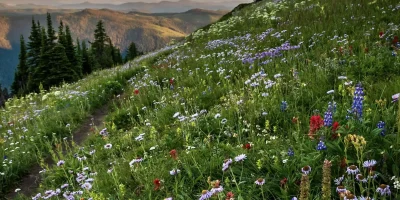
There’s an adventure in the park for every pace: winding drives with lookouts and roadside waterfalls, easy hikes with rewarding views, and multi-day backpacking treks that bring you into alpine terrain. In the fall, watch for golden western larches, yellow aspens, and the striking transformation of fireweed as it turns from magenta in summer to auburn in fall.
Stay and soak in Radium Hot Springs. Just 2 km (1.2 mi) outside of the Kootenay National Park boundaries, the town offers access to the park via its southwest entrance. To access the northeast areas of the park, stay in Golden, a 117-km (73-mi) drive from the park gate.
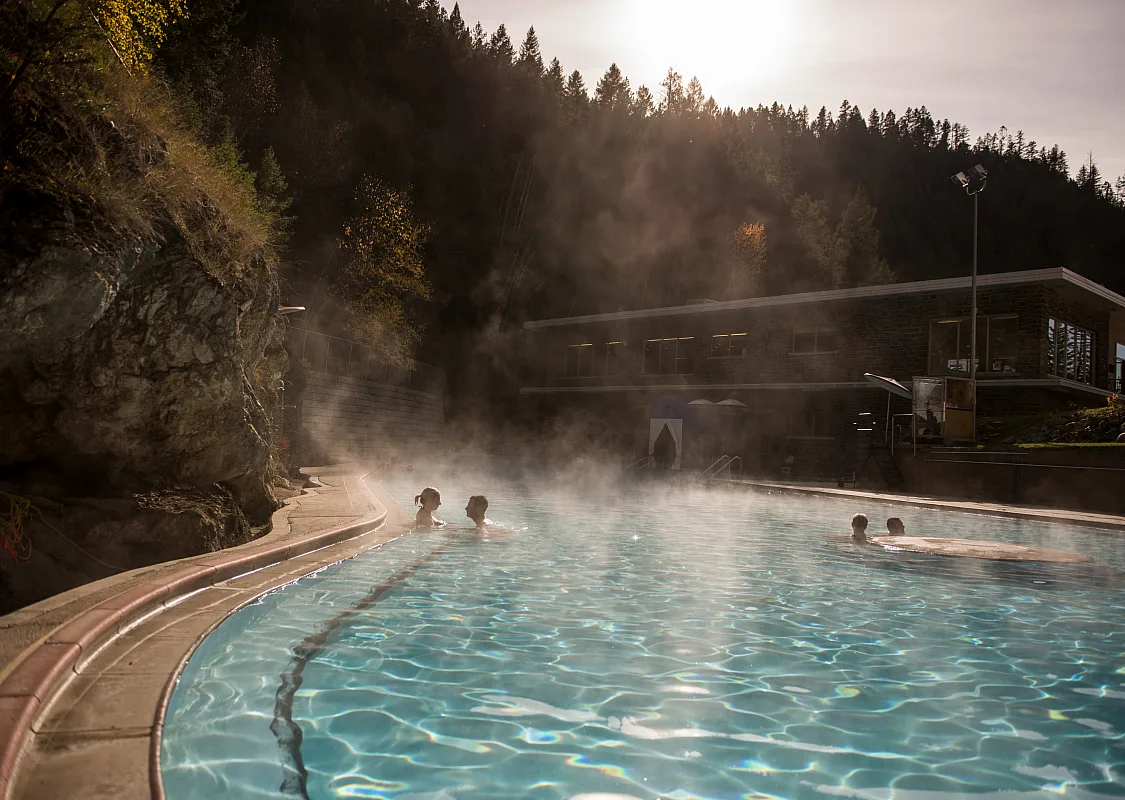 Radium Hot Springs | Kari Medig
 What to see and do in Kootenay National Park
Radium Hot Spring pools: Nestled under the cliffs of Sinclair Canyon, these soothing mineral hot springs have long been used by Indigenous Peoples for cultural and healing practices. Today, the springs site includes several human-made pools, changing amenities, and a heritage building. Radium Hot Springs pools are open year-round. Perfect for a relaxing and restorative hot springs experience that warms you up during the crisp autumn days.
Paint Pots: Witness nature’s vibrant paint palette, where iron-rich springs tint the pools and earth with shades of tangerine, yellow, and maroon. This area is of cultural significance to the Ktunaxa Nation, who used red ochre for ceremony and art. The 2-km (1 mi) round-trip trail is easily accessible and perfect for families, offering a close-up view of geological wonders. The trailhead is just 3km (2 mi) from Marble Canyon, so you can do both in a day. Perfect for hikers looking for a site that includes both Indigenous cultural heritage and geological features.
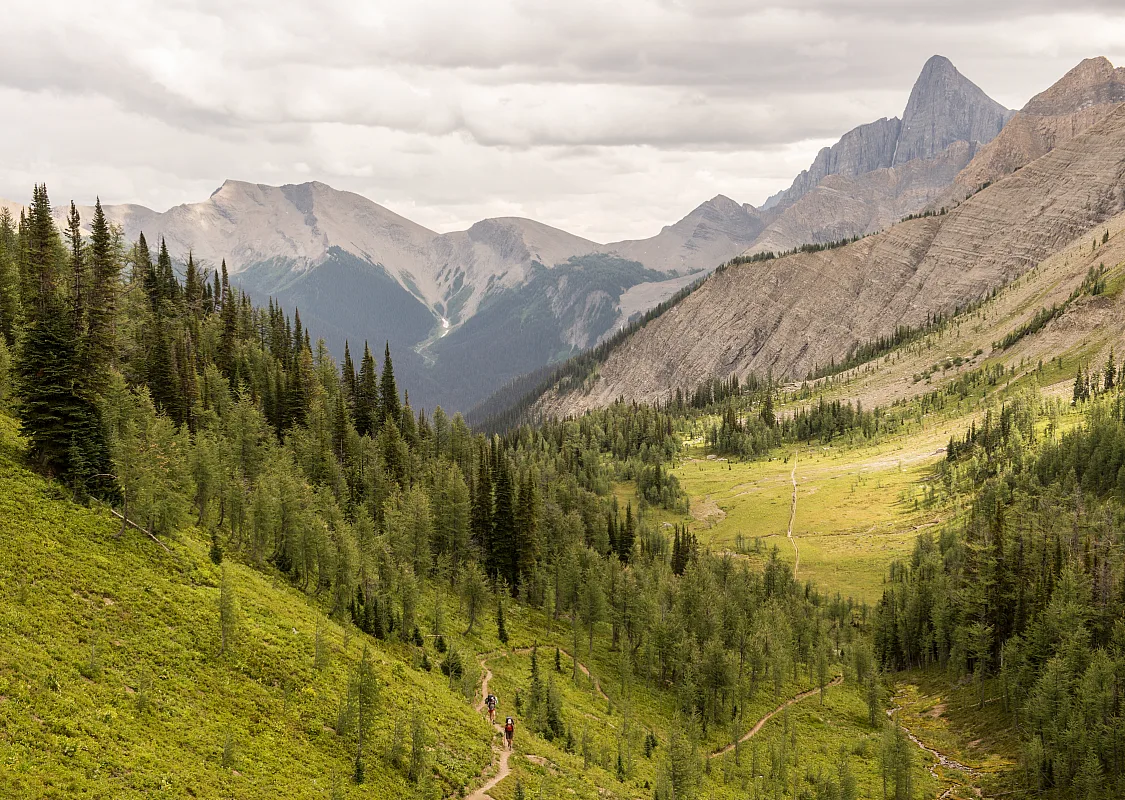 Rockwall Trail in Kootenay National Park | Kari Medig
 Marble Canyon: Peer out over a plunging limestone river gorge carved by the turquoise waters of Tokumm Creek. The interpretive trail, 1.6 km (1 mi) round trip, runs along the canyon rim, with the sound of rushing water echoing in the cliffs. Perfect for those looking for a gentle trail with river canyon views.
Kootenay Valley Viewpoint: Just off Highway 93, this scenic viewing area is a 15-minute drive from the village of Radium Hot Springs. Here, you can get a glimpse of the Mitchell and Vermilion sub-ranges and access the 5-km (3-mi) out-and-back Cobb Lake Trail, which brings you to a peaceful lake. Perfect for a quick stop off the highway that offers a panoramic view of the landscape.
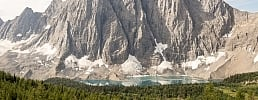
The Rockwall Trail/Floe Lake: This multi-day backcountry trek through the heart of Kootenay National Park is a must-do for avid hikers, especially in the fall with golden larches. The 54-km (33.5-mi) route usually takes between four and five days, travelling through three alpine passes and lush sub-alpine meadows. Along the way, you’ll see turquoise tarns (alpine lakes), waterfalls, and hanging glaciers. You’ll also get a close-up view of the Rockwall, a dramatic cliff that towers 900 m (2,950 ft). This hike is in high demand and requires advance booking through Parks Canada. Perfect for viewing golden larch and experiencing a bucket-list backcountry hiking and camping experience in the Canadian Rockies.
Click for a full list of places to visit in Kootenay National Park.
Yoho National Park
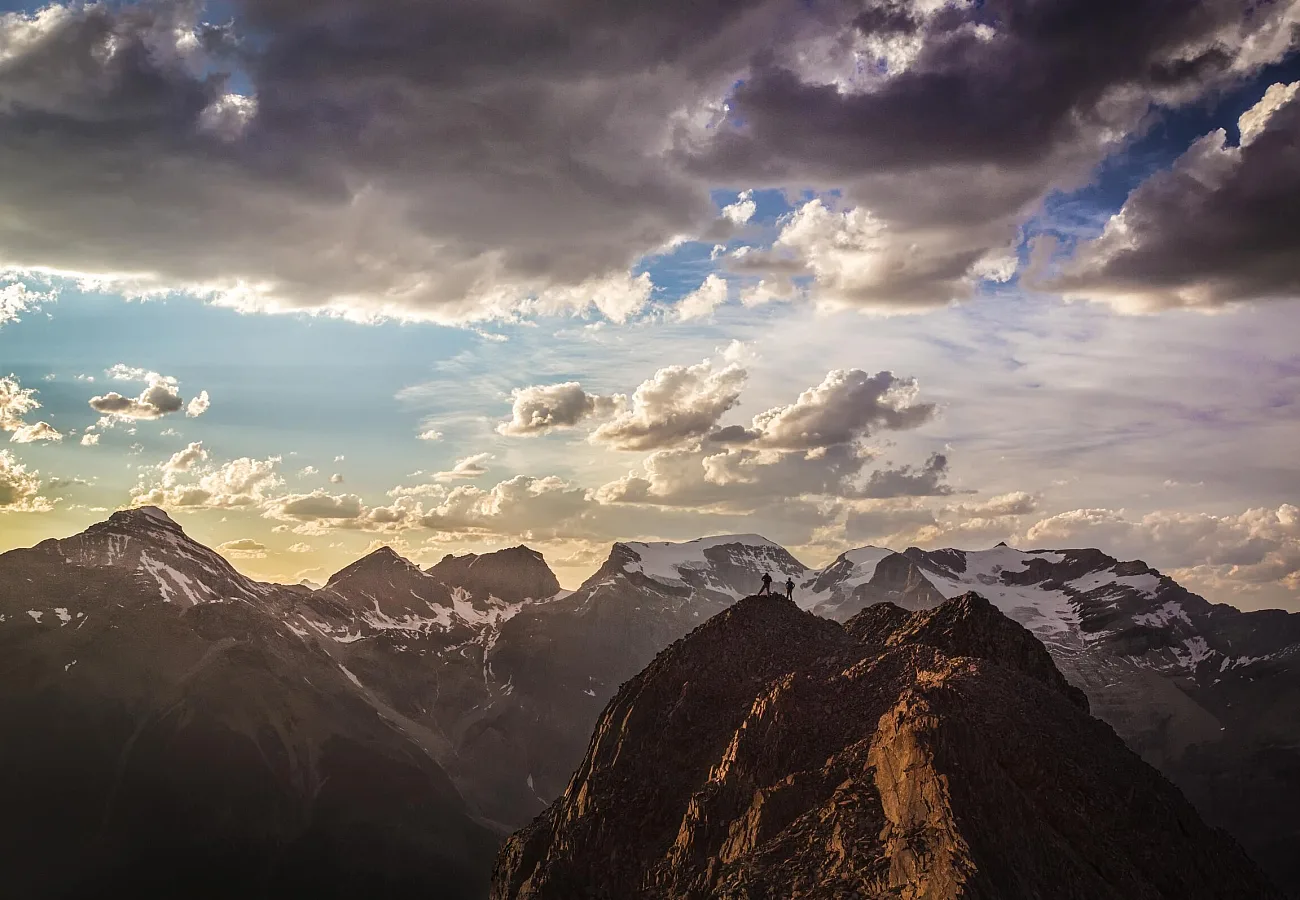 Yoho National Park | Paul Zizka
 Park size: 1,313 sq km (507 sq mi)
Tallest Peak: Mount Goodsir at 3,567 m (11,703 ft)
Hiking trails: 400 km (249 mi)
Nearest town: Field, BC
Wildlife: 58 mammal species and 224 bird species
Indigenous lands: Ktunaxa Nation and Secwépemc First Nations
When to go: Following a similar pattern to other parks in the Canadian Rockies, autumn colours begin at high alpine as early as mid-September with the golden larches, which often hit their peak colour in early-to-mid-October.
Stretching along the western slopes of the Continental Divide along the BC-Alberta border, Yoho National Park is a vast expanse of protected land that connects to neighbouring Banff and Kootenay national parks. The diverse geological features are striking and dramatic, from alpine peaks to turquoise lakes and plunging waterfalls. Wildlife here ranges from tiny pygmy shrew to massive moose.
Experience the park through short side trips that bring you to natural wonders like lakes and waterfalls, or stay in the heart of the mountains at a backcountry lodge or campsite. Hiking trails range from easy, relatively flat wanders to difficult treks with more than 1,300 m (4,265 ft) of elevation gain.
The historic village of Field, BC is located at the centre of the park in the shadow of Mount Field and Mount Stephen, making it the ultimate adventure hub for the area. Just a 20-minute drive due east from Yoho, the town of Golden is a big mountain haven for alpine activities with plenty of accommodation, restaurants, and amenities.
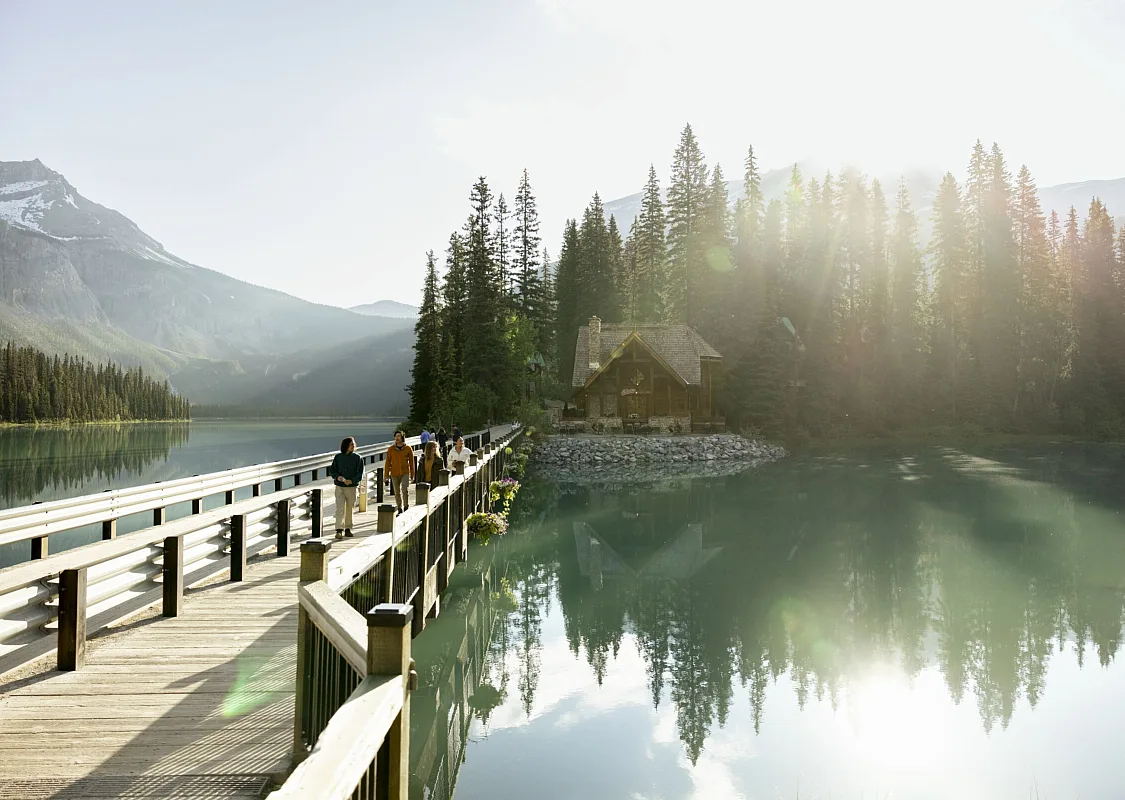 Emerald Lake, Yoho National Park | Abby Cooper
 What to see and do in Yoho National Park
Emerald Lake: This glistening aquamarine lake is the largest in Yoho National Park and one of the most famous in the Canadian Rockies. Fringed by evergreen forest and encircled by mountains, peaceful Emerald Lake is an idyllic setting for gentle exploration. Hike the gently-graded Lakeshore Trail (5.2 km/3.2 mi) or rent a canoe to paddle the gem-coloured waters. Perfect for getting a view of quintessentially Canadian landscapes and memorable canoeing.
Lake O’Hara Lodge: Wake up in the mountains at historic Lake O’Hara Lodge. The well-appointed cabins and lodge are set in the spectacular backcountry of Yoho National Park surrounded by breathtaking peaks and the turquoise waters of Lake O’Hara. Accessed only by a Parks Canada shuttle bus, stays at this remote lodge include chef-prepared dining inspired by Canadian provisions. There are plenty of hikes to enjoy in the area, from the high-elevation Alpine Circuit to the meadows of Opabin Plateau. Lake O’Hara is one of the most popular places in Yoho National Park, so reserve your stay well ahead of time as this stunning spot books up quickly. Perfect for those looking for a remote wilderness lodge in the heart of the Canadian Rockies.
Natural Bridge: Witness the sheer power of nature as the Kicking Horse rushes through a natural limestone archway forged over time, aptly named Natural Bridge. This unique feature is located just 8 km (5 mi) south of Emerald Lake Lodge and is one of the most accessible geological features in the park. Perfect for viewing a Canadian Heritage River and how it shapes the landscape.
Takakkawa Falls: Feel the mist of a powerful waterfall. At 384 m (1,260 ft) tall, this impressive waterfall is one of the largest in Canada. Takakkawa Falls, open seasonally from June to October, is fed by the Daly Glacier and Waputik Icefield above. It plunges into the Yoho Valley, feeding many smaller cascading waterfalls beyond. If you want to stay the night, camp in the front-country campsite just 300 m (984 ft) from the parking lot. Perfect for those looking to see one of the most significant waterfalls in the Canadian Rockies.
Wapta Falls: Feel small in the shadow of a giant cascade. The largest waterfall on the Kicking Horse River, Wapta Falls drops 30 m (98 ft) and is a remarkable 150 m (492 ft) wide. Access is available from June to October, and you can get there via a gentle 4.6-km (2.9-mi) out-and-back trail. If you want the unique experience of camping in the Canadian Rockies with a view of the waterfall, stay in the Wapta Falls Recreation Site, available on a first-come, first-served basis. Perfect for a moderate hike to a jaw-dropping waterfall.
Click for a full list of places to visit in Yoho National Park.
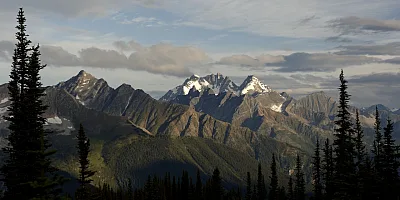
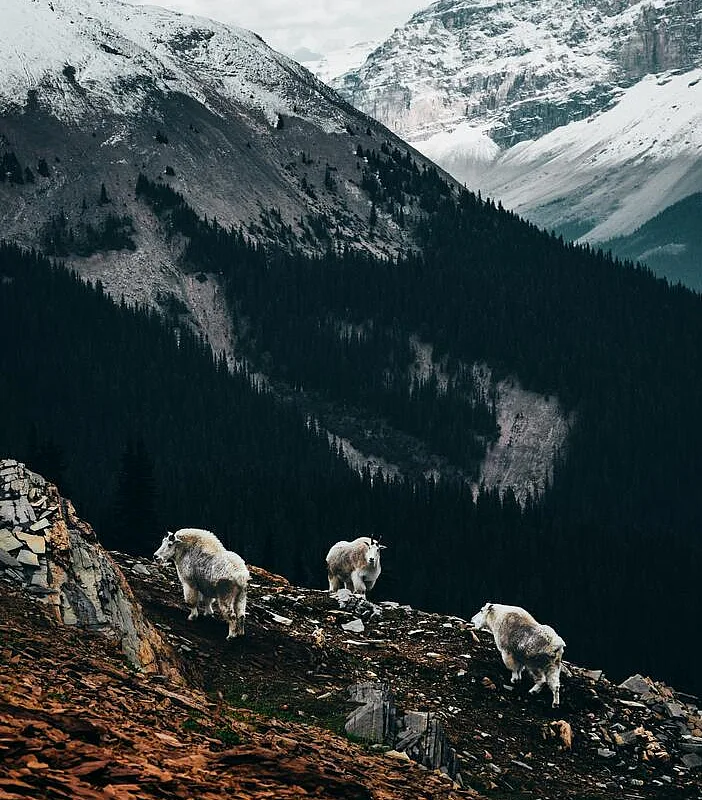 Yoho National Park | Dean Faulkner
 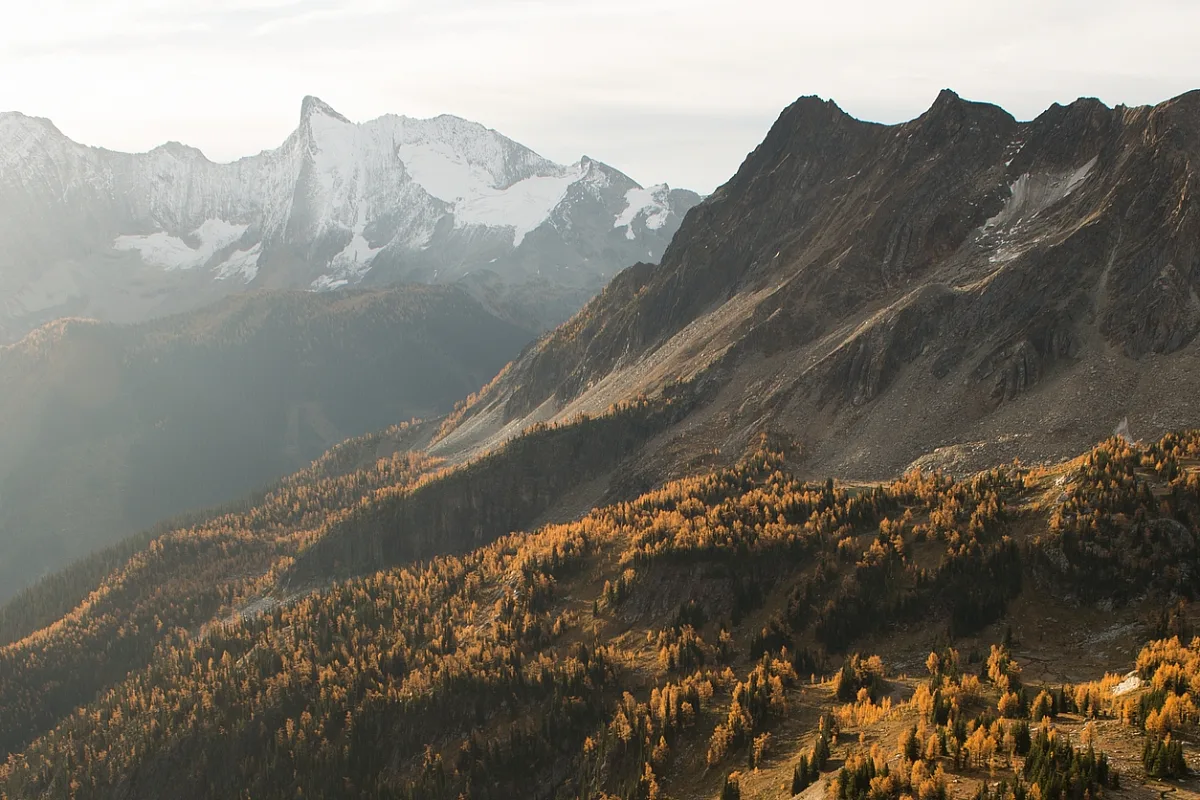 Jumbo Pass, near Invermere | Kari Medig
 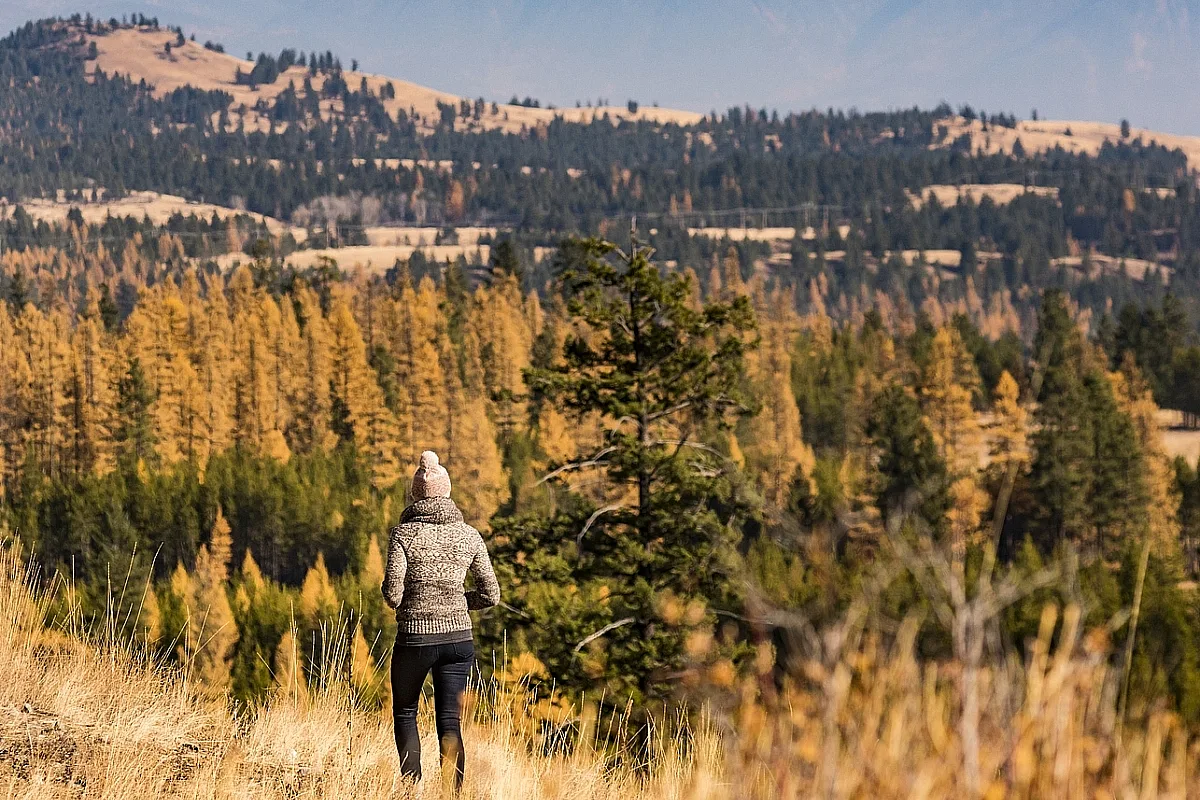 Kimberley | Kari Medig
 Fall in the Canadian Rockies
Watching autumn descend upon the Canadian Rockies is a very special and memorable experience. Slate-grey mountains streaked with turmeric-coloured trees, and often, a sprinkle of fresh snow. Amidst the golden larch trees, you may spot the shadowy figure of a black bear roaming the landscape, or the distinct chalk-white dot of a mountain goat perched on a cliff. What’s more, fall is a quieter time in the Birthplace of Adventure, so you’ll have more room to roam at some of the most popular locations and hikes.
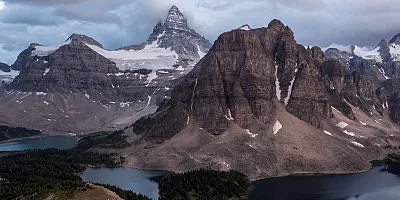
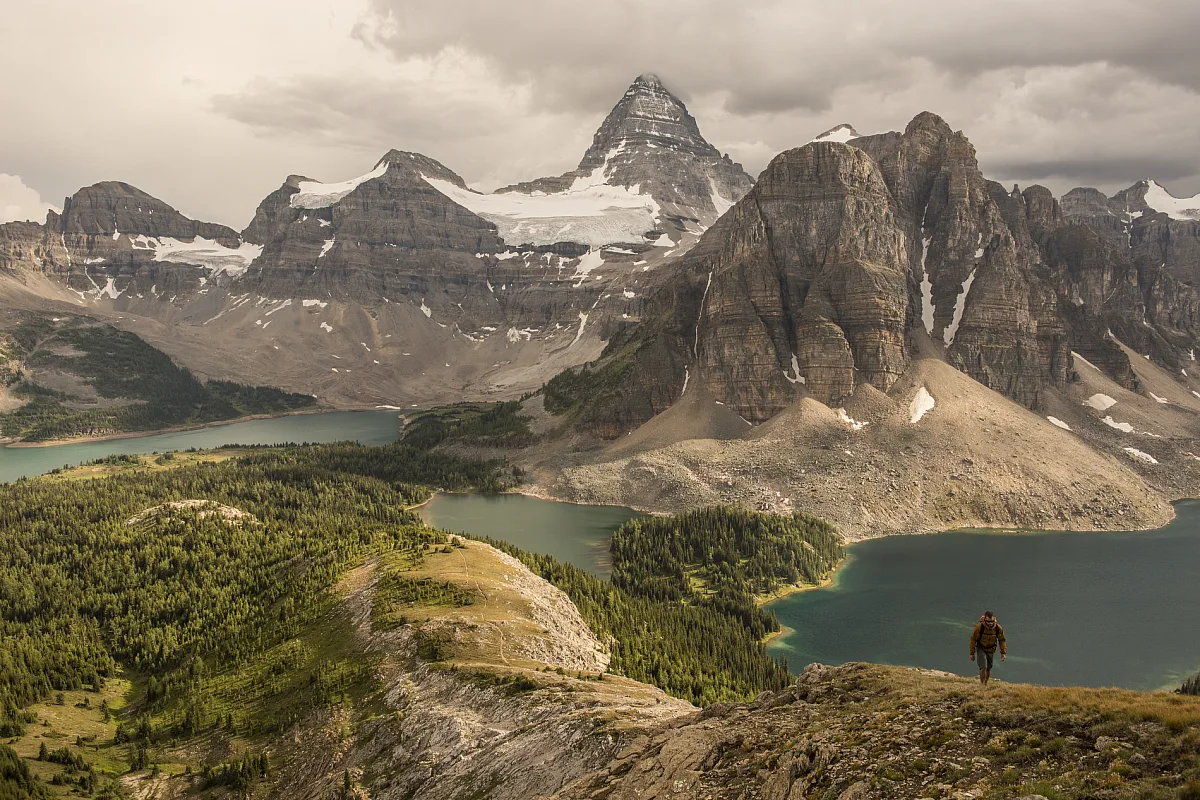 Mt Assiniboine | Kari Medig
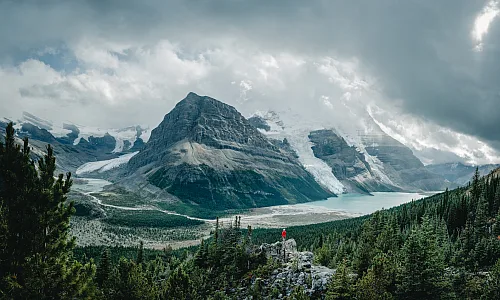
 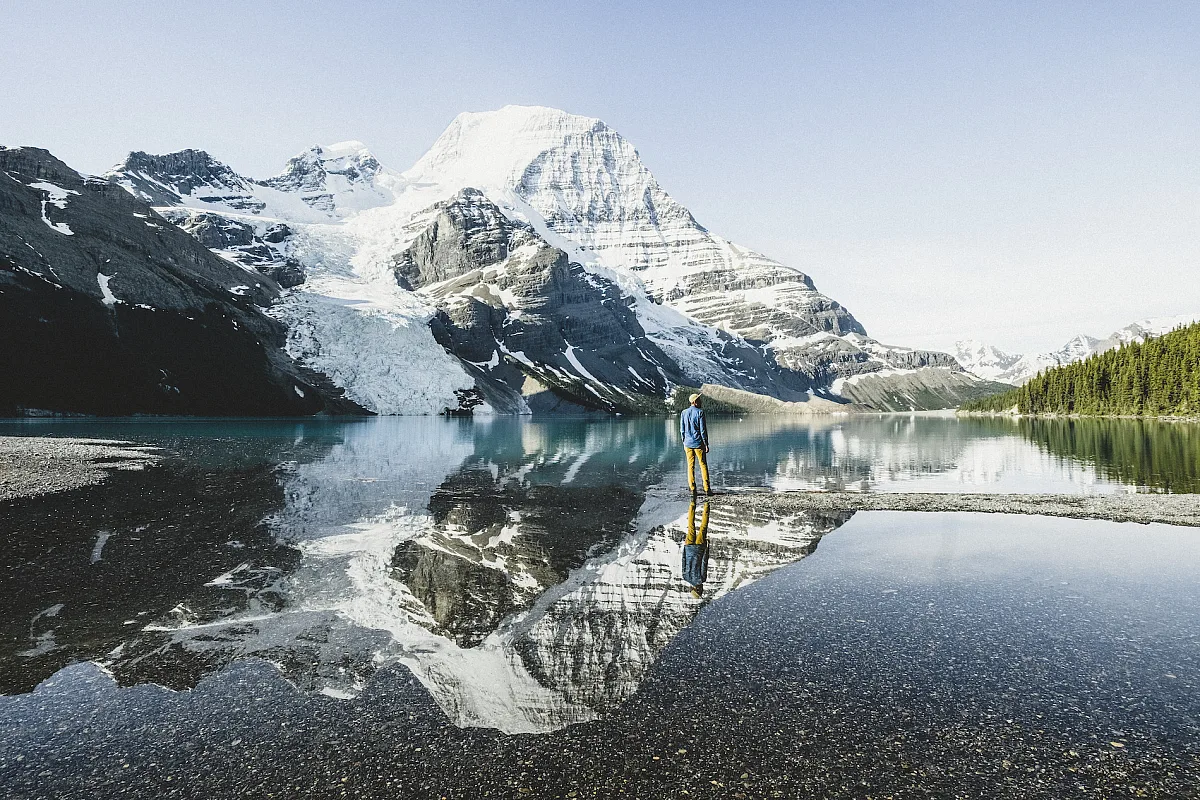 Mount Robson Provincial Park | Megan McLellan
 What is a UNESCO World Heritage Site?
World Heritage Sites are protected places that have ecological, cultural, and natural importance. They’re selected by an international body called the United Nations Educational, Scientific and Cultural Organization (UNESCO). Established in 1920, Canadian Rocky Mountain Parks World Heritage Site is a 2.3-million-hectare (5.6-million-acre) area that includes three BC Parks (Assinniboine, Mt. Robson, and Hamber), and four national parks (Yoho and Kootenay in British Columbia, plus Banff and Jasper in Alberta). The World Heritage Site is considered significant because of its geological history, majestic glaciers, and 500-million-year-old Burgess Shale fossil beds that showcase the ancient time of the Canadian Rockies. As of 2026, Canada has 22 UNESCO World Heritage sites.
What to know before you visit Yoho and Kootenay national parks
How to respect the park:
The beauty and wonder of these two spectacular national parks is what makes them so special and attracts people from all over the world. It takes all of us to preserve their natural beauty. Follow these important tips:
- Only camp in designated areas
- Pack out everything you pack in
- Stay on marked trails
How to keep wildlife wild:
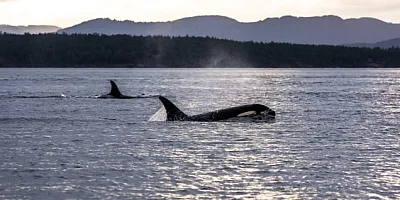
Yoho and Kootenay national parks are home to a diverse array of wildlife, large and small. It is common to see large mammals, including grizzly bears, especially when you are in remote areas. If you see a wild animal, give it plenty of space and don’t feed it. If you plan to go into the backcountry, carry bear spray and know how to use it. While camping, store your food scraps and animal attractants securely. Find more tips at WildSafe BC.
How to plan ahead
When you’re driving to Yoho National Park and Kootenay National Park in the shoulder seasons, remember to check road conditions at DriveBC ahead of time, and ensure your vehicle is equipped for autumn weather. Snow can arrive at higher elevations in the early fall. Winter tires are required on most major BC highways from October 1 to April 31.
While autumn is a quieter time of year to visit the Canadian Rockies, there are still some areas that see a significant number of visitors. Plan your travel in advance and try to go at off-peak times, such as weekdays. Parking can fill up quickly, so arrive early to secure your spot and have a back-up plan. Be sure to secure your backcountry permits and camping reservations for Kootenay and Yoho parks with Parks Canada before you arrive.
How to stay safe in the mountains
Both Kootenay National Park and Yoho National Park are remote mountain landscapes with vast wilderness and changing weather conditions. Come prepared for your adventure by practicing BC AdventureSmart‘s Three T’s: Trip Planning, Training, and Taking the Essentials.
Adventure Smart
Always check trail conditions before you leave and be prepared for any outdoor activity.
BC Driving Conditions
Check Drive BC for the latest information on road closures around the province.
Getting Here & Around
Visitors to British Columbia can arrive by air, road, rail, or ferry.
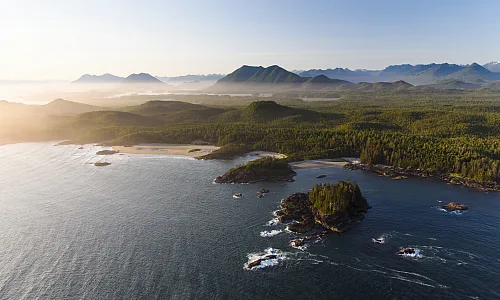
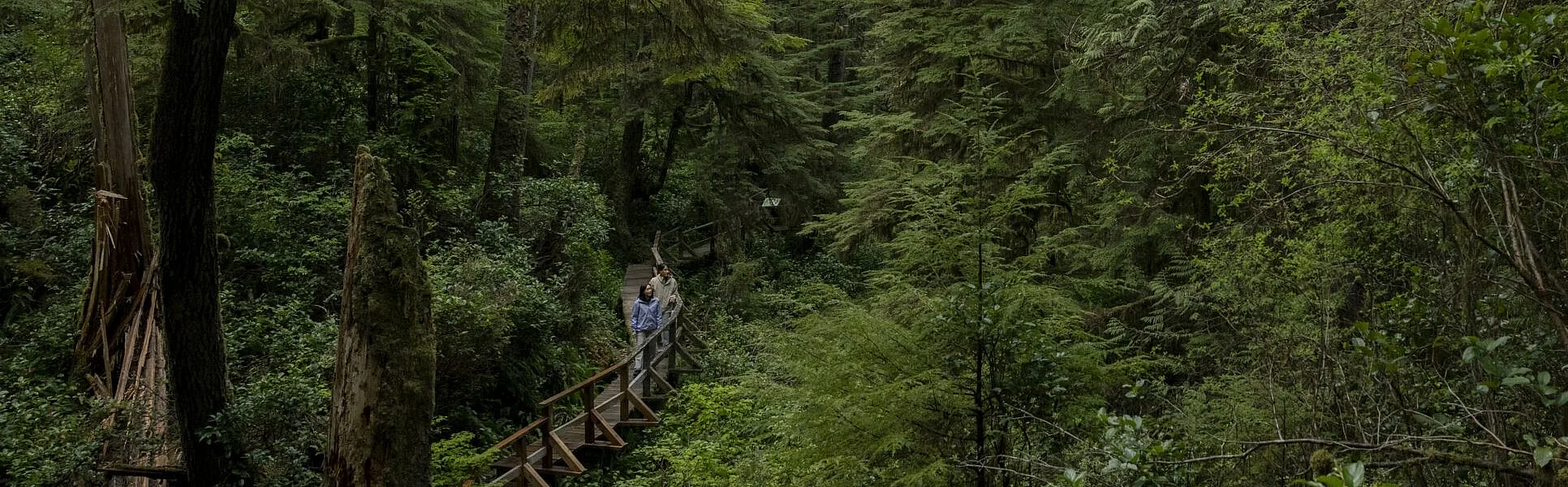 Pacific Rim National Park | Abby Cooper