
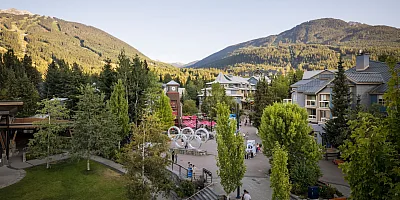
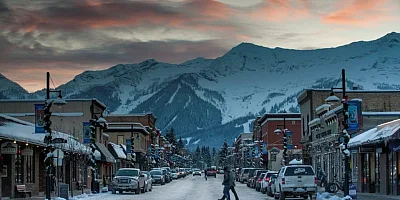
 Whistler Blackcomb | Tourism Whistler/Guy Fattal
 By: Matt Coté | August 7, 2026
Whistler Blackcomb | Tourism Whistler/Guy Fattal The story behind BC powder
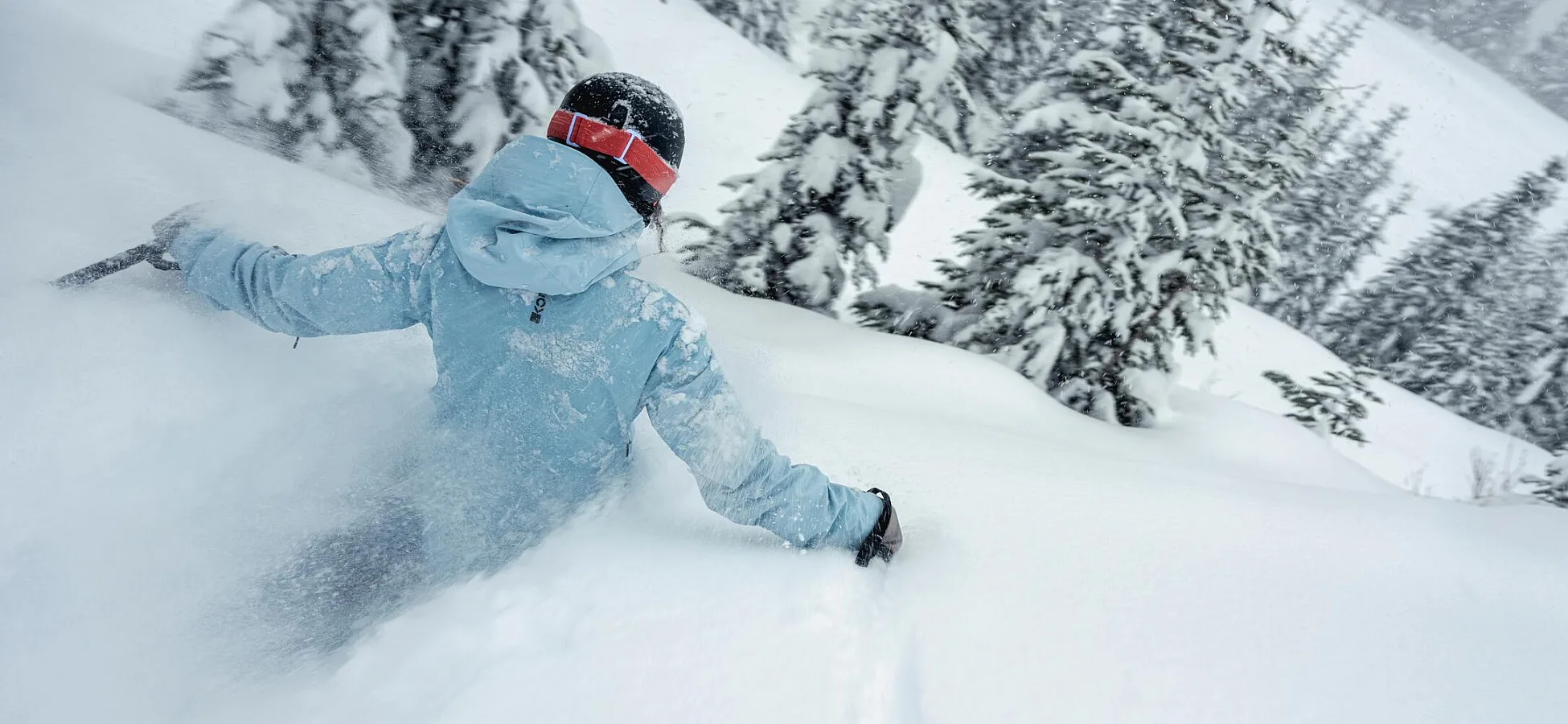
Ask any skier who’s chased snow in British Columbia, and they’ll tell you: powder isn’t just a bonus here, it’s the baseline. Every winter, the jet stream aims a conveyor belt of moisture at the province, wringing out over 10 ranges, from the Coast Mountains to the Canadian Rockies. Snow falls deepest on the Coast, lightest in the Interior, and with unflinching reliability in the North. As the “Home of Canadian Powder,” BC benefits from a rare piece of geographic good fortune where Pacific storms collide with wave after wave of mountain ranges, each one drawing different snow. Here’s why BC keeps delivering, every single season.
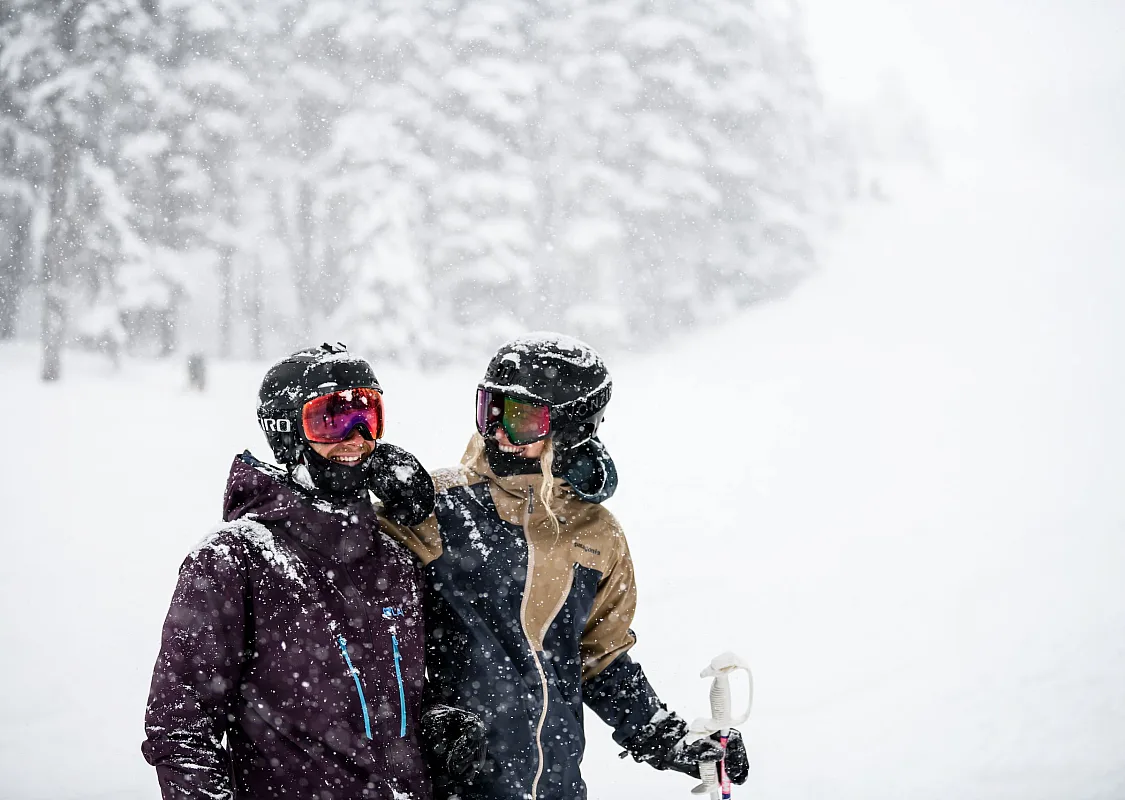 Blackcomb Mountain | Andrew Strain
 The Pacific powder machine
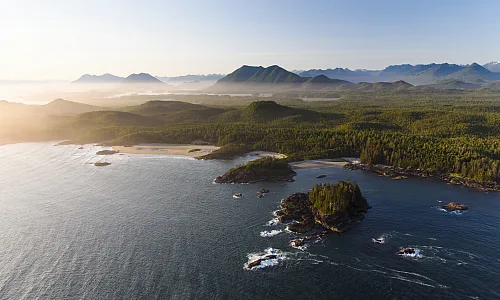
It starts at sea. Winter storms gather moisture over the open Pacific before making landfall in British Columbia. When they arrive, the Coast Mountains force all that saturated air upward. Rising air cools, moisture condenses, and then comes back down as copious amounts of snow that can top 23 m (75 ft) annually in some locations.
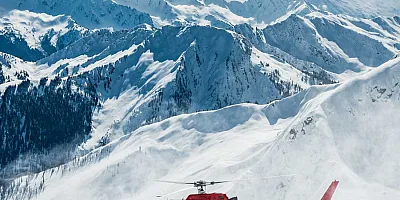
The West Coast is only the first pulse. As each storm tracks east, it climbs range after range, cooling and drying with every lift. By the time a storm crosses the Columbia Mountains—the Monashees, Selkirks, Purcells, and Cariboos—it recharges with moisture over inland lakes, and dumps back down the waist-deep blower that’s painted the Kootenay Rockies into the foreground of every powder skier’s imagination.
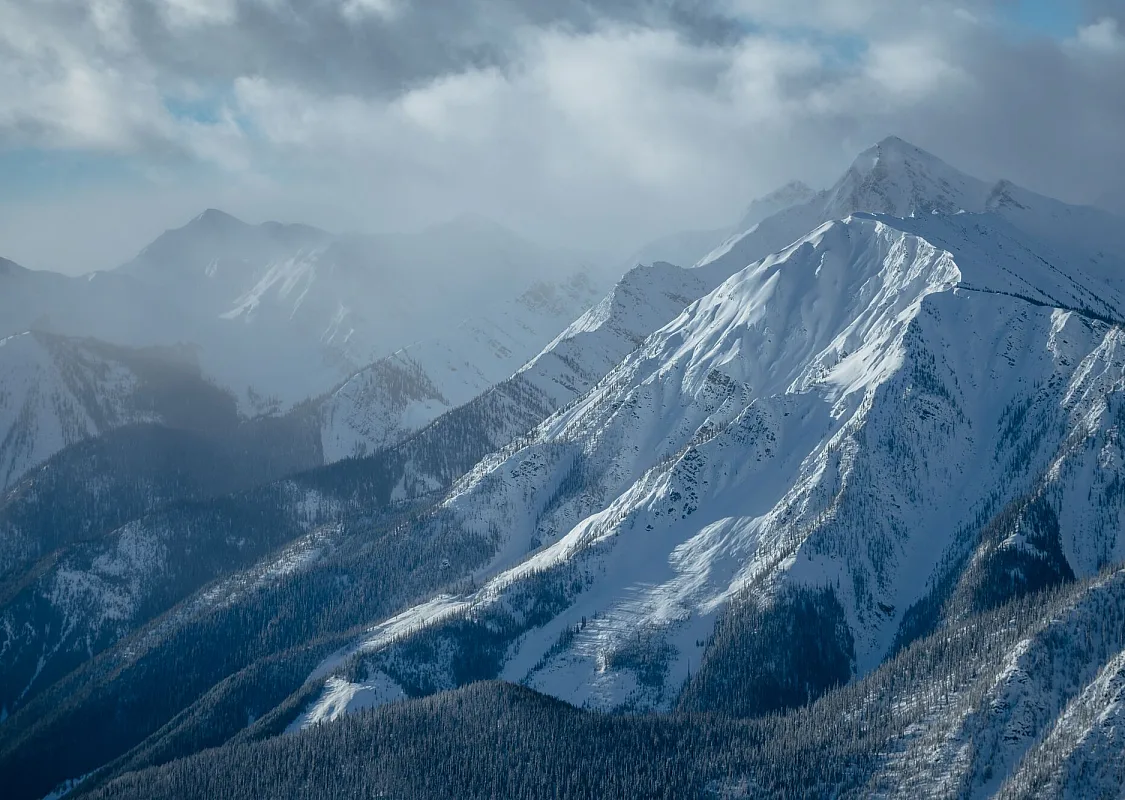 Kicking Horse Mountain resort | Reuben Krabbe
 Mountains built for snow
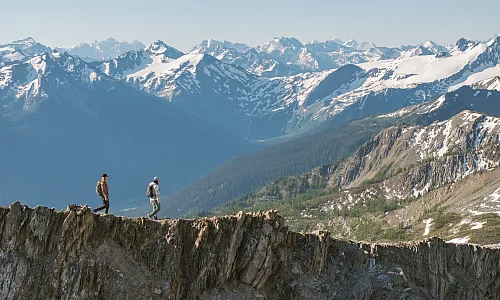
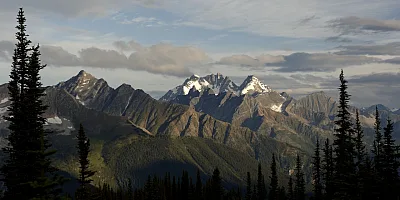
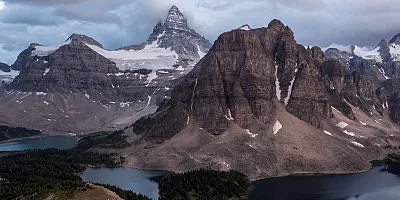
Two hundred and ten million years ago, North America drifted west and smashed into oceanic plates, and British Columbia crumpled into ongoing ripples of mountain chains 1,000 km (620 mi) long. As a result, more than 75 percent of BC is mountainous today, and no two ranges catch snow the same way. The Coast Mountains draw deep, supportive maritime snow on top of glacier-clad volcanoes. The Okanagan invites effervescent sheets of dry powder. The Kootenay Rockies stack effortless blower on steep, old-growth fall lines and diamond-shaped peaks. And Northern BC drapes cold, dependable powder over remote ridgelines and huge vertical relief.
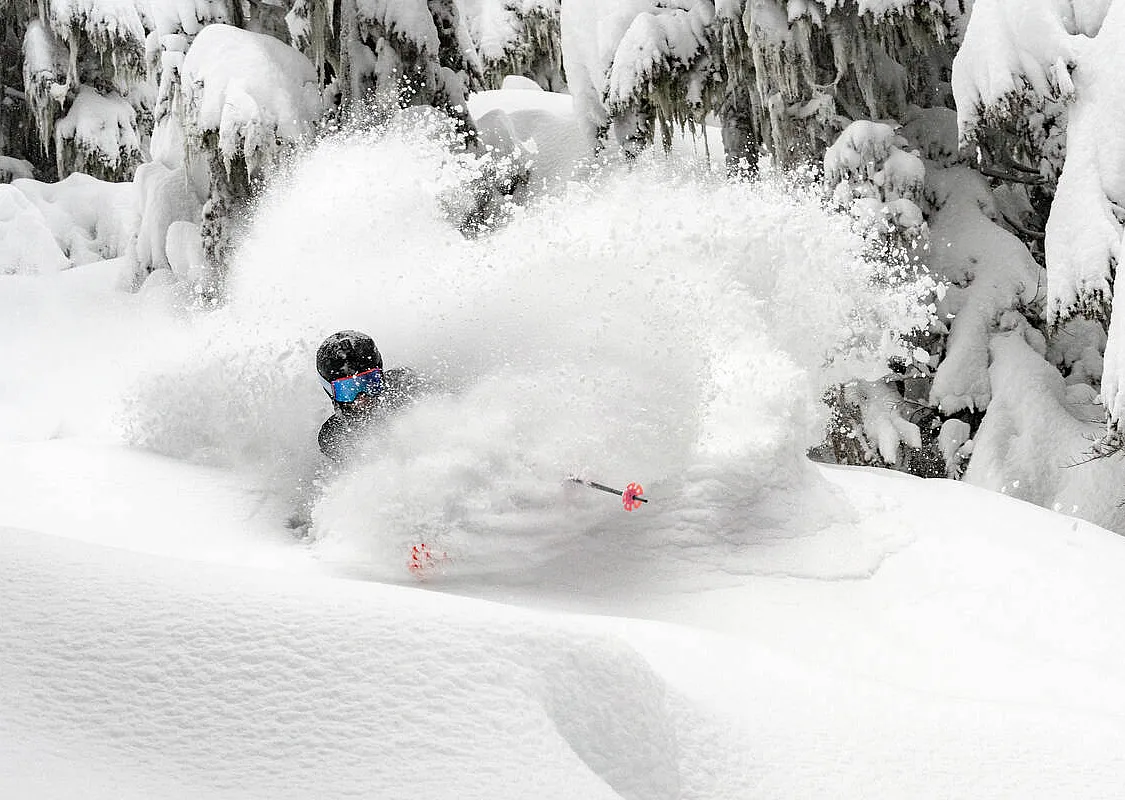 Blackcomb Mountain in Whistler | Tourism Whistler/Vince Emond
 West Coast powder
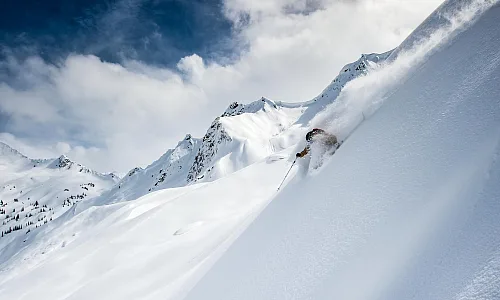
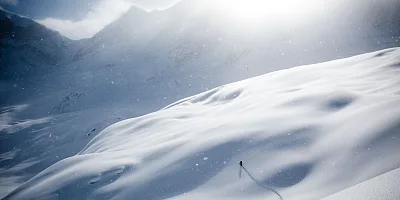
The glaciers and high alpine of the Coast Mountains benefit from an extra-deep snowpack that sticks to rocks and pillows, filling in complex alpine runs you couldn’t ski anywhere else. We call this hero snow because it unlocks your best skiing: fast, confident, free. You can lace quick turns down tight couloirs, bounce down billowy pillows, and glide boldly down steep faces. This is where you don’t ever feel the bottom, and everything is an option.
Where to ski coastal powder: Whistler Blackcomb, Mount Washington, Manning Park, and backcountry operators like Bella Coola Heli Sports.
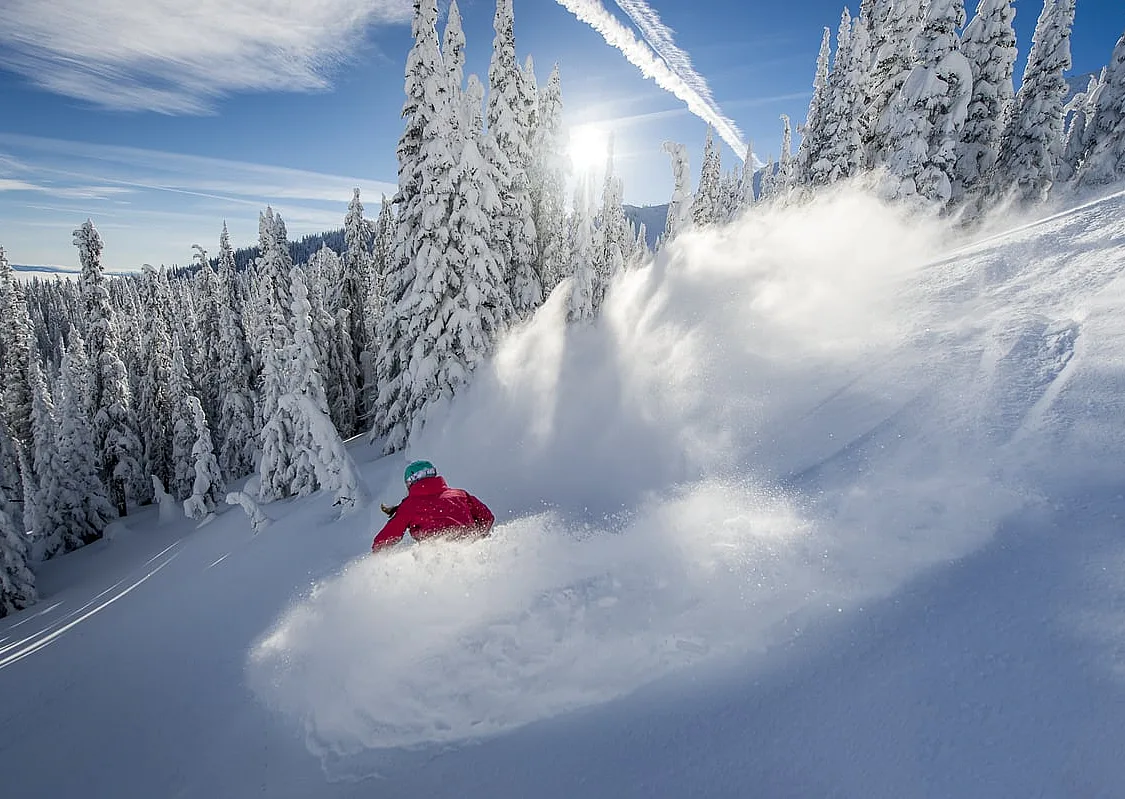 Big White Ski Resort | Blake Jorgenson
 Interior/Okanagan powder
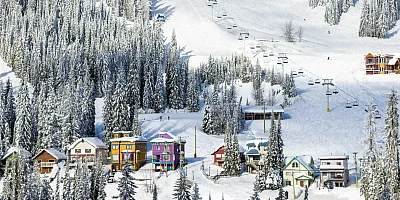
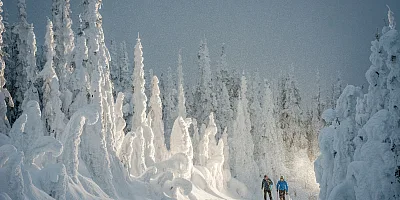
The rolling peaks of the Okanagan calm those Pacific tempests down and crystallize every molecule of moisture into supernaturally dry snow. Snow ghosts line the sustained pitch of the subalpine here, where every undisturbed turn throws up sheets of shimmering sparkles in fast, planar terrain that skis like a realm above. Here, your fat skis run on powder like GS skis do on groomers. What’s more, there’s usually bluebird behind every storm.
Where to ski Interior/Okanagan powder: Big White, SilverStar, Apex, and Sun Peaks.
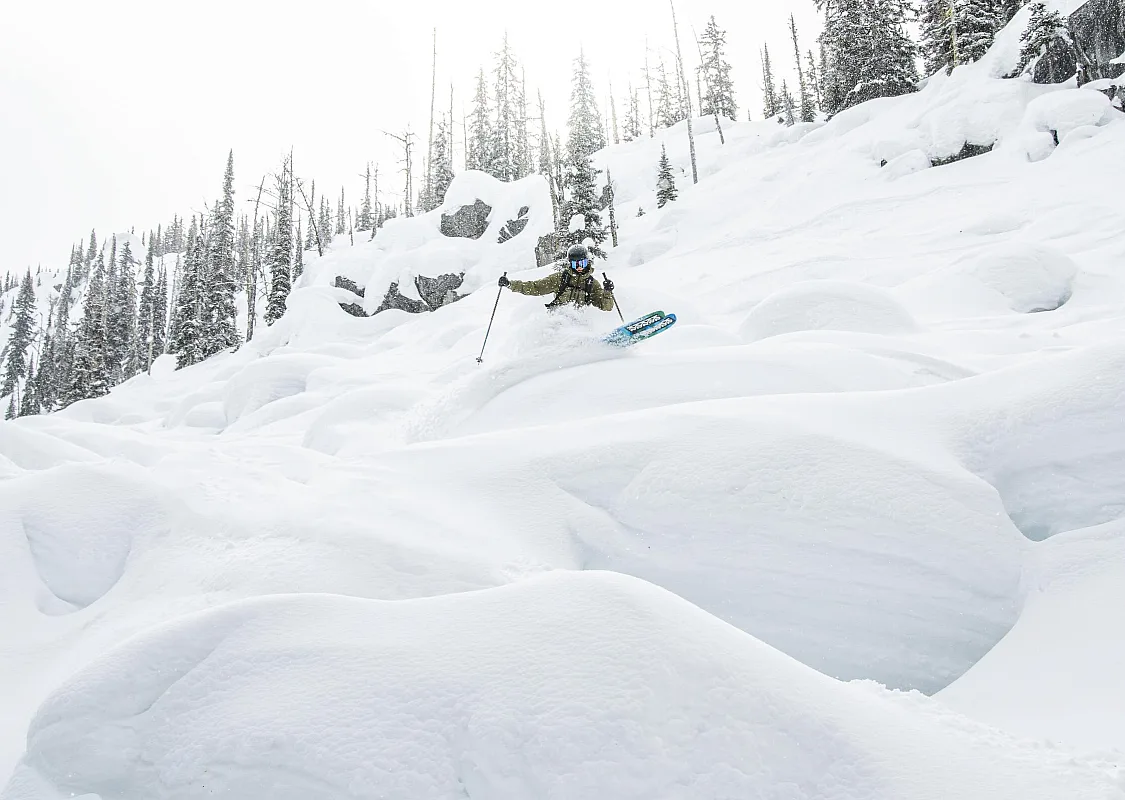 Whitewater Mountain Resort | Lauren Powers
 Kootenay Rockies powder
The second, drier pulse. If you’ve never experienced cold smoke billowing over your shoulders, this is where to find it. Powder here feels like floating down a cloud; point at the fall line and it doesn’t matter what’s in front of you—everything becomes effortless. Giant cedars pass by as though in slow motion, cliff drops and pillows barely feel there, and a soft halo of blower levitates every turn.
Where to ski Kootenay Rockies powder: Kicking Horse, Revelstoke, Whitewater, RED, Fernie, Kimberley, and Panorama.
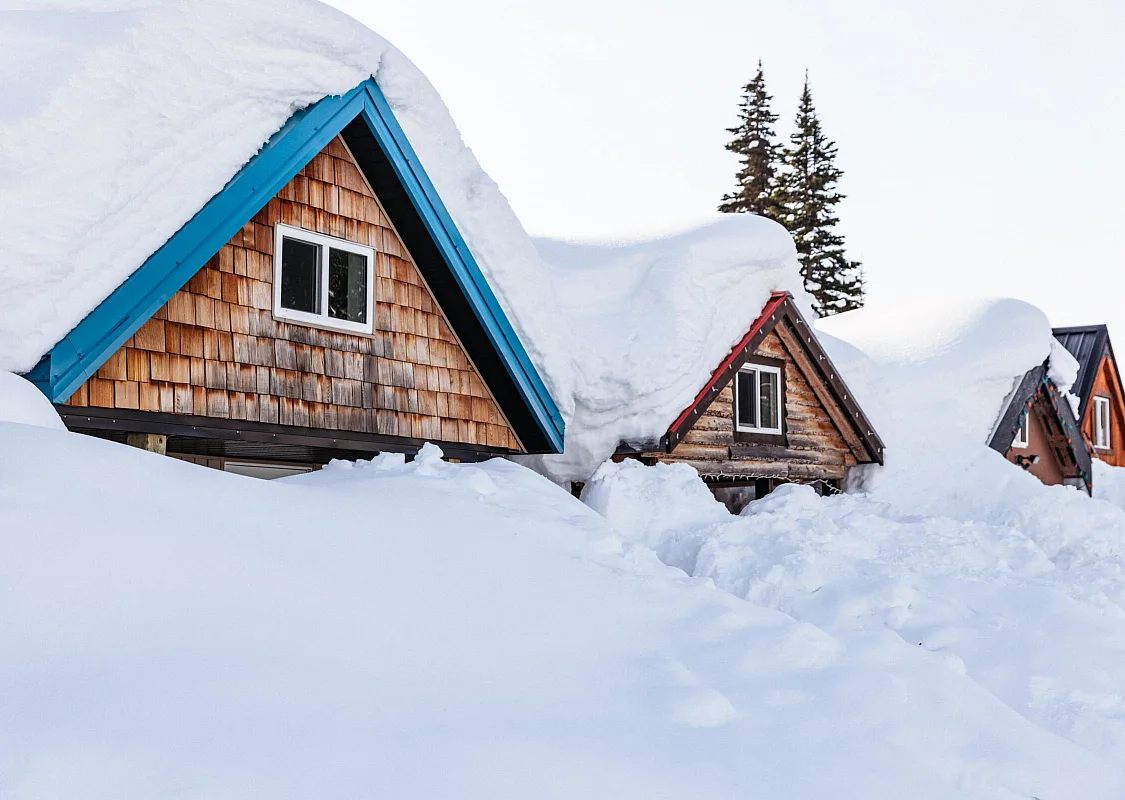 Powder King Mountain Resort | Northern BC Tourism/Marty Clemens
 Northern BC powder
Northern BC is a parallel universe of powder, and the gateway to BC’s least crowded first tracks. With dependable coastal snow in the west and waist-deep freshies inland, you’ll find fresh snow that supports those snappy fast arcs, alongside the kind of glued-on cake that opens up the steeps, and helps stabilize bigger terrain in the backcountry. A single powder day can last a week up here.
Where to ski Northern BC powder: Shames, Hudson Bay Mountain, Powder King, and backcountry operations like Skeena Cat Skiing and Northern Escape Heli Skiing.
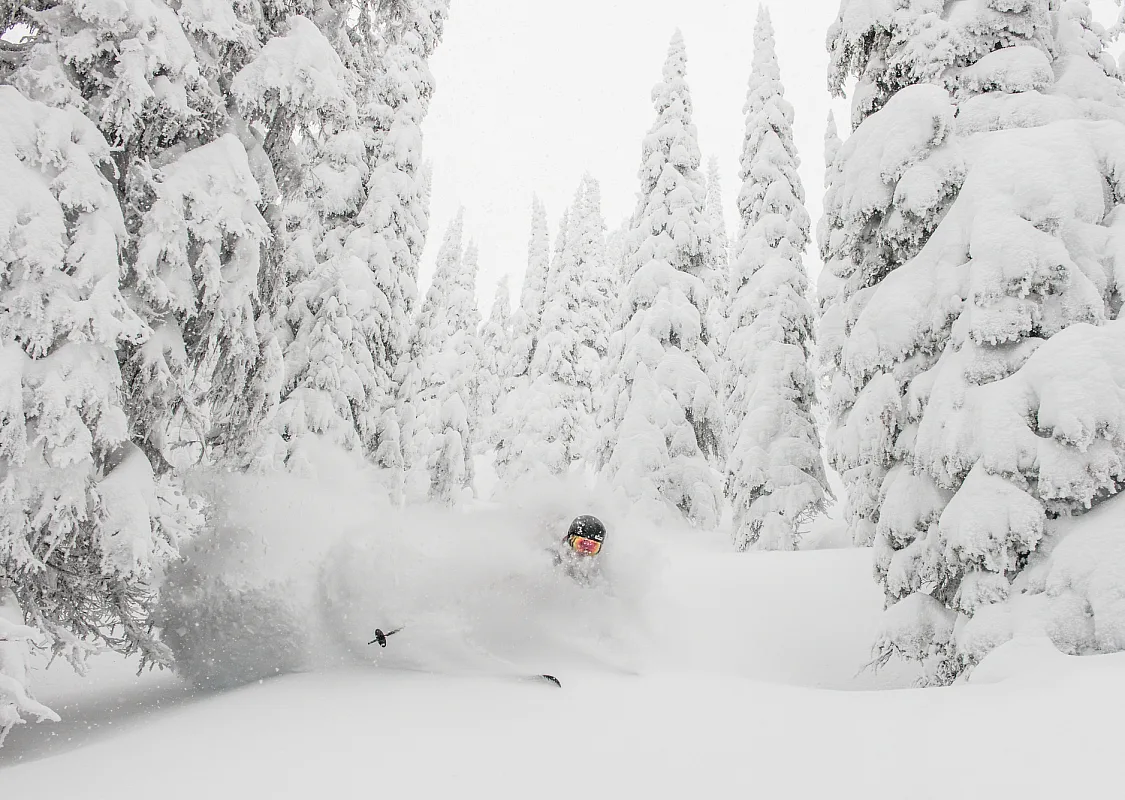 Whitewater Mountain Resort | Kari Medig
 The Powder Highway: Where powder culture comes to life
Nowhere is BC’s powder heritage more concentrated than along the Powder Highway, a 1,000-km (620-mi) loop of roads linking eight resorts, over 20 backcountry lodges, and more cat- and heli-ski operations than anywhere on earth. The same geography that funnels deep, dry snow into these valleys built a culture around it. Powder skiing shaped the towns and the people here, who live with 3-m (12-ft) snowbanks at the height of winter, and whose authentic mountain towns host the most reliable snow conditions over the most varied terrain on the globe. Pick one destination, link a few, or complete the whole loop—it could take a season or a lifetime.
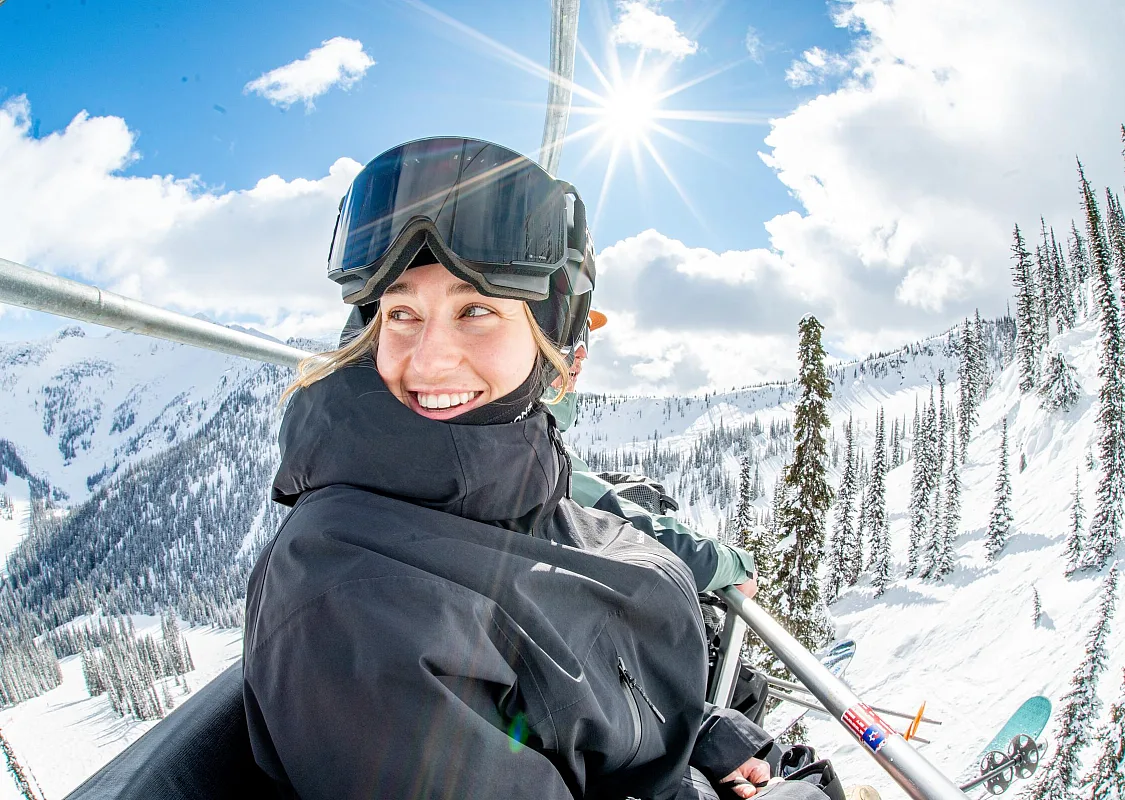 Whitewater Mountain Resort | Lauren Powers
 Why BC is different
There are places with great terrain, and there are places with great snow. But there is nowhere else that reliably combines the two over such a vast diversity of mountain ranges. What brings skiers back each season is the enormous diversity of options: caked runs down untracked glaciers, super-G turns down rolling blank canvases, storm days in old-growth, and face shots in empty northern alpine.
Getting to BC ski resorts
Wondering how to get to your chosen BC ski resort (or resorts)? Here are some travel options.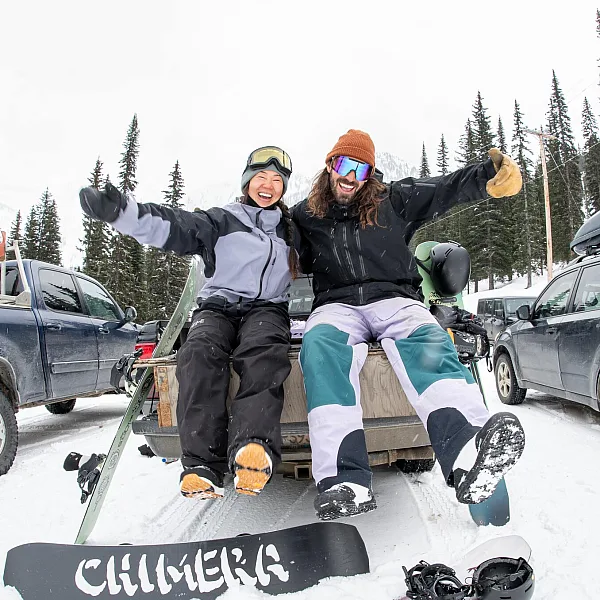 Whitewater Mountain Resort | Lauren Powers
 Which BC ski region is right for you?
With four distinct ski regions from the Coast Mountains to the Canadian Rockies, explore which snow, terrain, and towns to visit in BC this winter.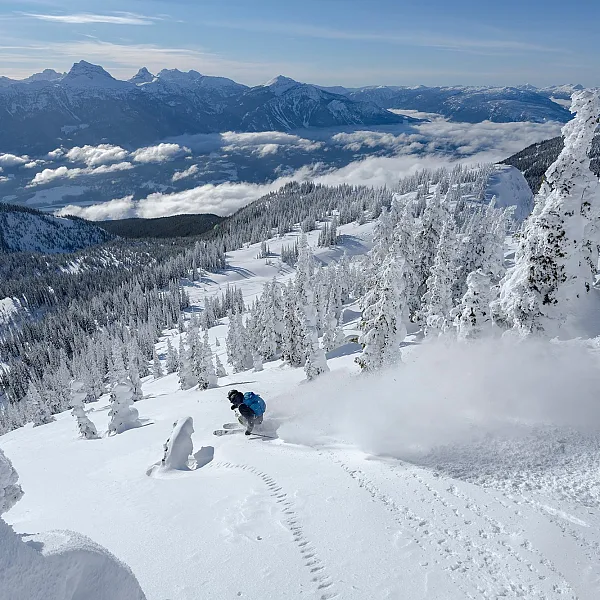 Revelstoke Mountain Resort | Reuben Krabbe
 10 reasons to ski in BC
Did you know that British Columbia has the longest lift-serviced vertical in North America? Here are 10 reasons to ski in BC.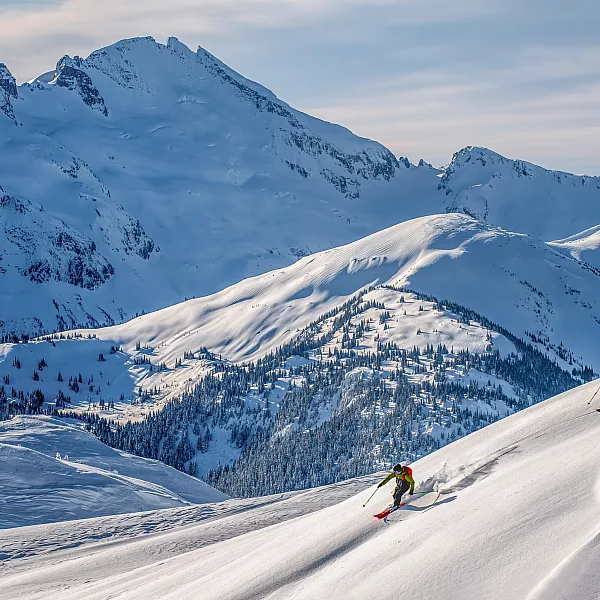 Whistler Blackcomb | Tourism Whistler/Guy Fattal
 Four must-do ski trips in BC
Make the most of your BC ski trip by combining resorts and exploring farther for a once-in-a-lifetime experience.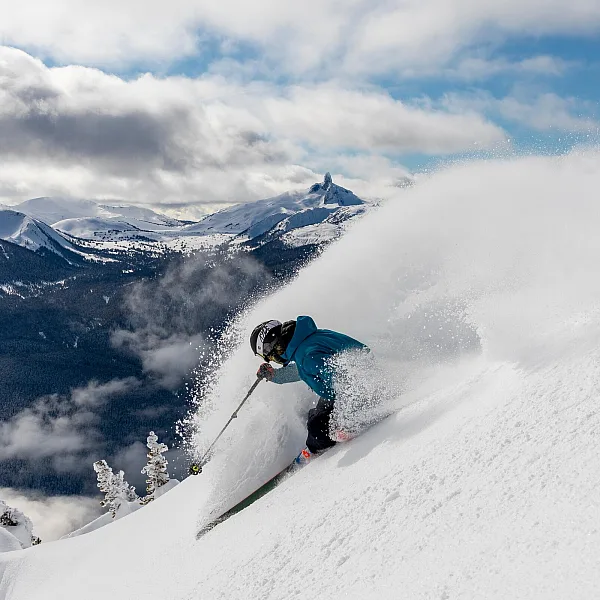 Whistler Blackcomb | Tourism Whistler/Ben Girardi
 BC's coolest ski towns
From small town charm, to legendary après-ski, here's where you should shred it up in BC.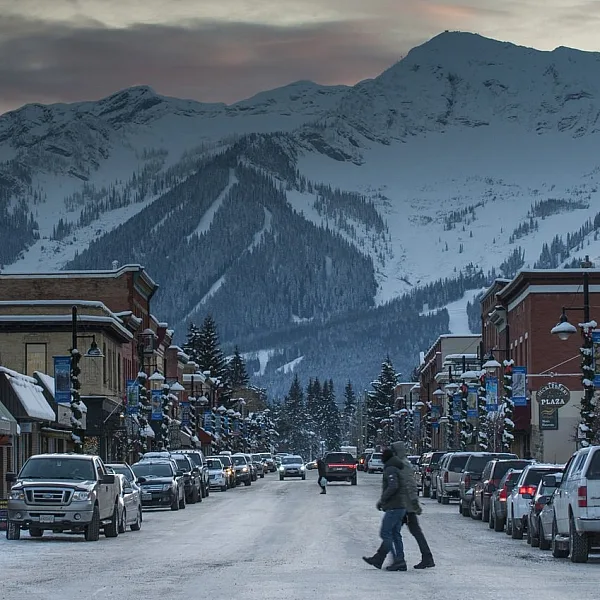 Fernie downtown | Dave Heath
Learn more about BC skiing and snowboarding
Adventure Smart
Always check trail conditions before you leave and be prepared for any outdoor activity.
Getting Here & Around
Visitors to British Columbia can arrive by air, road, rail, or ferry.
 Whistler Blackcomb / Blake Jorgenson