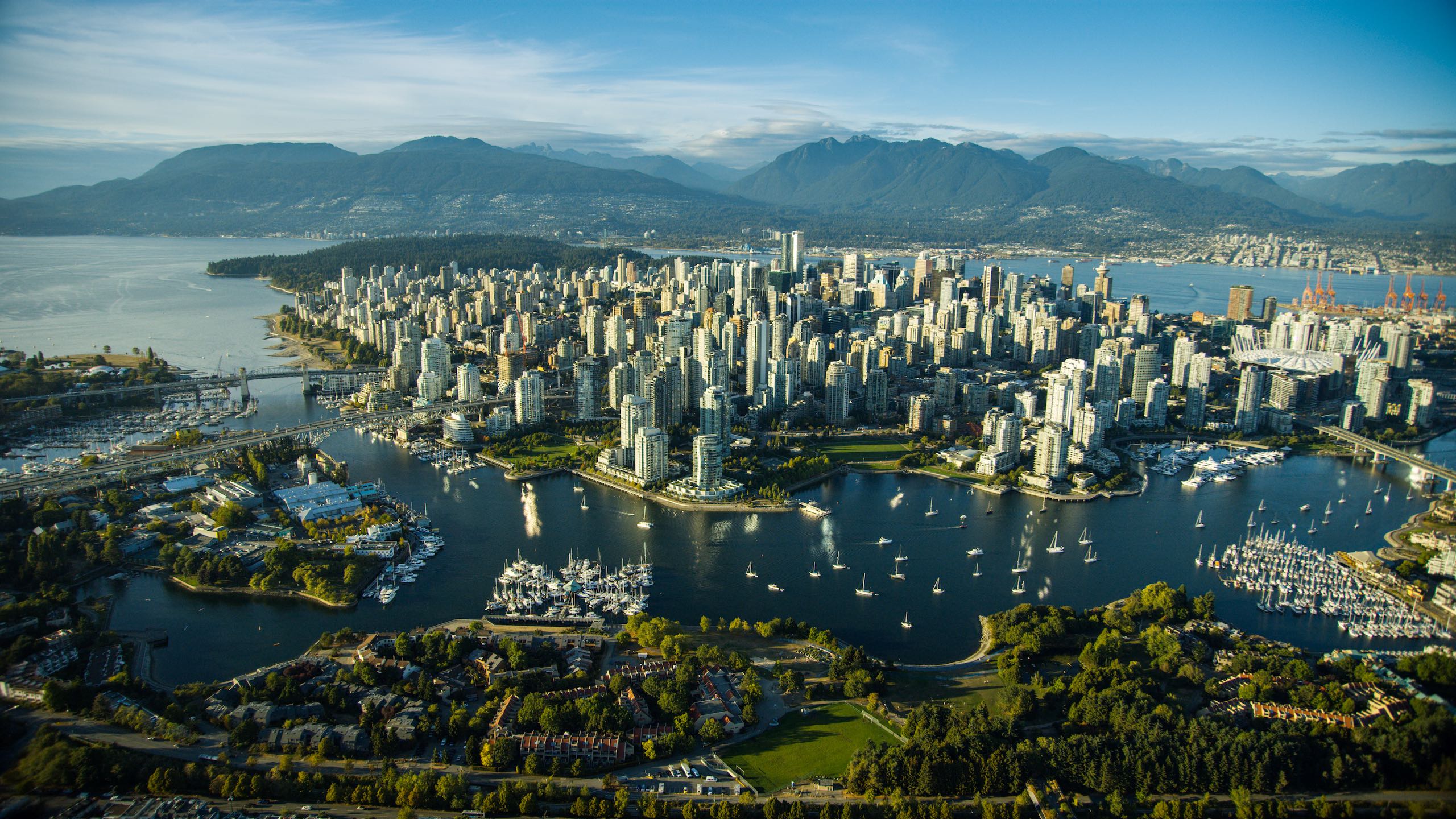



 Stanley Park | Tourism Vancouver/Albert Normandin
Stanley Park | Tourism Vancouver/Albert Normandin
Stanley Park | Tourism Vancouver/Albert Normandin
A Cross-Border Culture Trip
Written by: Lisa Kadane | October 26, 2024
From poutine to pickleball, it’s the delightful differences that make a double-destination vacation to British Columbia and Washington so rewarding.
Leisurely walks through cedar forests, followed by ocean views and craft brews, marked a recent road trip to Vancouver and Seattle. Between adventures and après-hike beers, I found time for culture, too—in Vancouver, I browsed eclectic boutiques on Main Street and caffeinated with a latte from Foglifter Coffee Roasters; in Seattle, I admired art at Olympic Sculpture Park before watching the entertaining “fish throw” at Pike Place Market, just up the street from the OG Starbucks.
As someone who grew up in the U.S. but now lives in British Columbia—and with friends and family in both cities—what always strikes me are the similarities between my home province and Washington State: the scenery, obsession with outdoor pursuits, love of brews both bean and barley, and all-around relaxed vibe. But it’s the quirks and contrasts between the two countries that make a double-destination trip so rewarding—how Seattle Sounders’ soccer fandom is replaced by hockey mania in Vancouver (Canada’s “beautiful game,” on ice), how a fat stack of U.S. dollar bills turns into a heavy handful of gold coins in Canada, or how Americans’ agreeable “right?” comes out as “eh?” north of the border.
For travellers planning a border-hopping holiday by train, ferry, or car, here are some delightful differences to note.
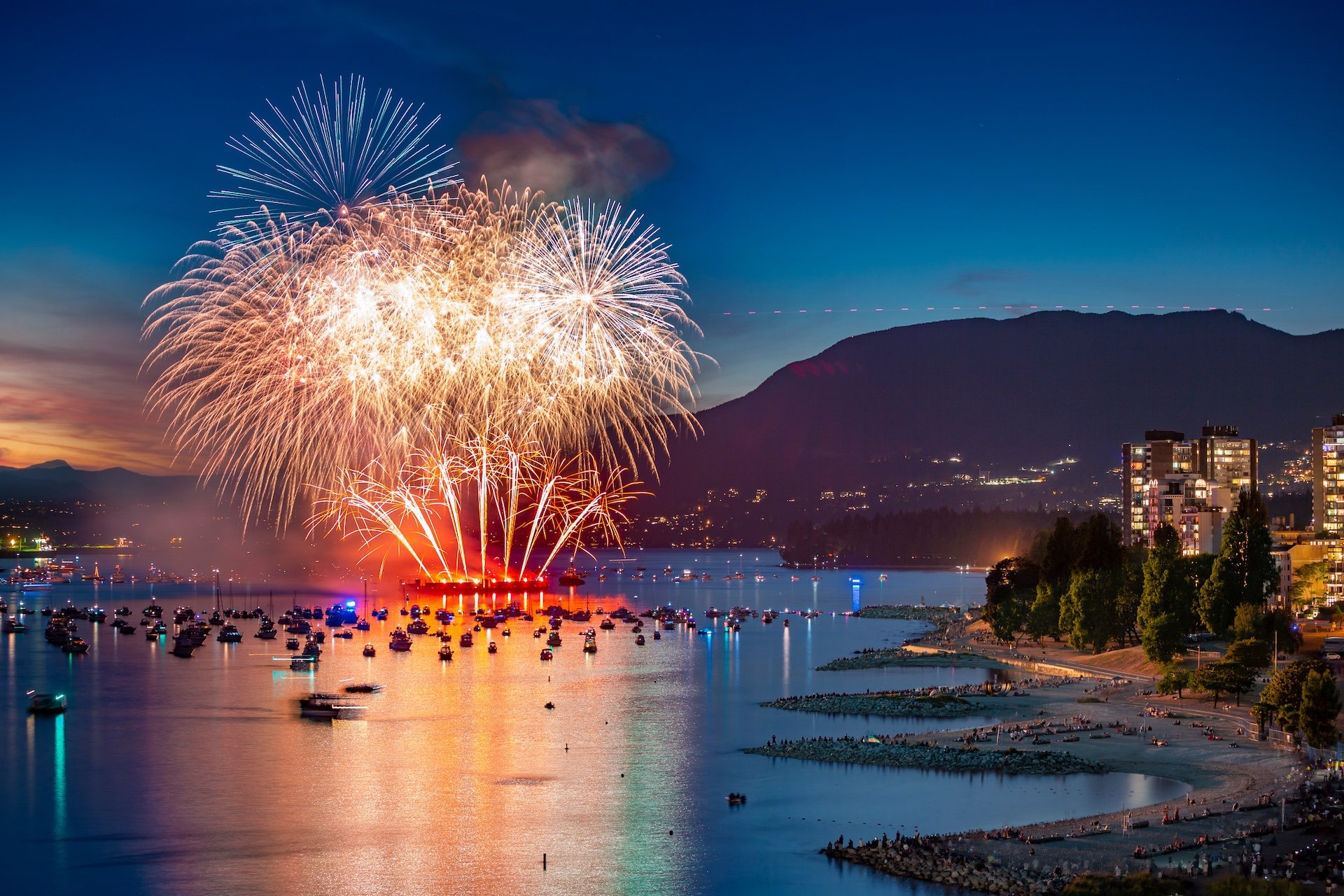
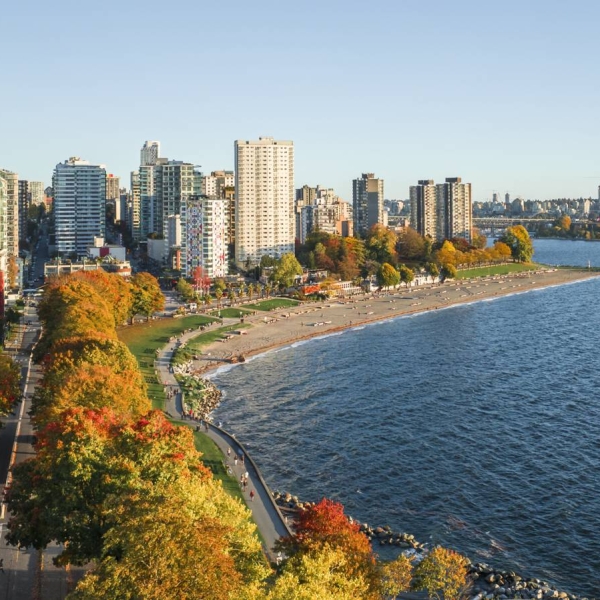 English Bay in Vancouver | Jon Ross Films
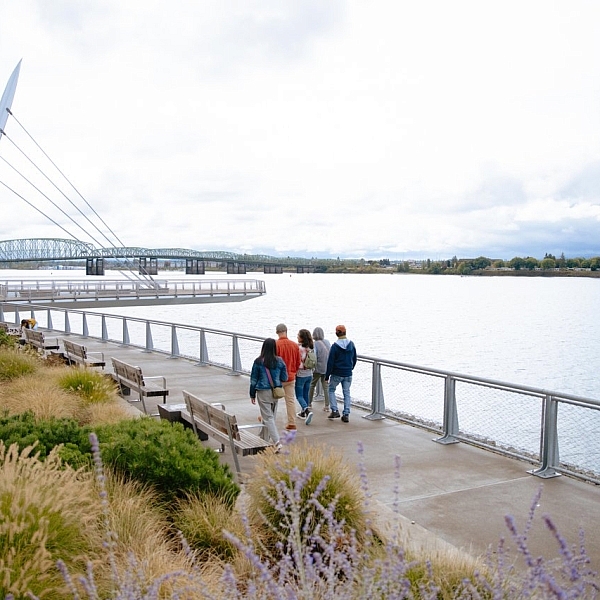 Grant Street Pier, Vancouver, WA | Greg Balkin / Courtesy of State of Washington Tourism
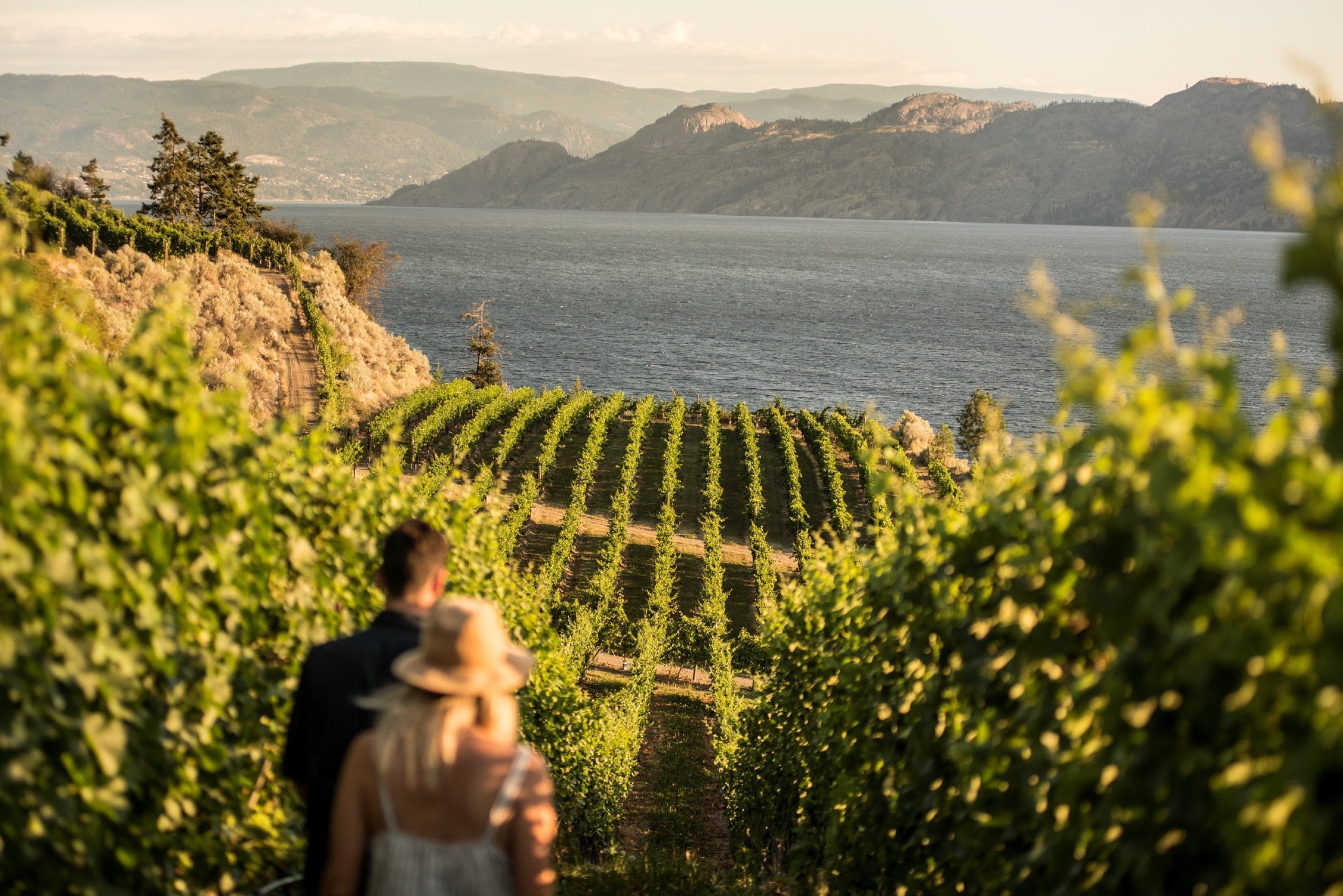
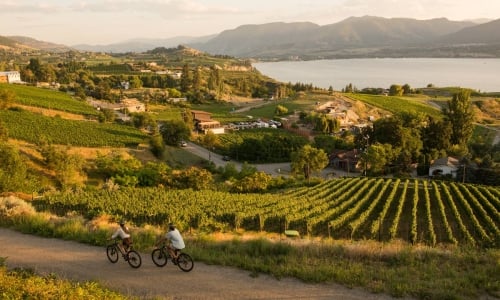
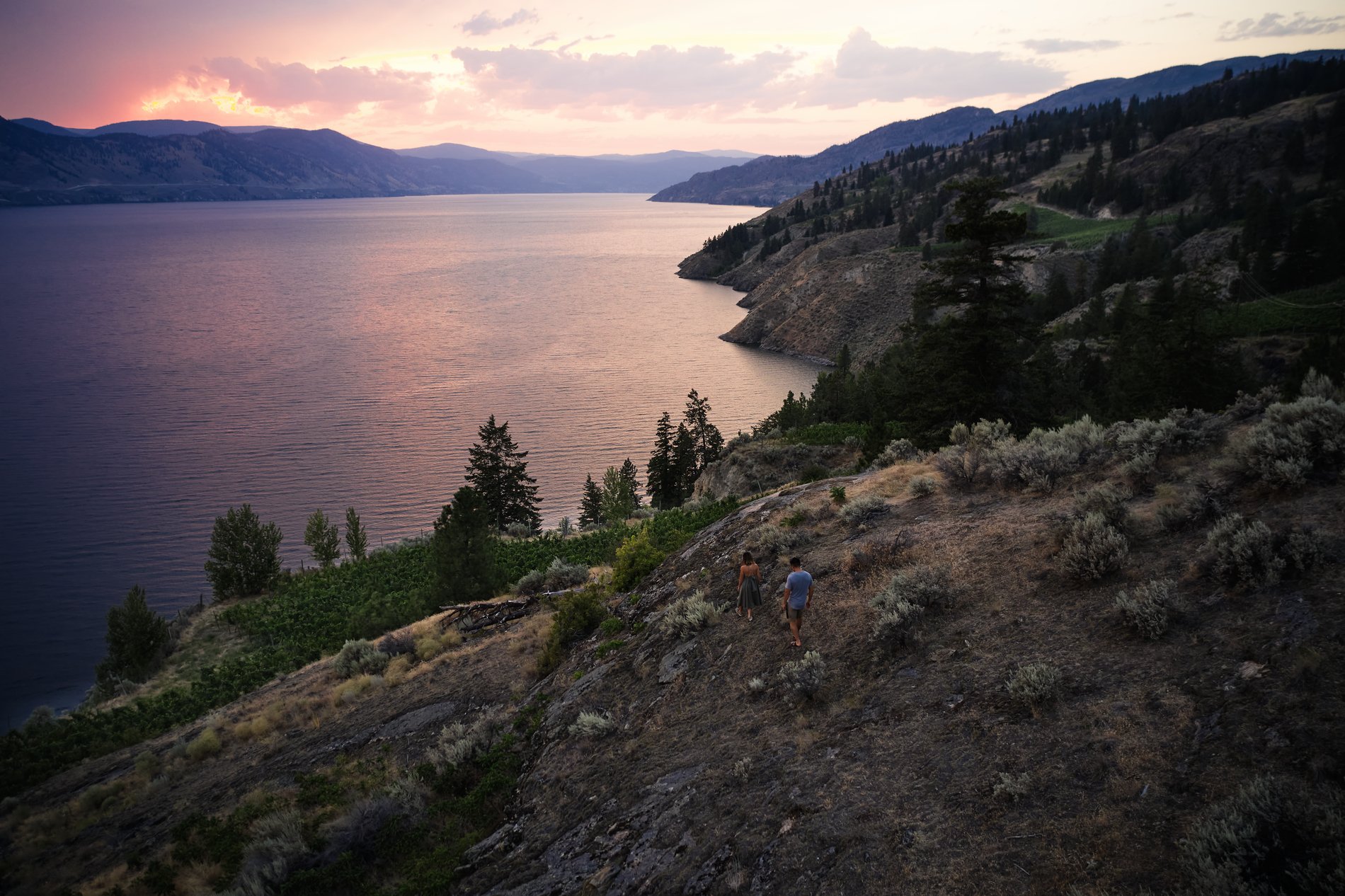
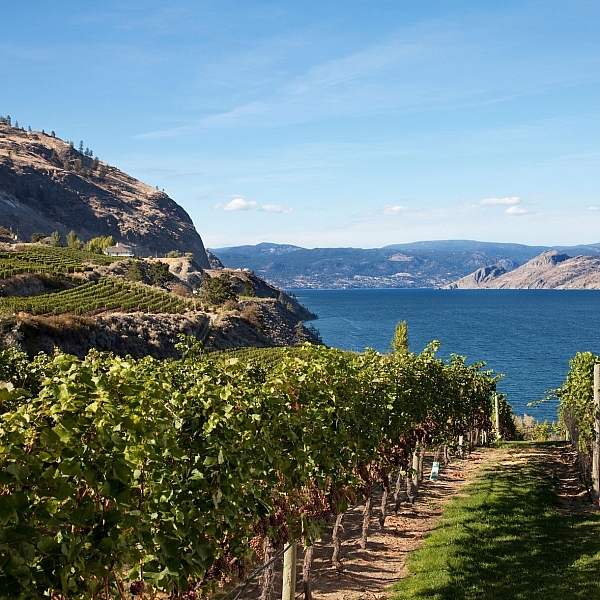 A view of Okanagan Lake from a vineyard in Summerland | Thompson Okanagan/Eric Simard
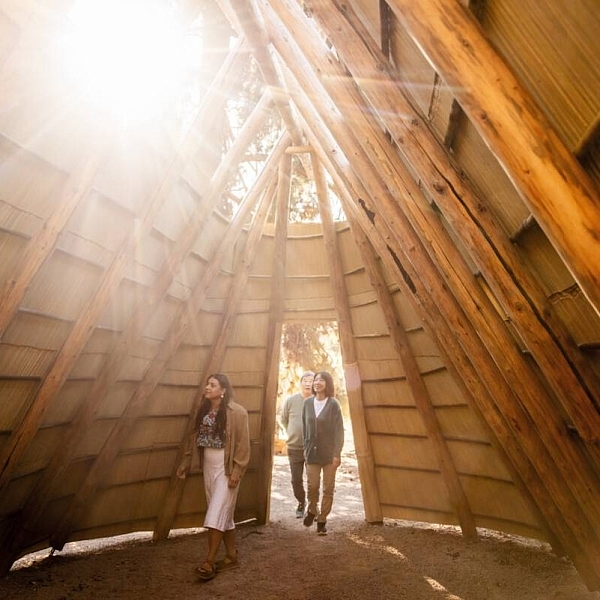 Nk'Mip Desert Cultural Centre in Osoyoos | Kari Medig
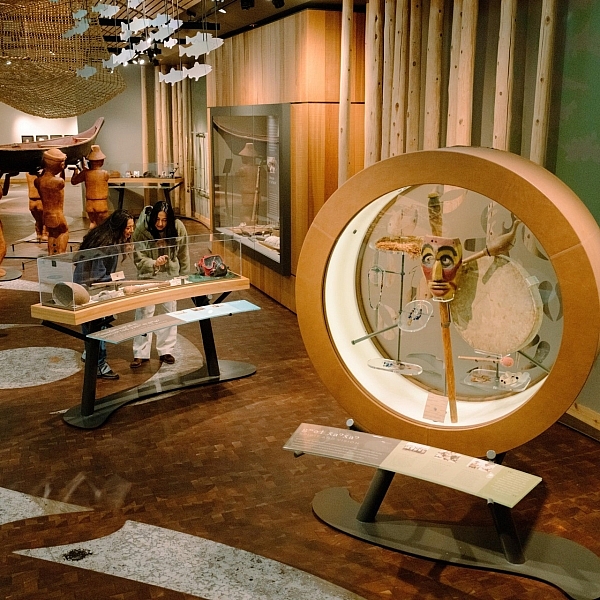 Suquamish Museum | Courtesy of State of Washington Tourism
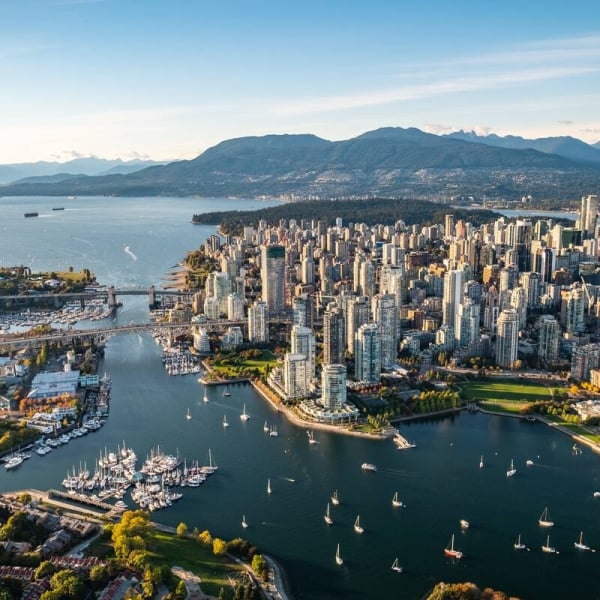 Vancouver | Albert Normandin
Same Same, But Different
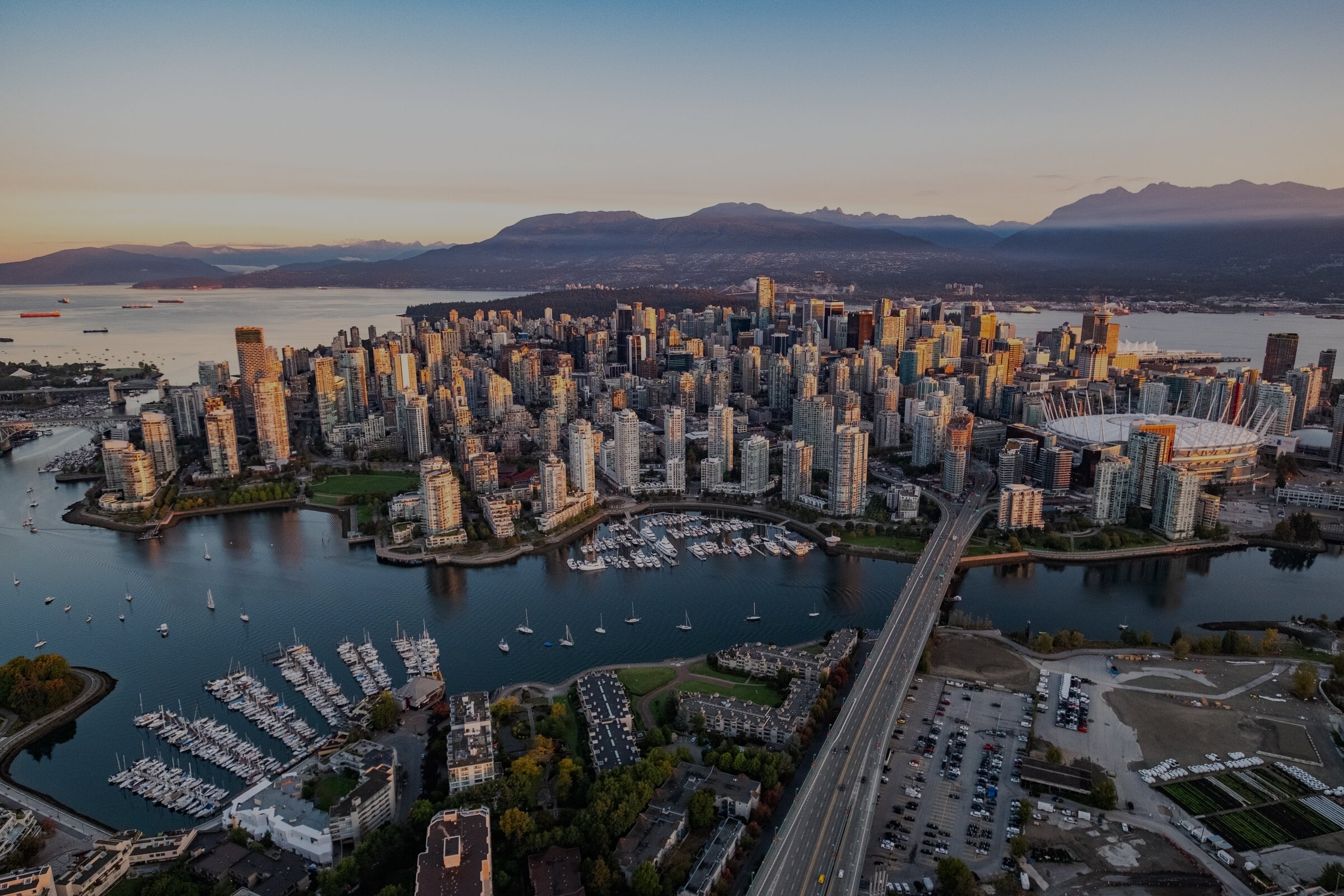
BC’s largest metropolis—Vancouver—has a stateside counterpart with the same name: Vancouver, Washington, an outdoorsy city on the Columbia River. Both are named after Captain George Vancouver, a British Royal Navy explorer whose Pacific Northwest meanderings knew no boundaries.
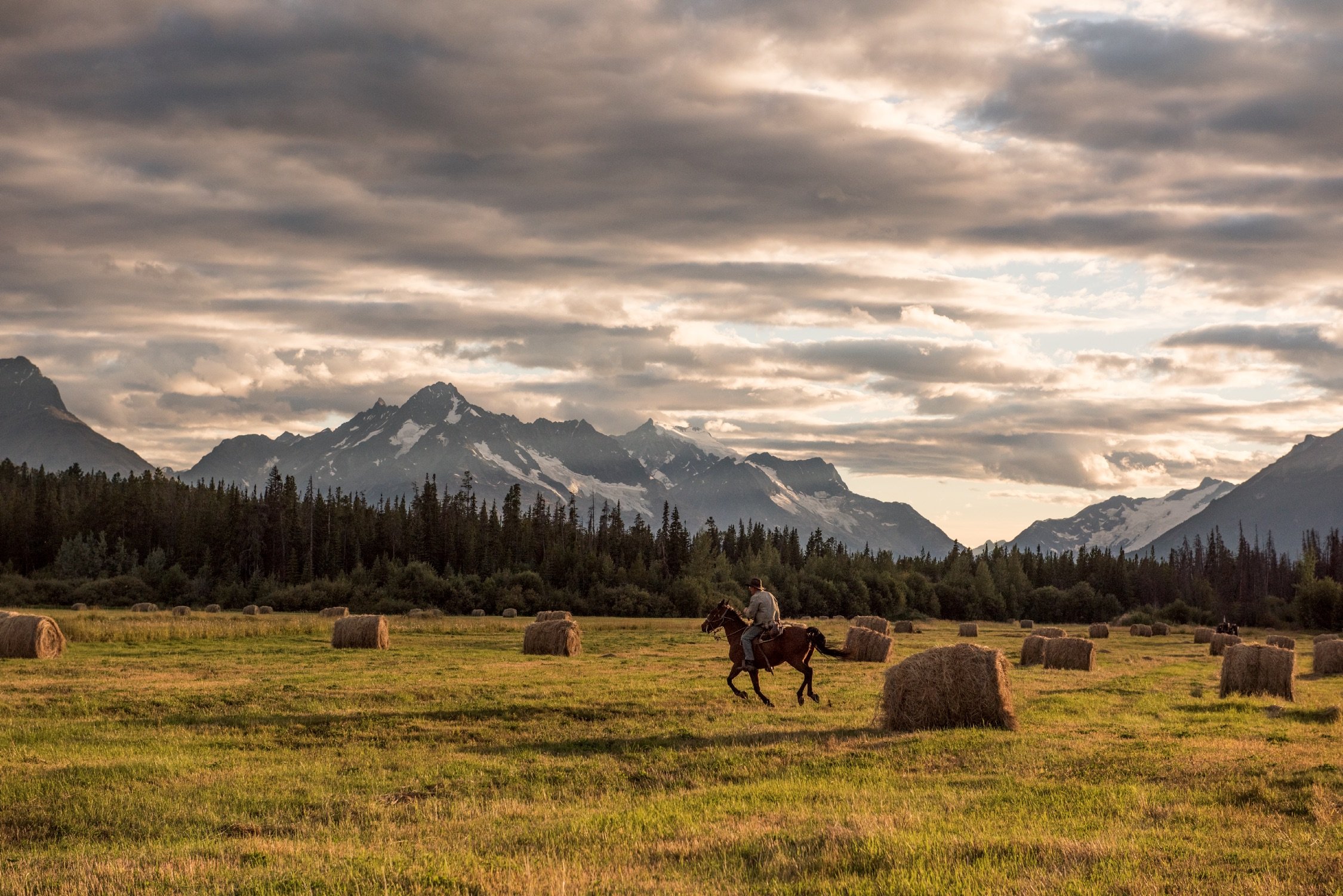
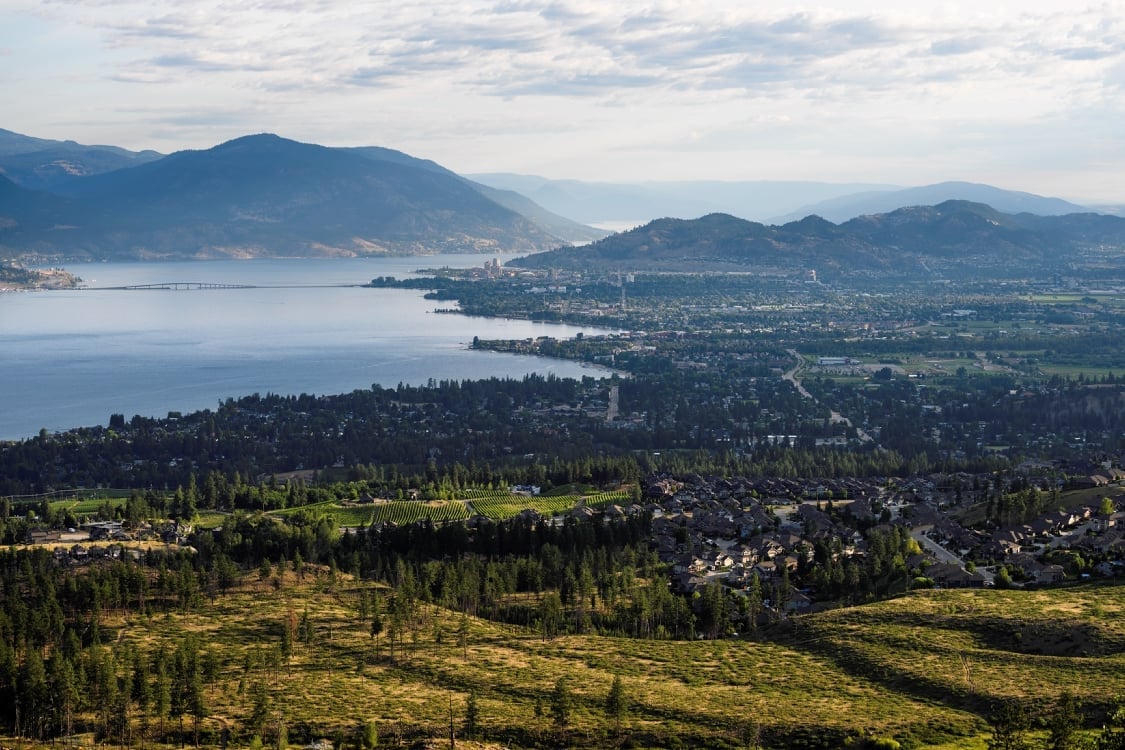
Likewise, BC and Washington State share a valley with a similar name. On the Canadian side, the Okanagan Valley is spelled with an “a,” while in Washington State it’s Okanogan with an “o.” Both are European spellings of an Indigenous word with multiple interpretations including “place of water” and “rendezvous.” Each meaning is fitting as, historically, Indigenous communities from both countries gathered annually at Osoyoos Lake, which spans the border, for fishing, trading, and ceremonial feasts called potlatches.
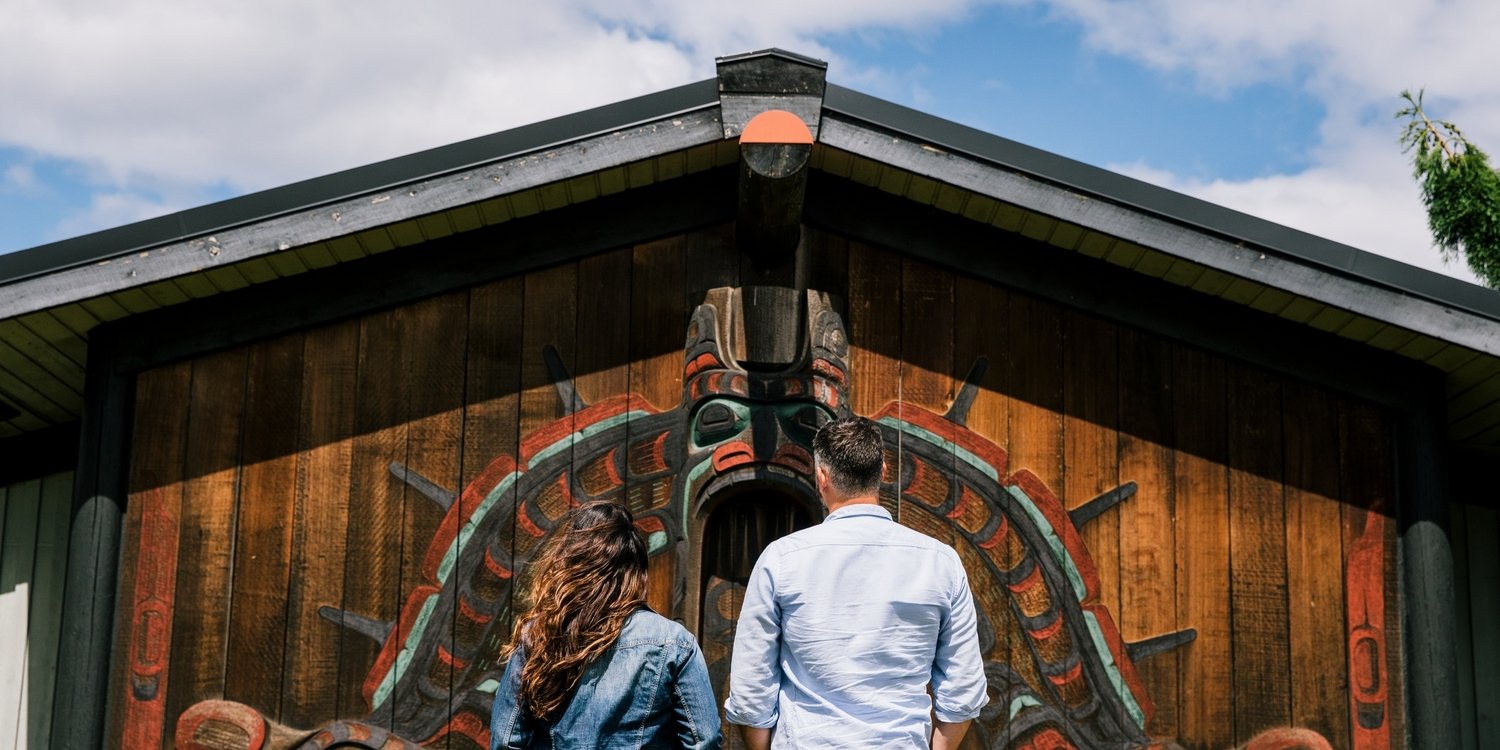
In fact, British Columbia and Washington are located on the ancestral lands of hundreds of Indigenous nations, each with their own languages, traditions, and stories. More than 200 First Nations weave a rich cultural tapestry in BC, connecting visitors to the land through Indigenous cuisine, cultural celebrations like powwows, and carving, weaving, and storytelling traditions. Washington State’s 29 federally recognized tribes also share their traditions through festivals, museums, art galleries, and cultural centres.
I’ll Never Forget “U”
As a writer, one of the hardest adjustments about living in Canada is remembering to add a “u” to words like colour and honour. The extra letter is a nod to the country’s British roots, and its prevalence on menus and billboards adds a bit of flavour to a meal or drive in BC. (For more fun, peruse grocery store aisles, where products list descriptions and ingredients in English and en Français, Canada’s official languages.)
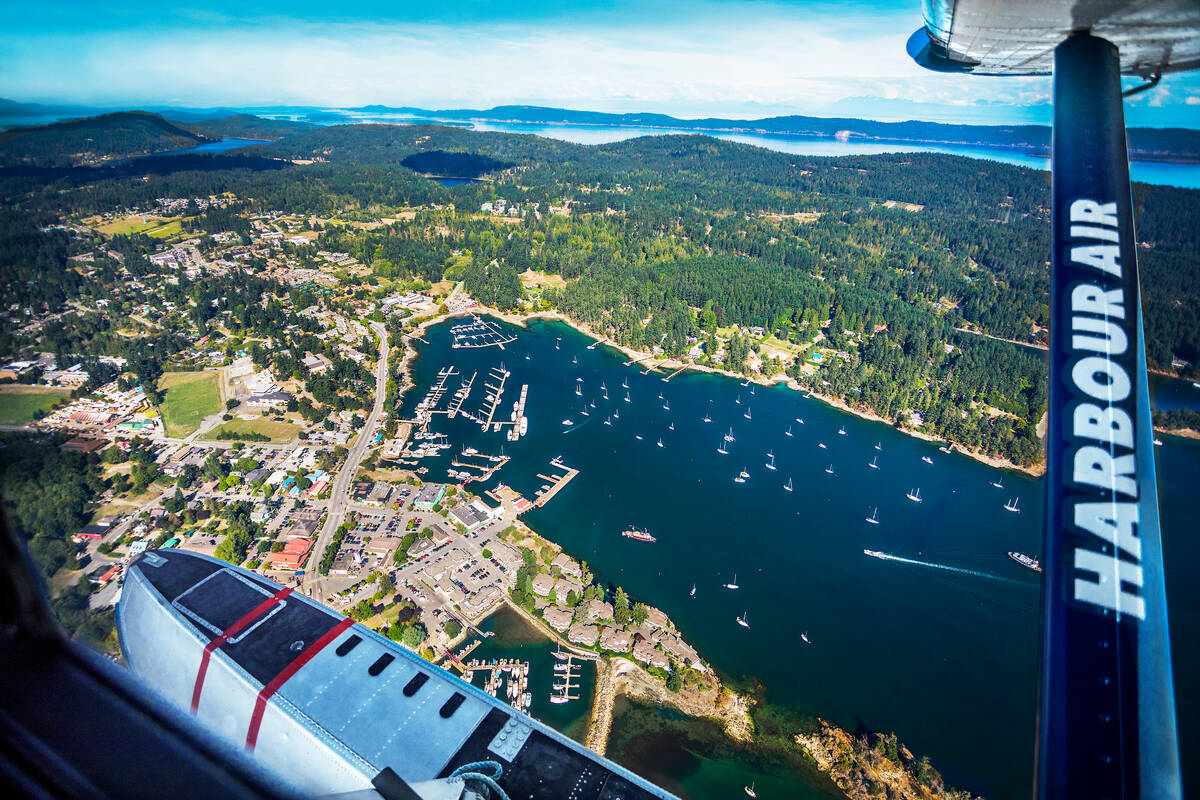 Ganges Harbour on Salt Spring Island | Harbour Air Seaplanes
Keeping it simple, America drops the letter from savour, favourite, valour, etc. Consider it a labour of love—axing the “u” was part of a push for a unique American identity, championed by lexicographer Noah Webster of dictionary fame in the early years of the new republic. He believed American English should reflect the country’s unique way of speaking—and spelling. (*Note: Great Britain’s double “ll” was another casualty—you’re a traveler in Washington, but a traveller in British Columbia.)
The Currency Difference is Loonie
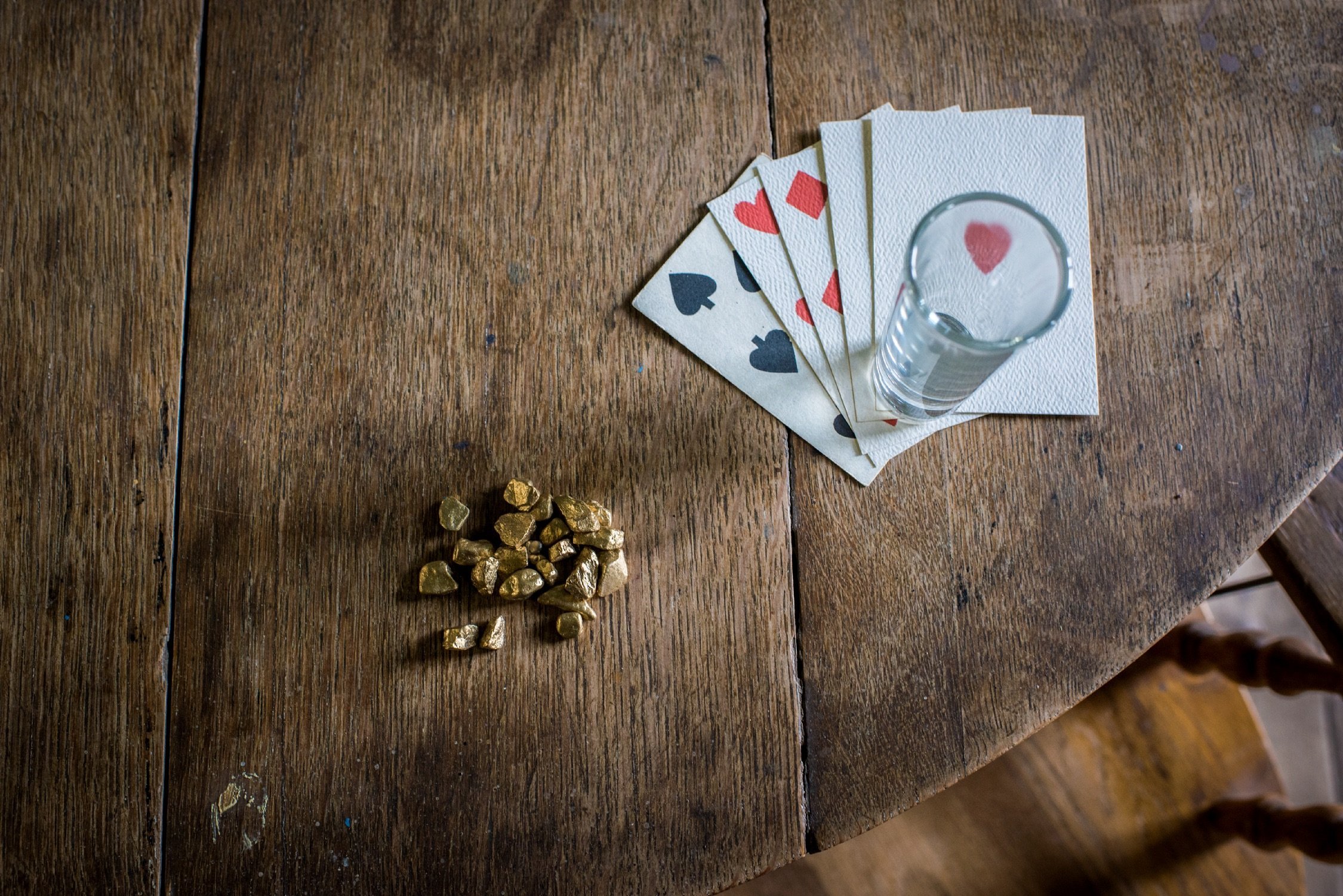
Where the U.S. has dispensed with the “u”, Canada has gotten rid of the dollar bill. In its place we have the loonie, a gold-coloured coin featuring a loon, a bird that symbolizes northern wilderness. Canada phased out the dollar bill in 1989, betting that wide circulation of coins (rather than paper bills) would be more practical and cost effective. The two dollar bill soon followed, replaced by a $2 coin called a toonie that features a polar bear. The U.S. has large silver or gold dollar coins, but they’re not widely circulated.
While Canadian bills are colourful—red 50s, green 20s, purple 10s, and blue 5s—bills in the U.S. are predominantly green. No matter. In our modern, virtually cashless societies, travellers are more likely to use their phones to pay for purchases.
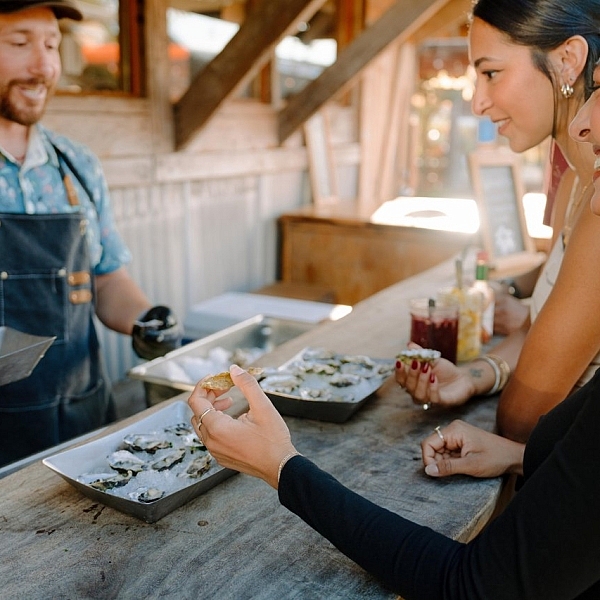 Moonlight Oyster Bar at Finnriver Farm & Cidery | Greg Balkin / Courtesy of State of Washington Tourism
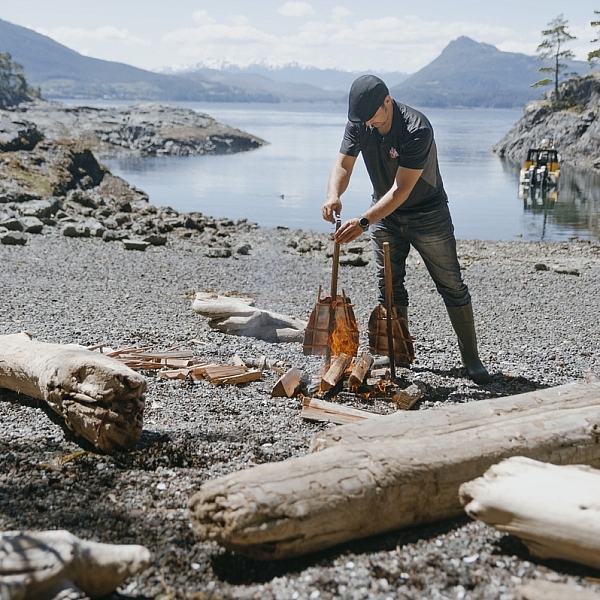 Port Hardy | Nathan Martin
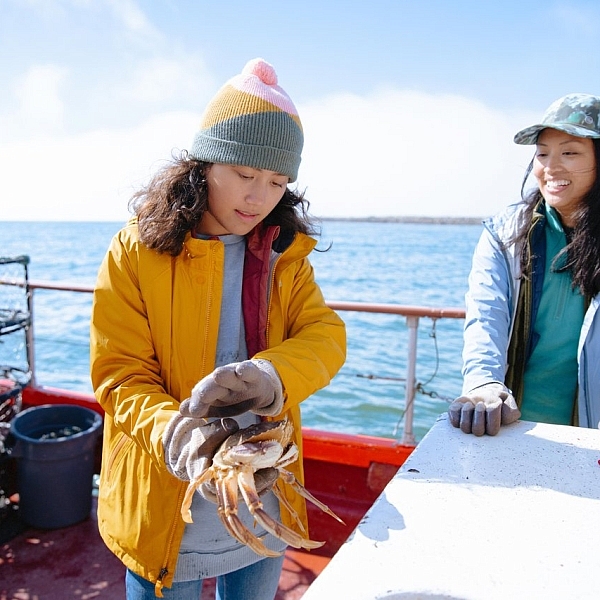 Ilwaco, Long Beach, Pacific County | Greg Balkin / Courtesy of State of Washington Tourism
Culinary Cousins
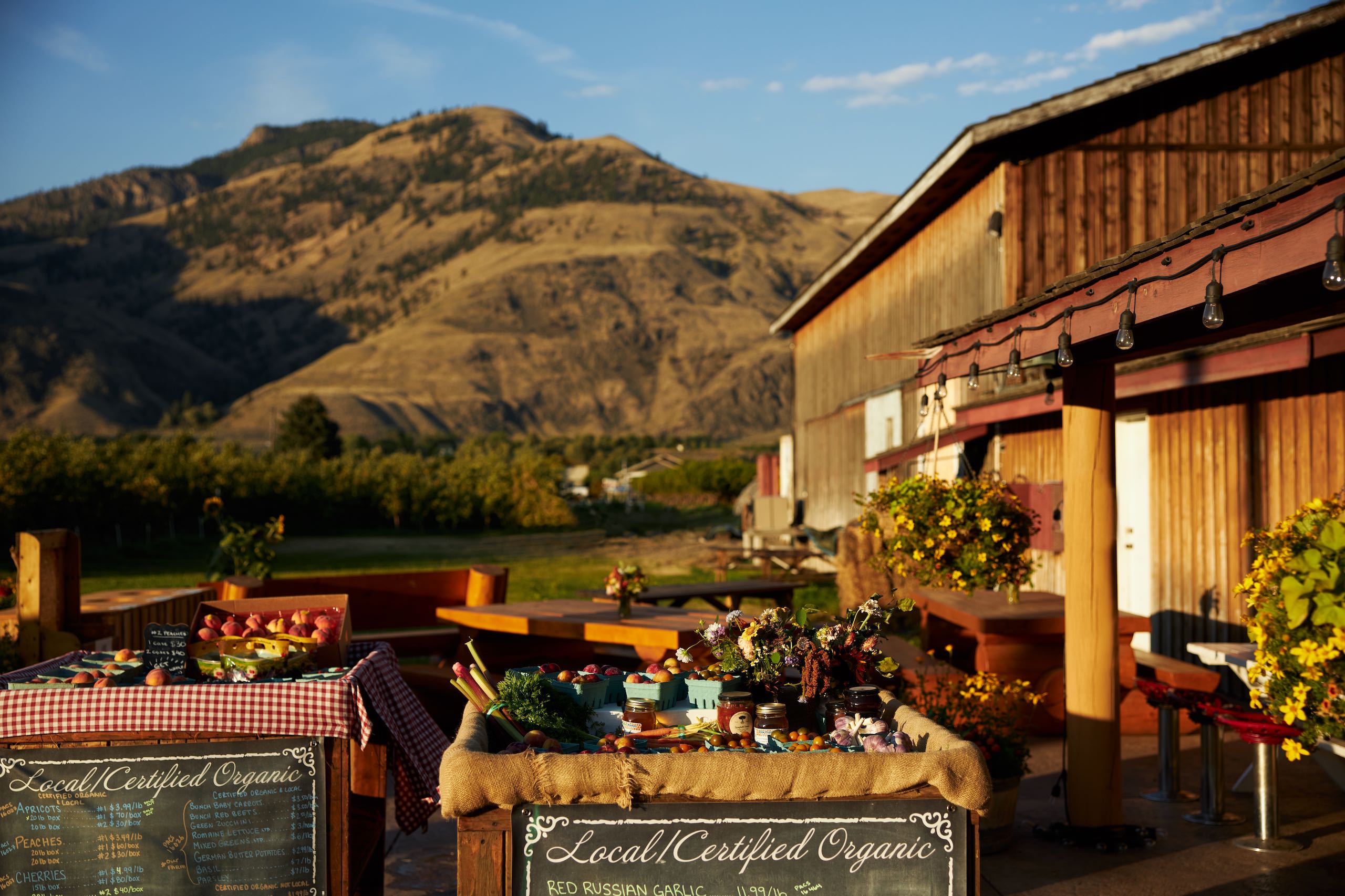
Because the landscapes are so similar, BC and Washington catch, grow, and harvest similar foods—fresh salmon and lingcod, sweet orchard cherries and peaches, and forest flavours like foraged mushrooms and tender fiddlehead ferns. We also share a craft beverage culture, whether we’re sessioning IPAs at a craft brewery, contemplating latte art at a local coffee roaster, or sipping terroir-driven whites, rosés, and reds at a boutique winery.
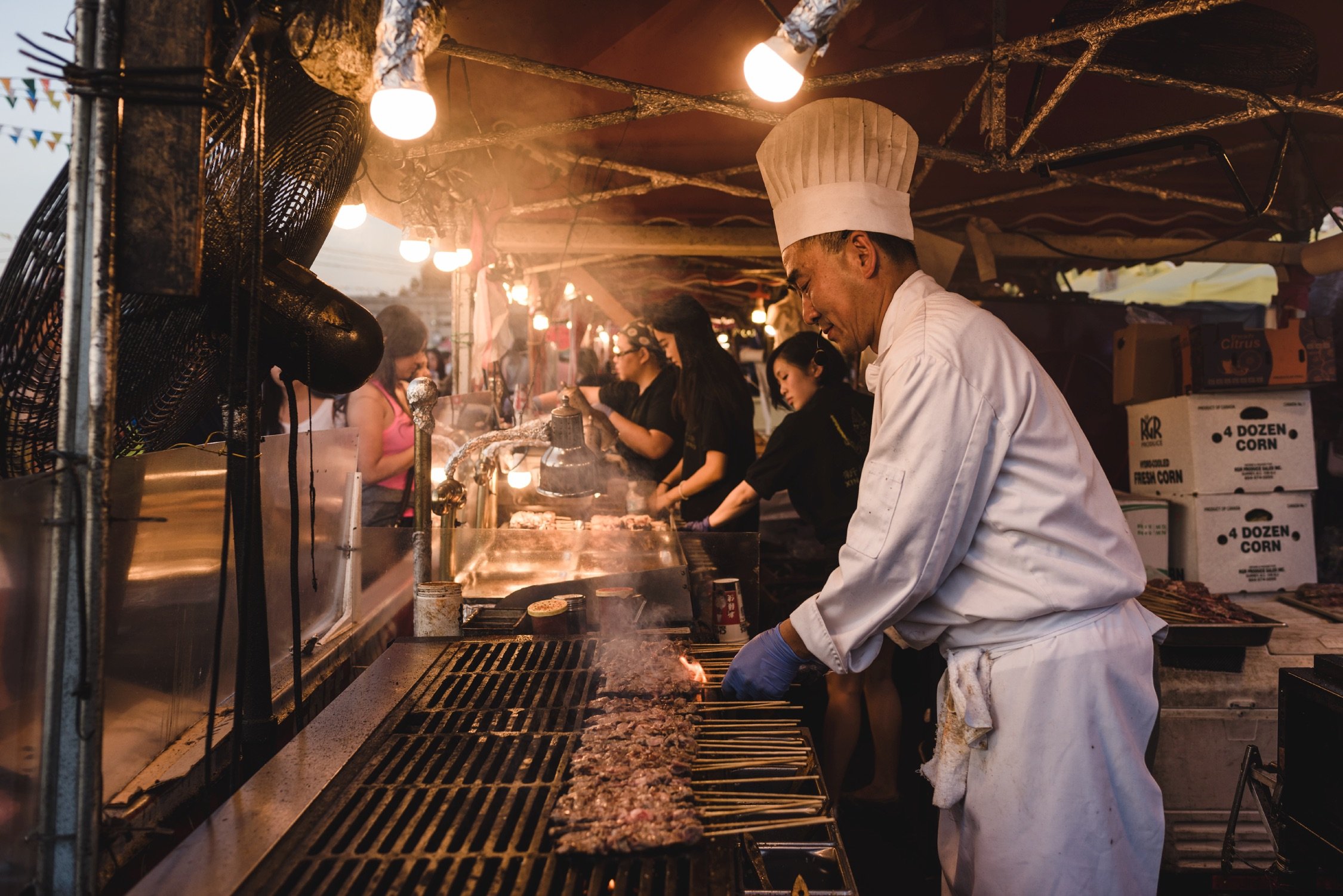
But we put our stamp on these indulgences. BC is so crazy for spot prawns there’s a festival celebrating these large crustaceans every May, while Washington goes all in on oysters and Dungeness crab. And while Seattle arguably created coffee culture and its jargon of styles and sizes (hello, Starbucks grande latte with oat milk), Vancouver answers back with JJ Bean, a fourth-generation, city-wide coffee chain that roasts its own beans.
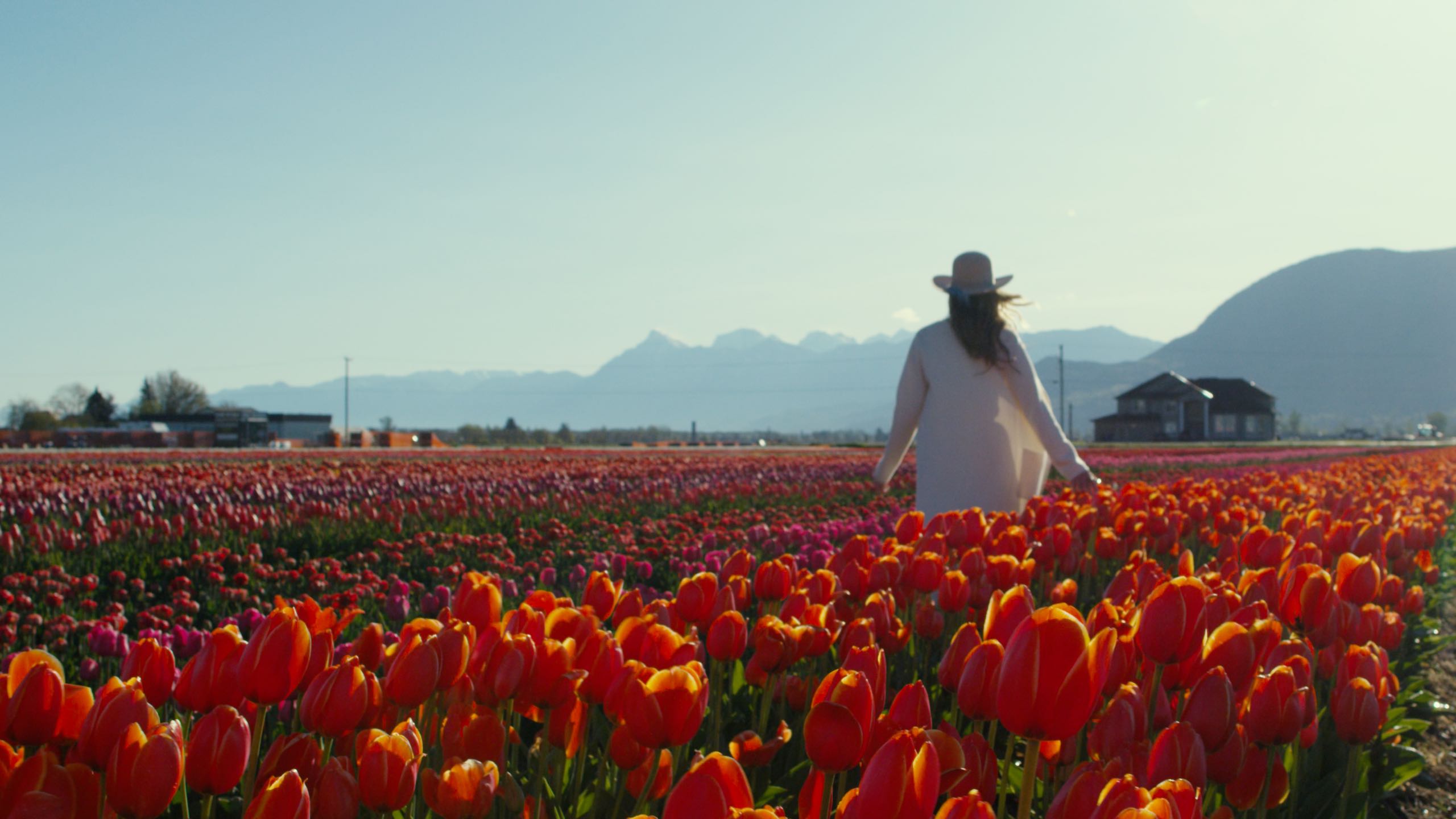
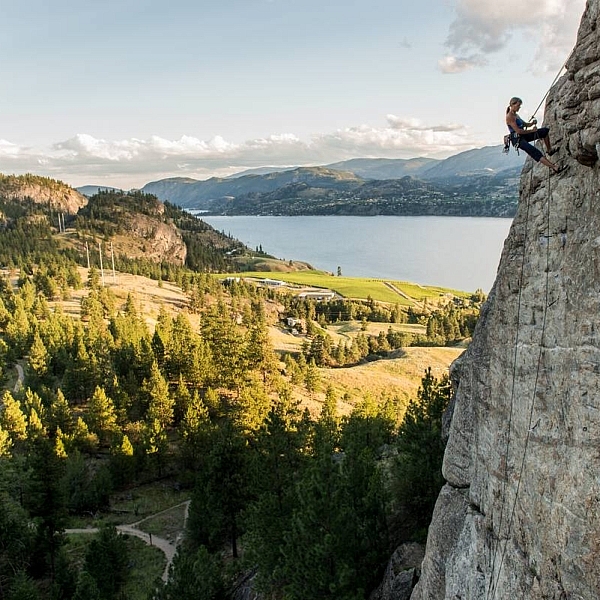 Penticton | Kari Medig
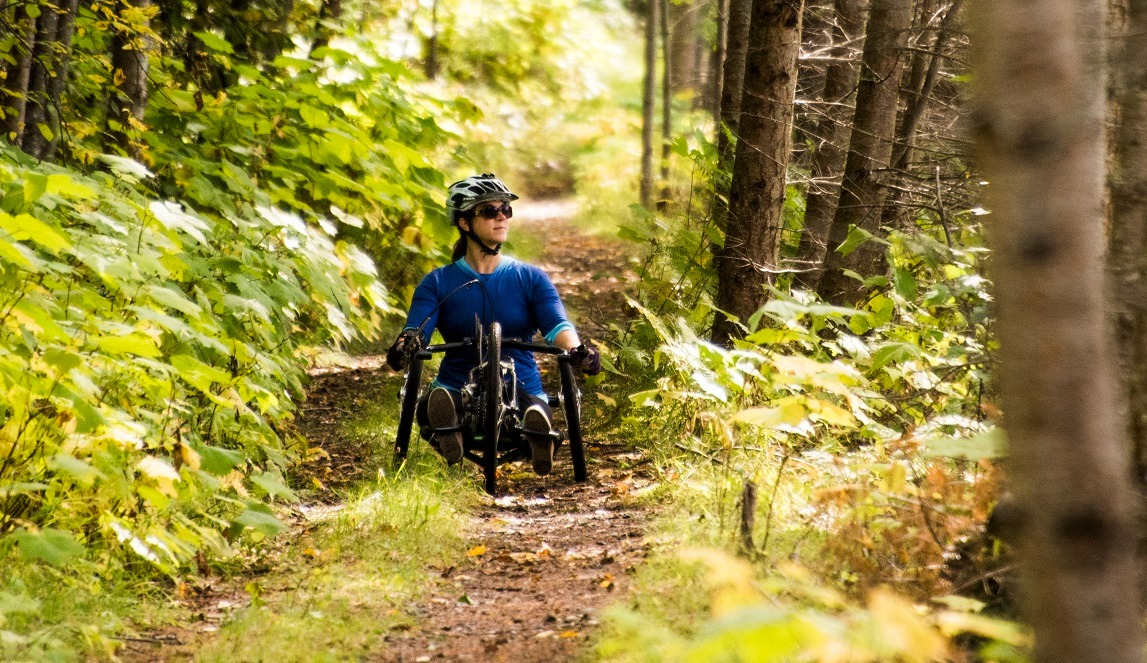
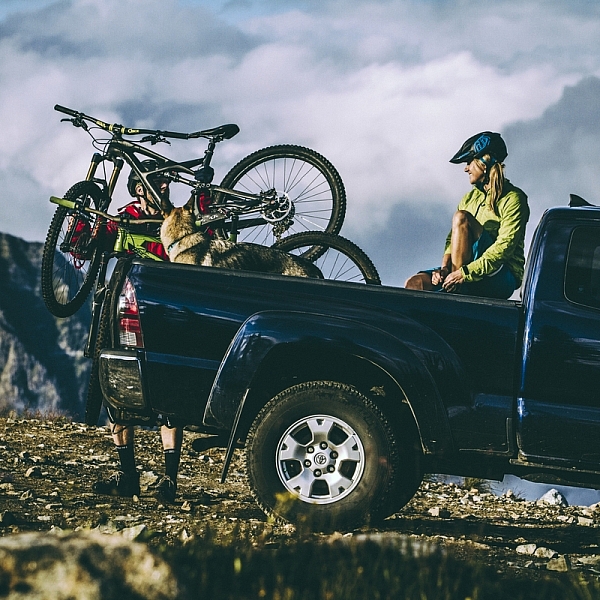 Mountain biking on the Monashee Mountains | Ryan Creary
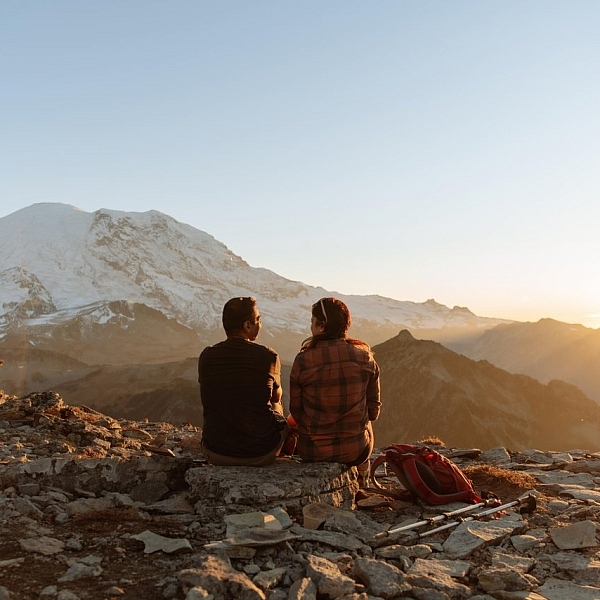 Mount Fremont Lookout Trail, Mount Rainier National Park | Greg Balkin / Courtesy of State of Washington Tourism
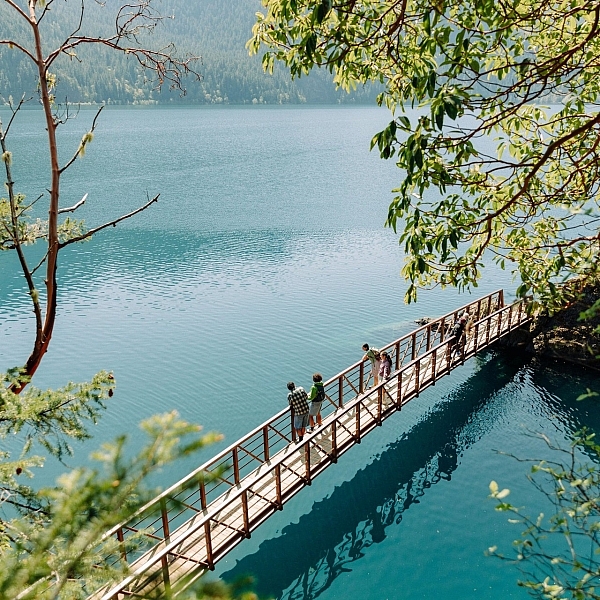 Olympic National Park | State of Washington Tourism
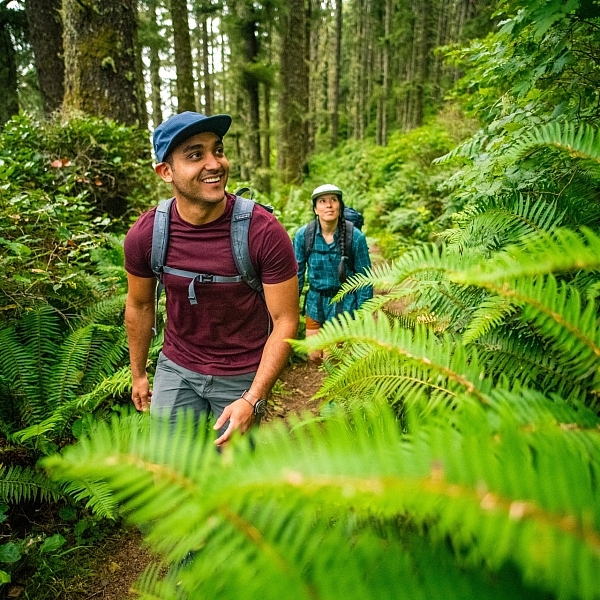 Olympic National Park | State of Washington Tourism
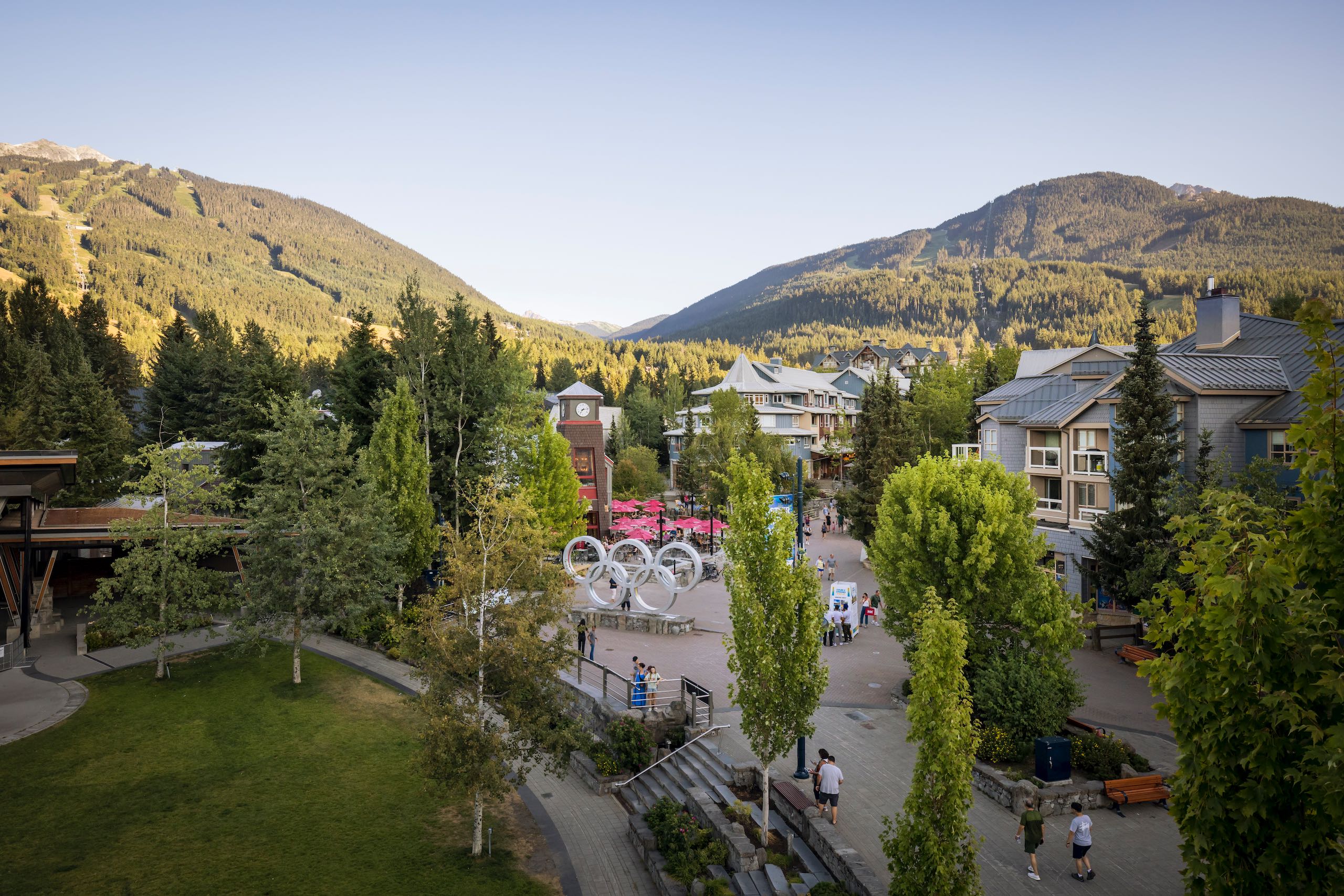
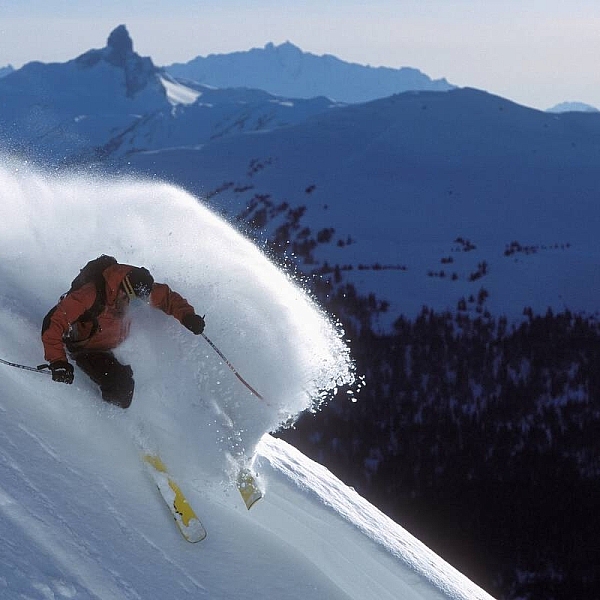 Whistler Blackcomb | Randy Lincks
Love of the Outdoors
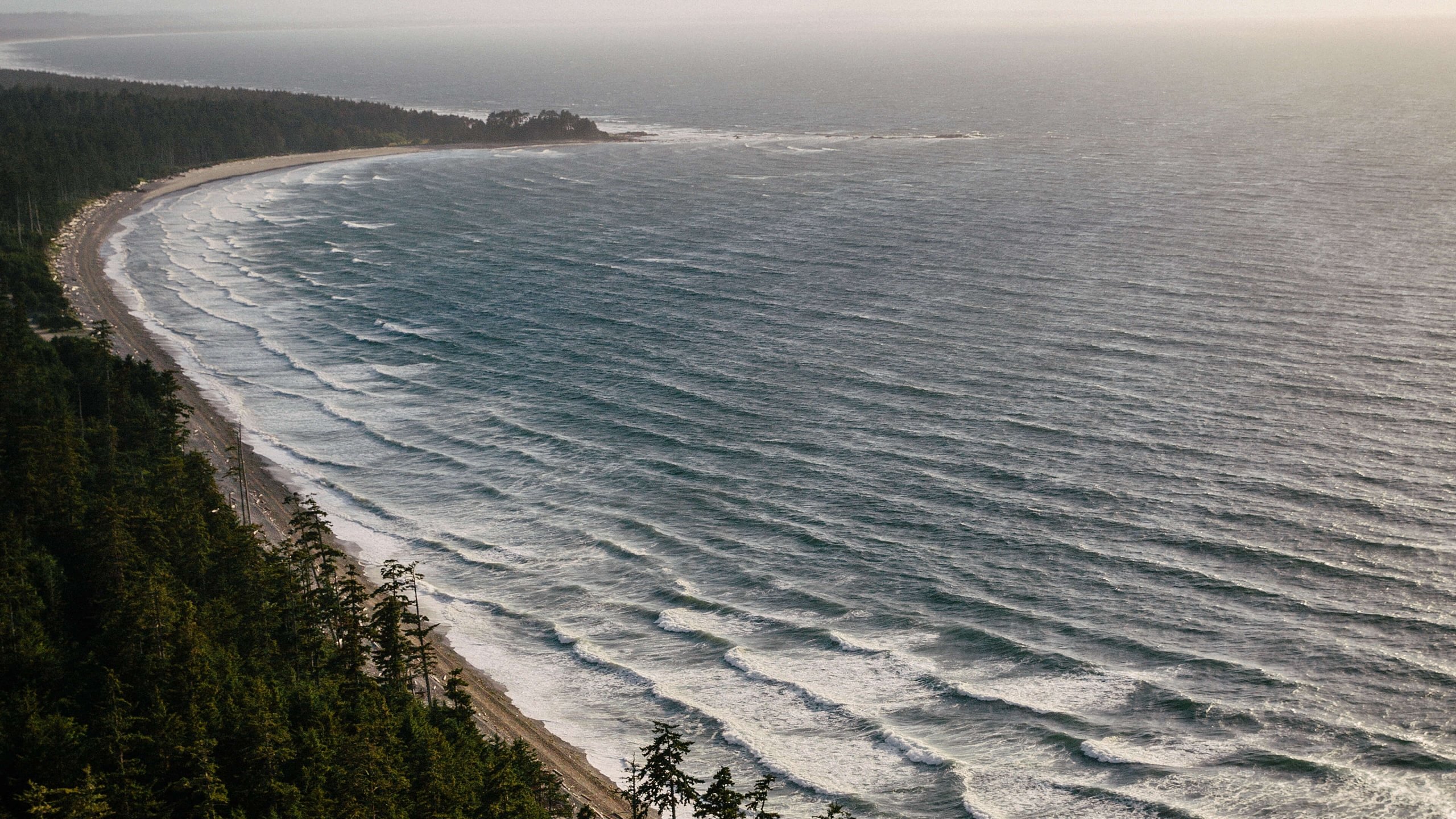
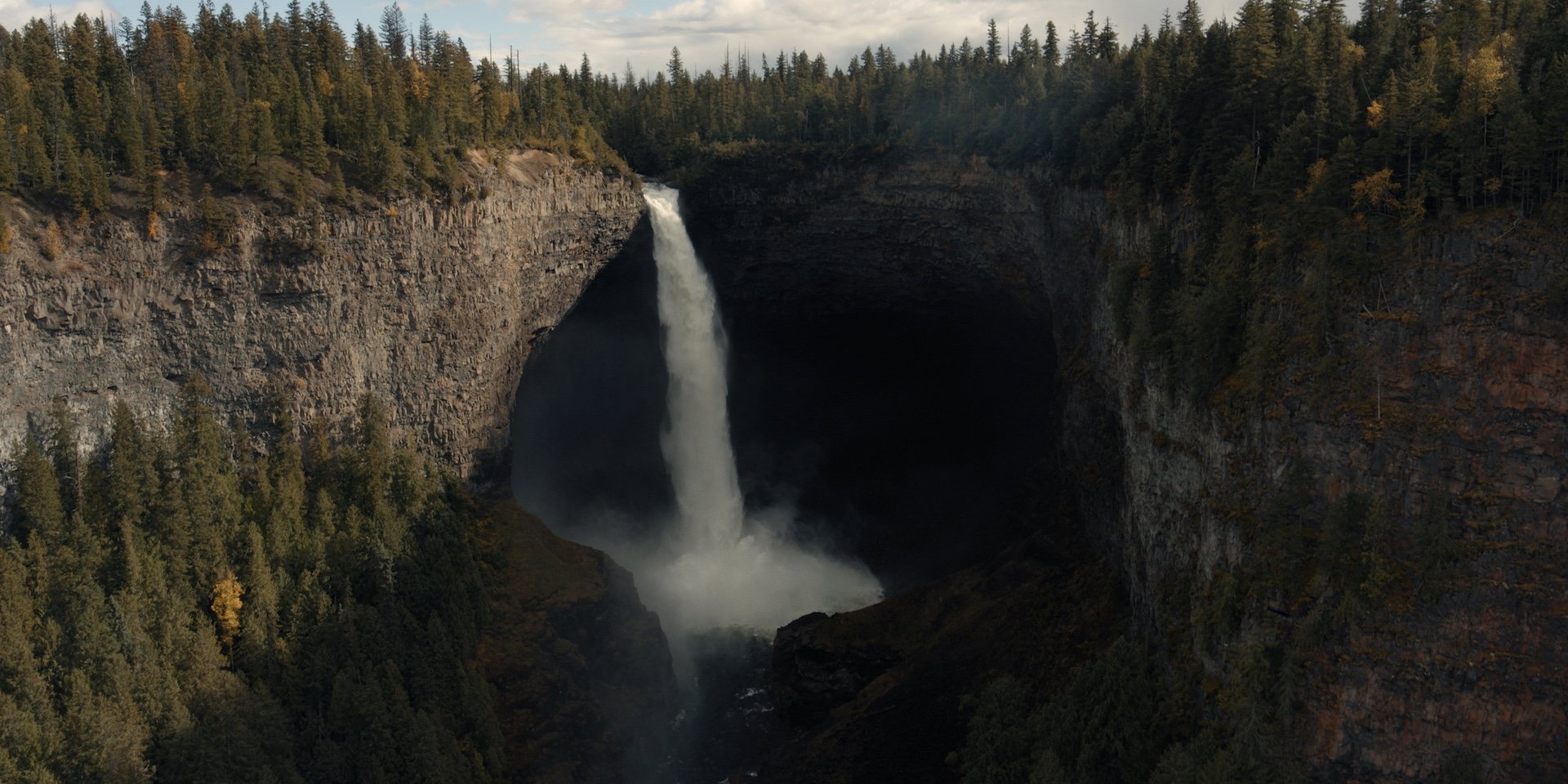
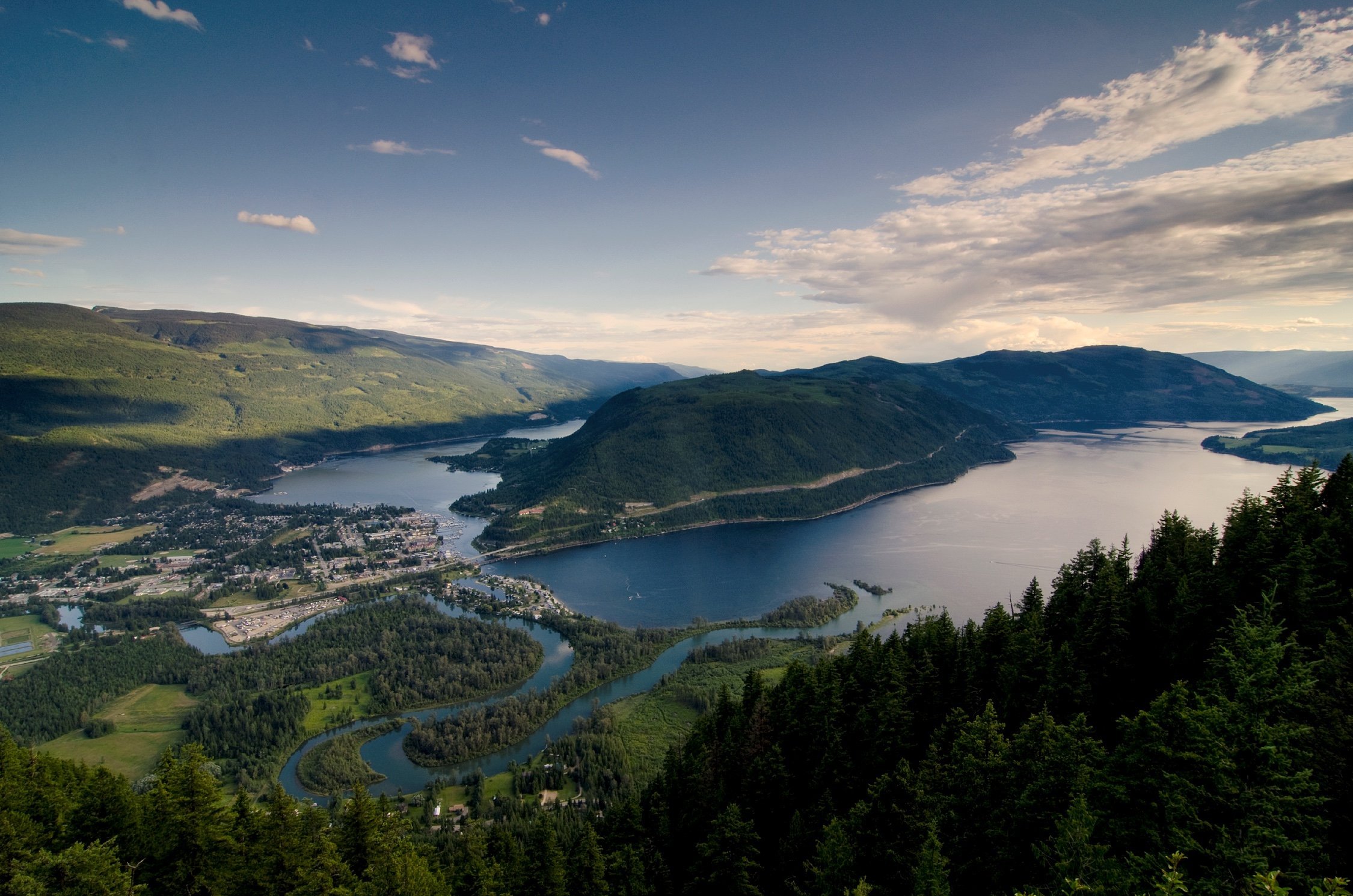
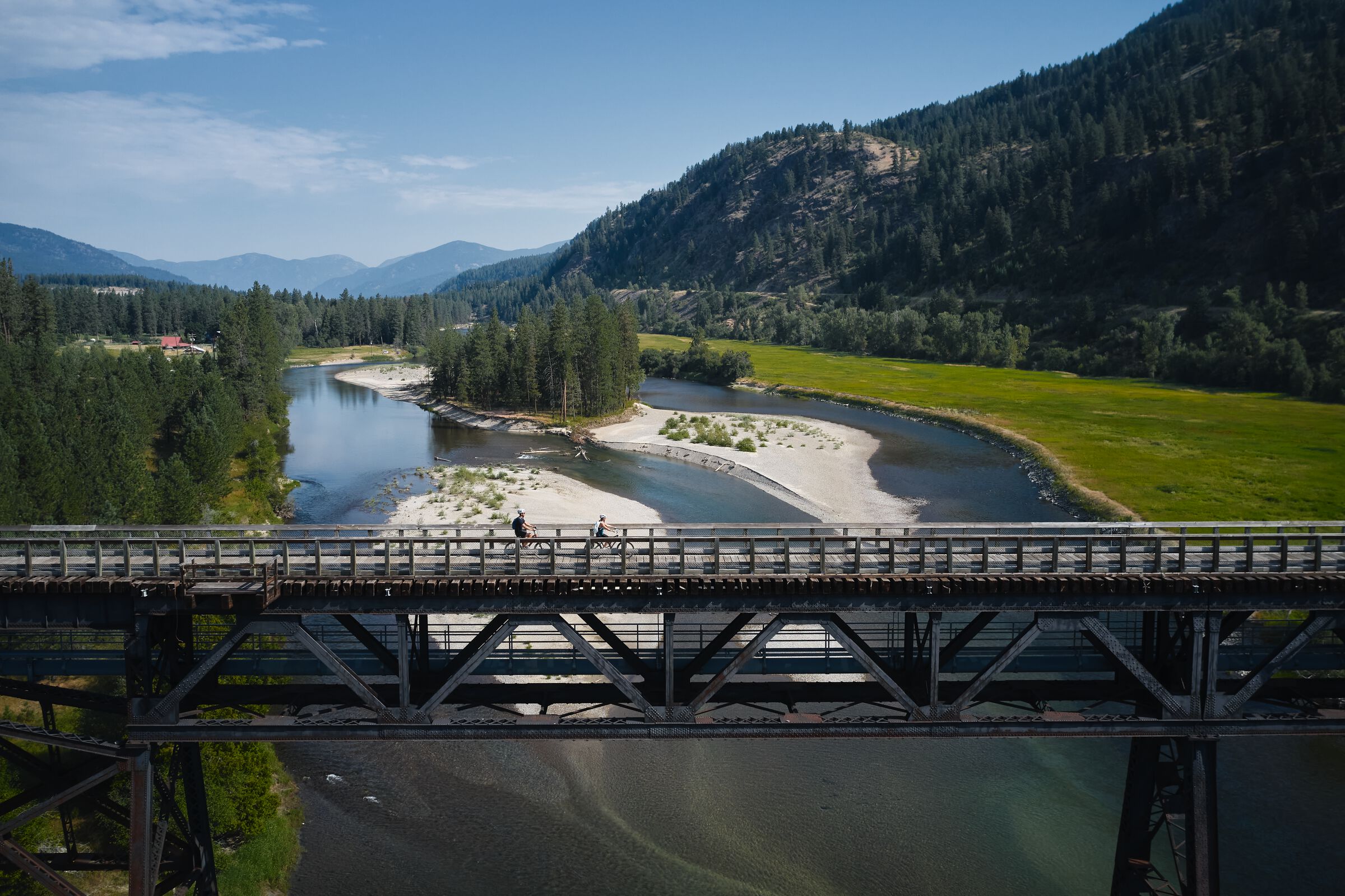
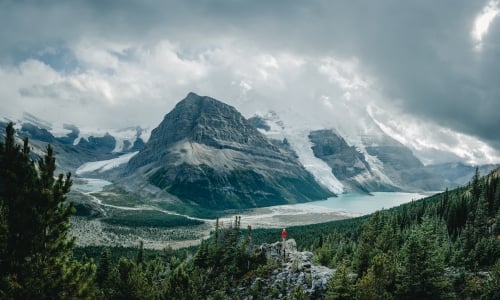
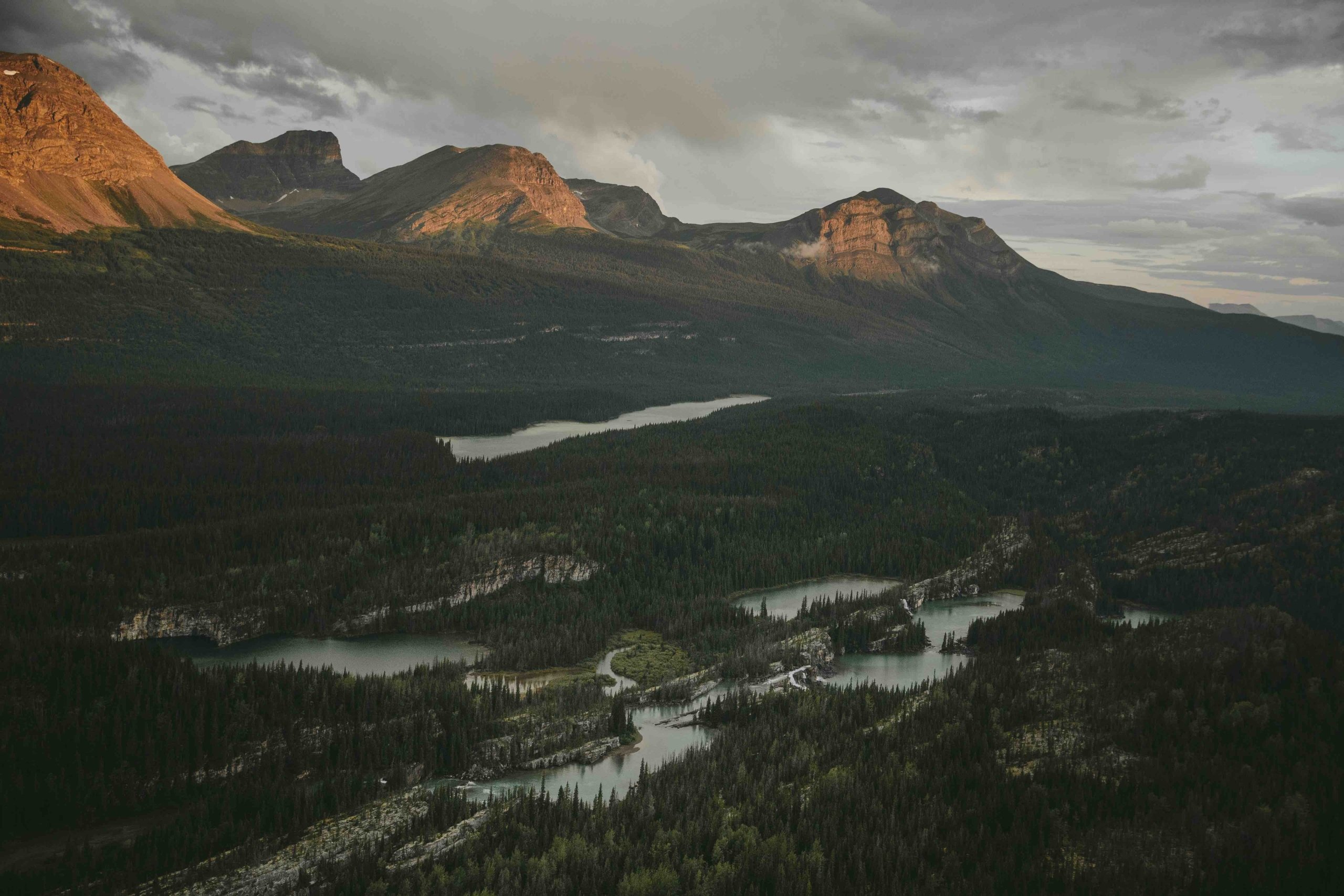
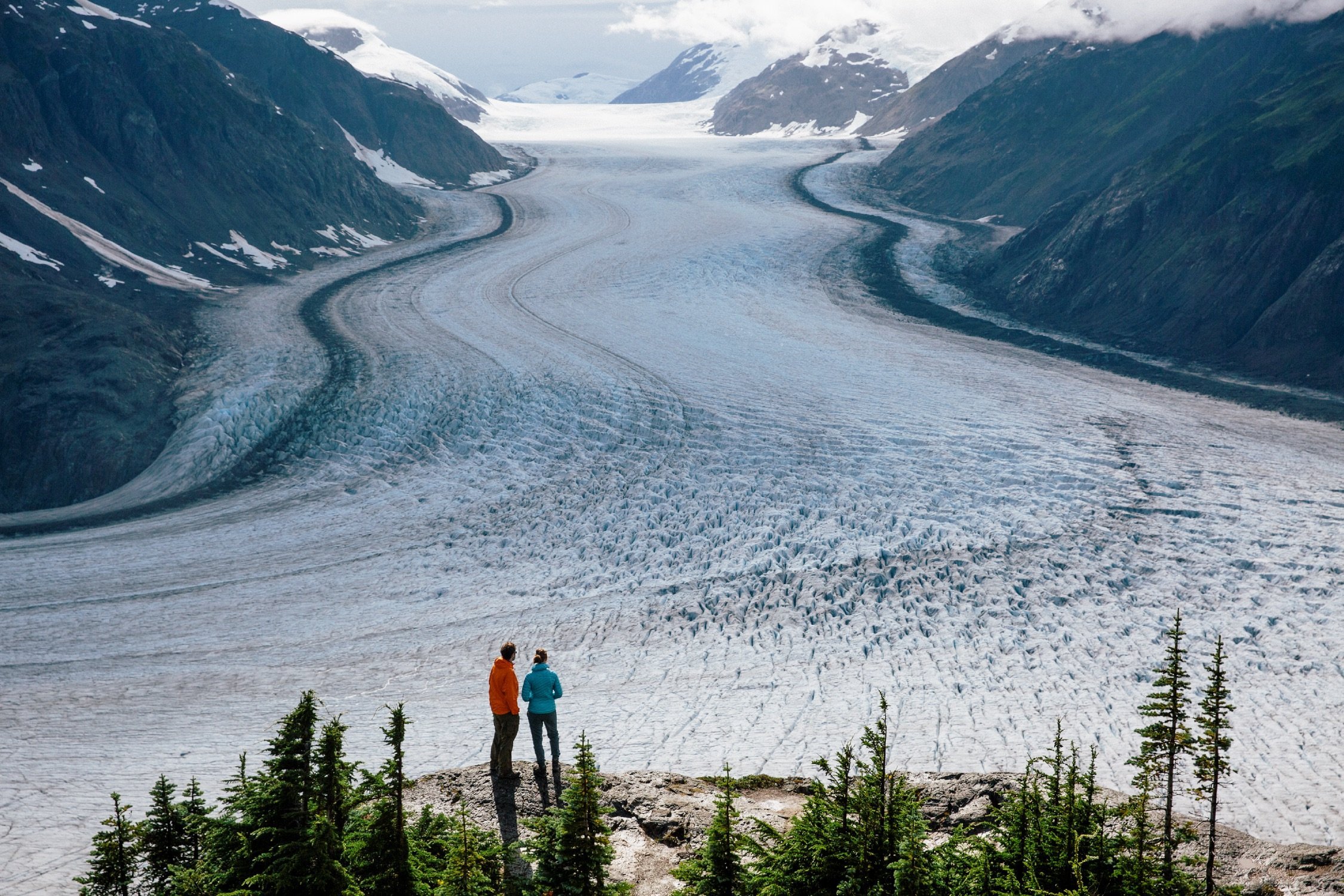
Edged by the ocean, surrounded by dramatic mountainscapes (including active volcanoes), and awash in the misty calm of coastal rainforest, the Pacific Northwest connects residents and travellers to nature. In addition to dozens of provincial and state parks, BC and Washington are home to a combined 10 national parks (seven in BC and three in Washington).
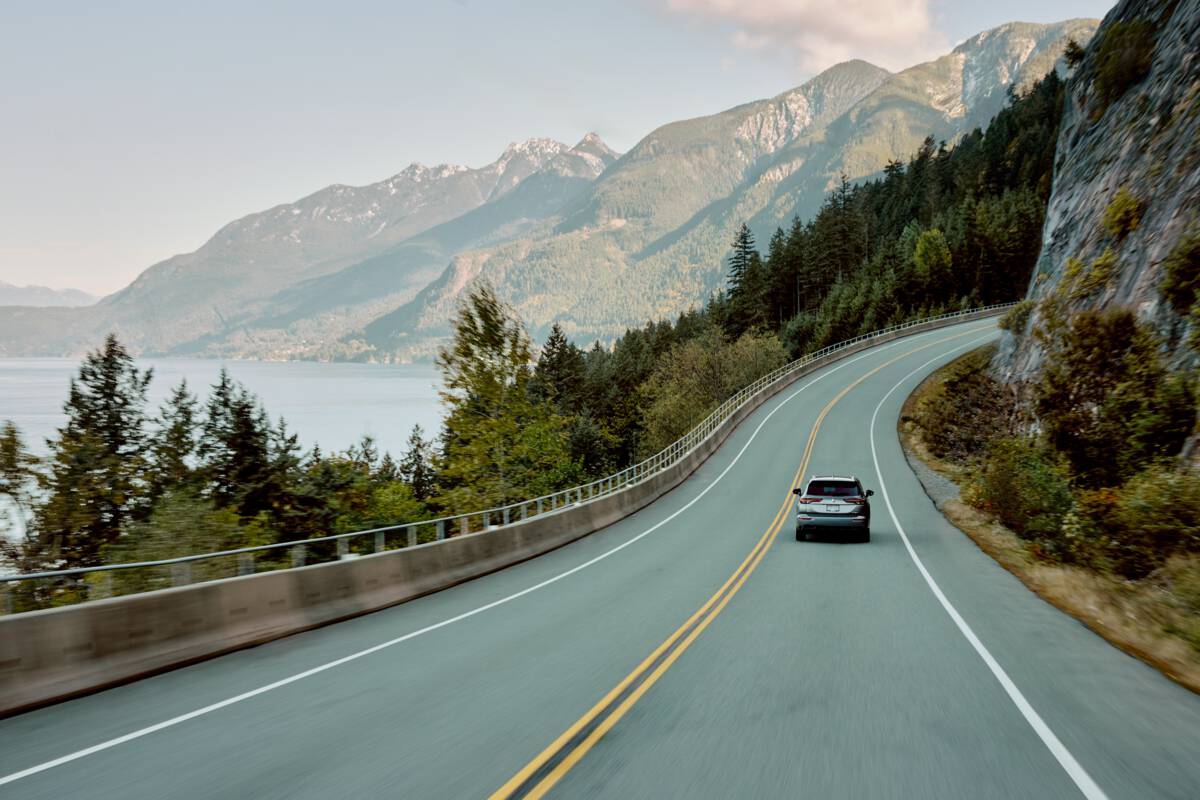
Even in the cities, nature is front and centre. When Vancouverites aren’t running in Stanley Park or hiking on the North Shore, they’re mountain biking, rock climbing, or skiing in the nearby resort towns of Squamish and Whistler. While pickleball is Washington’s state sport (yep, it was invented on Bainbridge Island in 1965—you’re welcome, tennis), you’re just as likely to see Seattleites hiking in Discovery Park or strolling the paths in the Washington Park Arboretum. Issaquah and North Bend are Washington’s answers to BC’s Sea-to-Sky Highway resorts; smaller towns with an authentic community ethos. It’s no wonder outdoor gear giants originated in the PNW. REI was founded in Seattle in 1938, while Arc’teryx began in Vancouver in 1989.
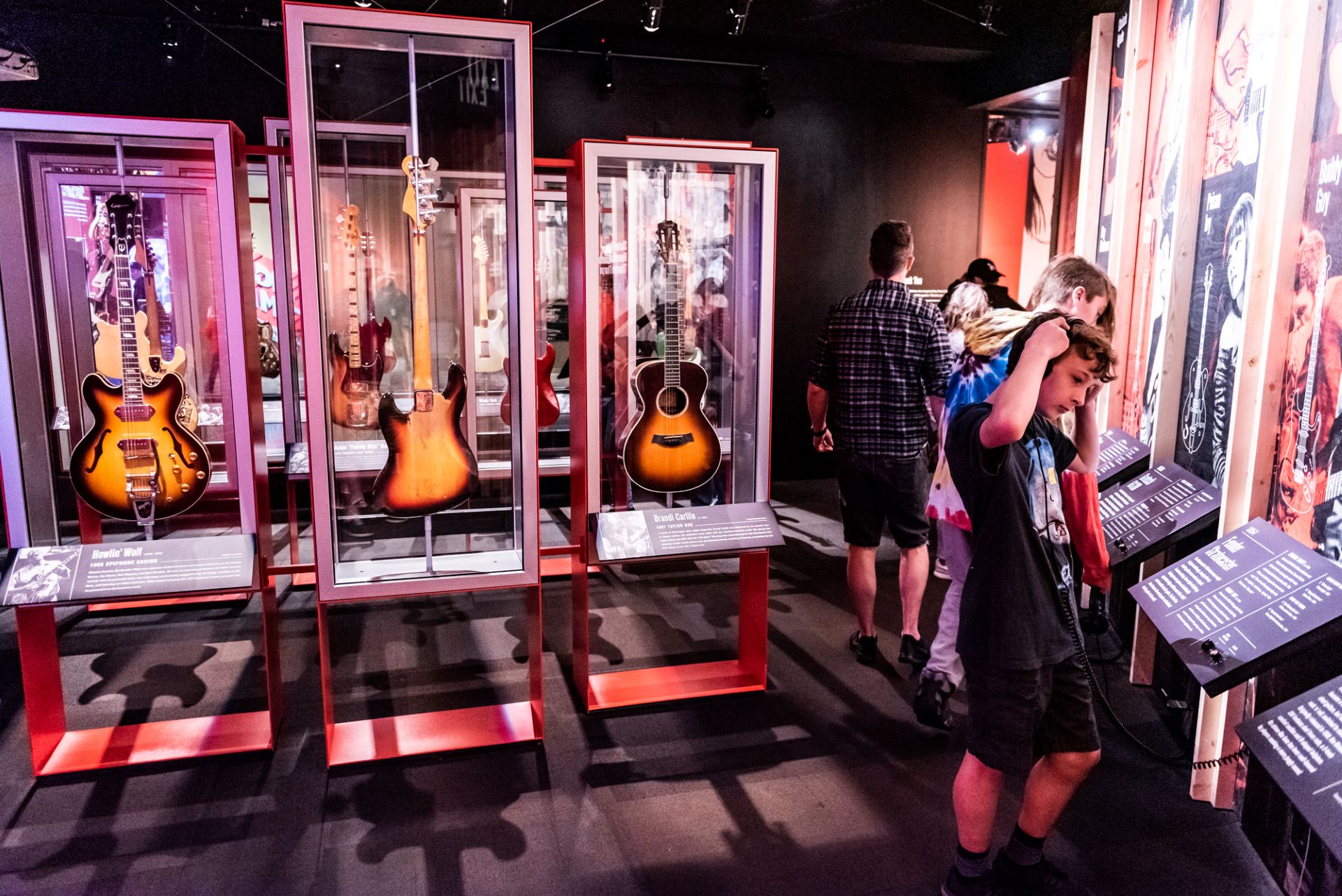 Museum of Pop Culture | Visit Seattle
Cross-Border Beats
Like their home-grown adventure outfitters and community-based craft brewers, BC and Washington State boast vibrant, grassroots music scenes that echo each other while maintaining distinct rhythms. Seattle rocks with grunge nostalgia—Nirvana, Pearl Jam, and Soundgarden are woven into the city’s sonic DNA—but it also fosters indie, hip-hop, and folk sounds.
Vancouver celebrates its multicultural mosaic, too; here, the city’s global influences shape everything from electronic beats to Punjabi pop to Inuit throat singing. Both cities nurture emerging artists with cozy venues and summer festivals, like Bumbershoot in Seattle and Vancouver Folk Fest. And, as with our shared brew-mania and obsession with the great outdoors, music brings people together on both sides of the border—with flannel shirts, ball caps (or toques), and reusable travel mugs in tow.
BC Driving Conditions
Check Drive BC for the latest information on road closures around the province.
Canada Customs
Find detailed rules, regulations, and requirements for crossing into British Columbia.
WA Driving Conditions
Check the Washington State Department of Transportation for the latest information on road closures around the state.
US Customs
Find detailed rules, regulations, and requirements for crossing into Washington.
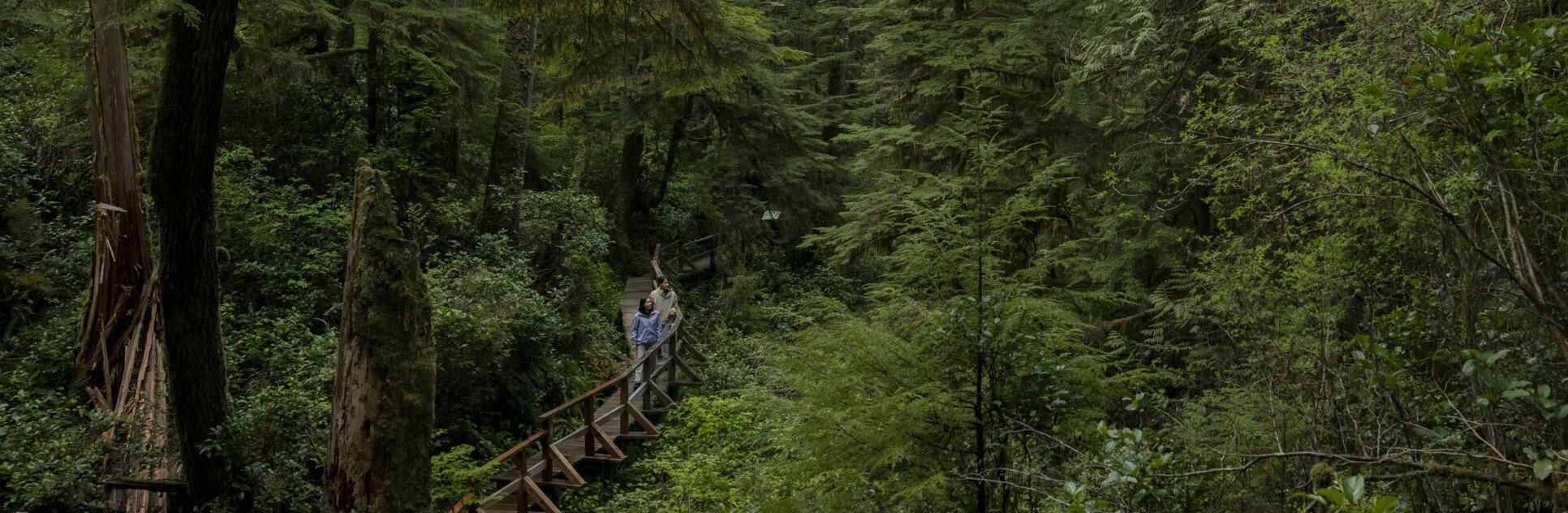 Pacific Rim National Park | Abby Cooper